Mauviel Copper Saucepan Buyer Guide: Is It Worth It?

Affiliate disclosure: Some links on this page are affiliate links. If you buy through them we earn a small commission at no extra cost to you. Recommendations are research-driven; we don't claim personal use of every product reviewed. Product prices and availability are accurate as of the date published and are subject to change. Always check Amazon for current pricing before purchasing. Learn more.
Quick Picks
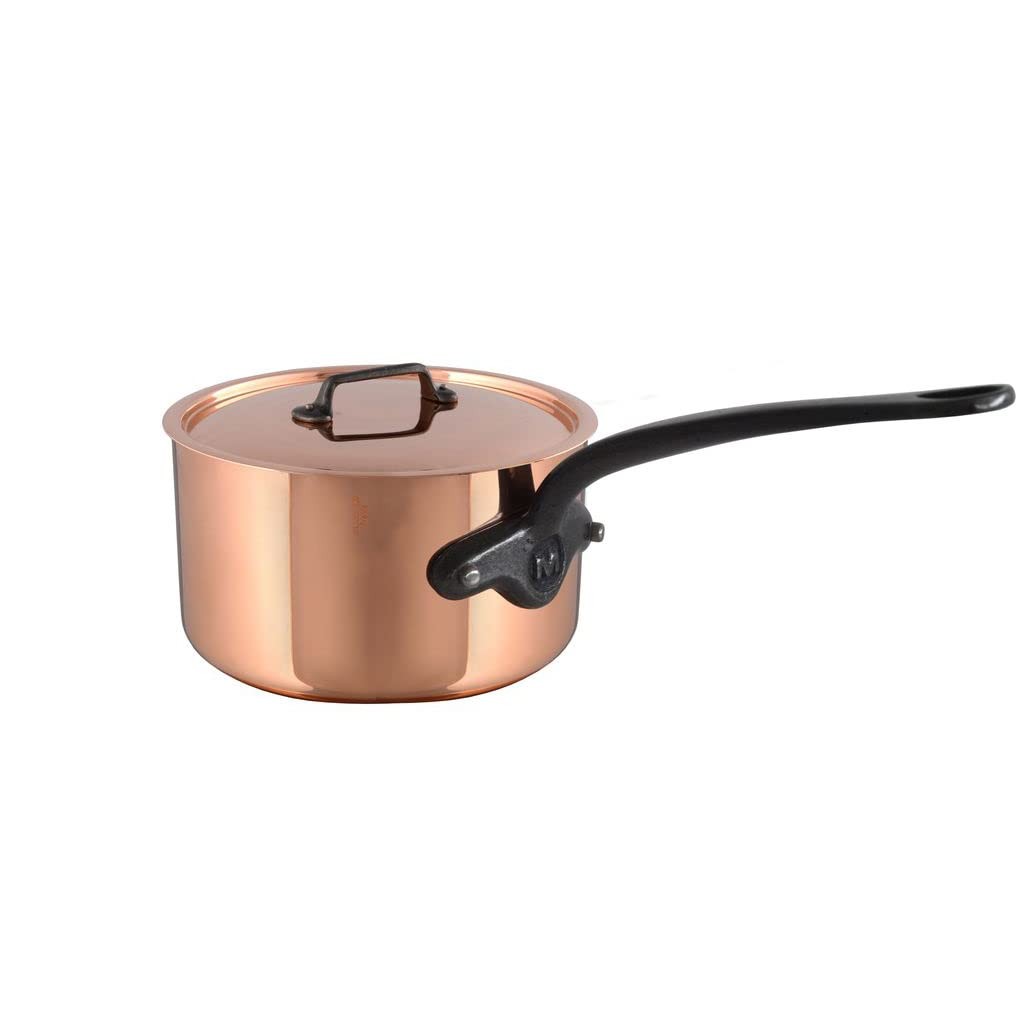
Mauviel M'Heritage Copper Saucepan 1.9-Quart
Copper reacts to heat changes within seconds , unmatched for sauce work
Buy on Amazon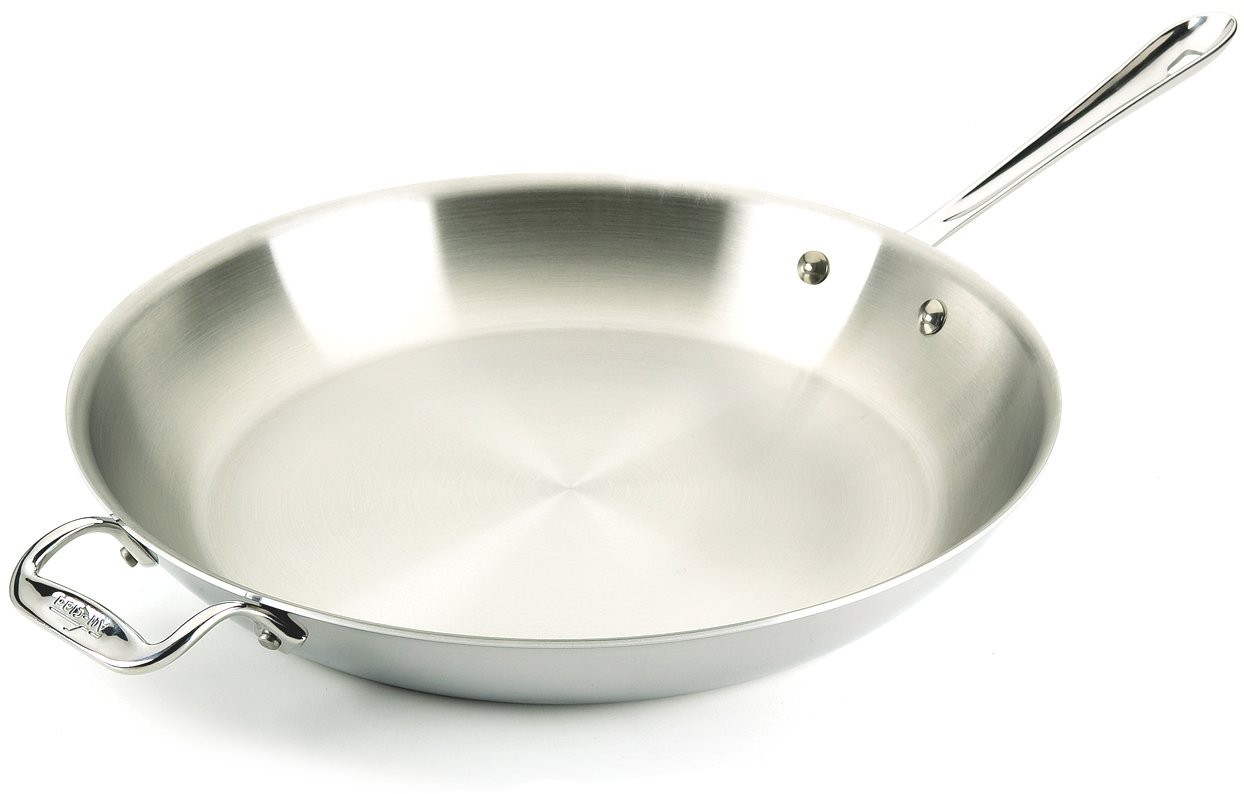
All-Clad D3 Stainless 2-Quart Saucepan
Perfect size for sauces, reheating, and small batches of grains
Buy on Amazon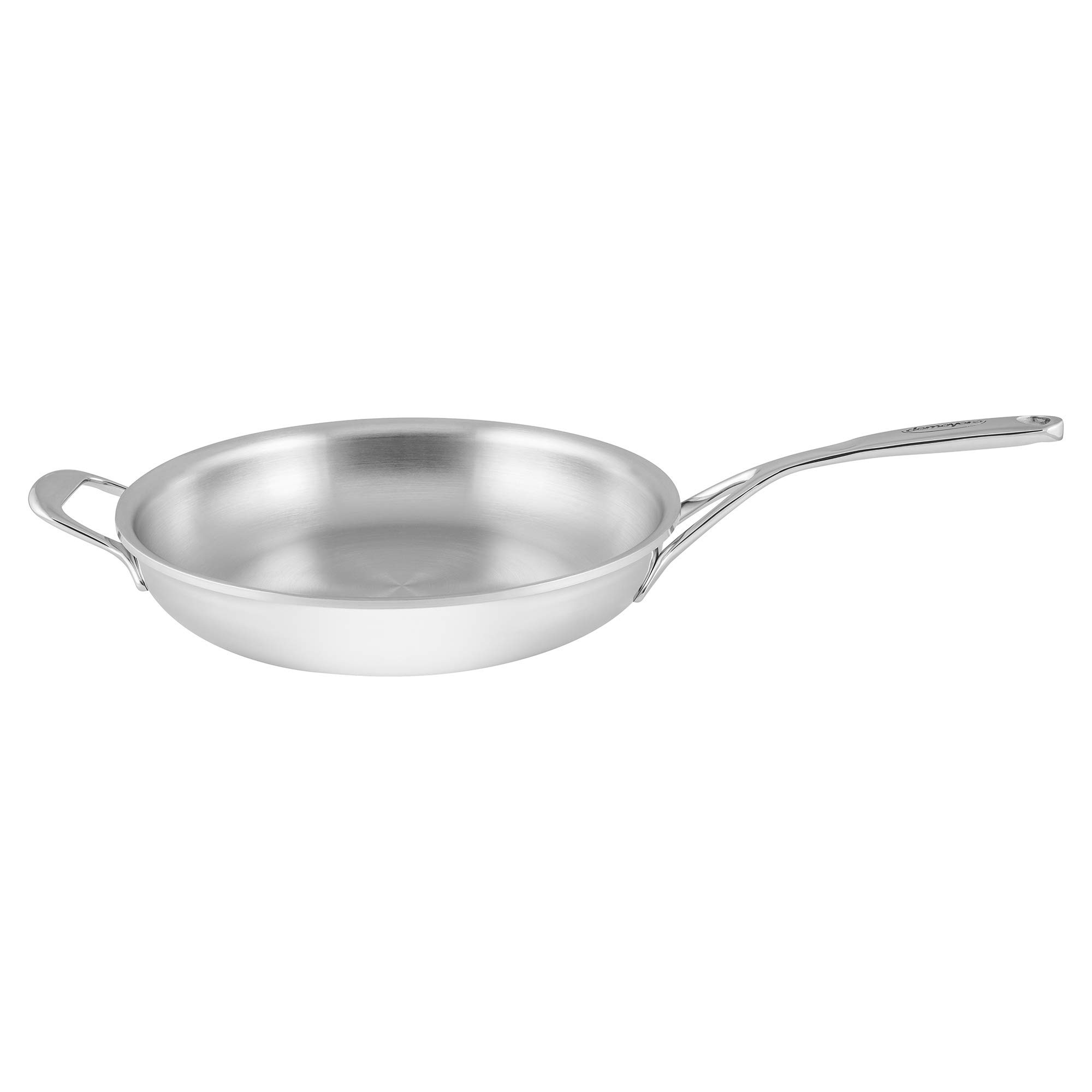
Demeyere Atlantis/Proline 11-Inch Fry Pan
Silvinox surface treatment prevents fingerprints and maintains satin finish
Buy on Amazon| Product | Price Range | Top Strength | Key Weakness | Buy |
|---|---|---|---|---|
| Mauviel M'Heritage Copper Saucepan 1.9-Quart best overall | $$$ | Copper reacts to heat changes within seconds , unmatched for sauce work | Requires polishing to maintain the copper finish | Buy on Amazon |
| All-Clad D3 Stainless 2-Quart Saucepan also consider | $$$ | Perfect size for sauces, reheating, and small batches of grains | Premium price for a 2-quart pan , same function achievable for less | Buy on Amazon |
| Demeyere Atlantis/Proline 11-Inch Fry Pan also consider | $$$ | Silvinox surface treatment prevents fingerprints and maintains satin finish | Most expensive pan in the Demeyere range , professional-grade pricing | Buy on Amazon |
| Mauviel M'Heritage Copper Skillet 9.5" also consider | $$$ | Copper body provides the fastest, most responsive heat adjustment of any material | Most expensive cookware material , significant investment per piece | Buy on Amazon |
| Tramontina 12-Inch Tri-Ply Clad Stainless Fry Pan also consider | $$ | Genuine tri-ply construction , same bonding method as All-Clad at a fraction of the price | Slightly thinner gauge than All-Clad , marginally less heat retention | Buy on Amazon |
Copper cookware occupies a specific place in the kitchen hierarchy. Not everything benefits from it, and at premium pricing, buying wrong is an expensive mistake. If you’ve landed here because you’re considering a Mauviel copper saucepan and want to know whether the investment is actually justified, that’s the right question to be asking. The answer depends almost entirely on what you’re cooking and how often you’ll use it for that specific purpose.
For context on the broader category of stainless and clad cookware before we get into copper specifically, the Stainless & Clad hub covers the full range of constructions and price points worth knowing.
What to Look For in a Copper Saucepan
The Case for Copper (and Where It Actually Matters)
Copper conducts heat roughly five times faster than stainless steel. That number sounds impressive in spec sheets, but the practical implication is more specific. Copper doesn’t just heat fast. It responds to temperature changes fast. Pull the pan off a burner and the temperature drops almost immediately. Nudge the dial down and the pan follows within seconds. For most weeknight cooking, that level of precision is irrelevant. For hollandaise, caramel, tempering chocolate, or any sauce where a few degrees of overheating means throwing out the batch and starting over, it’s the entire point.
If your saucepan use is reheating soup, making pasta water, cooking rice, or building a quick pan sauce, you don’t need copper. If you do serious pastry work or French sauce-making at home, copper becomes defensible. Not cheap, but defensible.
Lining Material
Older copper cookware was lined with tin, which is soft, scratches easily, and needs periodic re-tinning. Most modern copper cookware, including the Mauviel M’Heritage line, uses a stainless steel lining. Stainless is non-reactive, holds up to metal utensils better, and doesn’t require the specialized care that tin does. For a home cook buying a copper piece in the current decade, stainless-lined is the practical choice.
Thickness
Mauviel’s M’Heritage line uses a copper wall that’s 1.2mm to 2.5mm thick depending on the piece. Thicker copper costs more and conducts better. The 1.9-quart saucepan in the M’Heritage line sits at a thickness that’s genuinely functional, not decorative. Thin copper cookware exists at lower prices but behaves differently. If the copper layer is primarily aesthetic, you’re paying for the look, not the performance.
Maintenance Reality
Copper tarnishes. Left untouched, a copper pan will darken and develop a patina within weeks of regular use. Some cooks find this acceptable or even desirable. Others want the bright finish maintained. Polishing with a copper cleaner like Bar Keepers Friend or a dedicated copper polish a few times a year is the standard approach. The interior stainless needs nothing special. This is a real time commitment, and anyone who tells you otherwise hasn’t owned copper cookware for more than six months.
Top Picks
Best for Precise Sauce Work: Mauviel M’Heritage Copper Saucepan 1.9-Quart
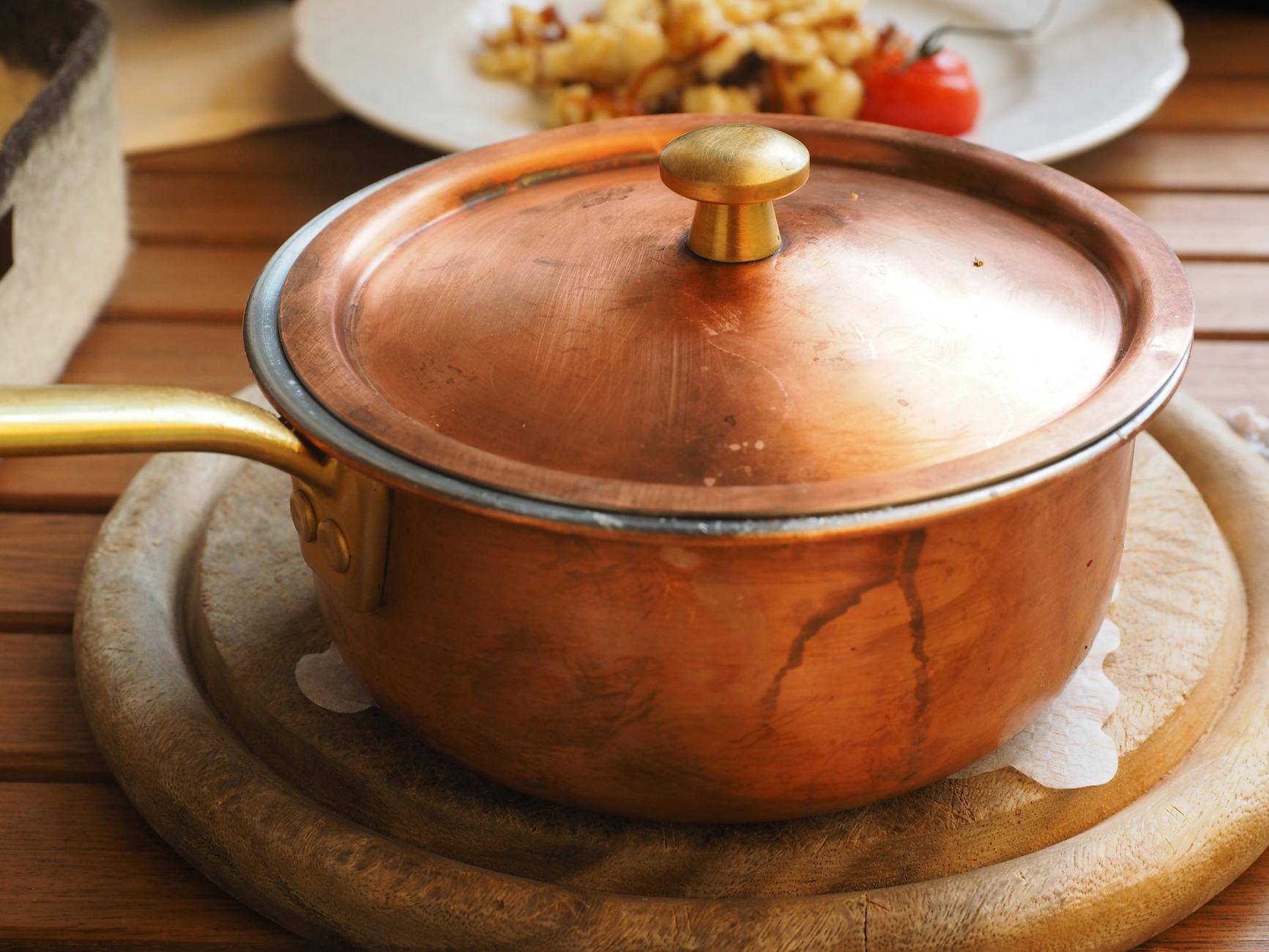
The Mauviel M’Heritage Copper Saucepan 1.9-Quart is the piece that earns copper’s reputation. The 1.9-quart capacity is the right size for making a small batch of caramel, finishing a beurre blanc, or holding a sauce over very low heat without scorching. The stainless steel lining is smooth, easy to clean, and doesn’t react with acidic ingredients.
The thermal response on this pan is not subtle. Set it over medium heat and it’s ready in under a minute. Move it off the burner and it cools noticeably within seconds. (I timed this against my All-Clad D3 saucepan doing the same test. The difference is real.) That behavior is what professional pastry kitchens are paying for, and it’s the only thing that justifies the pricing in this category.
The cons are genuine. The price is firmly in premium territory and is difficult to justify for someone who makes hollandaise twice a year. The copper exterior requires polishing. The pan does not have a lid included, which matters if you ever want to hold a sauce covered. If you’re pairing this with other Mauviel pieces, their roasting pan and the copper skillet use the same M’Heritage construction and care requirements.
Verdict. If precise heat control in the 1.5 to 2.5 quart range is what you need for specific sauce or confectionery work, this is the right tool. Not a general-purpose pan. Not a starter purchase. The right pan for a specific job.
Best All-Around Saucepan: All-Clad D3 Stainless 2-Quart Saucepan
The All-Clad D3 Stainless 2-Quart Saucepan is the saucepan I recommend most often to home cooks who want quality without specializing in a single technique. Tri-ply construction bonded all the way up the sides means even heating, no hot spots at the base edge, and consistent behavior across gas, electric, and induction. The flared rim pours cleanly without dribbling down the side of the pan, which sounds minor until you’ve dealt with a pan that doesn’t.
For a deeper look at this specific piece alongside its larger sibling, the All-Clad 2-quart saucepan review covers the D3 versus D5 question at this size in more detail. Short version: the D5 adds two more layers and slightly slower, more buffered heat response. For most cooking, D3 is sufficient.
The premium pricing on a 2-quart pan does require some justification. The same function is achievable with a Tramontina tri-ply at mid-range pricing (more on that below). What you’re paying for with All-Clad is slightly better build quality, the flared rim design, and the handle ergonomics. Whether that gap is worth the price difference depends on how much you use the pan. If it’s in your hand every day, yes. If it’s out once a week, the Tramontina deserves serious consideration.
Verdict. The default recommendation for a quality everyday saucepan. The D3 2-quart is the piece most cooks reach for most often, and it holds up to that use over years.
Best Value in Tri-Ply: Tramontina 12-Inch Tri-Ply Clad Stainless Fry Pan
The Tramontina 12-Inch Tri-Ply Clad Stainless Fry Pan makes the same structural promise as All-Clad at mid-range pricing. Genuine tri-ply bonded construction, oven-safe to 500°F, induction compatible, made in Brazil rather than Pennsylvania. Professional cooks have been recommending this pan to home cooks for years as proof that you don’t need to spend at the premium tier to get the construction right.
The caveats are real but minor. The gauge is slightly thinner than All-Clad, which means marginally less heat retention when searing at high temperatures. For sauce work, reheating, or general stovetop cooking, the difference is academic. The handle is functional but lacks the refined ergonomics of the All-Clad or Demeyere pieces.
Verdict. Buy this if you want tri-ply construction and find the All-Clad price difficult to justify. The cooking performance is close enough that most home cooks won’t feel the gap.
For Serious Buyers or Gift-Giving: Mauviel M’Heritage Copper Skillet 9.5”
The Mauviel M’Heritage Copper Skillet 9.5” is the piece you buy when you’ve decided you want copper and you want it properly. Handcrafted in Normandy, France, stainless-lined interior, same M’Heritage construction as the saucepan. The responsive heat behavior that makes copper useful in a saucepan is equally useful in a skillet for fish, crepes, or anything where you need to adjust temperature quickly mid-cook.
The maintenance question comes up most often with the skillet because it spends more time on high heat and the exterior patina can accelerate with use. To be clear: only the exterior copper requires polishing. The stainless steel interior cleans like any other stainless pan. A quick polish of the exterior a few times a year is the entirety of the additional work.
At premium pricing, this is a considered purchase. It’s also the kind of pan that outlasts the person who bought it if treated reasonably. Heirloom is a word that gets used loosely, but Mauviel copper is one of the few cases where it applies.
Verdict. Not a starter piece. The right purchase for a serious home cook who has already covered the fundamentals or as a gift for someone who has.
Highest-Performance Stainless Available: Demeyere Atlantis/Proline 11-Inch Fry Pan
The Demeyere Atlantis/Proline 11-Inch Fry Pan is what happens when a Belgian cookware manufacturer decides to build the best stainless fry pan regardless of production cost. Seven-ply construction, Silvinox surface treatment that resists fingerprints and staining over time, InductoSeal base rated for 10,000 heating cycles. This pan is heavier than anything else in this comparison.
The weight is the limiting factor for some cooks. One-handed tossing is not happening. The pricing sits at the top of the premium range, above All-Clad D3 and roughly comparable to the Mauviel pieces depending on current pricing. For buyers who want the absolute ceiling in stainless performance without moving into copper, this is it.
Verdict. The right choice for induction cooking where the InductoSeal base technology actually pays off, or for buyers who want maximum stainless performance and find copper’s maintenance requirements unappealing.
How to Choose
The actual decision here is simpler than the product range suggests.
If you do sauce or confectionery work that demands precise, immediate temperature control, the Mauviel M’Heritage Copper Saucepan 1.9-Quart is the tool built for that task. Nothing else in this comparison matches its thermal responsiveness. Buy it knowing it’s a specialist piece, not an all-purpose one.
If you want a high-quality everyday saucepan that performs consistently across all cooking tasks, the All-Clad D3 2-quart is the practical anchor. The All-Clad 4-quart saucepan is worth considering if your batch sizes run larger, and for general guidance on building a stainless collection, the full clad and stainless cookware guide covers how to prioritize purchases by cooking type rather than brand loyalty.
If the All-Clad price point feels hard to justify for your current use level, the Tramontina tri-ply delivers genuinely comparable construction at a meaningfully lower price. It’s not a compromise in any functional sense, though I appreciate that the All-Clad finish and handle feel are perceptibly better in hand.
The Demeyere Atlantis belongs in the conversation only if induction performance or maximum stainless durability is the specific goal. For gas or electric cooking, the performance gap over All-Clad D3 is narrower than the price gap suggests.
Check current price on Amazon for each piece before deciding, since premium cookware pricing does shift, and the relative gaps between these products matter more than any single number.
Frequently Asked Questions
Is a Mauviel copper saucepan worth the price for a home cook?
For general home cooking, probably not. The premium pricing is justified by thermal responsiveness that matters most for technique-specific tasks like caramel, hollandaise, and chocolate tempering. If you cook those things regularly and have struggled with scorching or overcooking at a critical moment, copper makes a real difference. If you’re making pasta and reheating soups, the All-Clad D3 or Tramontina tri-ply will serve you as well at lower cost.
How do you maintain a Mauviel copper pan?
The stainless steel interior requires nothing beyond normal cleaning. The copper exterior tarnishes with use and exposure to air. Polishing with Bar Keepers Friend or a dedicated copper cleaner like Mauviel’s own copper polish a few times a year restores the bright finish. If you prefer the darkened patina, you can simply leave it. The cooking performance is unaffected by the exterior appearance.
What’s the difference between the Mauviel M’Heritage and M’Passion lines?
The M’Heritage line uses a copper and stainless steel construction with a cast iron or bronze handle. The M’Passion line is targeted at pastry work and uses slightly thinner copper with an aluminum core in some pieces. For most home cooks buying a first Mauviel piece, M’Heritage is the line to consider. It’s the traditional professional construction and holds value well over time.
Can a Mauviel copper saucepan be used on induction?
Standard Mauviel copper is not induction compatible because copper is not magnetic. Mauviel does produce a separate M’Heritage series with a stainless steel base that functions on induction, but it costs more and the copper-to-stainless ratio changes the performance profile slightly. If you have an induction cooktop, verify the specific model before purchasing.
How does Mauviel copper compare to the All-Clad D3 for everyday use?
The All-Clad D3 is a more practical everyday tool. It heats evenly, pours cleanly, is dishwasher safe, and requires no polishing. The Mauviel copper saucepan heats faster and responds to temperature changes more immediately, but it needs hand washing and periodic exterior maintenance. For hollandaise or caramel, copper wins. For everything else, the D3 holds its own and is considerably easier to maintain.
Frequently Asked Questions
What tasks benefit most from a copper saucepan over stainless?
Sauces, caramel, custard, and chocolate work are where copper's instant heat responsiveness makes the biggest practical difference. These preparations can go from perfect to ruined in seconds, and copper's ability to drop temperature immediately when pulled off heat or when a flame is reduced gives you control that stainless cannot match.
Is a Mauviel copper saucepan safe for acidic foods like tomato sauce?
Yes. Mauviel lines their copper saucepans with stainless steel, which is completely non-reactive. The copper exterior handles heat; the stainless interior handles the food. You can cook wine-based sauces, citrus reductions, and tomato preparations without any interaction between the food and the copper.
How does the Mauviel copper saucepan compare to an All-Clad tri-ply saucepan?
The Mauviel copper saucepan responds to heat changes significantly faster than All-Clad tri-ply. For precise sauce work, that speed matters. For general simmering, reheating, and everyday tasks, the All-Clad delivers excellent even heat at a lower price and requires no polishing maintenance.
How do I clean a Mauviel copper saucepan?
The stainless interior cleans like any stainless pot — warm water, dish soap, and a non-abrasive sponge. The copper exterior polishes up with a dedicated copper cleaner or a paste of salt and lemon juice. Cleaning the exterior is cosmetic; the pan performs identically tarnished or polished.
What size Mauviel copper saucepan is most useful for home cooks?
A 1.5- to 2-quart copper saucepan covers the widest range of tasks — reductions, small sauces, melting chocolate, making caramel. If you regularly cook for more than two people or make large batches of sauce, a 3-quart model gives you more flexibility without the weight and cost of a larger copper piece.
Where to Buy
Mauviel M'Heritage Copper Saucepan 1.9-QuartSee Mauviel M'Heritage Copper Saucepan 1.… on Amazon