Pampered Chef Stainless Steel Cookware: Worth It?

Affiliate disclosure: Some links on this page are affiliate links. If you buy through them we earn a small commission at no extra cost to you. Recommendations are research-driven; we don't claim personal use of every product reviewed. Product prices and availability are accurate as of the date published and are subject to change. Always check Amazon for current pricing before purchasing. Learn more.
Quick Picks
All-Clad D3 Stainless 12-Inch Fry Pan
Tri-ply construction bonds stainless and aluminum for perfectly even heating
Buy on Amazon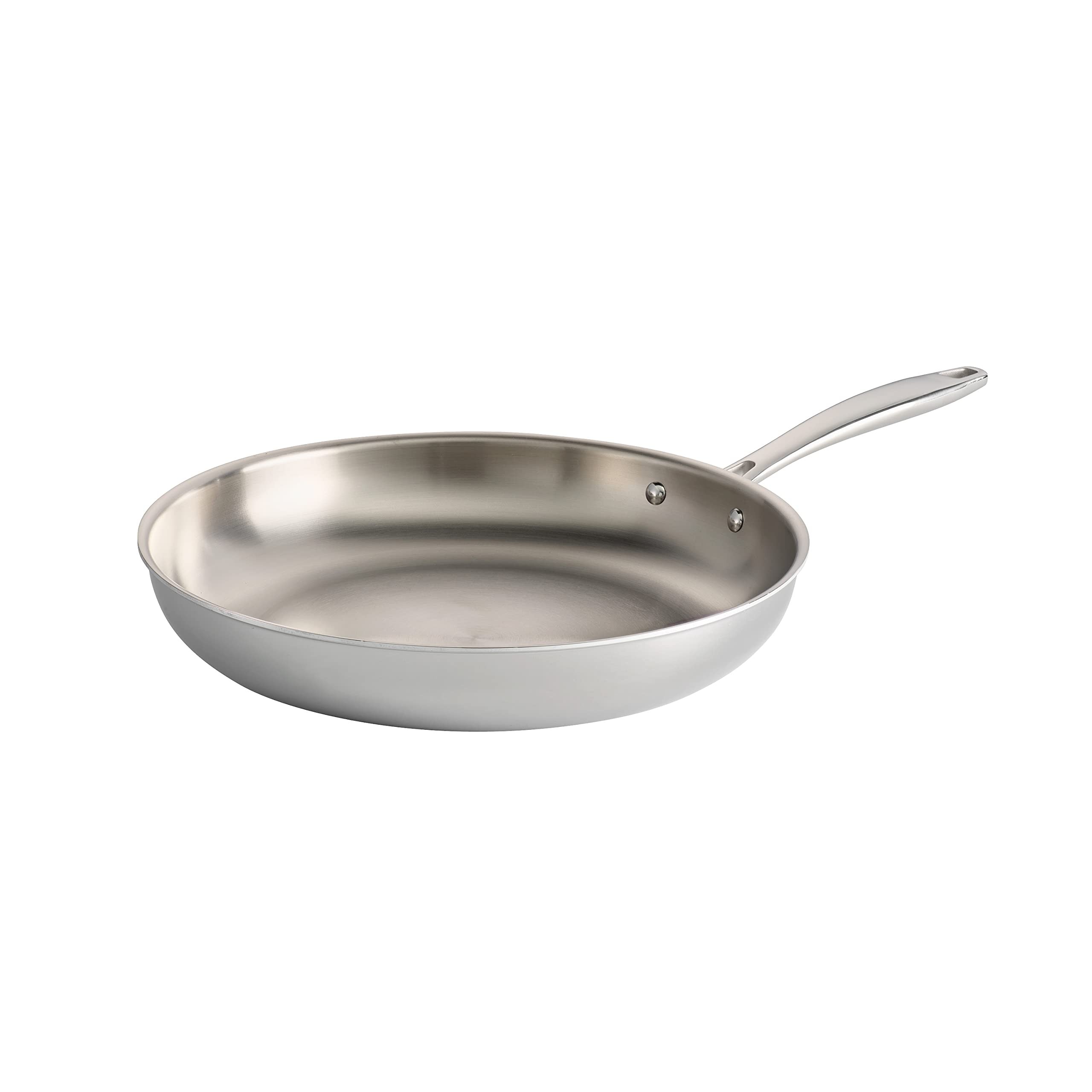
Tramontina 12-Inch Tri-Ply Clad Stainless Fry Pan
Genuine tri-ply construction , same bonding method as All-Clad at a fraction of the price
Buy on Amazon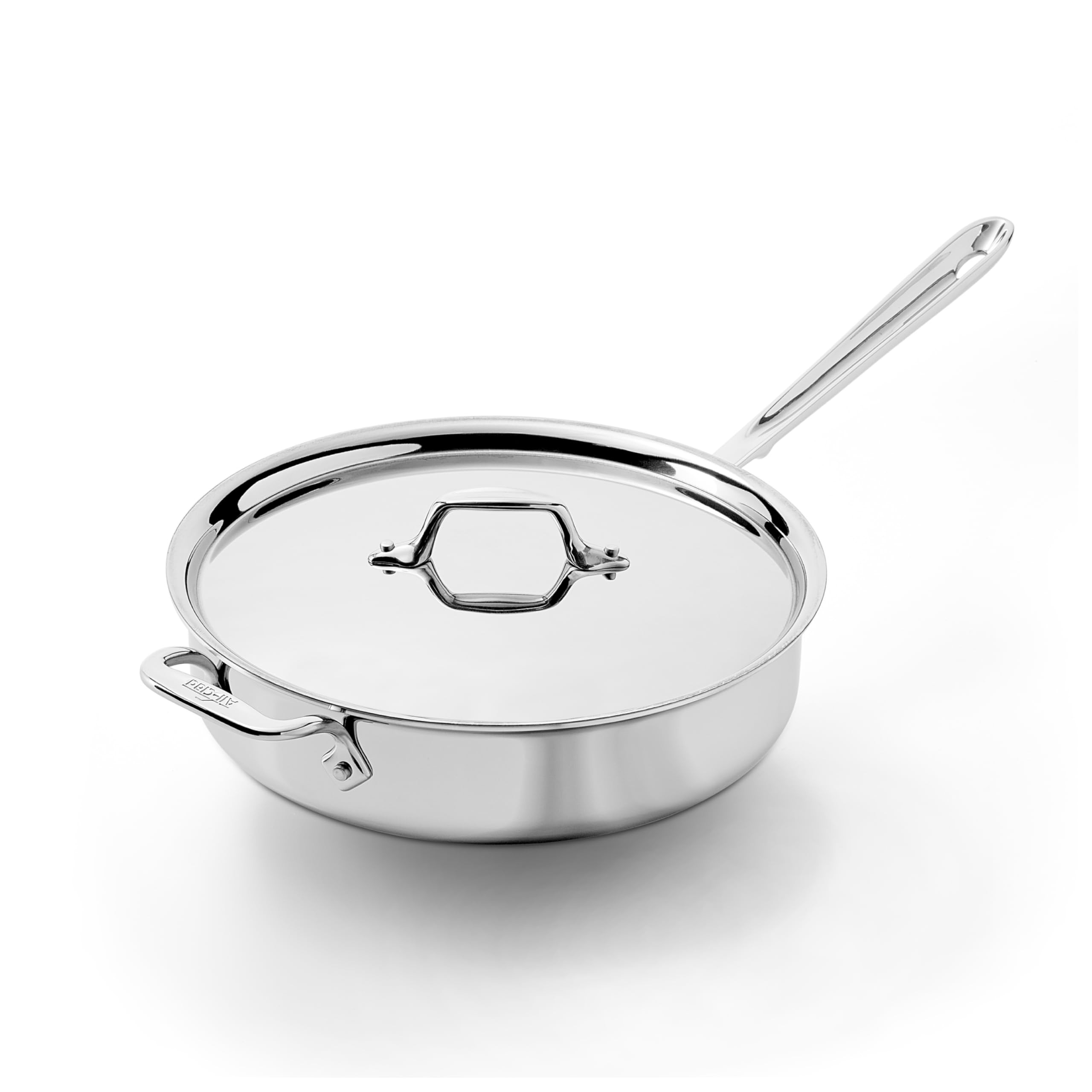
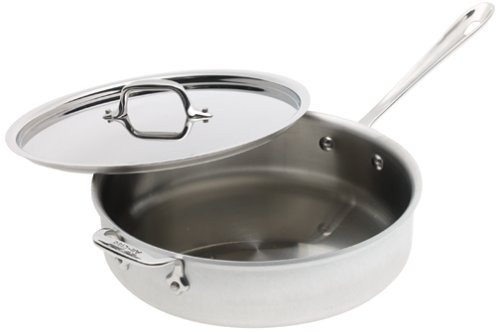
All-Clad D3 Stainless 6-Quart Saute Pan
Straight walls prevent liquid from escaping during reduction
Buy on Amazon| Product | Price Range | Top Strength | Key Weakness | Buy |
|---|---|---|---|---|
| All-Clad D3 Stainless 12-Inch Fry Pan best overall | $$$ | Tri-ply construction bonds stainless and aluminum for perfectly even heating | Stainless surface requires technique to prevent sticking , not beginner-friendly | Buy on Amazon |
| Tramontina 12-Inch Tri-Ply Clad Stainless Fry Pan also consider | $$ | Genuine tri-ply construction , same bonding method as All-Clad at a fraction of the price | Slightly thinner gauge than All-Clad , marginally less heat retention | Buy on Amazon |
| All-Clad D3 Stainless 6-Quart Saute Pan also consider | $$$ | Straight walls prevent liquid from escaping during reduction | Very heavy pan , harder to maneuver than a skillet | Buy on Amazon |
| Demeyere Industry 11-Inch Skillet also consider | $$$ | 5-ply TriplInduc base optimized specifically for induction cooktops | One of the most expensive stainless skillets available | Buy on Amazon |
Pampered Chef has a loyal following, and if you’ve spent any time in their catalog, you know they sell stainless steel cookware alongside their signature stoneware and gadgets. The question I get asked is whether that cookware is worth buying, or whether you’re paying for brand familiarity when better-constructed options exist at the same price or lower. My answer, after cooking seriously for the better part of three decades, is that the stainless steel category rewards research more than almost any other cookware type. Construction method matters enormously, and the brand on the box matters less than what’s bonded inside the walls.
If you’re building a stainless collection or replacing pieces you’ve outgrown, this guide covers what actually separates functional cookware from expensive underperformers. For a broader look at how clad construction compares across brands and price points, the Stainless & Clad hub is a good place to start before or after reading this.
What to Look For in Stainless Steel Cookware
Construction: Why Clad Beats Disc-Bottom
The single most important specification is whether the pan is fully clad or disc-bottom. Disc-bottom pans bond a layer of aluminum only to the base. Fully clad tri-ply or five-ply construction runs the aluminum core up through the walls of the pan, which means heat distributes evenly across the entire cooking surface, not just the bottom. If you’ve ever seared chicken and found the edges of the breast cooked slower than the center, you may have been using a disc-bottom pan.
Tri-ply (two layers of stainless sandwiching one aluminum core) is the baseline for quality stainless. Five-ply adds layers, which increases heat retention and weight. Neither is universally better. For most home cooks, tri-ply at the right gauge does everything necessary.
Gauge and Weight
Thicker aluminum cores hold heat longer, which helps when you’re searing proteins and don’t want the pan temperature to drop when cold food hits the surface. The trade-off is weight. A six-quart sauté pan in five-ply construction is genuinely heavy, and if you have wrist or shoulder issues, that matters. Check specs before buying rather than assuming “heavier equals better.”
Cooktop Compatibility
Induction requires magnetic material on the exterior. All quality stainless clad pans use magnetic stainless on the outside, but induction performance varies by base thickness and bonding quality. If you cook on induction, this isn’t a detail to skip.
Handle Design
A handle that heats up during stovetop cooking is a real problem, not a minor inconvenience. Riveted handles are standard on quality pans. The geometry matters too, particularly on heavier pans where a poorly angled handle makes a full pan harder to control.
Top Picks
All-Clad D3 Stainless 12-Inch Fry Pan
The All-Clad D3 Stainless 12-Inch Fry Pan is the benchmark against which I measure everything else in this category. Tri-ply construction bonding 18/10 stainless to an aluminum core, made in Canonsburg, Pennsylvania, oven-safe to 600°F, induction compatible, lifetime warranty. The specs are well known at this point.
What the specs don’t convey is how consistent the cooking surface is over years of use. I cooked on a D3 skillet for eight years before testing alternatives, and the performance was unchanged from year one to year eight. No warping, no hot spots, no degradation in the stainless finish.
The honest limitation is that stainless requires technique. A cold protein added to an insufficiently preheated pan will stick, and no amount of money changes that physics. If you’re coming from nonstick and expect the same forgiveness, stainless will frustrate you until you learn the preheat sequence. The pan itself is not the problem, but pairing the right tools with stainless is worth thinking about early. The guide on best cooking utensils for stainless steel cookware covers what actually works once you’ve committed to the surface.
At premium pricing, the D3 is among the pricier 12-inch skillets available. Check current price on Amazon.
Tramontina 12-Inch Tri-Ply Clad Stainless Fry Pan
The Tramontina Tri-Ply Clad Stainless 12-Inch Fry Pan is the pan I recommend to anyone who wants All-Clad performance without the All-Clad price tag. Genuine tri-ply construction, the same bonding method as the D3, induction compatible, oven-safe to 500°F, made in Brazil. Professional cooks have known about this pan for years.
The gauge is marginally thinner than the D3, which means slightly less heat retention when you’re searing something large. In practical cooking, most home cooks won’t notice the difference. What you might notice is that the handle ergonomics are less refined. The geometry works, but it doesn’t feel as precisely engineered as the All-Clad equivalent. (Which I realize is a specific complaint about a pan that costs roughly half the price of the D3, but I’m describing the gap, not disqualifying the pan.)
Mid-range pricing makes this the value recommendation. Check current price on Amazon.
All-Clad D3 Stainless 6-Quart Saute Pan
The All-Clad D3 Stainless 6-Quart Saute Pan solves a problem that a skillet can’t: straight walls. When you’re reducing a pan sauce or braising chicken thighs in liquid, the sloped sides of a skillet work against you. The saute pan’s vertical walls contain liquid, and the six-quart capacity means you’re not crowding a full batch into a pan that’s too small.
This is one of the heavier pieces in the D3 lineup. A full pan of braising liquid is not something you’re moving casually from stovetop to oven, and back. If that’s a concern for your cooking setup, the Tramontina doesn’t offer a direct equivalent at this capacity, which means this particular use case points toward the All-Clad.
The included heavy lid is well-fitted, which matters for anything that needs steam management. At premium pricing (one of the pricier pieces in the All-Clad lineup), the saute pan is a significant investment. But if you cook braises, pan sauces, or do any shallow frying with regularity, a proper saute pan will earn its place faster than almost anything else. Check current price on Amazon.
Demeyere Industry 11-Inch Skillet
The Demeyere Industry 11-Inch Skillet takes a different engineering approach than All-Clad. Where All-Clad clads the full pan body in uniform tri-ply, Demeyere’s TriplInduc base is specifically optimized for induction performance, with a seven-layer base construction and thinner walls. The result is a pan that responds faster on induction and distributes heat differently than the D3.
Belgian-made, riveted handle, lifetime warranty. The handle on the Industry stays cooler during stovetop cooking longer than most stainless pans I’ve used. On a high-output induction burner, that matters.
The trade-off is weight and price. The Demeyere Industry sits at premium pricing and is heavier than the All-Clad D3 equivalent. For an induction cook who wants the best stovetop performance available, the case is strong. For everyone else, the price premium over the D3 is harder to justify. If you want to understand the full construction philosophy difference between these two brands before deciding, the Demeyere vs All-Clad comparison covers the technical distinctions in detail. Check current price on Amazon.
How to Choose
If You’re Replacing a Single Pan
Buy the Tramontina Tri-Ply Clad Stainless 12-Inch Fry Pan. Genuine tri-ply construction at mid-range pricing, and it will perform correctly for daily cooking for years. If you cook on it for two years and decide you want the All-Clad D3 at that point, you’ll know why you’re paying more. Buying the premium version first, before you’ve cooked seriously on stainless, doesn’t accelerate the learning curve.
If You Cook on Induction
The Demeyere Industry 11-Inch Skillet is the right answer, assuming you can absorb premium pricing. Demeyere’s base engineering is specifically built around induction performance in a way that All-Clad’s is not. If the Demeyere price point is too high, the D3 performs adequately on induction. Adequately, not optimally.
If You’re Building a Collection
Start with a 12-inch skillet and add a saute pan once you’ve identified what the skillet can’t do. Most cooks discover this within a few months of cooking seriously. A roasting pan rounds out a stainless collection well. If you’re considering that category alongside your cookware build, the Mauviel roasting pan is worth looking at as a reference point for what quality construction looks like at the high end of that category.
On Timing Purchases
Premium stainless cookware goes on sale, and the discounts can be significant. If you’re patient, checking the Black Friday stainless steel cookware deals page before a major purchase is worth the time. All-Clad in particular runs meaningful promotions several times a year.
The full comparison of clad construction across brands and price points, including options not covered in this guide, is available in the stainless cookware section of the site.
Frequently Asked Questions
Is Pampered Chef stainless steel cookware fully clad?
Some Pampered Chef stainless pieces use disc-bottom construction rather than full clad. For everyday cooking tasks this functions adequately, but for consistent searing and proper heat distribution across the pan walls, fully clad tri-ply construction (as found in All-Clad D3 or Tramontina Tri-Ply) is the more reliable choice. Check the product specs carefully before buying any stainless pan, regardless of brand.
What is the difference between tri-ply and five-ply stainless cookware?
Tri-ply bonds two layers of stainless around one aluminum core. Five-ply adds additional layers, typically more aluminum and sometimes a magnetic stainless layer for induction. Five-ply increases heat retention and adds weight. For most home cooking tasks, tri-ply at an appropriate gauge performs as well or better than five-ply at a lower price. The advantage of five-ply becomes more apparent on high-output commercial burners or with specific induction setups.
Why does food stick to my stainless steel pan?
Almost always, insufficient preheating. Stainless requires the pan to reach the right temperature before adding oil, and the oil needs to heat before adding food. The water droplet test, where a small drop of water forms a single bead and rolls around the surface rather than evaporating immediately, tells you the pan is ready. Cold protein added to a cold or under-heated stainless surface will bond to the metal. No amount of clad construction quality changes this. It’s technique, not equipment.
Is All-Clad worth the premium over Tramontina?
For a 12-inch skillet doing standard cooking tasks, the performance gap is narrow. The All-Clad D3 has marginally better heat retention, more refined handle geometry, and a USA manufacturing provenance if that matters to you. The Tramontina Tri-Ply is genuine clad construction and performs correctly. If budget is a factor, the Tramontina is not a compromise. If you want the best-built version of the tool and the price doesn’t change your decision, buy the All-Clad.
Can I use stainless steel cookware in the oven?
Yes, with attention to the temperature rating of the specific pan. The All-Clad D3 is rated to 600°F. The Tramontina Tri-Ply is rated to 500°F. The Demeyere Industry is oven-safe as well. Check whether the lid is also oven-safe before assuming it matches the pan’s rating. Glass lids on some lines have lower temperature limits than the pan itself.
Frequently Asked Questions
Is Pampered Chef stainless steel cookware fully clad or disc-bottom?
Pampered Chef's stainless steel cookware varies by product line, and many pieces use disc-bottom construction rather than full clad. Disc-bottom pans bond aluminum only to the base, which means heat does not distribute evenly up the walls the way it does in fully clad tri-ply or five-ply pans.
How does Pampered Chef stainless compare to All-Clad?
All-Clad uses fully bonded tri-ply construction with stainless and aluminum running through the entire wall of the pan, which produces more even heat distribution than most Pampered Chef stainless lines. All-Clad is also oven-safe to 600°F and has a longer track record in professional and serious home kitchens.
Is Tramontina a good alternative to Pampered Chef stainless at a lower price?
Yes. Tramontina's tri-ply clad skillets use the same full-wall bonding method as All-Clad at a significantly lower price. The gauge is slightly thinner than All-Clad, but for most home cooking tasks the performance difference is minimal and the value is considerably better.
Can Pampered Chef stainless steel pans be used on induction cooktops?
Some Pampered Chef stainless steel pieces are induction compatible, but not all. Check the specific product listing for induction compatibility, as it depends on whether the exterior layer is magnetic stainless steel. When in doubt, use a magnet test: if a magnet sticks to the bottom, it will work on induction.
What is the main advantage of buying stainless steel cookware over nonstick?
Stainless steel handles high heat, metal utensils, oven temperatures up to 600°F, and does not have a coating that degrades over time. It also develops fond — the browned bits on the bottom of the pan — which is the foundation of pan sauces. The trade-off is that it requires more technique to cook without sticking.
Where to Buy
All-Clad D3 Stainless 12-Inch Fry PanSee All-Clad D3 Stainless 12-Inch Fry Pan on Amazon