Vitamix Pro 750 Heritage Blender Buyer Guide

Affiliate disclosure: Some links on this page are affiliate links. If you buy through them we earn a small commission at no extra cost to you. Recommendations are research-driven; we don't claim personal use of every product reviewed. Product prices and availability are accurate as of the date published and are subject to change. Always check Amazon for current pricing before purchasing. Learn more.
Quick Picks
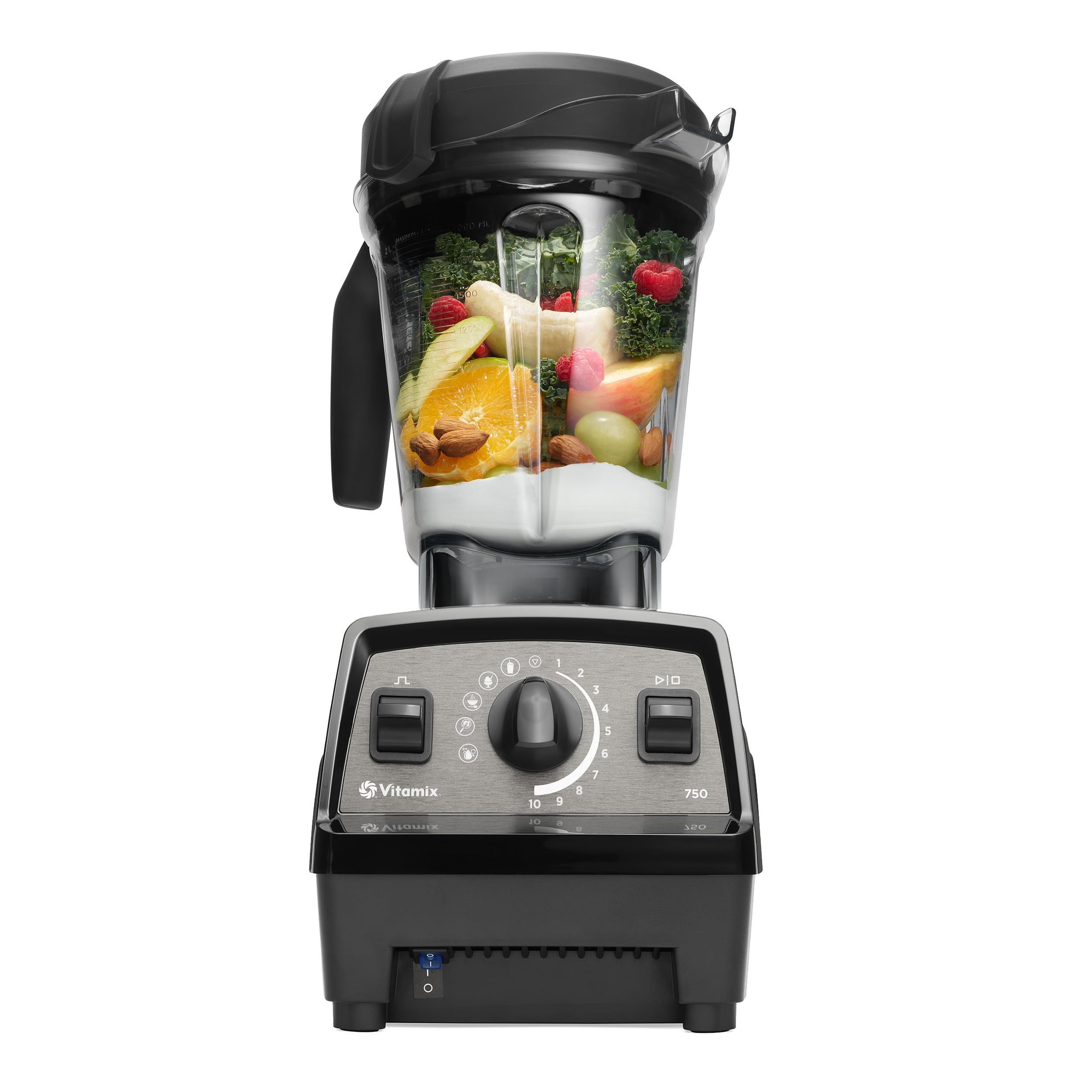
Vitamix Pro 750 Heritage Blender
Five pre-programmed settings for smoothies, hot soups, dips, frozen desserts, and self-cleaning
Buy on Amazon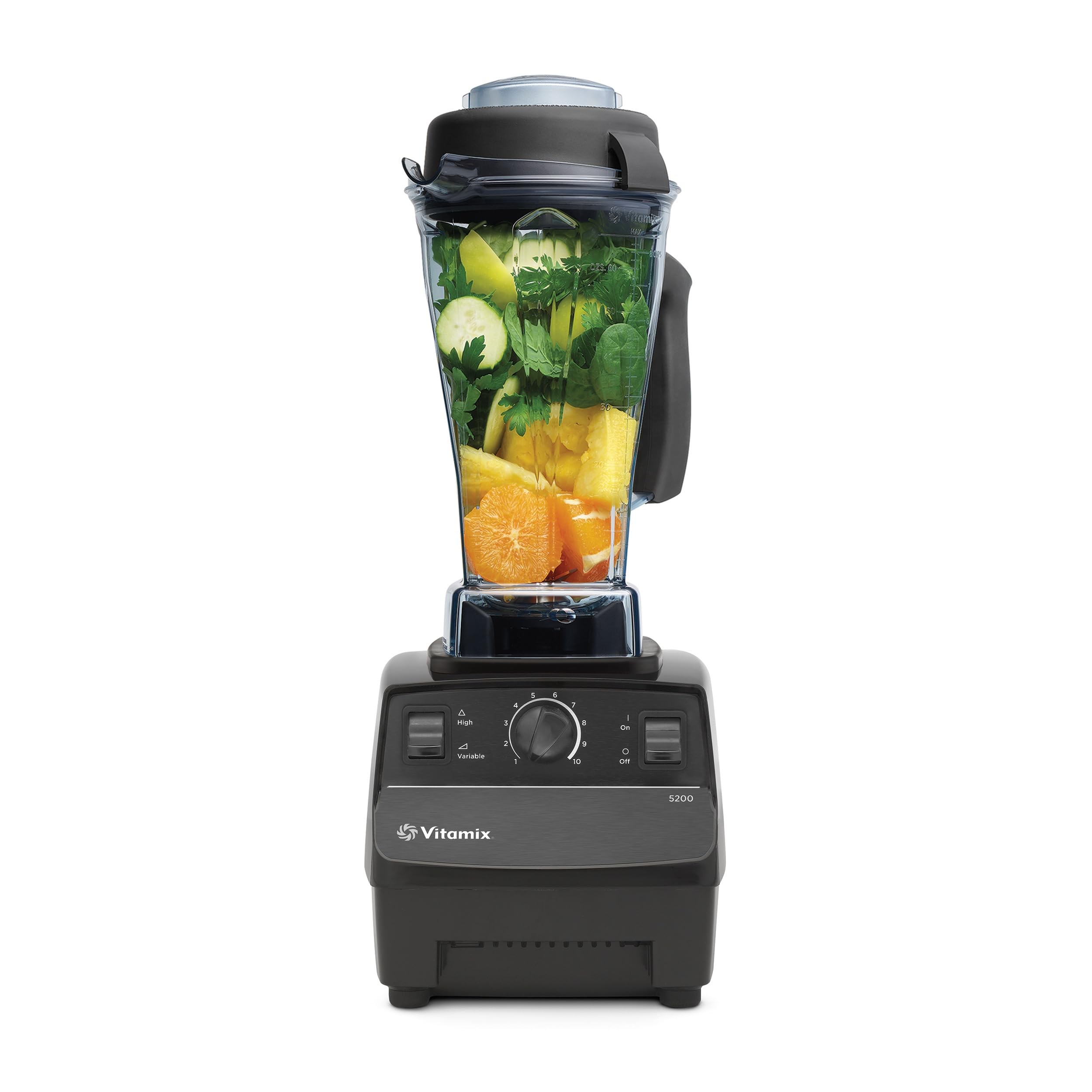
Vitamix 5200 Blender
2HP motor pulverizes nuts, ice, and fibrous vegetables completely
Buy on Amazon
Vitamix A3500 Ascent Series Blender
Built-in wireless connectivity detects container size and adjusts settings
Buy on Amazon| Product | Price Range | Top Strength | Key Weakness | Buy |
|---|---|---|---|---|
| Vitamix Pro 750 Heritage Blender best overall | $$$ | Five pre-programmed settings for smoothies, hot soups, dips, frozen desserts, and self-cleaning | Expensive , premium over the 5200 for pre-programmed settings most cooks set manually | Buy on Amazon |
| Vitamix 5200 Blender also consider | $$$ | 2HP motor pulverizes nuts, ice, and fibrous vegetables completely | Very expensive , over $400 at full retail | Buy on Amazon |
| Vitamix A3500 Ascent Series Blender also consider | $$$ | Built-in wireless connectivity detects container size and adjusts settings | Most expensive Vitamix model , tech upgrades add cost without proportionate performance gain | Buy on Amazon |
| Breville Super Q Blender also consider | $$$ | 1800W motor , more powerful than Vitamix 5200 on paper | Breville's blender reliability track record is shorter than Vitamix's | Buy on Amazon |
The Vitamix Pro 750 Heritage Blender sits at an interesting position in the lineup: more capable than the Vitamix 5200 Blender, less expensive than the Vitamix A3500 Ascent Series Blender, and priced at a premium that will only make sense for some buyers. If you’re researching this machine specifically, you’re probably already past the “should I buy a high-performance blender” question. The real question is whether the Pro 750 is the right Vitamix, or whether one of the alternatives does more of what you actually need. I’ve cooked seriously for a long time and have owned several machines in this category. My verdict is specific and I’ll defend it.
Before we get into the machines, this article is part of a broader look at Small Appliances on this site, where you’ll find similar breakdown-style guides for the category.
What to Look For in a High-Performance Blender
Motor Power and Real-World Output
Manufacturers quote horsepower and watts interchangeably and loosely. What matters is whether the motor maintains speed under load. A motor that reads 2HP on the box but bogs down halfway through a frozen smoothie is less useful than a motor rated slightly lower that holds its RPMs. Both the Vitamix machines and the Breville Super Q are genuine high-output blenders. The differences in real-world blending are smaller than the spec sheets suggest.
Container Design and Cabinet Clearance
This is the complaint that drives more re-purchases in this category than any other. The classic Vitamix 5200 container is tall. If your upper cabinets sit at the standard height, the 5200 will not fit underneath them with the lid on. You have two choices: store it in a cabinet (which means you’ll use it less) or keep it on the counter and pull it out to blend. The Pro 750’s low-profile container addresses this directly. So does the A3500. If you have ever stored an appliance in a cabinet and then never used it, that’s the problem these designs solve.
Controls: Dials vs. Touchscreens vs. Pre-Programmed Settings
The 5200’s variable speed dial is, in my opinion, the most functional control design in the category. You can adjust mid-blend with one hand without looking at the machine. The A3500’s touchscreen requires a deliberate tap, which is less convenient when your hands are wet or covered in something. Pre-programmed settings on the Pro 750 are useful if you want to walk away from the blender while it runs, less useful if you’re the kind of cook who adjusts on the fly.
Noise Level
High-performance blenders are loud. The Breville Super Q Blender is the outlier here because it includes a noise enclosure that meaningfully reduces the sound. The Vitamix machines don’t offer this. If you blend early in the morning in a house with other people, or have a kitchen that opens to a living area, this is a real consideration.
Longevity and Warranty
Vitamix machines are expensive and they last. The 5200 has been in production since 2007. The 7-year full warranty that comes standard is among the best in the appliance category. Breville offers a 5-year motor warranty on the Super Q, which is strong, but the brand has a shorter track record in the high-performance blender space.
Top Picks
Best Overall for Most Home Cooks: Vitamix Pro 750 Heritage Blender
The Vitamix Pro 750 Heritage is what I’d recommend to someone who already owns a 5200 and is thinking about upgrading, or to a first-time buyer who wants the full Vitamix experience in a form that fits a real kitchen. The 2.2HP motor is slightly more powerful than the 5200’s 2HP, and in practice the difference is noticeable when processing very dense loads. The five pre-programmed settings (smoothies, hot soups, dips and spreads, frozen desserts, self-cleaning) are convenient rather than transformative, and I’d be lying if I said I used all five regularly. But the low-profile container is a genuine design improvement over the 5200. Mine fits under the upper cabinets with clearance to spare, and that alone determines whether I use a blender daily or weekly.
The premium over the 5200 is the honest question to answer. You’re paying more for pre-programmed settings and a container that fits on your counter. If you’d actually use the pre-programs and your cabinet clearance is an issue, it’s worth it. If you would set speeds manually regardless and your kitchen has the vertical clearance, the 5200 is the better value.
The Benchmark: Vitamix 5200 Blender
The Vitamix 5200 is the machine that everything else in this category gets measured against. Two horsepower, variable speed dial, 64-ounce container. It will pulverize ice, fibrous vegetables, nuts, and frozen fruit completely. The self-cleaning function (warm water and a drop of dish soap, run on high for 60 seconds) is genuinely fast. (I timed this, because I was skeptical.) The tall container is the one real limitation. If you have the clearance, or you’re willing to store it and pull it out, the 5200 is the most straightforward recommendation I can make in this price band.
At premium pricing with a 10-plus year lifespan, the cost per year math is more favorable than it looks at purchase. A machine that lasts a decade at this price point is a better long-term value than a budget blender you replace twice.
The Smart Home Option: Vitamix A3500 Ascent Series
The Vitamix A3500 is the most expensive Vitamix and the one where the price premium is hardest to justify on performance alone. The wireless connectivity that detects container size and adjusts settings is a clever feature, and the touchscreen controls look clean on a counter. But the touchscreen is less responsive than the 5200’s dial for quick mid-blend adjustments, and the performance ceiling is essentially identical to the Pro 750.
If the smart home integration matters to you, or you want the most future-proof Vitamix with the widest accessory compatibility, the A3500 makes sense. If you’re comparing it to the Pro 750 purely on blending output, it doesn’t earn the additional cost.
The Quieter Alternative: Breville Super Q Blender
The Breville Super Q is the machine I’d recommend to anyone who has ruled out Vitamix specifically because of noise. The 1800-watt motor outpaces the Vitamix 5200 on paper, and in testing the performance difference is real but not dramatic for typical home cooking tasks. The noise enclosure is the differentiator. Running a Vitamix without enclosure next to a Super Q is a noticeable comparison.
The tradeoff is footprint. The enclosure adds bulk, and the Super Q takes up more counter space than any of the Vitamix options. The 5-year motor warranty is solid but shorter than Vitamix’s 7-year full warranty. And Vitamix has been making these machines long enough that there’s a substantial body of evidence about how they hold up. Breville’s track record in this specific category is shorter. That’s not a disqualifier, but it’s honest context.
For buyers researching countertop blending alongside other prep tools, our large immersion blender guide is worth reading if you handle smaller batches or hot liquids regularly, since the use cases don’t overlap as much as you’d expect.
How to Choose
Start with cabinet clearance. Measure the space between your counter and upper cabinets before you buy anything. If you have under 18 inches, the 5200 is off the table and the Pro 750 or A3500 becomes the Vitamix option.
If clearance isn’t an issue, the choice between the 5200 and the Pro 750 comes down to one question: do you want to set blend times and walk away, or do you prefer manual control? If pre-programmed settings appeal to you, buy the Pro 750. If you’d rather control the machine directly and want the classic Vitamix experience at a slightly lower price, the 5200 is the better purchase.
Choose the A3500 only if the smart home features are a specific draw. The blending performance doesn’t justify paying the highest price in the lineup otherwise.
Choose the Breville Super Q if noise is a real constraint in your home. The performance is competitive with the Vitamix machines, the warranty is strong, and the noise enclosure is the best solution in the category for early-morning or open-floor-plan kitchens. Accept the larger counter footprint as part of that trade.
A note on adjacent tools: if your cooking leans toward soups and sauces rather than smoothies and frozen desserts, a quality immersion blender with the right attachments handles a large percentage of those tasks without the countertop footprint or price. High-performance countertop blenders and immersion blenders solve different problems, and a well-equipped kitchen often has both.
My actual recommendation for most buyers researching the Pro 750 specifically: buy it. The low-profile container is a real improvement over the 5200 for kitchens with standard cabinet heights, the pre-programs are legitimately useful for unattended blending, and the 2.2HP motor is the best in the Vitamix lineup below the A3500. The price premium over the 5200 is real, and if your kitchen has the clearance and you’d set speeds manually anyway, the 5200 is the smarter buy. But for first-time Vitamix buyers with standard kitchens, the Pro 750 is where I’d start.
For current pricing on any of these machines, check directly on Amazon since prices shift frequently. This category of small appliances sees regular sales, and the premium models in particular move during seasonal events.
Frequently Asked Questions
Is the Vitamix Pro 750 worth the price premium over the 5200?
For kitchens with standard cabinet heights, yes. The low-profile container is a practical improvement that affects daily usability. The five pre-programmed settings are a genuine convenience if you want to start a blend and step away. If you have the cabinet clearance and prefer manual speed control, the 5200 is the better value.
How long do Vitamix blenders typically last?
The 5200 has been in continuous production since 2007, and machines from early production runs are still in regular use. Vitamix backs their machines with a 7-year full warranty that covers parts, labor, and shipping. With normal home use, 10 to 15 years is a reasonable expectation. That longevity is part of what makes the premium pricing defensible.
Does the Vitamix Pro 750 fit under standard kitchen cabinets?
Yes. The low-profile 64-ounce container is specifically designed for standard cabinet clearance. The 5200’s classic container does not fit under most standard upper cabinets when the lid is on. If cabinet clearance is a factor in your kitchen, the Pro 750, A3500, or any Vitamix model with the low-profile container is the right choice.
Is the Breville Super Q actually quieter than Vitamix?
Meaningfully quieter, yes, because of the included noise enclosure. Running both machines side by side, the difference is audible and significant. If you blend early in the morning or have an open kitchen layout, the Super Q’s noise reduction is worth considering. The trade-off is a larger counter footprint because of the enclosure itself.
Can a Vitamix replace an immersion blender entirely?
For some tasks, yes. Hot soups can be blended in a Vitamix in batches, and the Pro 750’s pre-programmed hot soup setting handles this without supervision. For small quantities, quick finishing tasks, or blending directly in a pot, an immersion blender is still faster and easier to clean. Most serious home cooks use both.
Frequently Asked Questions
What are the five pre-programmed settings on the Vitamix Pro 750 Heritage?
The Pro 750 Heritage has pre-programmed settings for smoothies, hot soups, dips and spreads, frozen desserts, and self-cleaning. Each runs a specific speed and time sequence optimized for that task, so you press a button and walk away rather than monitoring and adjusting manually.
Does the Vitamix Pro 750 Heritage fit under kitchen cabinets?
Yes — the Pro 750 Heritage ships with a low-profile 64-oz container that is designed to fit under standard upper cabinets with approximately 18 inches of clearance. This directly addresses the cabinet-clearance problem that prevents the taller Vitamix 5200 container from living on the counter permanently.
Is the Vitamix Pro 750 Heritage worth more than the 5200?
If you want pre-programmed settings and the low-profile container, the premium over the 5200 is justified. If you prefer hands-on speed control and don't have a cabinet clearance problem, the 5200 offers comparable blending performance for less money. The Pro 750 is a convenience upgrade, not a performance upgrade.
What warranty does the Vitamix Pro 750 Heritage come with?
The Pro 750 Heritage comes with a 7-year full warranty covering the motor base, container, and all parts including the blade assembly. Vitamix customer service is generally responsive on warranty claims, which is one of the more compelling reasons to buy within the Vitamix lineup over competitors.
Can the Vitamix Pro 750 Heritage make frozen desserts?
Yes — the frozen desserts pre-programmed setting is one of its five built-in programs and handles frozen fruit, ice cream bases, and similar tasks. For best results with very dense frozen ingredients, use the tamper to push contents toward the blade rather than adding liquid to thin the mixture.
Where to Buy
Vitamix Pro 750 Heritage BlenderSee Vitamix Pro 750 Heritage Blender on Amazon