Robot Coupe Immersion Blender: What Home Cooks Actually Need

Affiliate disclosure: Some links on this page are affiliate links. If you buy through them we earn a small commission at no extra cost to you. Recommendations are research-driven; we don't claim personal use of every product reviewed. Product prices and availability are accurate as of the date published and are subject to change. Always check Amazon for current pricing before purchasing. Learn more.

Quick Picks
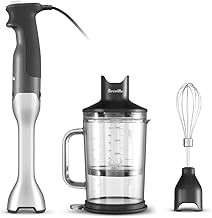
Breville Control Grip Immersion Blender
Bell-shaped guard prevents splashing , practical for soups and sauces
Buy on Amazon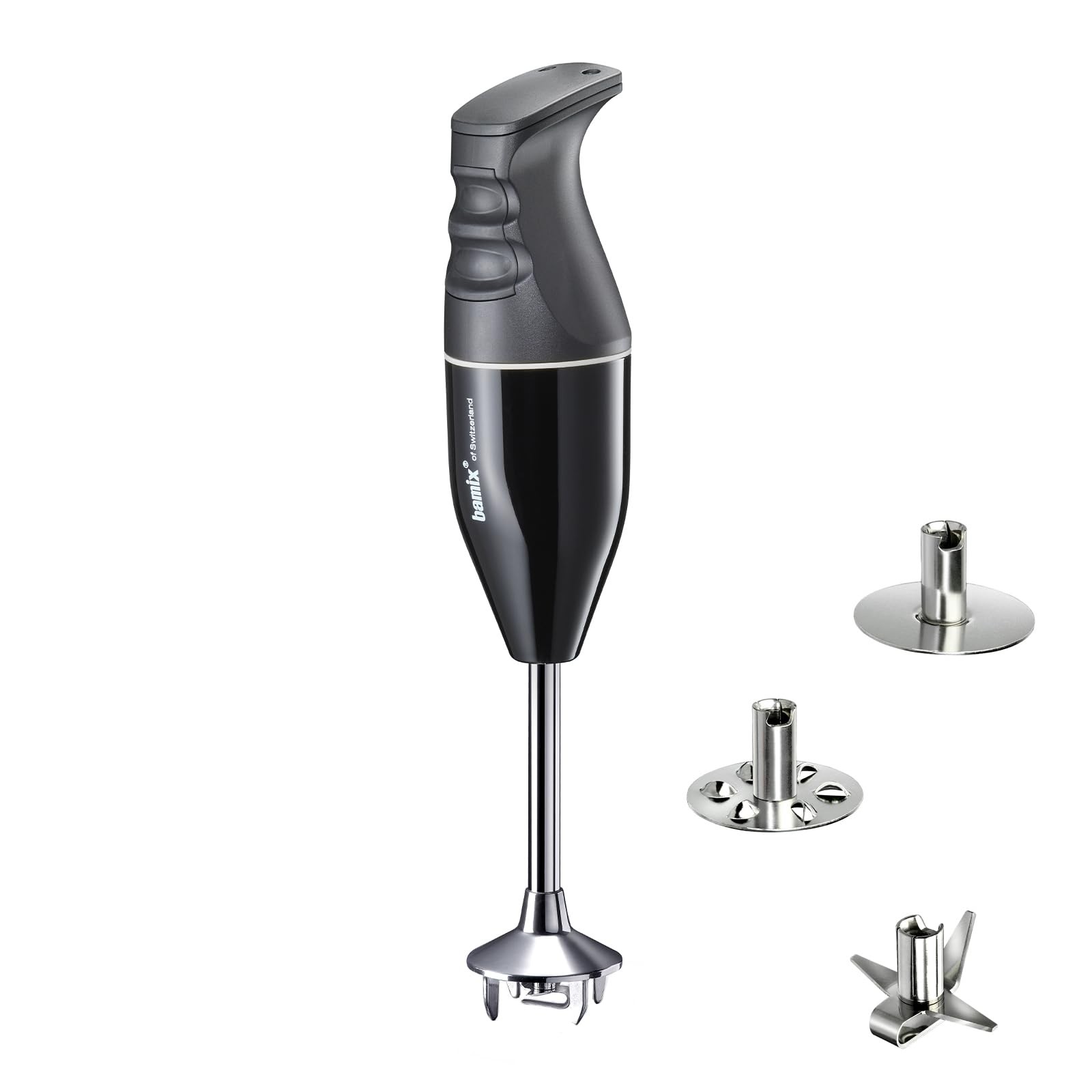
Bamix SwissLine Immersion Blender
Swiss-made motor runs at 12,000 RPM , significantly faster than most immersion blenders
Buy on Amazon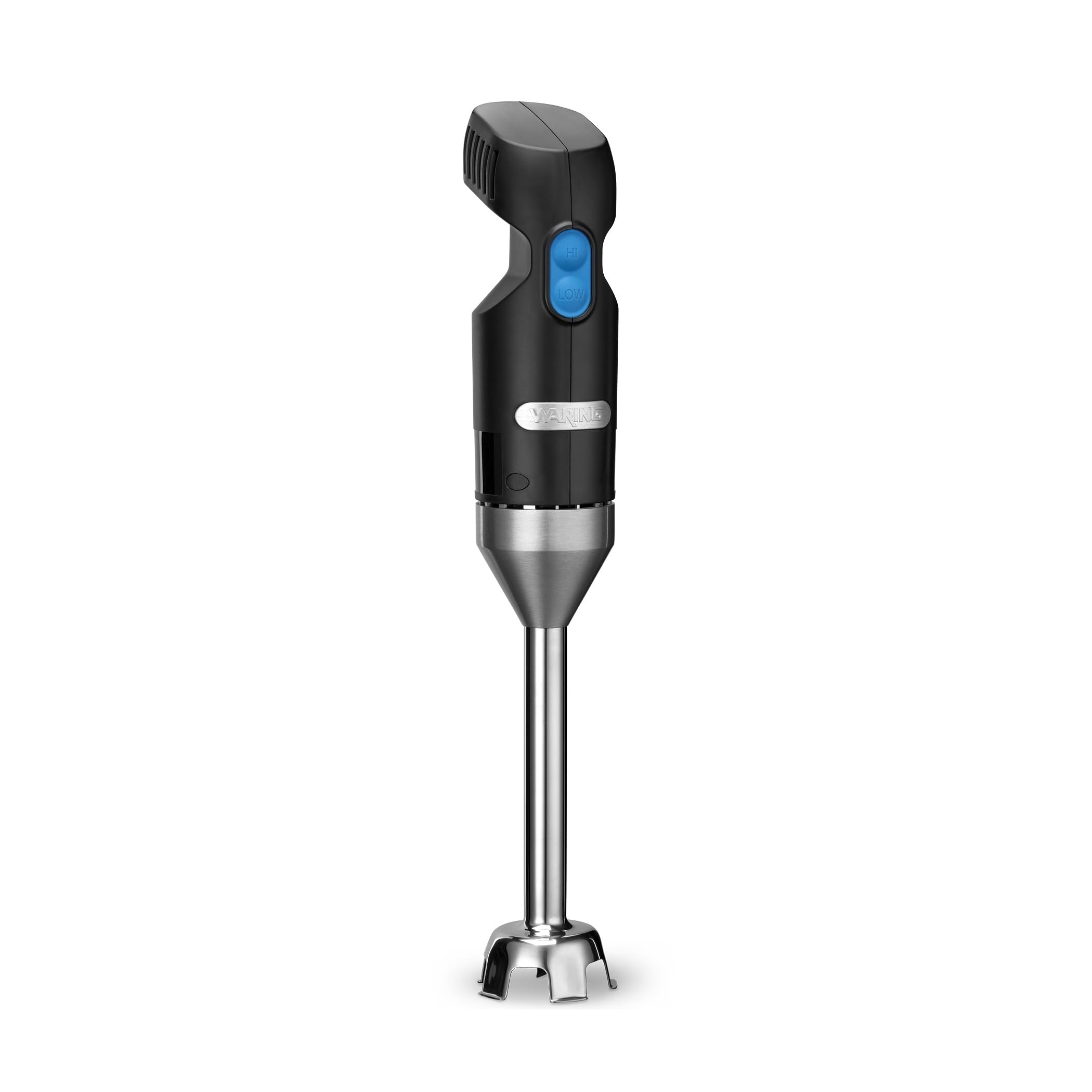
Waring Commercial WSB33X Immersion Blender
Commercial-grade motor designed for continuous use in restaurant environments
Buy on Amazon| Product | Price Range | Top Strength | Key Weakness | Buy |
|---|---|---|---|---|
| Breville Control Grip Immersion Blender best overall | $$ | Bell-shaped guard prevents splashing , practical for soups and sauces | More expensive than basic immersion blenders | Buy on Amazon |
| Bamix SwissLine Immersion Blender also consider | $$$ | Swiss-made motor runs at 12,000 RPM , significantly faster than most immersion blenders | Very expensive for an immersion blender | Buy on Amazon |
| Waring Commercial WSB33X Immersion Blender also consider | $$$ | Commercial-grade motor designed for continuous use in restaurant environments | Heavy and large , designed for commercial use, not home kitchen ergonomics | Buy on Amazon |
The phrase “Robot Coupe immersion blender” comes up constantly in home cook forums, and I understand the appeal. Robot Coupe makes serious commercial equipment, and the name has become shorthand for “professional-grade stick blender.” But if you’re shopping for home use, you’re almost certainly looking at the wrong brand. Robot Coupe’s immersion blenders are designed for commercial foodservice, priced accordingly, and sized for a restaurant pass, not a home countertop. What most people asking about Robot Coupe actually want is a powerful, reliable immersion blender that holds up to real cooking. There are better options for that, at every price point, and that’s what this guide covers.
Before we get into specific picks, you can browse the full Small Appliances section for related equipment reviews. For now, immersion blenders.
What to Look For
Motor Power and Speed Range
The number that matters most is RPM, not watts. Most consumer immersion blenders operate between 6,000 and 10,000 RPM. The Bamix SwissLine runs at 12,000 RPM, which is a meaningful difference when you’re emulsifying a vinaigrette or pureeing a fibrous vegetable soup. More speed options matter too, but only if the motor can actually sustain them. A blender with 15 speed settings backed by an underpowered motor is just theater.
Shaft Length and Material
If you make soup in a large stockpot, shaft length matters. Most consumer models run 7 to 8 inches. Stainless steel is the only reasonable choice for cooking applications. Plastic-tipped shafts degrade with hot liquids over time, and you’ll notice it within a year of regular use.
Splash Control
An immersion blender that throws hot soup across your stovetop is not a minor inconvenience. Bell-shaped or enclosed blade guards significantly reduce splash risk. If you primarily blend in deep containers, this is worth prioritizing over a higher wattage number.
Weight and Balance
Thirty seconds into blending a large batch of bisque, you will care about this. The Bamix SwissLine weighs 1.6 pounds. Some commercial-style units push toward 3.5 pounds. That’s a real difference if you’re holding the blender continuously for two to three minutes.
Cleanup
Dishwasher-safe detachable shafts are standard at mid-range pricing and above. If the shaft doesn’t detach, the blender is harder to clean and harder to store. This is a baseline requirement, not a bonus feature.
Top Picks
Breville Control Grip Immersion Blender
The Breville Control Grip Immersion Blender is my mid-range recommendation. It’s the blender I’d buy for someone who wants a serious upgrade from a basic model without committing to premium pricing.
The bell-shaped blade guard is the standout practical feature. If you’ve ever blended hot soup directly in a pot and ended up with tomato bisque on your shirt, you know exactly why this matters. The guard creates a seal against the bottom of the pot before the blade engages, and it works. Splash risk drops substantially compared to open-blade designs.
Fifteen speed settings with a turbo function gives you real control over texture. For a smoothie, you want sustained high speed. For a delicate herb sauce, you don’t. The range here is actually useful, unlike some units where all the middle settings feel identical.
The shaft detaches and is dishwasher safe. Straightforward.
Where I’d push back: this is a heavier unit. If you’re blending large batches regularly, arm fatigue is a real consideration. Compared to the KitchenAid 5-Speed Hand Blender, the Breville is slightly heavier but noticeably more powerful, and the splash guard is better designed. For most home cooks doing occasional to regular blending, that trade-off is reasonable. It sits at mid-range pricing, which is fair for what it delivers. Check current price on Amazon.
Bamix SwissLine Immersion Blender
The Bamix SwissLine Immersion Blender is the professional recommendation, and it’s the closest thing to Robot Coupe performance in a home-kitchen form factor.
The motor runs at 12,000 RPM. That’s roughly 20 to 30 percent faster than most consumer blenders, and you feel it immediately. Hot liquids blend smooth in less time. Fibrous greens don’t leave stringy bits. Cream whips properly. These aren’t small qualitative differences.
At 1.6 pounds, it’s also the most comfortable immersion blender in this group by a wide margin. Swiss-made motors have a different longevity track record than motors assembled for mass-market consumer appliances. I’ve seen Bamix units last fifteen-plus years in home kitchens with regular use. The Breville is a solid machine, but the Bamix is built to a different standard. (I realize “Swiss-made” can sound like marketing copy, but the motor engineering here is genuinely different from what you’ll find in a consumer-grade unit.)
The base model doesn’t include food processor or whisk attachments. If you want those, you’re looking at higher-tier Bamix configurations at additional cost.
This is one of the pricier options in this class, and I’d say plainly: if you blend a few times a month and mostly use it for quick soups, the Breville is probably sufficient. But if immersion blending is a regular part of how you cook, the Bamix’s longevity and ergonomics justify the premium over time. Check current price on Amazon.
Waring Commercial WSB33X Immersion Blender
The Waring Commercial WSB33X Immersion Blender is the closest thing to true Robot Coupe territory in this comparison, and I want to be direct about who should actually buy it.
The motor is designed for continuous commercial use. NSF certified. Stainless steel shaft. Built to run in a restaurant environment where someone is blending large batches multiple times a day. The splash management on hot liquids is excellent, which makes sense given the commercial application.
But this blender is heavy and large. It’s designed for a chef standing at a commercial range, not someone who cooks dinner four nights a week and wants to make a smooth butternut squash soup. Compared to the Bamix, the Waring is power-first and ergonomics-second. If your priority is maximum motor endurance and you’re processing very large volumes, the Waring has a case. For most home kitchens, including serious ones, the Bamix gives you equivalent practical performance in a significantly more comfortable package.
At premium pricing, it also costs roughly the same as the Bamix. Given that comparison, the Waring’s advantage only materializes if you genuinely need commercial durability at scale. My advice would be: unless you’re running a cottage food business or catering regularly out of a home kitchen, the Waring is overkill, and the Bamix serves you better. Check current price on Amazon.
How to Choose
The decision tree here is simpler than the product count suggests.
If you blend occasionally, perhaps once or twice a week, and your primary use is soups, sauces, and the occasional smoothie, the Breville Control Grip is the right call. It’s mid-range pricing, performs well above its price point, and the splash guard solves a real everyday problem.
If you blend regularly and care about long-term durability, or if you work with hot liquids frequently and want a motor that doesn’t slow down under load, buy the Bamix SwissLine. Yes, it’s one of the pricier options here. But an immersion blender you’re still using in twelve years is not a poor investment.
The Waring Commercial is a specific tool for a specific situation. Serious home cook who runs pop-ups, does large-scale preserving, or preps in quantities that would stress a consumer motor. That’s a narrow category.
A few other practical notes worth keeping in mind before you order. Shaft length matters more than most people realize before they actually own the blender. If you work in a deep stockpot, confirm the shaft reaches comfortably. Most of these units ship with 7 to 8 inch shafts, which covers standard pot depths, but it’s worth checking.
If you’re also thinking about other prep equipment, our review of mandoline slicer blades covers cutting tools that pair well with a serious blending setup for vegetable prep work.
For anyone building out a more complete small appliance collection, the broader kitchen appliances section has reviews organized by category and use case.
Frequently Asked Questions
Is a Robot Coupe immersion blender worth it for home use?
Almost certainly not. Robot Coupe immersion blenders are commercial foodservice equipment, priced and sized accordingly. The motor is designed for continuous high-volume use in a professional kitchen. For home use, you’d be paying for commercial durability you’ll never actually need, in a form factor that’s awkward for home pots and containers. The Bamix SwissLine and Waring Commercial both offer professional-grade motor performance in packages that are at least somewhat better suited to home kitchens.
What’s the difference between the Bamix SwissLine and a standard consumer immersion blender?
The primary difference is motor engineering and RPM. The Bamix runs at 12,000 RPM versus 6,000 to 10,000 for most consumer units. That translates to faster, smoother blending with hot liquids, cream, and fibrous vegetables. The Swiss motor also has a different longevity track record. Most consumer blenders are designed with a 3 to 5 year lifespan in mind. A Bamix, with normal use and basic care, should last considerably longer.
Can I use an immersion blender for hot liquids directly in the pot?
Yes, with appropriate precautions. Use a deep pot rather than a wide shallow pan. Keep the blade guard fully submerged before starting the motor. Move slowly and keep the blade near the bottom of the liquid. The bell-shaped guard on the Breville Control Grip and the commercial design of the Waring both specifically address splash risk with hot liquids. A cheap open-blade immersion blender and a pot of 200-degree soup is how people burn themselves.
How important are multiple speed settings on an immersion blender?
More important than they look on paper, but only if the motor is powerful enough to maintain distinct speeds under load. A wide speed range lets you do coarse rough chops at low speed and smooth emulsifications at high speed without switching equipment. The 15-speed range on the Breville is genuinely useful. That said, for most cooking tasks, you’ll find yourself using three or four settings regularly.
Is the Waring Commercial WSB33X too powerful for home kitchen use?
“Too powerful” isn’t quite the right frame. The issue is more that it’s designed for ergonomics and form factors that don’t translate well to home use. It’s heavy, large, and built to run continuously in a commercial pass. For a home cook, even a serious one, the weight and size become inconvenient in ways that the Bamix avoids. Unless you’re processing very large quantities regularly, the Waring’s commercial durability doesn’t offer a practical advantage over the Bamix at similar pricing.
Frequently Asked Questions
Can home cooks use a Robot Coupe immersion blender?
Technically yes, but it's not practical. Robot Coupe immersion blenders are commercial-grade equipment designed for restaurant volumes, priced at several hundred dollars, and sized for a commercial pass rather than a home countertop. For home use, the Breville Control Grip or Bamix SwissLine deliver comparable performance at a fraction of the cost.
What is the most important spec to look for in an immersion blender?
RPM matters more than watts. Most consumer immersion blenders run between 6,000 and 10,000 RPM. The Bamix SwissLine runs at 12,000 RPM, which is meaningfully faster for emulsifying and pureeing fibrous ingredients. A high wattage rating with an underpowered motor is not useful.
What immersion blender is best for blending hot soup?
The Breville Control Grip is a strong choice because its bell-shaped blade guard significantly reduces splash risk when blending hot liquids directly in the pot. The Bamix SwissLine also handles hot liquids safely. Both are better options than commercial models that are too heavy for sustained home use.
Is the Bamix SwissLine worth the high price?
For cooks who use an immersion blender frequently and need consistent power for emulsification, vinaigrettes, and dense soups, yes. The 12,000 RPM motor outperforms most consumer models, and Swiss build quality means the unit holds up over years of regular use. It's overkill for occasional blending.
How long of a shaft do I need for an immersion blender?
Most consumer models have 7–8 inch shafts, which is adequate for pots up to a standard stockpot depth. If you regularly work in large pots or commercial equipment, look for models with 10–12 inch shafts. For typical home use, the standard 7–8 inch shaft is sufficient.
Where to Buy
Breville Control Grip Immersion BlenderSee Breville Control Grip Immersion Blender on Amazon