Santoku Knife Sets: A Buyer's Guide

Affiliate disclosure: Some links on this page are affiliate links. If you buy through them we earn a small commission at no extra cost to you. Recommendations are research-driven; we don't claim personal use of every product reviewed. Product prices and availability are accurate as of the date published and are subject to change. Always check Amazon for current pricing before purchasing. Learn more.
Quick Picks
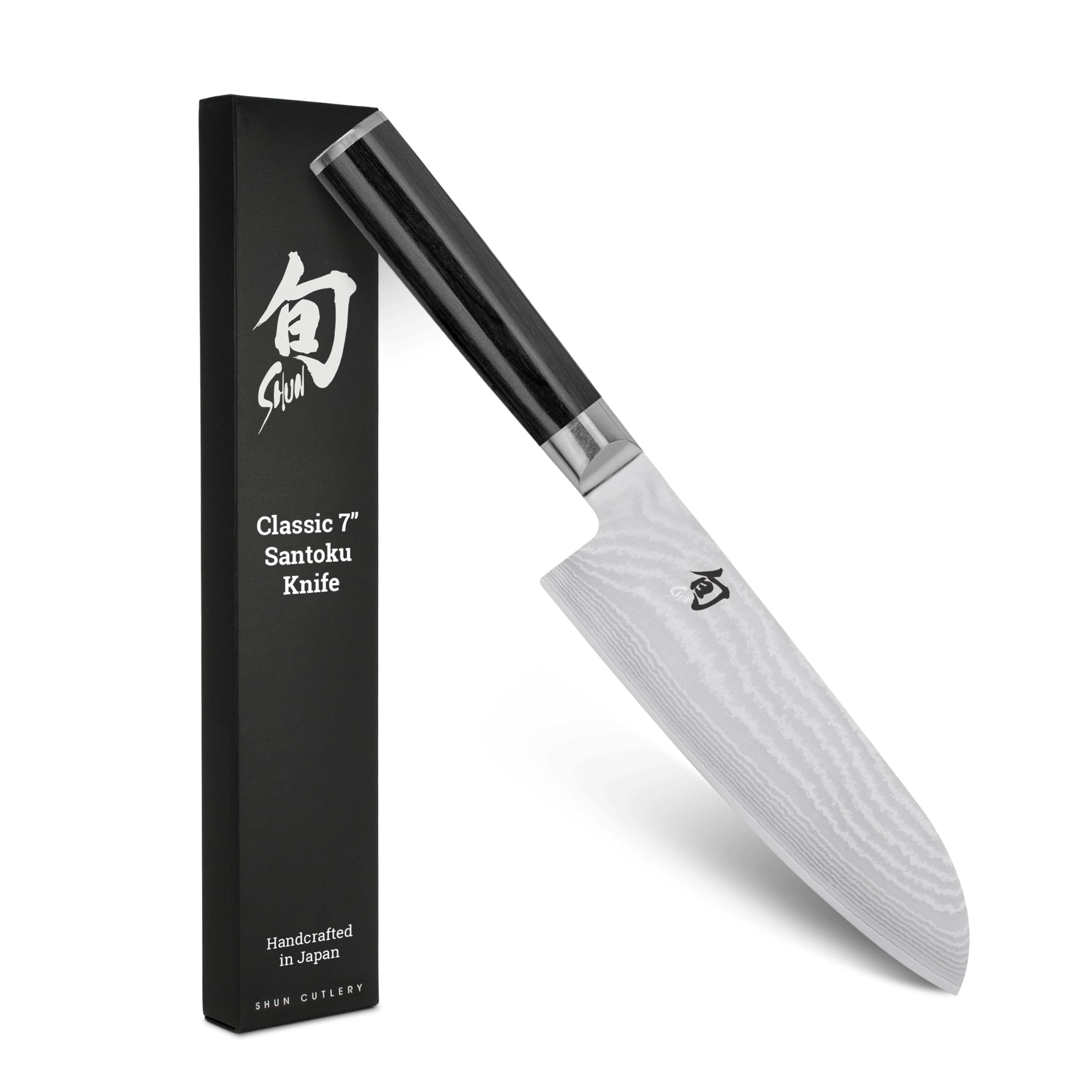
Shun Classic 7-Inch Santoku
VG-MAX Damascus steel , same exceptional sharpness as the chef's knife
Buy on Amazon
Wüsthof Classic 7-Inch Santoku
German steel in a Japanese blade shape , great of the best of both traditions
Buy on Amazon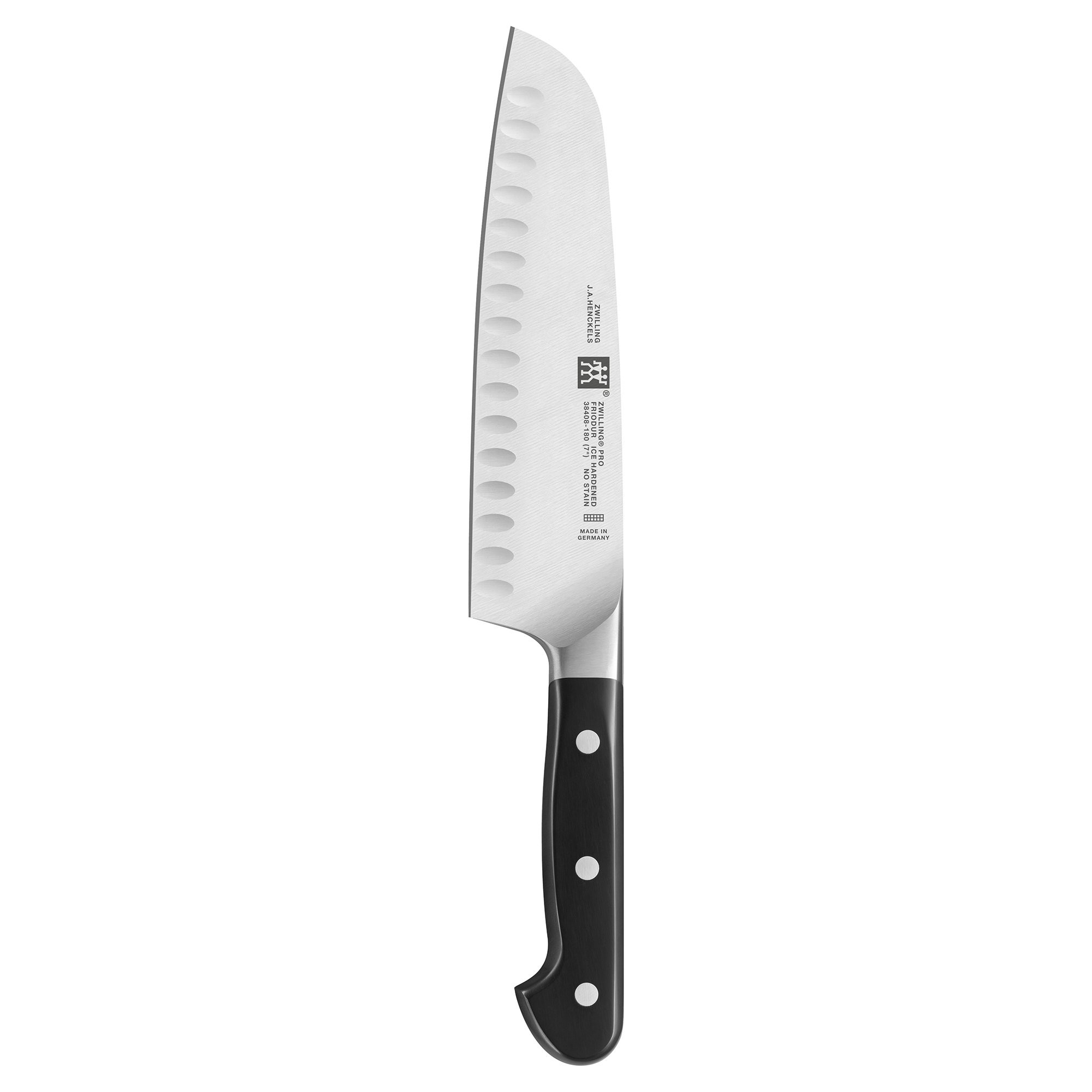
Zwilling J.A. Henckels Zwilling Pro 7-Inch Santoku
German steel in santoku form , more forgiving than Japanese steel for daily use
Buy on Amazon| Product | Price Range | Top Strength | Key Weakness | Buy |
|---|---|---|---|---|
| Shun Classic 7-Inch Santoku best overall | $$$ | VG-MAX Damascus steel , same exceptional sharpness as the chef's knife | Hollow-ground edge requires whetstone maintenance , not for casual sharpeners | Buy on Amazon |
| Wüsthof Classic 7-Inch Santoku also consider | $$$ | German steel in a Japanese blade shape , great of the best of both traditions | German steel is softer than Japanese , needs more frequent honing | Buy on Amazon |
| Zwilling J.A. Henckels Zwilling Pro 7-Inch Santoku also consider | $$$ | German steel in santoku form , more forgiving than Japanese steel for daily use | German steel not as hard as Japanese alternatives , needs more frequent honing | Buy on Amazon |
| Yoshihiro Kurouchi Black-Forged Blue Steel Santoku Knife 6.5" also consider | $$$ | Blue | High-carbon steel requires oiling and drying after each use to prevent rust | Buy on Amazon |
| MAC Professional 8-Inch Chef's Knife also consider | $$ | Thin Japanese blade profile with a Western-style handle , best of both | Less name recognition than Shun or Wüsthof , harder to buy as a gift | Buy on Amazon |
A santoku knife set is one of those purchases where the gap between a well-chosen option and a poorly-chosen one shows up every single day. Not in some dramatic way. Just in the small, cumulative friction of a blade that doesn’t release food cleanly, or a handle that sits wrong after twenty minutes of vegetable prep, or a knife that was sharp out of the box and is now noticeably not. If you’ve ever grabbed your chef’s knife for a pile of carrots and found yourself working harder than the task should require, that’s the problem a good santoku solves.
Before getting into specific picks, a note on category: the santoku is a Japanese-origin blade, shorter and flatter than a Western chef’s knife, with a sheepsfoot tip instead of a pointed curve. It excels at the push-cut motions used in Japanese cooking and handles vegetables, fish, and boneless protein cleanly. What it is not built for is hard squash, bones, or anything that requires a rocking motion. If you want a full picture of how santokus sit within the broader category, the Knives & Sharpeners hub has useful context on blade geometry and use cases.
What to Look For
Steel Type: Japanese vs. German
This is the central trade-off in any santoku purchase, and it is worth being direct about it.
Japanese steel (typically 60 HRC and above) holds a sharper, thinner edge. It cuts with less effort and produces cleaner slices through delicate ingredients. The trade-off is brittleness. High-hardness steel chips more easily if you torque the blade, use it on hard foods, or sharpen it carelessly. You are committing to whetstone maintenance and some degree of care.
German steel (typically 56-58 HRC) is softer and more forgiving. It will tolerate rougher use, accepts honing with a standard steel rod, and is harder to chip. The trade-off is that it dulls faster and won’t achieve the same initial sharpness as a harder Japanese blade.
Neither is objectively better. They suit different cooks and different kitchens.
Blade Length
Most santokus run 6.5 to 7 inches. The 7-inch is the standard for most adult hands and most prep volumes. A 5-inch santoku knife exists and serves a specific purpose, primarily smaller hands or particularly fine work, but for general kitchen use the 7-inch is the right default.
Handle Fit and Balance
A santoku is typically lighter than a chef’s knife of comparable quality, which is part of the appeal for extended prep sessions. That said, balance varies meaningfully by manufacturer. Some cooks prefer blade-forward balance for push-cutting; others want a handle-neutral feel. Buy from somewhere with a return policy if you can’t handle it first.
Maintenance Commitment
Be honest with yourself here. If you own a honing steel and use it regularly, and you are willing to learn whetstone sharpening or pay for professional sharpening once or twice a year, Japanese steel is worth it. If that sounds like more than you want to manage, German steel will serve you well and complain less.
Top Picks
Shun Classic 7-Inch Santoku
The Shun Classic is the most frequently recommended Japanese santoku for a reason. VG-MAX core steel with Damascus cladding gets to 61 HRC, which is meaningfully harder than German alternatives. The edge is thin, precise, and stays that way longer than the Wüsthof Classic santoku will under equivalent use. The hollow-ground blade reduces drag when slicing through cucumbers, daikon, or a pile of shallots, which is the kind of detail that sounds minor until you’ve used a blade with it and then gone back to one without.
At premium pricing, this is not an impulse buy. Check current pricing on Amazon. The sharpness-to-cost ratio is defensible if you will actually maintain it. That means whetstones, not pull-through sharpeners. At 61 HRC, a pull-through sharpener will damage the edge more than help it. If you’re not prepared for that, this is not your knife.
Hard limit: no frozen food, no hard squash, no bones. The brittleness is real.
Wüsthof Classic 7-Inch Santoku
Wüsthof took their forged German steel and put it in a santoku shape. The result is a knife that handles like a santoku but tolerates use like a Western blade. German steel in the 56-58 HRC range means you can hone it with a standard rod and sharpen it without specialty equipment. The Granton hollow edge reduces sticking, and full tang construction gives it the balanced, substantial feel that Wüsthof is known for.
Compared to the Shun, the Wüsthof Classic santoku will not achieve the same initial edge sharpness and will need more frequent honing. In return, it is more forgiving of imprecise technique, harder to chip, and accessible to anyone who already owns and uses a honing steel. If you’re coming from years with the Wüsthof Classic chef’s knife and want a santoku in the same family, this is the logical move. Also at premium pricing, check Amazon for current cost.
The “German take on a Japanese shape” criticism from santoku purists is fair but not particularly useful unless you are a santoku purist. Most home cooks are not.
Zwilling Pro 7-Inch Santoku
Zwilling’s Pro line uses Friodur ice-hardened steel, which improves edge retention compared to standard German steel. The distinctive curved bolster is designed to encourage a pinch grip, which is the correct grip for this type of blade and a reasonable thing to build in by default.
The curved bolster is also the main practical complaint with this knife. If you sharpen on a flat whetstone, the bolster makes full-blade sharpening awkward. You end up working around it, which is annoying enough that it’s worth knowing about before you buy. Also premium pricing, check Amazon. For buyers already in the Zwilling ecosystem, or who have reviewed the Zwilling J.A. Henckels chef knife and want to stay with the brand, this is a solid santoku companion. For everyone else, the Wüsthof Classic santoku is the more straightforward German-steel option.
Yoshihiro Kurouchi Black-Forged Blue Steel Santoku 6.5”
Blue #2 steel, hand-forged in Japan, with a kurouchi finish that leaves the spine and upper blade in raw blacksmith condition. This is a working knife from a serious manufacturer, and it is not for everyone. (I want to be direct about that, not to gatekeep, but because the maintenance requirements are non-negotiable.)
High-carbon reactive steel rusts. Not theoretically, but actually, if you leave it wet, store it in a damp drawer, or put it through a dishwasher. The routine is: wipe dry immediately after use, apply a light coat of food-safe oil periodically, store properly. If that sounds tedious, it is not the knife for you. If you already maintain carbon steel cookware or have other carbon steel knives, you know the drill.
What you get in return is an edge quality that the stainless options in this category cannot match. The blue steel core takes and holds an acute edge. It is also harder to sharpen without proper Japanese whetstones, which is an additional equipment cost to factor in. Premium pricing, verify on Amazon. For serious enthusiasts only, with full awareness of what that means.
MAC Professional 8-Inch Chef’s Knife
Technically a chef’s knife and not a santoku, but it belongs in this comparison because it is what many buyers in this category actually need. The MAC Professional uses a thin Japanese-profile blade with a Western-style handle. It sits around mid-range pricing relative to the premium options above, checks Amazon for current cost, and is what a large number of professional chefs reach for over more expensive alternatives.
If you’ve read my thoughts on the MAC Professional Series chef’s knife elsewhere on the site, you already know my position. It sharpens more easily than harder Japanese steel, stays sharper longer than German steel, and at 5.8 oz produces less hand fatigue than heavier Western blades. The thinner blade is not suited for heavy-duty tasks like breaking down a whole chicken, but that was also true of every santoku in this article.
The lack of brand recognition is a real practical drawback if you’re buying as a gift. For yourself, it’s irrelevant.
How to Choose
If you want the best Japanese santoku and will maintain it properly: the Shun Classic 7-Inch Santoku is the pick. Sharper, harder, requires more care.
If you want santoku form with German steel convenience: the Wüsthof Classic 7-Inch Santoku is the cleaner choice between the two German options. The Zwilling Pro is also worth considering if the brand or the pinch-grip bolster design appeals to you, and if you plan to use a sharpening service rather than flat stones.
If you are a carbon steel cook who wants a premium hand-forged Japanese knife: the Yoshihiro Kurouchi is outstanding, with eyes open about maintenance.
If the premium price point on the Japanese and German knives is more than the use case justifies, and you are open to a chef’s knife rather than a santoku specifically: the MAC Professional is the informed buyer’s move at mid-range pricing.
One practical note before buying: if you’re considering multiple knives or building out a broader kit, a quality knife bag for chefs is worth factoring into the budget. Good blades stored loosely in a drawer collect edge damage faster than most people expect.
For additional reading on how these options relate to the broader knife category, the Knives & Sharpeners hub covers sharpening equipment, blade types, and maintenance guides.
Frequently Asked Questions
Is a santoku knife better than a chef’s knife?
Neither is objectively better. A santoku is shorter, lighter, and excels at push-cutting vegetables, fish, and boneless protein. A chef’s knife handles a wider range of tasks, including rocking cuts and heavier work like breaking down poultry. Many serious cooks own both and reach for whichever fits the task.
Can I sharpen a santoku knife with a standard pull-through sharpener?
For German-steel santokus like the Wüsthof Classic or Zwilling Pro, a quality pull-through sharpener can maintain the edge between proper sharpenings, though whetstones will produce better results. For harder Japanese steel like the Shun Classic (61 HRC) or the Yoshihiro Blue Steel, pull-through sharpeners are not recommended. They remove too much material and can damage the thin edge geometry. Use whetstones or a professional sharpening service.
What is the difference between a hollow-ground edge and a Granton edge?
Hollow-ground refers to the edge geometry, where the blade is slightly concave behind the cutting edge to reduce friction. Granton refers to the oval dimples scalloped along the flat of the blade, designed to create air pockets that prevent food from sticking. Both features appear on santoku knives, sometimes together. The Shun Classic uses hollow-grinding. The Wüsthof Classic santoku uses a Granton edge. Both reduce the tendency of soft foods to stick to the blade on the slice.
How often does a santoku knife need sharpening?
For home cooks doing daily prep, a German-steel santoku typically needs honing every few uses and proper sharpening two to four times a year. A Japanese-steel santoku like the Shun holds its edge longer between sharpenings but requires whetstone technique rather than a honing rod when the time comes. A carbon steel knife like the Yoshihiro can be touched up frequently with a finishing stone because the steel responds readily, but reactive steel demands more immediate care after each use.
Is a santoku knife set worth buying, or is a single knife better value?
For most home cooks, a single high-quality 7-inch santoku outperforms a budget set containing three or four mediocre blades. Sets can offer value if they include knives you will actually use, but verify what’s in the set before assuming a lower per-knife cost justifies the purchase. A single well-maintained blade from Shun, Wüsthof, or MAC will serve most prep needs more reliably than four blades that won’t hold an edge past the first month.
Frequently Asked Questions
What is a santoku knife best used for?
A santoku excels at the push-cut motions used for vegetables, fish, and boneless protein. Its flatter blade profile and sheepsfoot tip make it ideal for precise slicing and chopping. It is not the right tool for hard squash, bones, or tasks that require a rocking cut motion.
What is the difference between Japanese and German steel in a santoku?
Japanese steel like VG-MAX or Blue Steel is harder (58–63 HRC), holds a sharper edge longer, but is more brittle and chips more easily on hard foods. German steel like that used in Wüsthof and Zwilling is softer, more durable, and more forgiving of imperfect technique, but needs more frequent honing to maintain its edge.
Is the Shun Classic santoku a good choice for everyday use?
Yes, with the right maintenance habits. The Shun Classic's VG-MAX Damascus steel holds a razor-sharp edge and the hollow-ground blade reduces drag on vegetables. However, the hard steel requires whetstone sharpening when it does dull — pull-through sharpeners and many electric sharpeners are too aggressive for the thin edge geometry.
How is a santoku different from a chef's knife?
A santoku is shorter (typically 5–7 inches), has a flatter blade with a sheepsfoot tip instead of a pointed curve, and is designed for push-cut technique rather than the rocking motion of a Western chef's knife. It's lighter and more maneuverable for fine vegetable work, but lacks the tip for detail work and the weight for hard produce.
Does the Yoshihiro Kurouchi santoku require special care?
Yes. High-carbon steel knives like the Yoshihiro Kurouchi require drying immediately after washing and occasional oiling to prevent rust. Unlike stainless steel, high-carbon steel is reactive and will rust if left wet. In return, it achieves and holds a sharper edge than most stainless knives.
Where to Buy
Shun Classic 7-Inch SantokuSee Shun Classic 7-Inch Santoku on Amazon