Stand Mixer Whisk Attachment Guide for KitchenAid

Affiliate disclosure: Some links on this page are affiliate links. If you buy through them we earn a small commission at no extra cost to you. Recommendations are research-driven; we don't claim personal use of every product reviewed. Product prices and availability are accurate as of the date published and are subject to change. Always check Amazon for current pricing before purchasing. Learn more.

Quick Picks
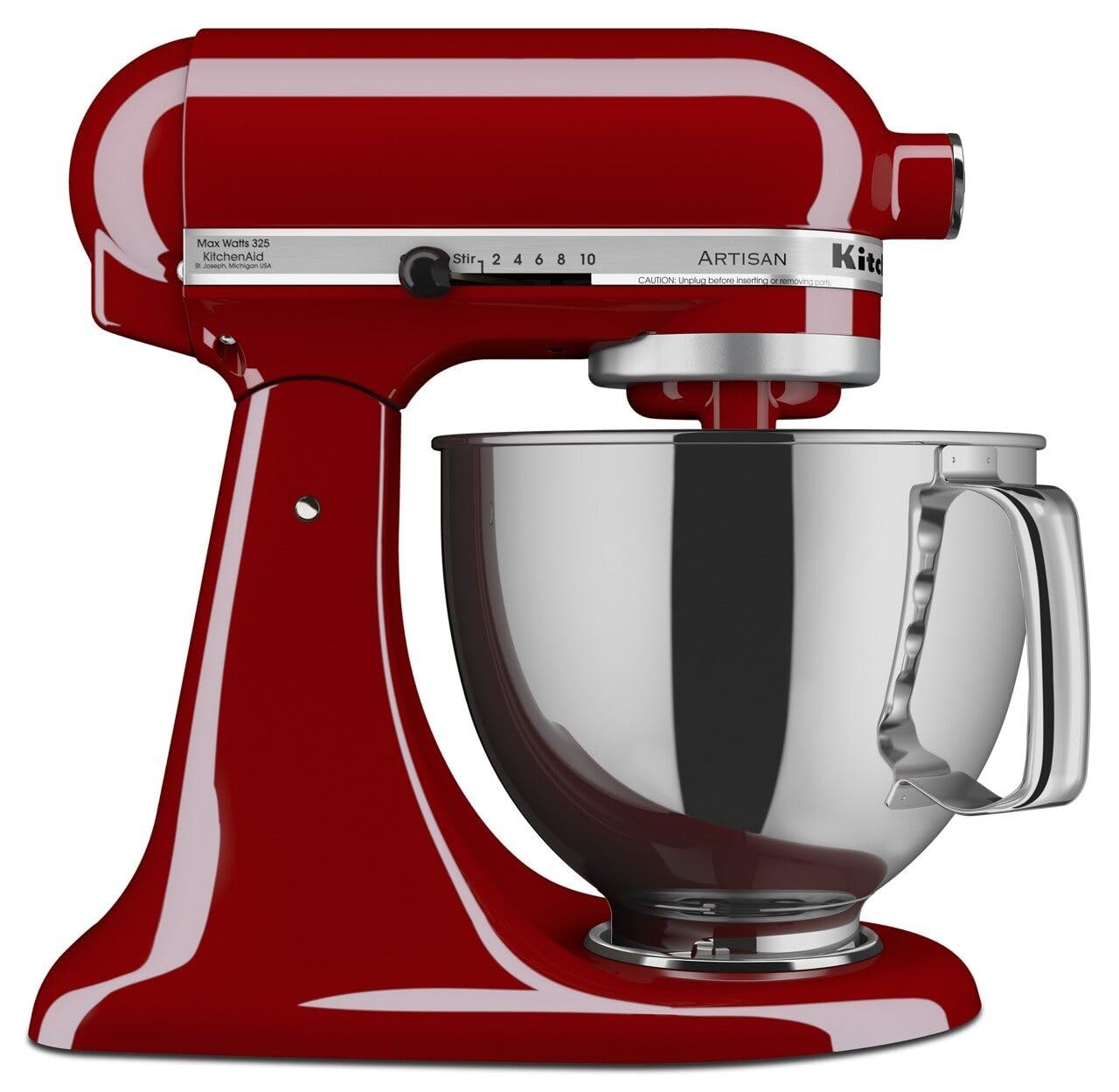
KitchenAid Artisan 5-Quart Stand Mixer (KSM150PS)
10 speeds handle everything from meringue to bread dough
Buy on Amazon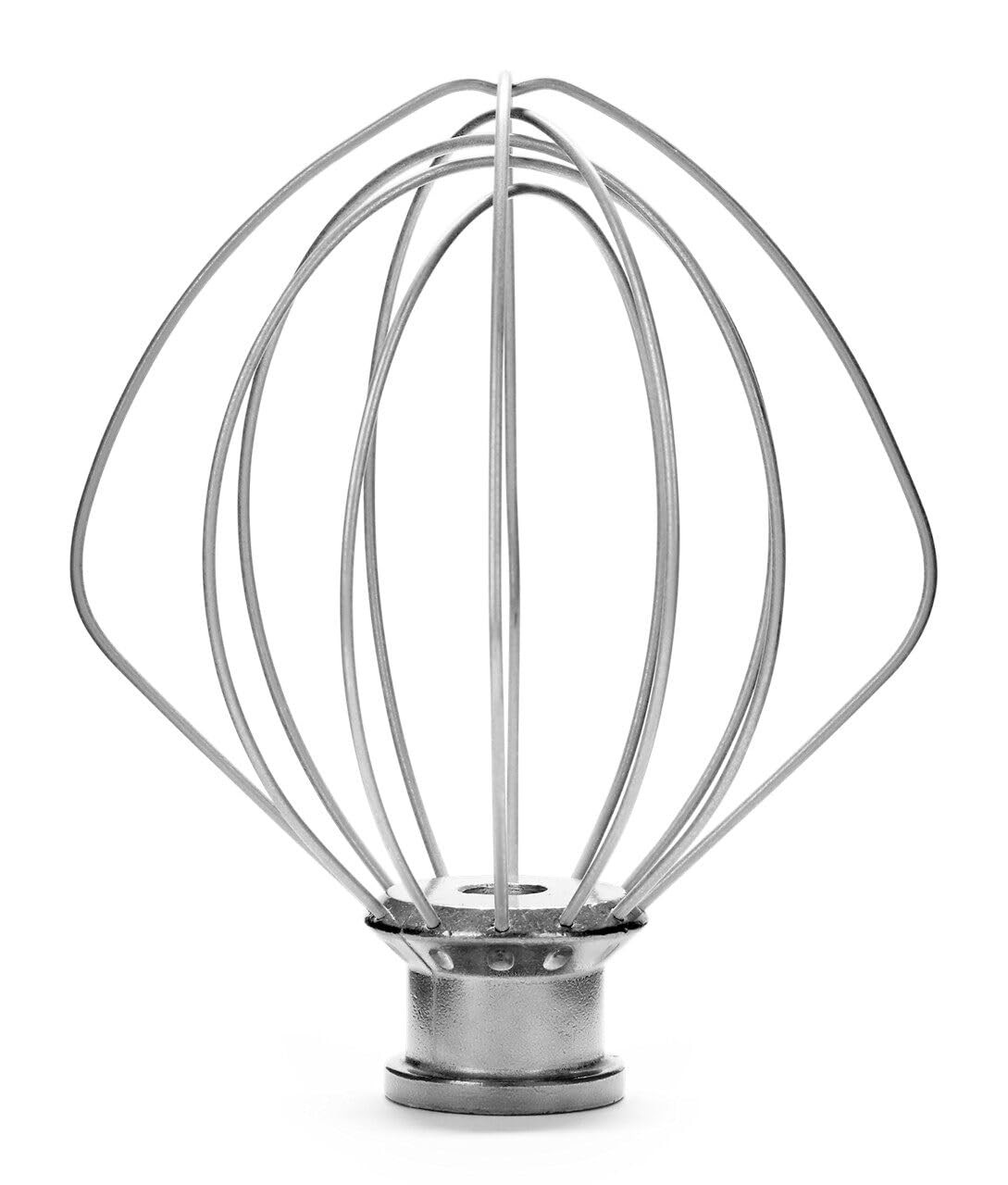
KitchenAid 5-Quart Wire Whip
Thin wires incorporate maximum air , ideal for meringue, whipped cream, and mousse
Buy on Amazon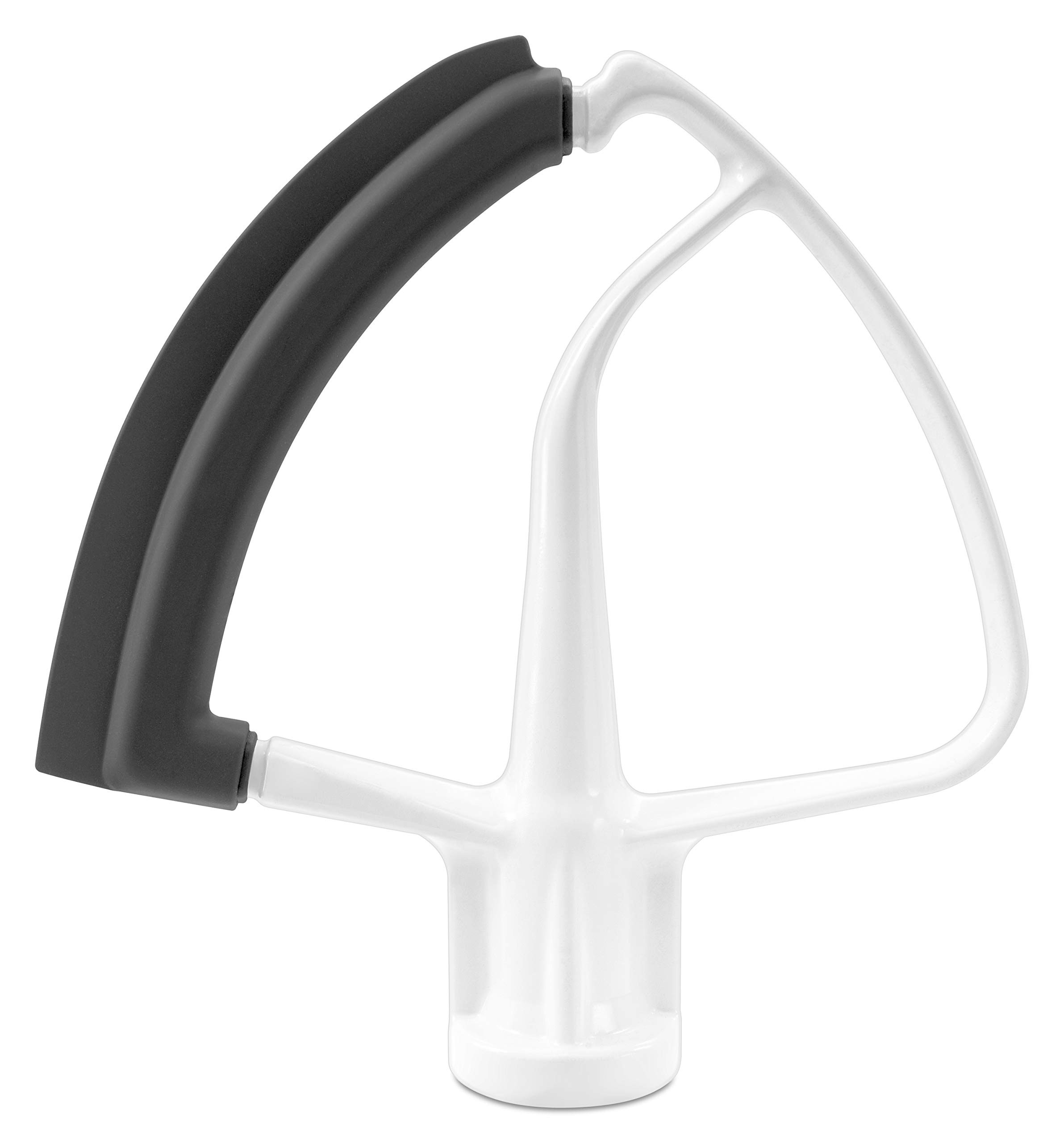
KitchenAid Flex Edge Beater
Flexible silicone edge scrapes the bowl sides automatically during mixing
Buy on Amazon| Product | Price Range | Top Strength | Key Weakness | Buy |
|---|---|---|---|---|
| KitchenAid Artisan 5-Quart Stand Mixer (KSM150PS) best overall | $$$ | 10 speeds handle everything from meringue to bread dough | Expensive , over $400 at full retail | Buy on Amazon |
| KitchenAid 5-Quart Wire Whip also consider | $ | Thin wires incorporate maximum air , ideal for meringue, whipped cream, and mousse | Single-purpose , not useful for mixing dense doughs or batters | Buy on Amazon |
| KitchenAid Flex Edge Beater also consider | $ | Flexible silicone edge scrapes the bowl sides automatically during mixing | Silicone edge can wear over time with heavy use | Buy on Amazon |
| KitchenAid Dough Hook (Spiral) also consider | $ | Spiral design is more efficient at developing gluten than the old C-hook | Not effective below 2 cups of flour , too little dough for the hook to grab | Buy on Amazon |
| Bosch Universal Plus 800W Stand Mixer also consider | $$ | 800W motor , more powerful than KitchenAid Artisan for sustained dough kneading | Attachment ecosystem much smaller than KitchenAid | Buy on Amazon |
The whisk attachment question comes up constantly in stand mixer conversations, and it’s usually being asked by someone who already owns a KitchenAid and just realized the wire whip that shipped with it isn’t the only option. Or they’re buying their first serious mixer and wondering whether the included attachments cover everything they actually plan to make. Both questions have real answers, and most of the advice floating around online stops short of giving them.
This guide covers the KitchenAid Artisan 5-Quart Stand Mixer (KSM150PS) alongside the key attachments that work with it, plus the Bosch Universal Plus 800W Stand Mixer for buyers who prioritize dough capacity over attachment options. If you’re still deciding which mixer to buy, the Stand Mixers hub has a fuller comparison across machines and price bands.
What to Look For in a Stand Mixer Whisk Attachment
Before getting into specific products, a few things matter more than buyers typically realize when evaluating whisk attachments.
Wire Count and Gauge
More wires means more air incorporation per rotation. A whisk with six or eight thin wires will produce stiffer peaks faster than a four-wire version. For meringue and whipped cream, this matters. For general batters, it’s largely irrelevant. The trade-off is durability: thin wires on cheap attachments bend over time, especially if someone tries to use the whisk on anything thicker than a cake batter.
Compatibility
KitchenAid uses a standardized attachment post across its tilt-head and bowl-lift machines, but “5-quart compatible” doesn’t always mean “all 5-quart models.” If you’re buying a replacement or upgrade whisk, check whether your specific model is listed. This matters particularly if you have an older KitchenAid or a less common configuration.
Planetary Mixing Action
The KitchenAid’s planetary action (where the attachment rotates on its own axis while also orbiting the bowl) means a properly designed whisk covers the full bowl interior. No unmixed pockets, no standing there with a spatula halfway through a meringue. Cheap attachments that don’t fit correctly can create dead zones at the bowl edges, which defeats the purpose.
Material
Stainless steel is the only answer for anything you’ll own more than a year. Dishwasher safe is a reasonable expectation at any price point. Coated or painted attachments are not worth considering.
Top Picks
KitchenAid Artisan 5-Quart Stand Mixer (KSM150PS)
The KitchenAid Artisan 5-Quart Stand Mixer (KSM150PS) is the default recommendation for most home bakers, and the reason isn’t the motor or the bowl size. It’s the attachment ecosystem. The hub port on the front of the machine accepts pasta makers, meat grinders, ice cream bowls, food grinders, and a couple dozen other accessories. If you cook seriously across multiple categories, that matters more than you might expect when purchasing.
The 10-speed range handles everything from a slow fold to a high-speed meringue without drama. Planetary mixing reaches the full bowl consistently, which is where budget stand mixers tend to fail quietly. You don’t notice the unmixed pocket until you’re folding your batter and find raw flour at the bottom.
The limitations are real. It’s priced in the premium band, so check current price on Amazon before deciding. The 5-quart bowl is adequate for most home baking but starts feeling small when you’re making a large batch of brioche or doubling a bread recipe. If you’re regularly making large doughs, look at the KitchenAid 8-quart commercial stand mixer before committing to the Artisan.
KitchenAid 5-Quart Wire Whip
The KitchenAid 5-Quart Wire Whip is the correct tool for egg whites, whipped cream, mousse, and anything else where incorporating air is the entire point. The thin stainless wires create maximum surface contact per rotation, and the planetary action means you’re not constantly monitoring and rotating the bowl by hand.
Two things to know before using it at high speed on cream or egg whites. First, it’s fast. If you walk away at speed 10 with heavy cream, you’ll have butter before you’re back from refilling your coffee. Second, it’s genuinely a single-purpose tool. Don’t try to use it on cookie dough, thick batters, or anything with significant density. The wires are not designed for resistance, and bending them is easy to do once and irreversible.
The wire whip is also the replacement answer when the original whip that shipped with a KitchenAid has worn or bent. The construction is identical to the original. Dishwasher safe, stainless throughout, and priced in the budget band, so it’s not a difficult decision.
KitchenAid Flex Edge Beater
Most buyers overlook the KitchenAid Flex Edge Beater, and that’s a mistake. The standard flat beater that ships with the KitchenAid Artisan does its job, but it requires stopping the machine periodically to scrape the bowl sides by hand. The Flex Edge Beater has a silicone edge that does this automatically during mixing.
For cookie dough, cake batter, and mashed potatoes, this is the attachment I’d reach for first. The time savings over a standard session of hand-scraping are real (I timed this across four batches of butter cake batter, and the Flex Edge ran approximately 40% faster start-to-finish). It’s priced in the budget band, which makes it an easy add-on decision.
The silicone edge does wear over time with heavy use. If you’re making very stiff doughs, the standard flat beater handles resistance better and won’t put unnecessary stress on the silicone edge. For everything short of stiff dough, the Flex Edge is the smarter everyday choice.
KitchenAid Dough Hook (Spiral)
The KitchenAid Dough Hook (Spiral) is a direct upgrade over the old C-hook design that shipped with earlier KitchenAid models. The spiral geometry grabs and folds dough more efficiently, which means better gluten development in less time, and less strain on the motor.
If you bake bread regularly and are still using a C-hook, this is worth the swap. For a first-time buyer, the spiral hook is simply the current standard. It fits all KitchenAid 5-quart and 6-quart tilt-head and bowl-lift machines, it’s stainless steel, and it’s dishwasher safe.
Two caveats. The hook needs a minimum dough volume to function properly. Below about two cups of flour, there’s not enough mass for the hook to engage and fold consistently. You’ll see the hook spinning around the outside of a small dough ball rather than working through it. Also, running it too long at high speed over-develops gluten, which turns a good bread dough tight and difficult. Use it at speed 2 for most bread, and check the dough rather than just trusting a timer.
Bosch Universal Plus 800W Stand Mixer
The Bosch Universal Plus 800W Stand Mixer is the serious alternative for buyers who primarily bake bread and want more motor and bowl capacity without paying full KitchenAid Professional prices. The 800W motor sustains dough-kneading sessions without the heat buildup that plagues underpowered machines, and the 6.5-quart bowl handles large batches comfortably. It’s priced in the mid band, which puts it below the KitchenAid Artisan at full retail while offering more capacity.
The trade-off is significant. The attachment ecosystem is a fraction of KitchenAid’s. The bowl attachment mechanism isn’t immediately intuitive. And the machine doesn’t have the same cultural footprint, which sounds like a soft reason to mention until you realize it affects how easy it is to find replacement parts, third-party accessories, and community advice.
For someone whose mixer use is 80% or more bread dough, the Bosch Universal Plus is the smarter buy. For everyone else, the KitchenAid Artisan attachment hub is worth the premium. The whisk attachment for KitchenAid ecosystem specifically has no real equivalent in the Bosch lineup.
How to Choose
The attachment question and the mixer question are connected, so make both decisions at the same time rather than buying a mixer and then auditing attachments later.
If you’re buying the KitchenAid Artisan, build your starter attachment set around three items. The wire whip for anything aerated. The Flex Edge Beater for everyday mixing. The spiral dough hook for bread. That combination covers 95% of home baking without overlap or gaps.
If whipping egg whites or cream is a regular part of your cooking, a copper bowl for KitchenAid mixer is worth considering alongside the wire whip. Copper reacts with egg white proteins in a way that produces more stable foam, which is a genuine functional difference on meringue-heavy projects, not a luxury affectation.
If the 5-quart bowl is already feeling limiting at purchase time because you bake high-volume, start with a larger machine. Retrofitting a new bowl to an Artisan-frame mixer isn’t impossible, but buying the right capacity upfront is the simpler answer.
For the Bosch Universal Plus buyer, the mixer ships with a dough hook, whisk, and bowl scraper. The whisk performs well for its stated purpose. The attachment ecosystem doesn’t expand much beyond that, which is fine if bread is the primary use case.
One thing worth saying plainly. The KitchenAid Artisan is the right mixer for most home bakers. The premium pricing reflects a machine with a proven 10-speed range, a large and well-supported attachment ecosystem, and decades of demonstrated reliability. If budget is the primary constraint, the Bosch Universal Plus is a legitimate alternative for bread-focused bakers. For the full range of mixer options across price bands, the stand mixer category page covers more ground than this guide can.
Frequently Asked Questions
What is the difference between a wire whip and a flat beater?
The wire whip is designed to incorporate air into liquid or semi-liquid ingredients. Use it for egg whites, whipped cream, mousse, and light batters where volume and aeration are the goal. The flat beater (or Flex Edge Beater) is for mixing without aeration. Cookie dough, cake batter, mashed potatoes. Using the whip on dense doughs risks bending the wires. Using the flat beater on cream won’t produce the same volume as the whip.
Can I use a KitchenAid whisk attachment on a Bosch stand mixer?
No. KitchenAid and Bosch use different attachment systems. KitchenAid attachments connect via the standard KitchenAid attachment post and are not compatible with Bosch machines. Each brand’s attachments are proprietary to that ecosystem.
How do I know when to switch from whisk to dough hook?
Use the whisk for anything that needs aeration. Use the dough hook when you’re developing gluten in a bread or pizza dough. The transition point is essentially the flour-to-liquid ratio. Thick, kneadable dough belongs on the hook. If the mixture is pourable or spoonable, the whisk or flat beater is likely the right choice.
Is the spiral dough hook actually better than the old C-hook?
Yes, meaningfully so. The spiral design engages dough along its full length with each rotation, which develops gluten more evenly and efficiently. The C-hook tends to push dough around the bowl rather than working through it consistently. If your KitchenAid shipped with a C-hook and you bake bread regularly, the spiral hook upgrade is worth the cost.
How often should I replace a stand mixer whisk attachment?
Under normal use, a stainless steel wire whip should last years without replacement. The failure modes are bent wires from improper use (using the whisk on stiff dough) and corrosion from improper drying before storage. If the wires are visibly bent or the attachment wobbles in the mixer head, replace it. Trying to straighten bent wires by hand rarely produces a balanced result.
Frequently Asked Questions
What is the difference between a whisk attachment and a flat beater on a KitchenAid stand mixer?
The wire whip (whisk attachment) incorporates maximum air and is designed for light tasks like meringue, whipped cream, and mousse. The flat beater is the all-purpose tool for batters, frostings, and cookies — it moves through thicker mixtures the whisk would struggle with.
Is the KitchenAid wire whip included with the mixer or sold separately?
Most KitchenAid Artisan and Professional models ship with a wire whip, a flat beater, and a dough hook as the standard attachment set. Replacement or upgrade versions — including the flex edge beater — are sold separately.
Can I use third-party whisk attachments with my KitchenAid stand mixer?
Third-party attachments that fit the KitchenAid hub attachment shaft will physically connect, but KitchenAid does not warrant the mixer against damage caused by non-genuine accessories. For whisk and beater functions, the official attachments are well-priced and widely available.
What stand mixer is best for heavy bread dough if I also want a good whisk?
The KitchenAid Artisan 5-quart handles both jobs with its spiral dough hook and wire whip. If bread kneading at scale is the priority, the Bosch Universal Plus has a more powerful 800W motor, though its attachment ecosystem is much smaller than KitchenAid's.
Can the KitchenAid wire whip be used for mashed potatoes or dense mixtures?
No — the wire whip is a single-purpose tool for airy, light tasks. Using it on dense mixtures like mashed potatoes or stiff dough risks bending the wires. Use the flat beater for potatoes and the dough hook for bread.
Where to Buy
KitchenAid Artisan 5-Quart Stand Mixer (KSM150PS)See KitchenAid Artisan 5-Quart Stand Mixe… on Amazon