Vitamix 750 Heritage Buyer's Guide: Top Models Compared

Affiliate disclosure: Some links on this page are affiliate links. If you buy through them we earn a small commission at no extra cost to you. Recommendations are research-driven; we don't claim personal use of every product reviewed. Product prices and availability are accurate as of the date published and are subject to change. Always check Amazon for current pricing before purchasing. Learn more.
Quick Picks
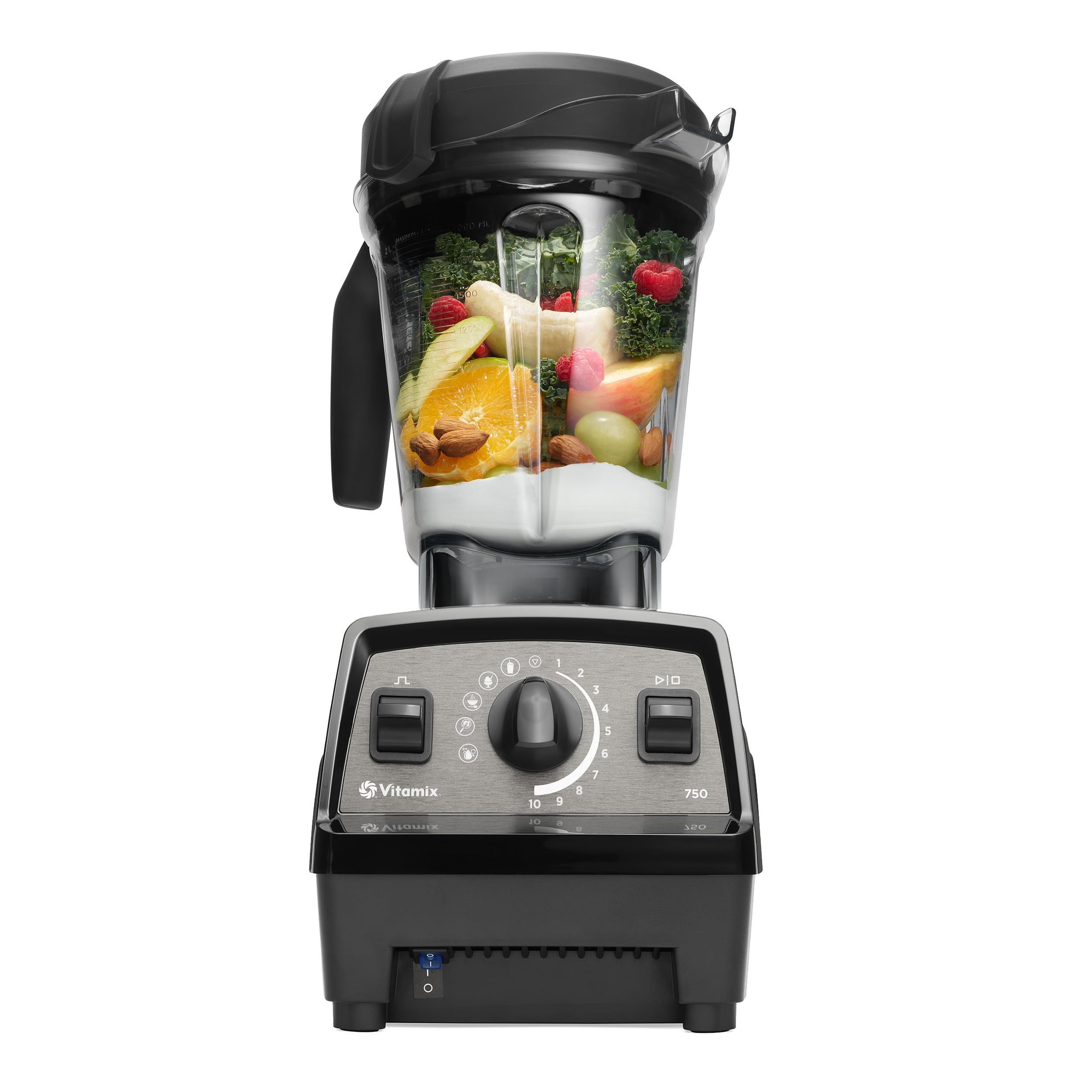
Vitamix Pro 750 Heritage Blender
Five pre-programmed settings for smoothies, hot soups, dips, frozen desserts, and self-cleaning
Buy on Amazon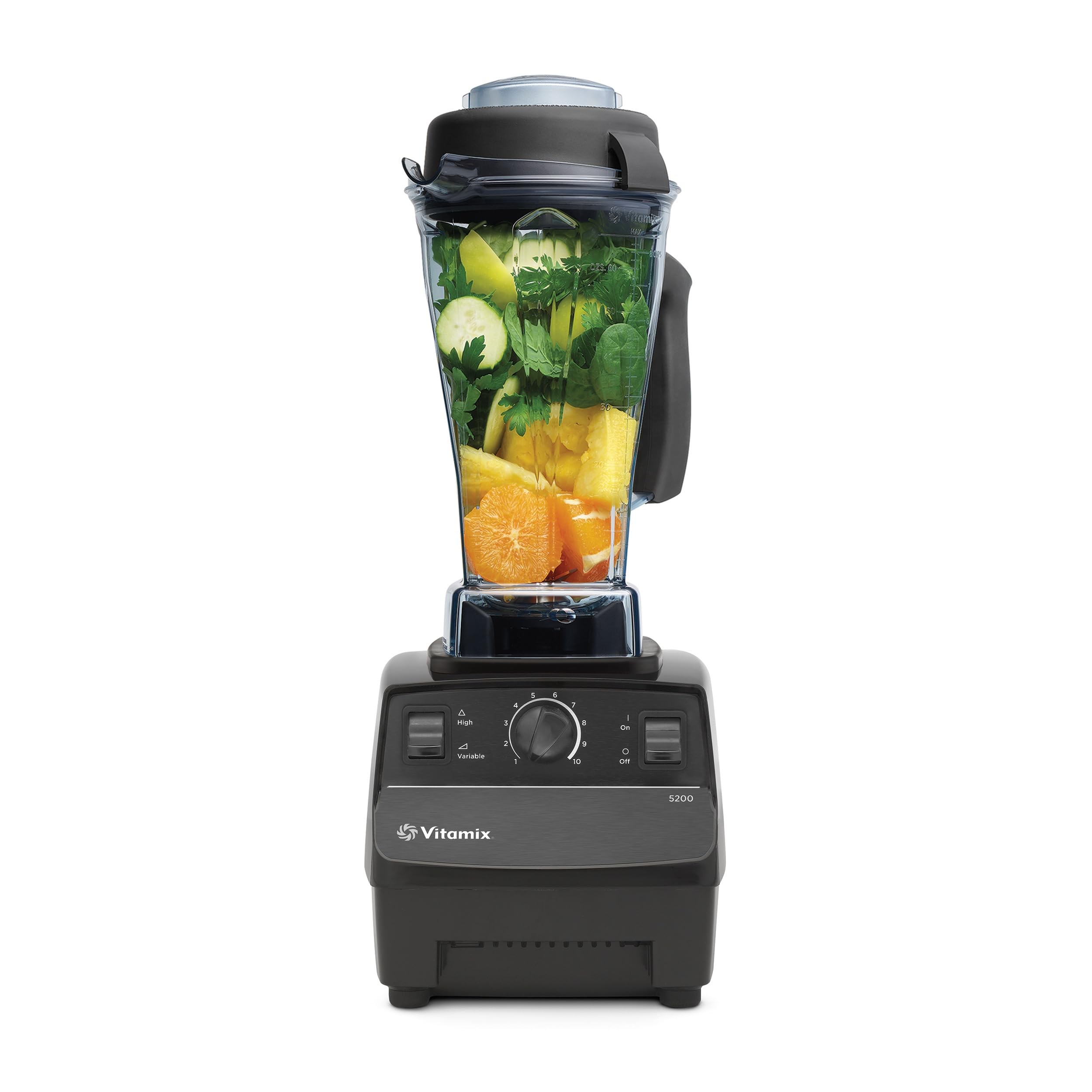
Vitamix 5200 Blender
2HP motor pulverizes nuts, ice, and fibrous vegetables completely
Buy on Amazon
Vitamix A3500 Ascent Series Blender
Built-in wireless connectivity detects container size and adjusts settings
Buy on Amazon| Product | Price Range | Top Strength | Key Weakness | Buy |
|---|---|---|---|---|
| Vitamix Pro 750 Heritage Blender best overall | $$$ | Five pre-programmed settings for smoothies, hot soups, dips, frozen desserts, and self-cleaning | Expensive , premium over the 5200 for pre-programmed settings most cooks set manually | Buy on Amazon |
| Vitamix 5200 Blender also consider | $$$ | 2HP motor pulverizes nuts, ice, and fibrous vegetables completely | Very expensive , over $400 at full retail | Buy on Amazon |
| Vitamix A3500 Ascent Series Blender also consider | $$$ | Built-in wireless connectivity detects container size and adjusts settings | Most expensive Vitamix model , tech upgrades add cost without proportionate performance gain | Buy on Amazon |
| Breville Super Q Blender also consider | $$$ | 1800W motor , more powerful than Vitamix 5200 on paper | Breville's blender reliability track record is shorter than Vitamix's | Buy on Amazon |
If you’ve landed on the Vitamix 750 Heritage, you’ve already done enough research to know that Vitamix makes the benchmark blenders in this category. The actual decision is narrower than it looks: which Vitamix, and whether a competitor like Breville has finally closed the gap enough to matter. This guide covers the four machines worth considering at this price level, gives you a direct recommendation, and doesn’t pretend the price difference between models is trivial.
All four blenders here sit in the premium price band. If you’re browsing the broader Small Appliances category hoping to find something comparable at half the cost, that machine doesn’t exist. What exists is a choice between spending premium money on the right machine or spending it on the wrong one.
What to Look For in a High-Performance Blender
Motor Power and Actual Performance
Spec sheets list wattage or horsepower, but the number that matters is what comes out of the container. The Vitamix Pro 750 Heritage Blender runs a 2.2HP motor. The Vitamix 5200 Blender runs 2HP. The Breville Super Q Blender specs at 1800W, which is roughly 2.4HP on paper. In practice, all three will pulverize frozen fruit, fibrous kale, and raw cashews into something genuinely smooth. The motor differences at this tier are largely theoretical unless you’re blending continuously for several minutes at a time.
Container Height and Cabinet Clearance
This is a physical constraint, not a preference. If you have standard upper cabinets with 18 inches of clearance above your counter, the 5200’s tall container will not fit. The Pro 750 and A3500 both use a lower-profile 64-ounce container that clears most standard cabinets. The 5200’s container is taller and holds a full 64 ounces, but you’ll be pulling it out from storage every time rather than leaving it on the counter. If you’ve ever reached for a blender and had to shuffle it out from a corner because it won’t sit under the cabinets, that problem doesn’t go away on its own.
Controls and Programmability
The 5200 uses a variable speed dial and a pulse switch. No touchscreen, no pre-programmed settings. The Pro 750 adds five pre-programmed settings (smoothies, hot soups, dips, frozen desserts, and self-cleaning) on top of the same dial. The Vitamix A3500 Ascent Series Blender replaces the dial entirely with a touchscreen and adds wireless container detection. Whether any of that improves your cooking depends entirely on how you actually use a blender.
Long-Term Reliability
Vitamix machines routinely last ten to fifteen years with regular use. The 5200 has been in production since 2007 and has a documented repair and refurbishment program. Breville makes strong appliances, and the Super Q carries a five-year motor warranty, but Breville doesn’t have the same depth of long-term reliability data in the blender category. That gap may narrow over time. Right now, Vitamix’s track record is longer.
Top Picks
Vitamix Pro 750 Heritage Blender: The Recommended Pick
The Vitamix Pro 750 Heritage Blender is the one I’d buy, and it’s the one I’d recommend to most cooks reading this.
The upgrade over the 5200 is real but specific. The 2.2HP motor is marginally more powerful. The low-profile container clears standard cabinets. The five pre-programmed settings run full blend cycles with automatic speed adjustment and shut-off. Whether those programs justify the price premium over the 5200 depends on a single question: do you want to press a button and walk away, or do you want to watch and adjust?
For most home cooking, the pre-programmed cycles work well. The smoothie setting produces consistent results. The hot soup cycle runs long enough to heat the contents through friction alone, which is genuinely useful and not a gimmick. The self-cleaning program saves the manual step of running the machine through cycles yourself. None of this is transformative. It’s convenience, and convenience at a premium price.
The low-profile container is the feature I value most. It holds slightly less than the standard tall container, which matters if you regularly make large batches. For two to four servings, the difference is irrelevant.
If you want more detail on the Pro 750 specifically, the Vitamix Pro 750 Heritage Blender review on this site goes deeper on the container and motor performance.
Check current price on Amazon.
Vitamix 5200 Blender: The Benchmark
The Vitamix 5200 Blender has been the reference point for high-performance blending for nearly two decades. The 2HP motor handles everything: ice, nuts, whole vegetables, frozen fruit, hot soups. The variable speed dial gives you precise control that a pre-programmed setting can’t replicate when you’re adjusting on the fly. Self-cleaning takes sixty seconds with warm water and a drop of dish soap.
The cabinet clearance problem is real. The tall container will not fit under standard uppers, and storing it separately adds friction to daily use. If that’s your kitchen situation, the 5200 is a harder recommendation.
At full retail, the 5200 sits at premium pricing. The longevity argument holds. A machine that lasts fifteen years at premium pricing amortizes to a reasonable annual cost. But you’re paying that premium upfront, and the Pro 750 costs more for additions that a focused manual cook may not use.
If you cook without a cabinet clearance problem and prefer direct manual control over automation, the 5200 is still a defensible choice. It’s not the pick I’d make in 2024 when the Pro 750 is the same brand and addresses the container issue, but the 5200 is not a consolation prize.
Vitamix A3500 Ascent Series Blender: For Smart Home Buyers Specifically
The Vitamix A3500 Ascent Series Blender is the most expensive Vitamix in this comparison. The touchscreen controls look cleaner than the dial. The wireless container detection adjusts settings based on which container you’ve attached. A programmable timer lets you set a specific blend duration.
The performance is identical to the Pro 750. The motor, the blade assembly, and the container options are the same category. What you’re paying for is the interface and the wireless connectivity.
The touchscreen is less useful than the dial for quick mid-blend adjustments. When you’re blending soup and want to bump the speed up slightly, turning a dial is faster than pressing a touchscreen. This is a specific complaint, and I recognize not everyone blends soup while reaching for a speed adjustment mid-cycle, but the variable dial is genuinely superior for interactive use.
If you’re building a connected kitchen and the Vitamix app integration is something you’ll actually use, the A3500 is the machine for you. For anyone else, the Pro 750 gives you the same performance for less money.
Check current price on Amazon.
Breville Super Q Blender: Quieter, but a Shorter Track Record
The Breville Super Q Blender is the serious alternative for buyers who prioritize quieter operation. The noise enclosure reduces blending noise meaningfully, which matters in open-plan kitchens or households where early-morning blending is a diplomatic issue.
The 1800W motor outperforms the Vitamix 5200 on paper. In practice, both machines handle the same range of ingredients without detectable difference in output quality.
The five-year motor warranty is strong for the category. Breville builds durable appliances. The issue is that Vitamix’s blender reliability data spans fifteen or more years across millions of machines. Breville’s data for the Super Q is shorter. That’s not a dismissal of the Super Q. It’s a factual gap that matters if you’re making a long-term purchase.
The noise enclosure adds counter footprint, which is a real tradeoff in a smaller kitchen.
If noise is a genuine constraint in your home, the Super Q deserves serious consideration. Otherwise, the Vitamix Pro 750 is the stronger long-term buy.
For buyers who also use immersion blenders for smaller tasks, our coverage of large immersion blenders and immersion blender attachments covers that category separately.
How to Choose
Buy the Vitamix Pro 750 Heritage if: you have standard cabinet clearance, want pre-programmed settings for hands-off blending, and are buying a Vitamix for the long term. It’s the most practical premium blender for the majority of home cooks.
Buy the Vitamix 5200 if: you have open counter space above 18 inches, prefer the variable dial for precise manual control, and don’t want to pay the premium for automation you’ll rarely use.
Buy the Vitamix A3500 if: you’re integrating it into a connected kitchen setup and the app and wireless container detection are features you’ve specifically decided you want. Not otherwise.
Buy the Breville Super Q if: noise is a real problem in your kitchen and you’ve decided the quieter operation is worth paying premium pricing to a brand with a shorter reliability track record.
All four machines sit in the premium price band. The cost gap between the 5200 and the Pro 750 is real but not large relative to the total investment. The A3500 costs meaningfully more than either for performance that’s identical. The Breville Super Q sits in the same price neighborhood as the Pro 750.
If you’re weighing other appliances alongside this decision, the Small Appliances section covers the full range of products we’ve tested, including espresso machines and food prep equipment, for context on where a blender fits in a kitchen equipment budget.
Frequently Asked Questions
Is the Vitamix Pro 750 Heritage worth the premium over the 5200?
For most home cooks, yes. The low-profile container solves the cabinet clearance problem that makes the 5200 awkward in standard kitchens, and the five pre-programmed settings add convenience without removing any manual control. The 5200 is still a strong machine, but the Pro 750 addresses its two main practical limitations.
Does the Vitamix A3500’s wireless connectivity add real value?
Only if you use the Vitamix app and regularly swap between container sizes. The wireless container detection automatically adjusts settings when you switch containers, which is convenient if you use multiple containers regularly. If you use one container for everything, you’re paying for a feature that will never activate.
How long does a Vitamix actually last with regular daily use?
Vitamix machines regularly reach ten to fifteen years with daily use. Vitamix also offers a repair and refurbishment program, so a machine that needs a new drive socket or blade assembly after a decade doesn’t have to be replaced entirely. This is the core argument for the premium price: spread over fifteen years, the annual cost of ownership is reasonable.
Is the Breville Super Q actually quieter than Vitamix?
Yes, meaningfully. The noise enclosure on the Super Q reduces blending noise by a real margin compared to any Vitamix without a separate sound enclosure. If you’re blending at 6am in a house with sleeping people nearby, the difference is noticeable.
Can the Vitamix Pro 750 Heritage blend hot liquids safely?
Yes. The hot soup pre-programmed cycle is designed for this. The friction from the blade assembly heats the contents during blending. Start with warm or room-temperature ingredients and let the cycle run fully. Don’t fill the container past the maximum line with hot liquid, and always keep a hand on the lid. The vented lid cap is there for a reason.
Frequently Asked Questions
What is the difference between the Vitamix 750 Heritage and the Vitamix 5200?
The Pro 750 Heritage adds five pre-programmed settings (smoothies, hot soups, dips, frozen desserts, and self-cleaning) and uses a low-profile 64-oz container that fits under standard cabinets. The 5200 uses a taller container, has a manual variable speed dial only, and costs less. If cabinet clearance is a problem in your kitchen, the Pro 750 solves it; if you want total speed control without presets, the 5200 is the better fit.
Does the Vitamix 750 Heritage fit under standard kitchen cabinets?
Yes — the Pro 750 Heritage uses a low-profile container that clears most standard upper cabinets with about 18 inches of clearance. This is one of its main advantages over the Vitamix 5200, whose taller container will not fit under standard cabinetry.
Is the Vitamix Pro 750 Heritage worth the price over the 5200?
If you use pre-programmed settings and need the lower container profile, yes. If you prefer manual speed control and don't have a cabinet clearance problem, the 5200 delivers comparable blending results for less money. The Heritage's premium buys convenience features, not meaningfully better blending performance.
How long does a Vitamix 750 Heritage last?
Vitamix machines are built for longevity and come with a 7-year full warranty on the Pro 750 Heritage. With normal home use, these machines routinely last 10 to 15 years or more; the Vitamix secondhand market is full of working machines over a decade old, which speaks to the durability of the motor and drive system.
Can the Vitamix Pro 750 Heritage make hot soup?
Yes — one of its five pre-programmed settings is specifically for hot soups. The high-speed blending friction actually heats cold liquid to steaming in about six minutes, so you can start with room-temperature ingredients and end with hot soup without using the stove.
Where to Buy
Vitamix Pro 750 Heritage BlenderSee Vitamix Pro 750 Heritage Blender on Amazon