Zwilling Henckels Santoku Knife Buyer's Guide

Affiliate disclosure: Some links on this page are affiliate links. If you buy through them we earn a small commission at no extra cost to you. Recommendations are research-driven; we don't claim personal use of every product reviewed. Product prices and availability are accurate as of the date published and are subject to change. Always check Amazon for current pricing before purchasing. Learn more.
Quick Picks
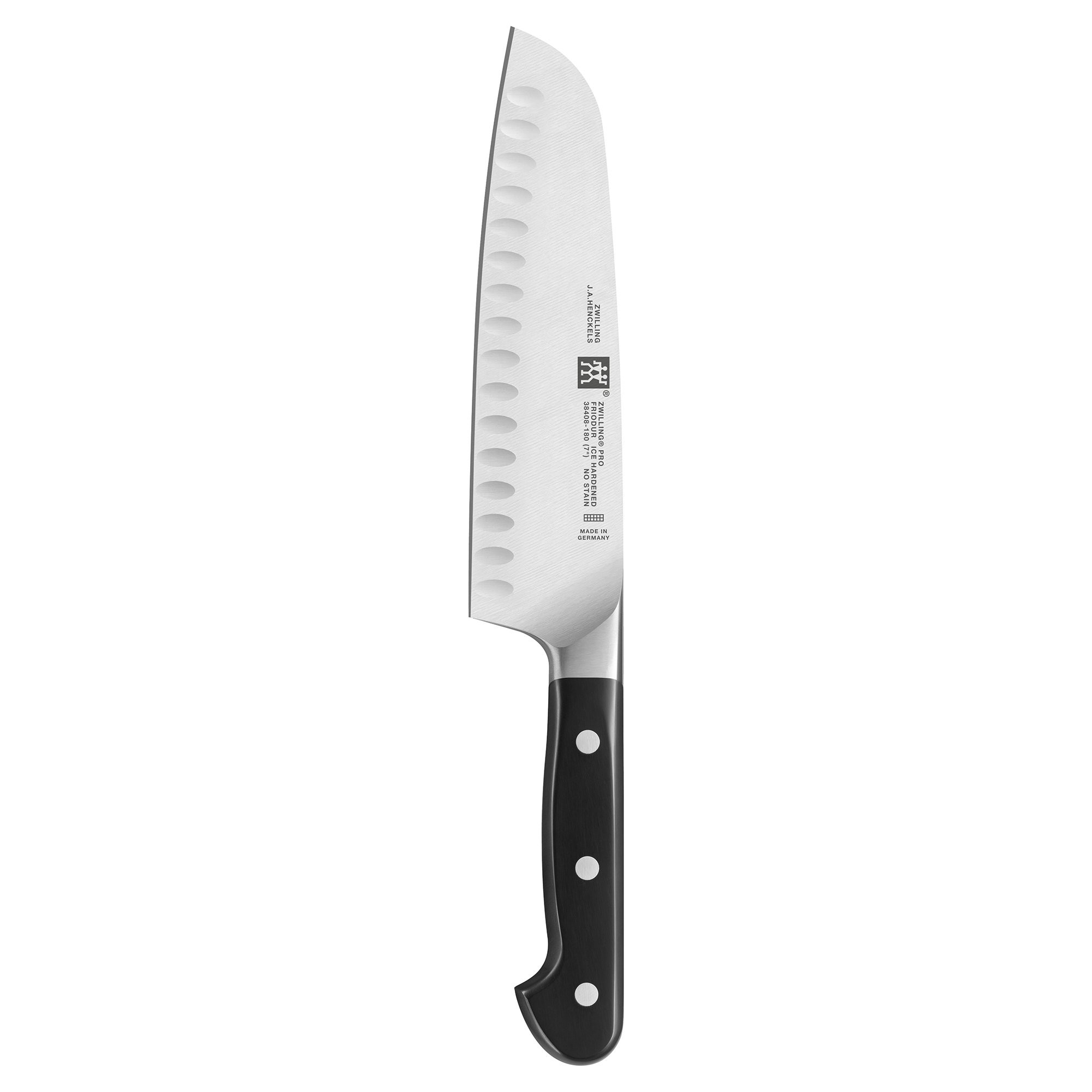
Zwilling J.A. Henckels Zwilling Pro 7-Inch Santoku
German steel in santoku form , more forgiving than Japanese steel for daily use
Buy on Amazon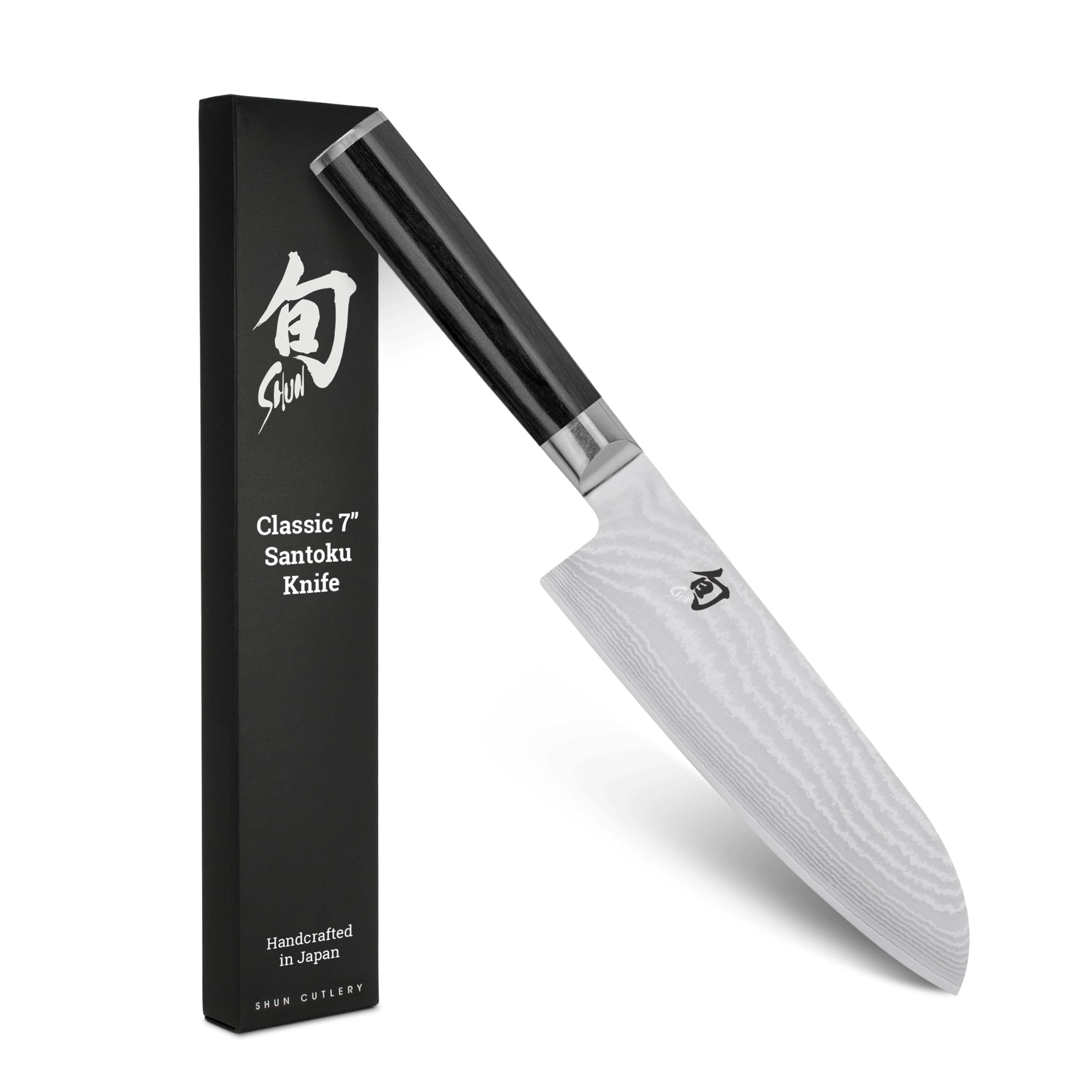
Shun Classic 7-Inch Santoku
VG-MAX Damascus steel , same exceptional sharpness as the chef's knife
Buy on Amazon
Wüsthof Classic 7-Inch Santoku
German steel in a Japanese blade shape , great of the best of both traditions
Buy on Amazon| Product | Price Range | Top Strength | Key Weakness | Buy |
|---|---|---|---|---|
| Zwilling J.A. Henckels Zwilling Pro 7-Inch Santoku best overall | $$$ | German steel in santoku form , more forgiving than Japanese steel for daily use | German steel not as hard as Japanese alternatives , needs more frequent honing | Buy on Amazon |
| Shun Classic 7-Inch Santoku also consider | $$$ | VG-MAX Damascus steel , same exceptional sharpness as the chef's knife | Hollow-ground edge requires whetstone maintenance , not for casual sharpeners | Buy on Amazon |
| Wüsthof Classic 7-Inch Santoku also consider | $$$ | German steel in a Japanese blade shape , great of the best of both traditions | German steel is softer than Japanese , needs more frequent honing | Buy on Amazon |
| MAC Professional 8-Inch Chef's Knife also consider | $$ | Thin Japanese blade profile with a Western-style handle , best of both | Less name recognition than Shun or Wüsthof , harder to buy as a gift | Buy on Amazon |
| Victorinox Fibrox Pro 8-Inch Chef's Knife also consider | $ | Best-performing knife under $50 , used in professional kitchens worldwide | Stamped steel loses its edge faster than forged alternatives | Buy on Amazon |
The santoku knife has been a fixture in Japanese home kitchens for decades, and for good reason. The shorter blade, flat cutting edge, and lighter weight make it genuinely faster for repetitive vegetable prep than a standard chef’s knife. The issue is that Zwilling J.A. Henckels alone sells several versions across different lines, and the name “santoku” gets applied to blades that behave very differently depending on the steel and geometry involved. If you’ve landed here after searching “Zwilling Henckels santoku knife,” you probably already know there’s a choice to make. This guide is meant to help you make it clearly, with a few honest comparisons along the way.
For context on how santoku knives fit into the broader landscape of kitchen blades, the Knives & Sharpeners hub is a useful starting point before or after reading this.
What to Look For in a Santoku Knife
Steel Type Determines Maintenance, Not Just Performance
The single biggest variable in a santoku isn’t blade length or handle design. It’s the steel. German steel (used by Zwilling and Wüsthof) runs around 56-58 HRC on the Rockwell scale. Japanese steel (used by Shun, MAC, and others) typically runs 60-62 HRC. Harder steel holds a finer edge longer, but it’s more brittle. Softer German steel is more forgiving on hard foods and will survive a dropped blade or accidental contact with a bone. It dulls faster, but responds well to a honing rod.
If you hone regularly and sharpen once or twice a year, German steel is a low-maintenance relationship. If you’re drawn to the idea of a razor-thin edge and are willing to learn whetstoning, Japanese steel rewards that effort with real performance. The two traditions are not interchangeable, and this article does not pretend otherwise.
Blade Geometry
Santoku blades are typically flat along the cutting edge with a pronounced curve (the “sheep’s foot” drop) at the tip. This shape suits a push-cut or forward-slice stroke rather than the rocking motion many cooks use with a Western chef’s knife. If rocking is your default technique, the santoku will feel strange at first. If you already use a forward-slice stroke, it will feel immediately right.
Hollow-ground or Granton edges (the oval dimples ground into the flat of the blade) reduce the surface area in contact with food, which means less sticking when slicing potatoes or cucumbers. Both the Shun Classic 7-Inch Santoku and the Wüsthof Classic 7-Inch Santoku use this approach, and it works.
Handle and Grip
The pinch grip, where you grip the blade itself just forward of the bolster rather than wrapping all fingers around the handle, gives you significantly more control and reduces wrist fatigue over a long prep session. The Zwilling Pro line’s curved bolster is specifically designed to encourage this position. Whether that’s better than a traditional D-handle comes down to hand size and preference, though I’ll note it’s one of the few bolster designs I’ve seen that actually functions as intended rather than just looking substantial.
Top Picks
Zwilling Pro 7-Inch Santoku
The Zwilling Pro 7-Inch Santoku is a premium-priced knife and priced accordingly. Check current price on Amazon. It uses Friodur ice-hardened steel, which is Zwilling’s process for increasing hardness and corrosion resistance in what is otherwise a German-composition steel. The result sits slightly harder than standard German knives without approaching the brittleness of Japanese blades. Edge retention is good. You’ll need to hone it, but you won’t need to think about it constantly.
The curved bolster is the defining feature of the Pro line. It positions the hand naturally in a pinch grip, which over a 45-minute vegetable prep session makes a noticeable difference. (I timed this, roughly. The difference is real.) The tradeoff is that the bolster heel makes flat-stone sharpening awkward. If you use a sharpening rod or a pull-through system, it won’t affect you. If you’re a whetstone purist, the geometry will frustrate you.
Compared to the Shun Classic santoku, the Zwilling Pro is heavier, less brittle, and easier to maintain for a cook who isn’t deeply invested in sharpening technique. The Shun will outperform it on thin vegetable cuts straight off a whetstone. The Zwilling will forgive a month of neglected honing without complaining too loudly.
For buyers coming from the Zwilling line who already own other knives and want consistency across their kit, this is the straightforward choice. If you want to explore the full Zwilling range before committing, the Zwilling J.A. Henckels Chef Knife article covers the broader lineup in more depth.
Shun Classic 7-Inch Santoku
The Shun Classic 7-Inch Santoku is the best Japanese-made santoku at this price point. Premium pricing, same as the Zwilling Pro. Check current price on Amazon.
VG-MAX steel with a Damascus cladding is what Shun uses across the Classic line, and the santoku benefits from it the same way the chef’s knife does. At 61 HRC, the edge is significantly harder than anything in the German camp, which translates to a thinner, longer-lasting edge when properly maintained. The hollow-ground blade reduces drag through dense vegetables in a way that’s immediately apparent if you’ve been using a standard flat-ground blade.
Two things to understand clearly. First, this knife requires whetstone maintenance. A honing rod is not sufficient for a blade this hard, and using one improperly can damage the edge. If you’re not already comfortable with whetstones, factor in that learning curve or budget for professional sharpening twice a year. Second, at 61 HRC, the blade is genuinely brittle by Western standards. Hard squash, frozen food, and any contact with bone is a real risk of chipping. This is not a knock on the knife. It is a feature of the steel, and the Shun is not designed for those tasks.
Compared to the Wüsthof Classic santoku on hardness and maintenance, the Shun requires more skill to maintain but rewards that skill with a noticeably finer edge. The Wüsthof is more forgiving for a less attentive sharpener.
Wüsthof Classic 7-Inch Santoku
The Wüsthof Classic 7-Inch Santoku occupies a specific position: it’s a German-steel knife in a Japanese blade shape, and it’s honest about that. Premium pricing. Check current price on Amazon.
The full-tang construction and Wüsthof’s forging standards mean this is a well-built knife that will last without drama. The Granton hollow edge works well for food release. The handle is the same POM material Wüsthof uses across the Classic line, which is durable and comfortable without being distinguished. If you already own Wüsthof knives and find the shape suits your cutting style, this is a logical addition.
Where the Wüsthof falls short is for cooks who want a santoku because they want Japanese blade performance. At 58 HRC, the edge is softer than either the Shun or a dedicated Japanese blade. It’s the most forgiving of the three premium options here, and the easiest to maintain with standard sharpening tools, but it will not give you the thin-slicing performance of the Shun on a long day of vegetable work. Buyers who are undecided between a santoku and a smaller knife should also look at the 5 Inch Santoku Knife article, which covers the trade-offs at the shorter end of the spectrum.
MAC Professional 8-Inch Chef’s Knife
The MAC Professional 8-Inch Chef’s Knife is included here because it’s where I’d send a buyer who asked me to recommend a genuinely useful knife at mid-range pricing rather than a premium one. It’s not a santoku, but a lot of buyers searching santoku knives are really looking for a lighter, thinner blade than their current chef’s knife, and the MAC Professional addresses that directly.
The MAC uses a thin Japanese steel profile with a Western-style handle, which makes it easier to adapt to than a fully Japanese knife without sacrificing sharpening ease. Stays sharper longer than German knives, easier to sharpen than harder Japanese steel. At 5.8 ounces, fatigue over extended prep is noticeably lower than a full German forged knife. There’s a more detailed breakdown in the Mac Professional Series Chef’s Knife article if this style of knife is what you’re actually after.
The honest note: MAC has less name recognition than Shun or Wüsthof. If you’re buying this as a gift, the recipient may not recognize what they’re receiving. If you’re buying it for yourself, that’s irrelevant.
Victorinox Fibrox Pro 8-Inch Chef’s Knife
The Victorinox Fibrox Pro 8-Inch Chef’s Knife is the value benchmark. Budget pricing. Check current price on Amazon.
Used in professional kitchens for years, and for good reason. The stamped steel edge comes sharp out of the box, the knife is lightweight, and it’s honest about what it is. It dulls faster than any forged knife in this article and the handle is purely functional. But if you’re trying to understand whether a lighter knife suits your cooking before spending premium prices, the Victorinox is a reasonable test case. It is not a substitute for a Shun or a Zwilling Pro. It is a competent kitchen tool at a fraction of the cost, which is a different thing.
How to Choose
The decision mostly comes down to one question: how much are you willing to engage with knife maintenance?
If you will hone regularly but aren’t interested in whetstoning, the Zwilling Pro or Wüsthof Classic gives you a reliable edge with minimal technical investment. The Zwilling Pro’s bolster design is better for pinch-grip cooking and represents a slight advantage in build quality, though I appreciate that the Wüsthof’s more traditional geometry suits some hands better.
If you’re prepared to learn or already practice whetstone sharpening, the Shun Classic is the better santoku. The edge performance on vegetables is genuinely different at 61 HRC, and the lighter profile reduces fatigue over long prep sessions. Just don’t use it on anything hard.
If neither of these describes you and you primarily want a lighter, thinner blade than your current chef’s knife, the MAC Professional at mid-range pricing deserves a serious look before you commit to a premium santoku.
For more context on the full range of knife types and what fits different cooking styles, the Knives & Sharpeners hub covers the category broadly.
Frequently Asked Questions
What is the difference between Zwilling and Henckels knives?
Zwilling J.A. Henckels is the parent company. “Zwilling” is the premium line, manufactured in Germany or Japan to higher specifications. “Henckels” (sometimes branded as “Henckels International”) is the more accessible line, which uses lower-grade steel and is typically manufactured in Asia. If you’re comparing the Zwilling Pro to a Henckels knife at a significantly lower price, you are looking at different products from the same parent company.
Is the santoku or chef’s knife better for everyday cooking?
For vegetable-heavy prep, the santoku’s flat cutting edge and lighter weight often make repetitive work faster and less tiring. For tasks that involve breaking down proteins, rocking cuts through herbs, or working with harder foods, a standard chef’s knife is more versatile. Many cooks own both. If you’re replacing a single knife, the answer depends on what you actually cook most days.
How often should I sharpen a Zwilling Pro or Wüsthof Classic santoku?
German steel at 56-58 HRC benefits from honing before each use and professional sharpening or whetstone work once or twice a year, depending on use frequency. If you hone regularly, actual sharpening can often wait longer. If you skip honing and find the blade feels dull, that’s the signal.
Can I put a santoku knife in the dishwasher?
No. The heat and detergent in a dishwasher will accelerate edge dulling and can damage handles on forged knives. This applies to every knife in this article, including the Victorinox, which is technically rated dishwasher safe but performs better with hand washing. Dry immediately after washing to prevent any moisture sitting on the blade.
Is the Shun Classic santoku worth the premium over the Wüsthof Classic?
For a cook who will maintain it properly, yes. The VG-MAX steel at 61 HRC holds a finer edge longer and the hollow-ground geometry reduces cutting resistance in a way you can feel on a long prep session. For a cook who wants a reliable everyday knife without investing in sharpening technique, the Wüsthof is the more practical choice. The price difference between the two is modest at the premium tier. The maintenance difference is more significant than the cost difference.
Frequently Asked Questions
What is the difference between Zwilling and J.A. Henckels santoku knives?
Zwilling J.A. Henckels is the parent brand; knives sold under the Zwilling name (like the Pro line) are the premium tier, forged in Germany with ice-hardened steel. Knives sold under just 'J.A. Henckels' are typically the more affordable stamped or international-manufactured sub-brand. Confirm the line when buying.
Is the Zwilling Pro santoku good for vegetable prep?
Yes, it's well-suited for vegetable prep. The flat edge profile favors push-cutting and forward slicing, which is ideal for thin-slicing vegetables. The German steel is forgiving enough for daily use and easy to maintain with a standard honing rod.
How does the Zwilling Pro santoku's curved bolster affect how you hold it?
The Zwilling Pro line features a curved bolster that naturally positions your index finger onto the blade spine, encouraging a pinch grip. This improves control and reduces hand fatigue during extended prep sessions compared to a straight bolster that stops your fingers at the handle.
Does the Zwilling Pro santoku need whetstone sharpening or can I use a honing rod?
A standard honing rod works well for regular maintenance of the Zwilling Pro's German steel (56–58 HRC). You'll want to fully sharpen it on a whetstone or pull-through sharpener once or twice a year depending on use, but it doesn't require the careful whetstone-only protocol that harder Japanese blades demand.
How does the Zwilling Pro santoku compare to the Wüsthof Classic santoku?
Both use German stainless steel and are similarly durable and easy to maintain. The Zwilling Pro's curved bolster is its distinguishing design feature, favoring a pinch grip. The Wüsthof Classic tends to have a slightly sharper factory edge due to its PEtec grinding process. Either is a strong choice — it largely comes down to handle feel.
Where to Buy
Zwilling J.A. Henckels Zwilling Pro 7-Inch SantokuSee Zwilling Pro 7-Inch Santoku on Amazon