Zwilling J.A. Henckels Chef Knife Review & Buyer Guide

Affiliate disclosure: Some links on this page are affiliate links. If you buy through them we earn a small commission at no extra cost to you. Recommendations are research-driven; we don't claim personal use of every product reviewed. Product prices and availability are accurate as of the date published and are subject to change. Always check Amazon for current pricing before purchasing. Learn more.
Quick Picks
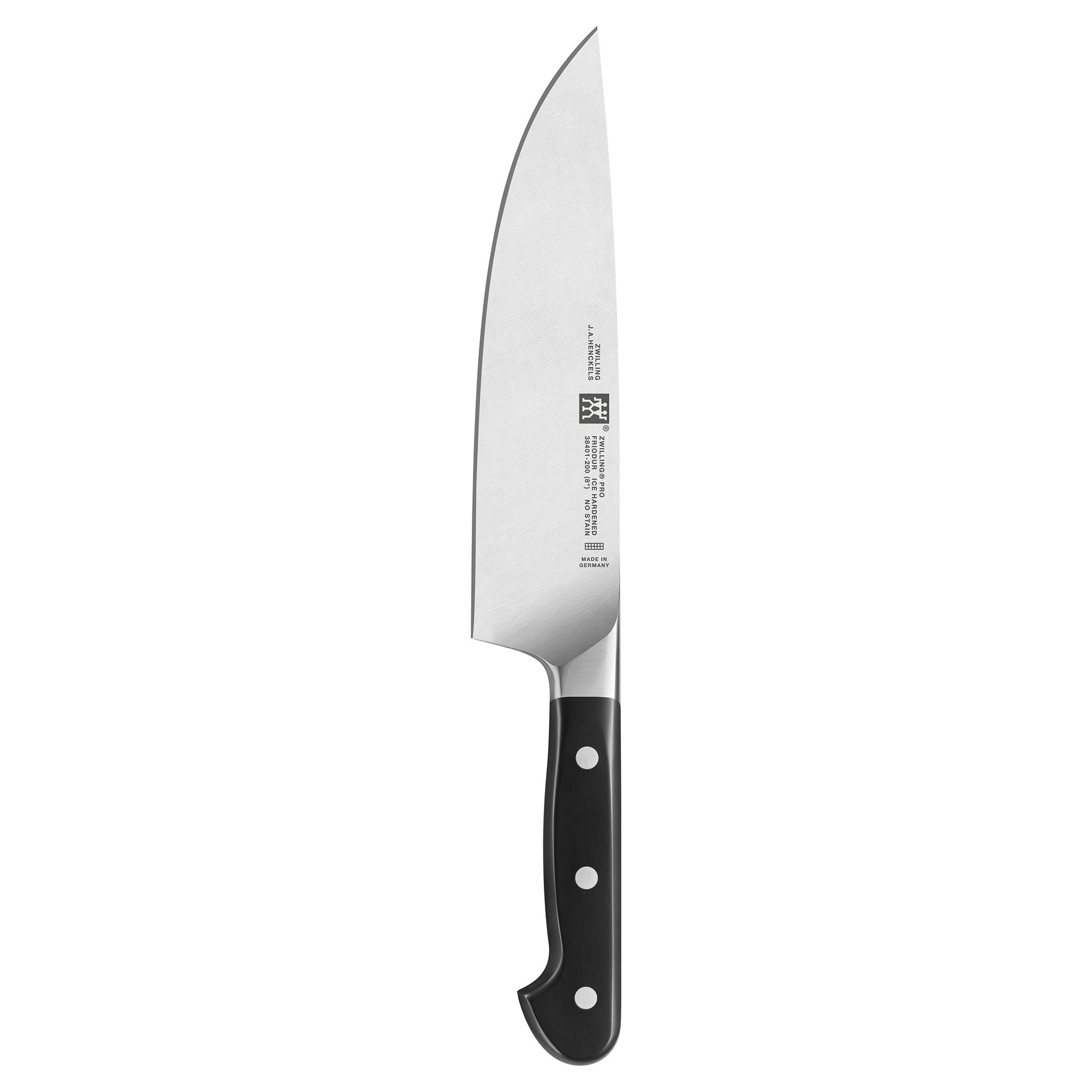
Zwilling J.A. Henckels Zwilling Pro 8-Inch Chef's Knife
Friodur ice-hardened steel , holds an edge better than standard German steel
Buy on Amazon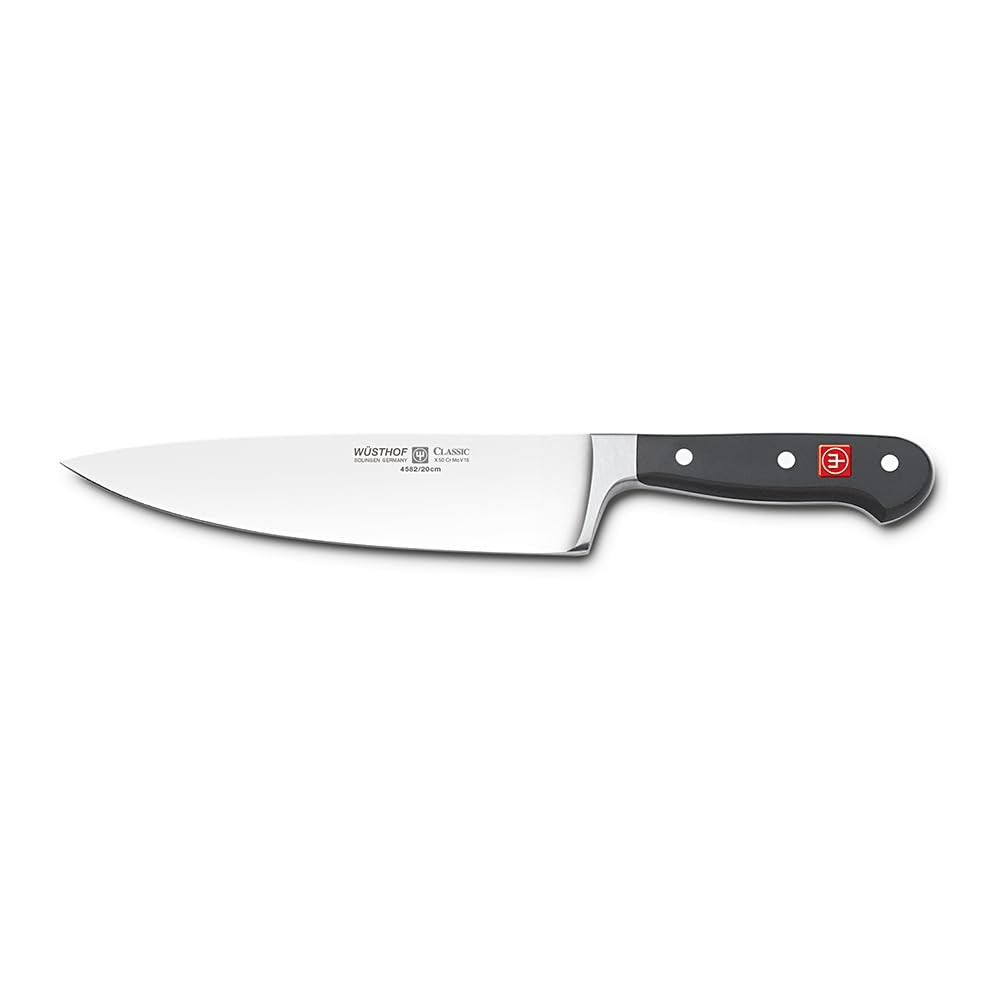
Wüsthof Classic 8-Inch Chef's Knife
Full tang, forged German steel , built to last decades with proper care
Buy on Amazon
Shun Classic 8-Inch Chef's Knife
VG-MAX steel with 68-layer Damascus cladding , razor-sharp out of the box
Buy on Amazon| Product | Price Range | Top Strength | Key Weakness | Buy |
|---|---|---|---|---|
| Zwilling J.A. Henckels Zwilling Pro 8-Inch Chef's Knife best overall | $$$ | Friodur ice-hardened steel , holds an edge better than standard German steel | Curved bolster makes full-blade sharpening on a whetstone more difficult | Buy on Amazon |
| Wüsthof Classic 8-Inch Chef's Knife also consider | $$$ | Full tang, forged German steel , built to last decades with proper care | Heavy at 8.5 oz , some cooks prefer the lighter feel of Japanese knives | Buy on Amazon |
| Shun Classic 8-Inch Chef's Knife also consider | $$$ | VG-MAX steel with 68-layer Damascus cladding , razor-sharp out of the box | Hard steel (61 HRC) is more brittle , chip risk on bones or frozen food | Buy on Amazon |
| MAC Professional 8-Inch Chef's Knife also consider | $$ | Thin Japanese blade profile with a Western-style handle , best of both | Less name recognition than Shun or Wüsthof , harder to buy as a gift | Buy on Amazon |
| Victorinox Fibrox Pro 8-Inch Chef's Knife also consider | $ | Best-performing knife under $50 , used in professional kitchens worldwide | Stamped steel loses its edge faster than forged alternatives | Buy on Amazon |
If you’ve landed here searching “Zwilling J.A. Henckels chef knife,” you probably already know you want a serious knife. You’re not asking whether to buy a chef’s knife. You’re asking which one is worth the money, and whether the Zwilling name specifically earns its price. Those are the right questions. I’ll answer them directly.
A chef’s knife is the single tool that matters most in the kitchen. If you spend any real time cooking, you’ll use it every day, and a bad one costs you more in frustration than the price difference between a budget pick and a premium one ever would. The Knives & Sharpeners section of this site covers the broader category, but this article focuses specifically on the Zwilling comparison and where it stands among its actual competition.
What to Look For in a Chef’s Knife
Before picking a brand, get clear on what you actually need the knife to do.
Steel hardness and edge retention. German knives like Zwilling and Wüsthof are typically in the 57-58 HRC range. That’s softer than most Japanese steel, which means the edge rolls rather than chips under stress, and you can maintain it with a honing rod between sharpenings. Japanese knives like the Shun run to 61 HRC and hold a razor edge longer, but harder steel is more brittle. Use one on a frozen chicken leg and you’ll understand why that matters.
Blade geometry. German knives have a curved belly profile, which suits a rocking chop motion. Japanese knives are thinner behind the edge and often flatter in profile, which suits a push-cut technique common in Japanese prep work. Neither is wrong. They’re different tools for somewhat different habits.
Bolster design. This is often overlooked and it matters for long-term ownership. The Zwilling Pro has a curved bolster that promotes a pinch grip close to the blade. The tradeoff is that full-blade sharpening on a flat whetstone becomes awkward because the bolster sits lower than the blade heel. If you sharpen on a whetstone regularly (and your cooking will improve if you do), this is a concrete physical problem you’ll encounter.
Weight. The Wüsthof Classic 8-inch comes in around 8.5 oz. The MAC Professional is 5.8 oz. For a single ten-minute prep session, the difference is minor. For an hour of vegetable work, it’s not.
Handle fit. This is almost impossible to judge from a product page. If you can, hold the knife before buying. If you can’t, read return policies carefully.
The Top Picks
Zwilling Pro 8-Inch Chef’s Knife (Premium)
The Zwilling Pro 8-Inch Chef’s Knife is a legitimately good knife. Friodur ice-hardening puts the blade steel in a different category from most standard German forged knives. The edge holds longer, and the manufacturing quality out of Solingen is consistent. The curved bolster encourages a proper pinch grip, which matters if you’ve been cooking with your index finger over the spine for years.
The complication is the bolster itself. If you sharpen on a Sharpmaker or a pull-through system, this is irrelevant to you. If you use a flat whetstone, the bolster design means you can’t sharpen the heel of the blade at the same angle as the rest of it without extra technique. This is a solvable problem, but it’s a real one. (I’ve watched two people give up on maintaining their Zwilling Pro properly because of exactly this, and then assume the knife had just gone dull.)
Check current pricing on Amazon. At premium pricing, the Zwilling Pro is in direct competition with the Wüsthof Classic, and differentiating them for a first-time buyer is genuinely difficult. My view: the Zwilling Pro is slightly better at holding an edge out of the box. The Wüsthof is slightly easier to maintain at home over the long term.
Wüsthof Classic 8-Inch Chef’s Knife (Premium)
The Wüsthof Classic 8-Inch Chef’s Knife is the German benchmark. Full tang, forged from a single piece of high-carbon stainless steel, made in Solingen alongside Zwilling. The PEtec edge (Precision Edge Technology) is laser-cut and holds up well. Wüsthof’s production quality is consistent and the knife carries a lifetime warranty.
At 8.5 oz, it’s not a lightweight tool. If you’ve switched from a stamped knife and find the weight fatiguing, that’s not in your head. It’s also not a flaw. This weight contributes to stability when you’re breaking down a butternut squash or working through a dense cabbage. The knife rewards confident, deliberate cuts rather than fast, light slicing.
The honing requirement is real. A honing rod before each serious session keeps the edge aligned. Skip that for six months and you’ll find yourself pressing harder on cuts that should glide, which is when accidents happen.
Compared to the Shun Classic, the Wüsthof is heavier, less brittle, and more forgiving of imprecise sharpening. If the thought of sending a knife out for professional sharpening twice a year sounds reasonable to you, the Wüsthof is the more practical German option. If you’re committed to maintaining your own edges and want a razor-thin profile for vegetable work, read the Shun section.
Shun Classic 8-Inch Chef’s Knife (Premium)
The Shun Classic 8-Inch Chef’s Knife is a different knife in a meaningful way, not just aesthetically. VG-MAX steel with 68-layer Damascus cladding runs to 61 HRC. The edge comes out of the box sharper than anything in the German lineup, and it holds that sharpness longer on fine work like thin-slicing fennel or breaking down herbs quickly.
The tradeoff is brittleness. At 61 HRC, the steel will chip if you use it on bones, frozen food, or hard-rind squash with aggressive force. A honing rod will also damage this blade. Sharpening requires a whetstone, and the 16-degree bevel is different from the 20-degree edge on most German knives, so your existing sharpening equipment may not apply.
The D-shaped Pakkawood handle is comfortable for right-handed users. Left-handed cooks should note the asymmetry.
If you want to understand where the Shun fits relative to more specialized Japanese options, the Global G2 Chef Knife is a reasonable comparison point in the same price tier and follows a similar philosophy. The Shun’s Damascus cladding is primarily visual. The edge is the actual advantage.
MAC Professional 8-Inch Chef’s Knife (Mid-Range)
The MAC Professional 8-Inch Chef’s Knife is the knife I recommend most often when someone wants an honest answer rather than a prestige purchase. MAC knives are used in professional kitchens at a rate that doesn’t match their brand recognition among home cooks, and that gap is an opportunity.
The blade is thin like a Japanese knife but the handle is Western-style, which means it suits a pinch grip without requiring you to adapt your technique. Steel hardness sits around 59-60 HRC, which is the sweet spot between edge retention and sharpenability. It stays sharper than the Wüsthof longer, and it’s easier to bring back on a whetstone than the harder Shun. At 5.8 oz, fatigue is not a factor.
Priced in the mid-range, it costs meaningfully less than the Zwilling Pro or Wüsthof Classic. (Check current price on Amazon. The gap is worth seeing.) For the money, this is the sharpest value in this roundup.
The only real con is that it doesn’t make a visually compelling gift. If you’re buying for yourself and you actually cook, that shouldn’t matter.
Victorinox Fibrox Pro 8-Inch Chef’s Knife (Budget)
The Victorinox Fibrox Pro 8-Inch Chef’s Knife is the benchmark for the budget category, and it earns that position honestly. Stamped rather than forged, lighter, and it will not hold an edge as long as any of the forged knives above. It’s also used in professional kitchens and catering operations worldwide, which tells you what you need to know about whether it can cut food competently.
If you’re buying a chef’s knife for the first time and aren’t ready to commit to premium pricing, buy this knife. Learn to cook with it. Sharpen it. When you find yourself wanting better edge retention or a more substantial feel, you’ll know exactly what to look for in your next knife. Starting with a premium knife before you understand what you’re evaluating in it is just spending money.
The handle is utilitarian in a way that is impossible to overlook. It does its job. It does not make you feel anything about your kitchen.
How to Choose
Buy the MAC if you want the best-performing knife in this group relative to price, you cook regularly, and you’re willing to maintain it. It’s the informed buyer’s pick.
Buy the Wüsthof Classic if you want a German-made forged knife with a long track record, you’re comfortable honing regularly, and you do a variety of cutting tasks including heavier prep work. It’s the safe, substantiated choice.
Buy the Zwilling Pro if you specifically want the Zwilling name (there are legitimate reasons, including brand consistency if you’re building a set) and you understand the bolster sharpening limitation going in.
Buy the Shun if you do a lot of precise vegetable work, you’re willing to learn whetstone sharpening on a 16-degree bevel, and you won’t use the knife on frozen food or bones. If you’re interested in exploring what else sits in the Japanese knife category, 5-inch santoku knives are worth considering as a complement.
Buy the Victorinox if budget is the primary constraint, or if you’re equipping a second kitchen or buying a workhorse for high-volume prep where you’d rather replace inexpensively than maintain carefully.
One note on storage and transport. If you’re investing in a serious knife, keep it on a magnetic strip or in a blade guard, not loose in a drawer. If you’re a cook who carries knives between kitchens, the Professional Chef Knife Bag section of this site covers protection options worth knowing about.
The full context for decisions like this, including sharpening tools and complementary blades, is in the Knives & Sharpeners hub.
Frequently Asked Questions
Is Zwilling J.A. Henckels the same as Henckels International?
No, and this confusion costs buyers money regularly. Zwilling J.A. Henckels is the premium line, manufactured in Solingen, Germany. Henckels International is a separate, lower-tier line manufactured in Asia. The logo on the blade tells you which you have. The Zwilling line uses a twin logo. The International line uses a single figure. The Pro knife reviewed here is the genuine Solingen-made Zwilling product.
Can I use a honing rod on a Zwilling Pro or Wüsthof Classic?
Yes. Both knives use German steel in the 57-58 HRC range, which is soft enough to benefit from regular honing. A honing rod realigns the edge between sharpenings and is the single most practical maintenance step for these knives. Do not use a honing rod on the Shun Classic. Its harder steel requires a whetstone.
How often should I sharpen a chef’s knife?
For a German-style knife used daily in a home kitchen, a whetstone sharpening once or twice a year is reasonable if you hone before each session. Honing and sharpening are not the same thing. Honing realigns the edge. Sharpening removes metal. If your knife is dragging through a tomato rather than slicing it, it needs sharpening, not honing.
Is the MAC Professional knife actually better than a Wüsthof?
“Better” depends on what you’re doing. For precision slicing and lighter prep work, the MAC’s thinner blade and lighter weight give it a functional advantage over the Wüsthof. For heavy-duty tasks like breaking down poultry or splitting dense vegetables, the Wüsthof’s weight and thicker spine are more appropriate. Most home cooks would find the MAC more enjoyable to use for the majority of daily prep.
What’s the difference between forged and stamped knives?
Forged knives are made from a single piece of steel that’s heated and shaped under pressure. Stamped knives are cut from a flat sheet of steel. Forged knives are generally thicker, heavier, better balanced, and hold an edge longer. Stamped knives are lighter and less expensive. The Victorinox Fibrox is stamped. Every other knife in this roundup is forged. The performance gap is real but not as dramatic as the price gap suggests, which is exactly why the Victorinox earns its recommendation for budget buyers.
Frequently Asked Questions
Is the Zwilling Pro chef knife worth the price compared to Wüsthof Classic?
Both are premium German knives with similar steel quality, but they offer different experiences. The Zwilling Pro's Friodur ice-hardening gives it slightly better edge retention, and its curved bolster encourages a controlled pinch grip. Wüsthof has a more traditional bolster and a sharper factory edge from PEtec grinding. Either is a strong long-term investment — choose based on bolster preference and which feels better in your hand.
What does Friodur ice-hardening mean on Zwilling knives?
Friodur is Zwilling's proprietary ice-hardening process where the blade is flash-frozen after hardening to stabilize the steel's microstructure. It results in a blade that's more corrosion-resistant, more flexible, and holds an edge longer than standard hardened German steel.
Can I sharpen the Zwilling Pro chef knife on a whetstone?
Yes, but the curved bolster creates a complication: it sits lower than the blade heel, making it difficult to maintain a consistent angle on a flat whetstone at the base of the blade. Many owners use a honing rod for regular maintenance and send it to a professional sharpener for full restorations rather than attempting full-blade whetstone work.
How does the Zwilling J.A. Henckels chef knife compare to a Shun or MAC knife?
Zwilling uses German stainless steel (57–58 HRC) that's more forgiving and easier to maintain with a honing rod. Shun (61 HRC) and MAC use harder Japanese steel that holds a finer edge longer but chips on bones or frozen foods and requires whetstone sharpening. Zwilling is the better choice if you want low-maintenance durability; the Japanese options suit cooks who prioritize edge sharpness and enjoy proper knife care.
What is the difference between Zwilling and J.A. Henckels brand chef knives?
Zwilling J.A. Henckels is the parent company. Chef knives sold under the Zwilling brand (like the Pro and Professional S lines) are the premium tier — forged in Germany with Friodur ice-hardened steel. Knives sold under the 'J.A. Henckels' or 'Henckels' name alone are the more affordable sub-brand, often stamped or made internationally. Pay attention to which sub-brand you're buying.
Where to Buy
Zwilling J.A. Henckels Zwilling Pro 8-Inch Chef's KnifeSee Zwilling Pro 8-Inch Chef's Knife on Amazon