Antique Copper Cookware for Sale: A Buyer's Guide

Affiliate disclosure: Some links on this page are affiliate links. If you buy through them we earn a small commission at no extra cost to you. Recommendations are research-driven; we don't claim personal use of every product reviewed. Product prices and availability are accurate as of the date published and are subject to change. Always check Amazon for current pricing before purchasing. Learn more.
Quick Picks

Mauviel M'Heritage Copper Skillet 9.5"
Copper body provides the fastest, most responsive heat adjustment of any material
Buy on Amazon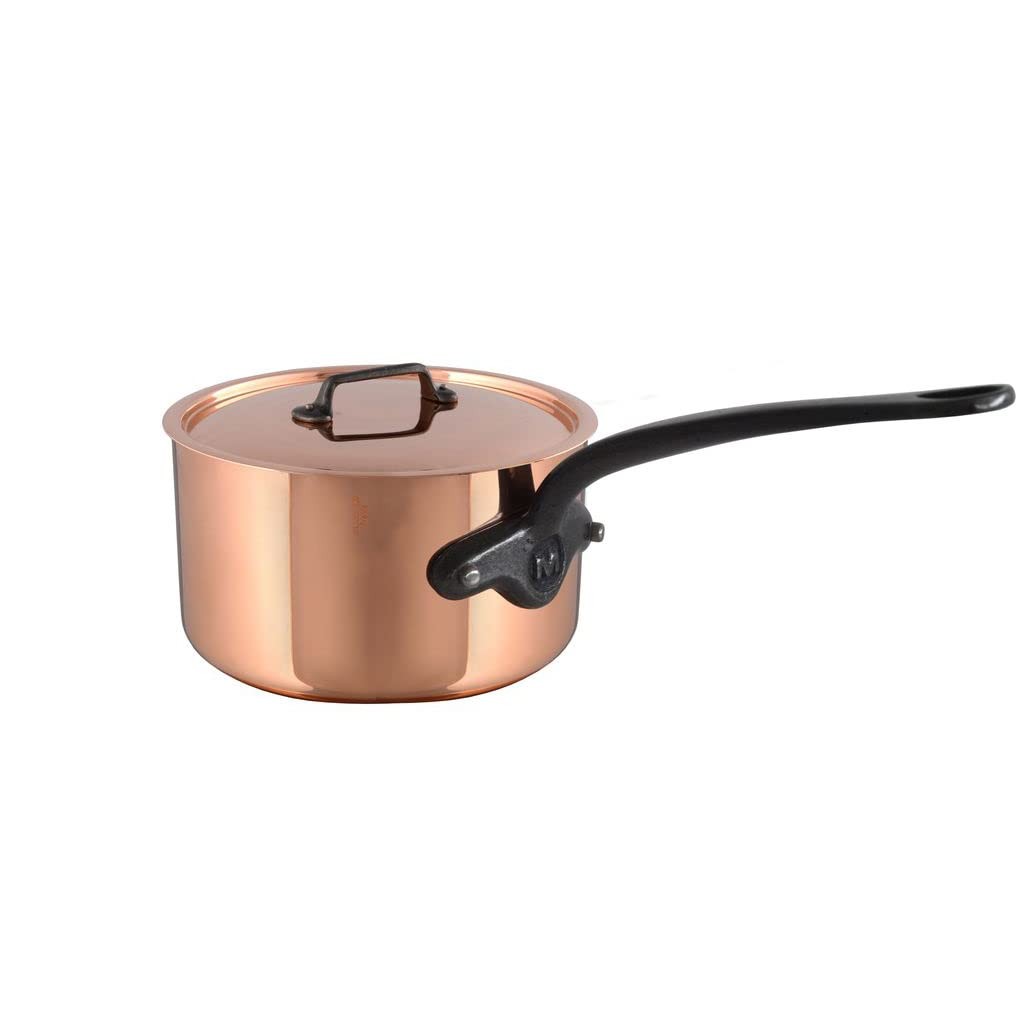
Mauviel M'Heritage Copper Saucepan 1.9-Quart
Copper reacts to heat changes within seconds , unmatched for sauce work
Buy on Amazon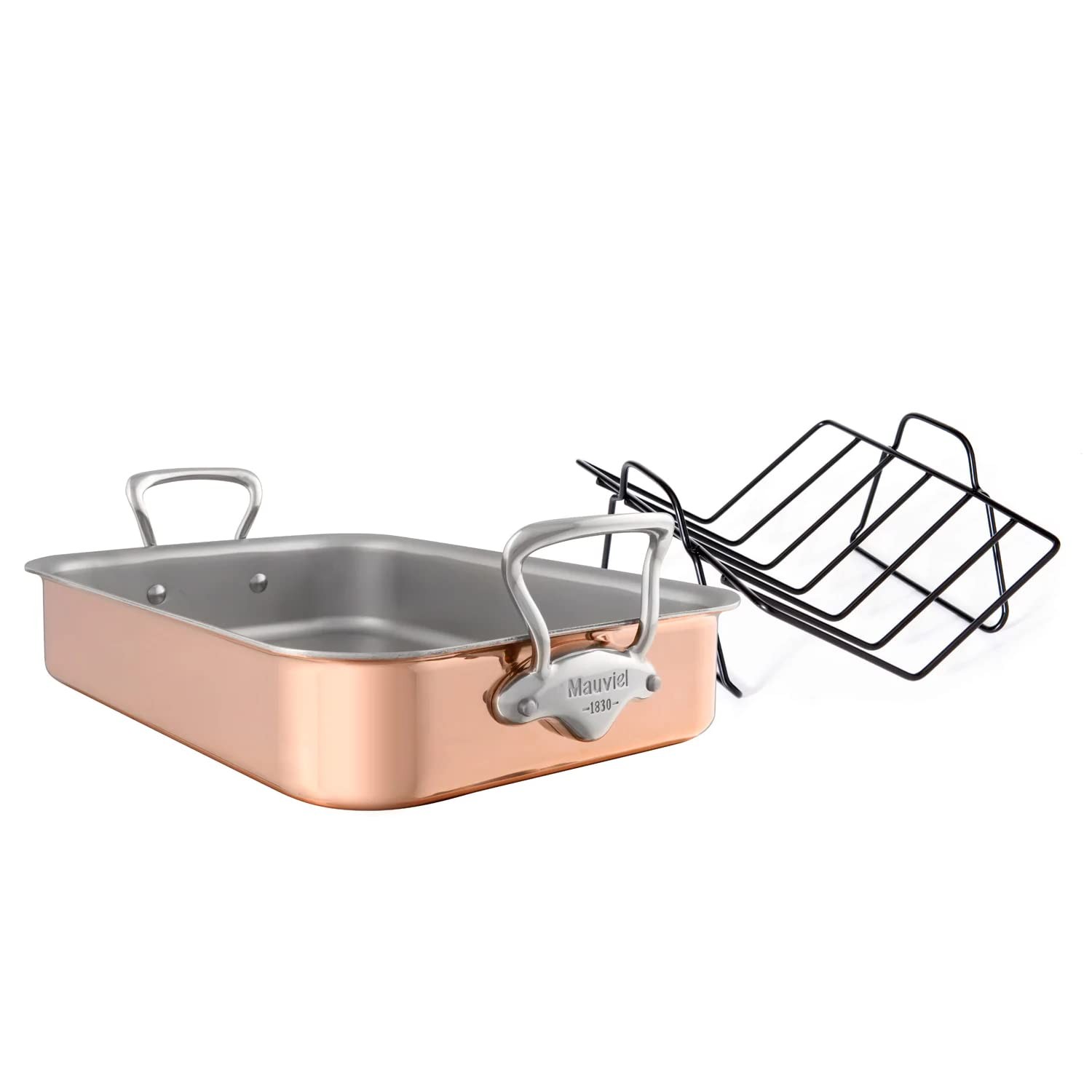
Mauviel M'Heritage Copper Roasting Pan
Copper ensures even heat across the entire base , no hot spots under the roast
Buy on Amazon| Product | Price Range | Top Strength | Key Weakness | Buy |
|---|---|---|---|---|
| Mauviel M'Heritage Copper Skillet 9.5" best overall | $$$ | Copper body provides the fastest, most responsive heat adjustment of any material | Most expensive cookware material , significant investment per piece | Buy on Amazon |
| Mauviel M'Heritage Copper Saucepan 1.9-Quart also consider | $$$ | Copper reacts to heat changes within seconds , unmatched for sauce work | Requires polishing to maintain the copper finish | Buy on Amazon |
| Mauviel M'Heritage Copper Roasting Pan also consider | $$$ | Copper ensures even heat across the entire base , no hot spots under the roast | Extraordinarily expensive , over $500 for a roasting pan | Buy on Amazon |
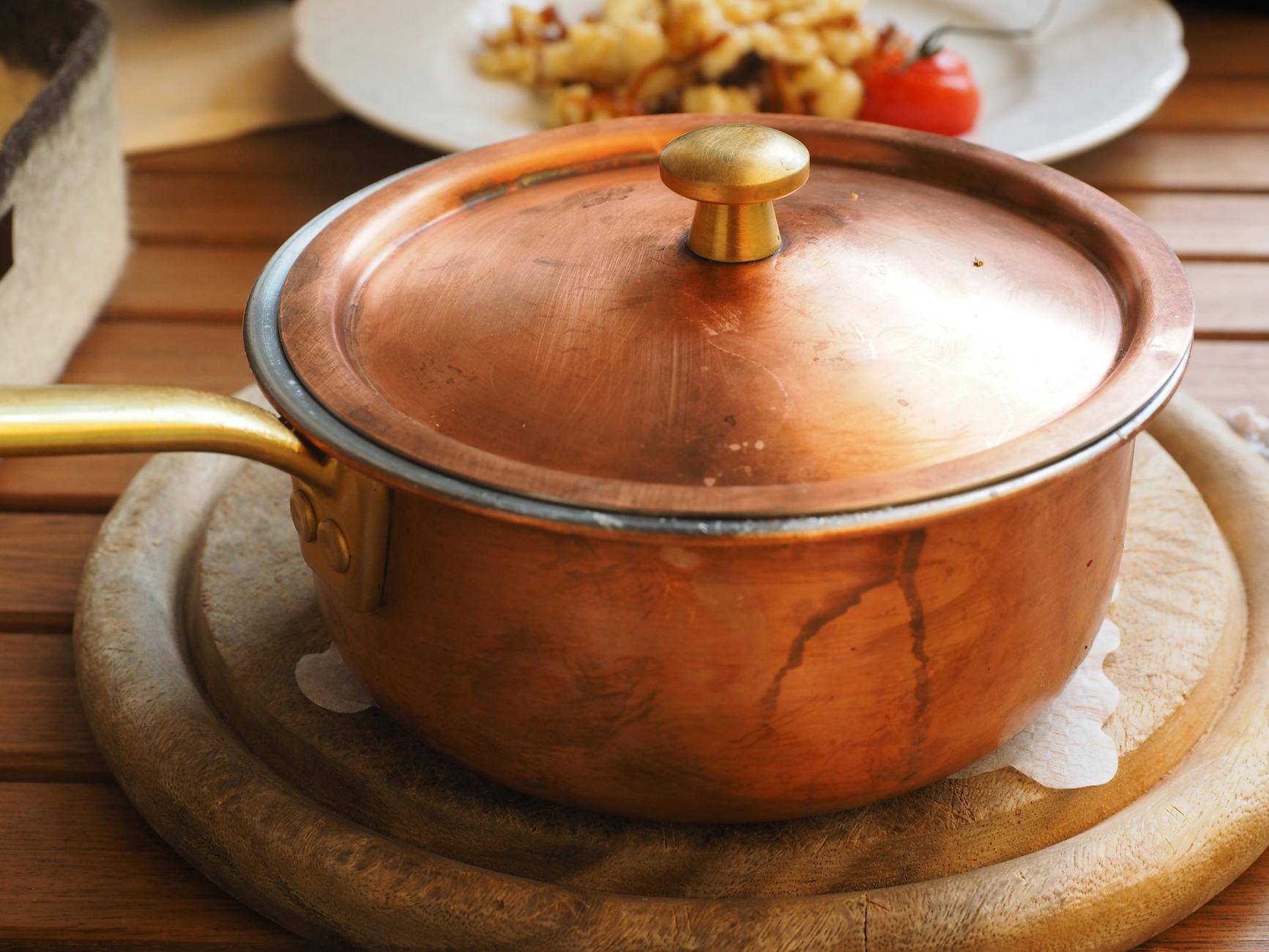
Copper cookware occupies a strange position in the market. It’s sold as antique, heritage, and heirloom all at once, which means the category attracts both serious cooks who understand what the material actually does and buyers chasing an aesthetic they’ve seen in a French farmhouse photo. If you’re searching for antique copper cookware for sale, you probably already know that genuine vintage pieces are inconsistent in quality and often have tin linings that need re-tinning. What most buyers actually want is cookware that performs like the best copper ever made, looks the part, and doesn’t require sourcing from an estate sale. That’s a shorter list than it sounds.
For context on how copper fits into the broader landscape of high-performance metals, the Stainless & Clad section of this site covers the full range from entry-level clad to professional-grade options. Copper sits at the far end of that spectrum in every sense.
What to Look For
The Lining Question
Authentic antique copper cookware was lined with tin. Tin linings are soft, reactive to high heat, and eventually wear through, requiring professional re-tinning at real cost and inconvenience. Modern copper cookware has largely shifted to stainless steel linings, which are non-reactive, dishwasher tolerant (though I’d still hand wash anything at this price point), and don’t degrade with use.
If you’re buying vintage pieces specifically, inspect the lining carefully. Any exposed copper under the lining means you’re ingesting copper salts from acidic foods. That’s not a minor issue. For most buyers, stainless-lined modern copper from a reputable manufacturer solves this entirely.
Wall Thickness
This is where antique copper pieces vary most. A 1.5mm copper pan heats fast but warps and develops hot spots. Professional-grade copper starts at 2mm and the better pieces run 2.5mm. The difference is not subtle. Thin copper is almost always decorative copper.
Interior Surface
Stainless over tin, full stop, for anything being cooked in rather than displayed. If a piece is sold as “antique” with an obviously bright tin interior and no patina, someone has re-lined or refinished it. That’s not necessarily bad, but know what you’re buying.
The Polishing Reality
Copper oxidizes. A lacquered piece will stay bright until the lacquer chips, then oxidize unevenly. An unlacquered piece will develop a patina within weeks of regular use unless you polish it. That’s a maintenance commitment, and it’s worth being honest with yourself about whether you’ll do it. The exterior copper is the demanding part. The stainless interior requires nothing beyond normal cleaning.
Top Picks
All three pieces below are Mauviel, which I’ll address directly: Mauviel is not the only serious copper cookware manufacturer, but for buyers in the U.S. market looking for current production pieces with consistent quality and available service, they’re the clearest choice. Falk is worth considering for heavier-gauge pieces. De Buyer makes copper. But Mauviel’s M’Heritage line has been the benchmark for long enough that it’s the reasonable starting point.
Mauviel M’Heritage Copper Skillet 9.5”
The Mauviel M’Heritage Copper Skillet 9.5” is where most buyers should start if they want to understand what copper actually does in a kitchen. Heat response in copper is not marginal. When you pull a copper pan off a gas burner, the cooking stops. With a clad stainless pan like the All-Clad D3, which I cooked with for eight years, there’s a lag. Not a long lag, but a real one. For sautéed vegetables, that lag doesn’t matter much. For a caramel that’s one second from burning, it matters a great deal.
The skillet is handcrafted in Normandy, which matters here not as a marketing point but as a practical one: the tolerances are consistent, the handle attachment is solid, and the stainless lining is polished smooth. At 9.5 inches, it’s a usable size for two to three servings.
The price is premium, placing it among the most expensive individual skillets you can buy. That’s not a reason not to buy it if you cook seriously and plan to use it for twenty years. It is a reason not to buy it as a gift for someone who might not cook seriously, or as a starter piece you’re not sure about.
Polishing: the exterior copper requires a copper cleaner like Bar Keepers Friend or a dedicated copper polish a few times a year if you want it bright. If you’re fine with patina, do nothing.
Mauviel M’Heritage Copper Saucepan 1.9-Quart
If there’s one piece in this category that earns its price in function rather than in appearance, it’s the Mauviel M’Heritage Copper Saucepan 1.9-Quart. Professional pastry kitchens use copper saucepans for caramel, chocolate, and hollandaise because the immediate heat response makes the difference between a broken sauce and a finished one. In a standard clad saucepan, you adjust heat and wait. In copper, you adjust and it happens.
The 1.9-quart size is the right scale for sauce work. Large enough to make a meaningful batch of hollandaise or a full caramel without crowding, small enough that it heats quickly and responds fast. The stainless lining handles acidic pan sauces and fruit reductions without any reactivity concerns, which would be the worry with a tin-lined antique piece.
This is not a casual recommendation. If you make pastry or sauce work regularly, this saucepan is worth the investment. If you’re making pasta sauce twice a month, it isn’t. (I realize that’s a blunt way to frame it, but premium cookware only justifies itself through use.)
Serious buyers who want to read more deeply into how copper and stainless compare at the material level will find the Demeyere vs. All-Clad breakdown useful context, even though neither brand is copper. The performance principles translate.
Mauviel M’Heritage Copper Roasting Pan
The Mauviel M’Heritage Copper Roasting Pan is the most aspirational piece in this roundup, and I’ll be direct about what that means. The roasting pan costs more than many complete cookware sets. The reason to buy it is not that it roasts a chicken differently from a good stainless roasting pan. Even distribution across the base matters more in roasting than in saucework, and copper delivers that, but a heavy-gauge stainless or clad pan gets most of the way there.
The reason to buy it is that it’s a piece of craft that will outlast everyone in your family, presents spectacularly on a holiday table, and if you’re the kind of person who understands what that’s worth, you already know it. If you’re not sure whether it’s worth it, it probably isn’t. The stainless interior handles pan drippings and deglazing for gravy without any reactivity issues.
Heavy when full. Requires two people to move a loaded pan comfortably. Check the full write-up on the Mauviel roasting pan before purchasing.
How to Choose
Start With One Piece
The most common mistake with premium copper is buying a full set on the logic that if one piece is worth the price, twelve pieces are twelve times the value. That’s not how it works. Copper pays its premium in specific cooking situations. Buy the piece that addresses the specific cooking you actually do and let that inform whether you want more.
For sauce and pastry work: the saucepan. For general skillet cooking and someone who wants to experience what responsive heat actually means: the skillet. The roasting pan is for a specific buyer at a specific level of investment.
Copper vs. Clad Stainless
If you’re comparing copper against high-end clad stainless, the 18/10 stainless options in the stainless steel cookware 18/10 category cover the full range of what’s available at significantly lower price points. For most cooking tasks, the difference between excellent clad stainless and copper is real but not large. For sauce and pastry work specifically, it’s meaningful.
Timing Purchases
Copper cookware in the premium tier rarely discounts deeply, but Mauviel pieces do appear in holiday sales. The Black Friday stainless steel cookware roundup tracks those windows, and copper often follows the same sale calendar.
Maintenance Commitment
Be honest about this before purchasing. The stainless interior requires nothing. The copper exterior requires polishing if appearance matters to you. If you’re buying copper for the performance and are comfortable with a lived-in patina, the maintenance burden is minimal. If you want it to look like the photos, budget thirty minutes with a copper polish a few times a year.
For cooking utensils that won’t scratch the stainless lining, the best cooking utensils for stainless steel cookware guide covers compatible options.
Frequently Asked Questions
Is antique copper cookware safe to cook in?
Antique copper with an intact tin or stainless lining is safe. The concern is exposed copper on the cooking surface, which can leach into acidic foods. Any piece with visible copper on the interior, pitting, or worn lining should be re-lined before use or used only for display. Modern copper cookware with stainless linings avoids this issue entirely.
Does copper cookware actually cook better than stainless?
For most everyday cooking, the difference is real but modest. Where copper earns its price is in heat-sensitive applications: caramel, hollandaise, chocolate tempering, delicate reductions. The speed with which copper responds to heat changes prevents the overcooking that happens in the lag time of even excellent clad stainless. For boiling pasta or browning a steak, the advantage is negligible.
How do I clean copper cookware without damaging it?
Hand wash with mild dish soap and a soft cloth. For the stainless interior, standard dish soap handles everything. For the copper exterior, Bar Keepers Friend paste or a dedicated copper polish like Wright’s Copper Cream removes tarnish without abrasion. Avoid steel wool or harsh scrubbers on either surface. Never put copper cookware in the dishwasher.
What’s the difference between tin-lined and stainless-lined copper cookware?
Tin linings are traditional and give a slightly more responsive feel, but tin is soft, scratches easily, melts if overheated dry, and eventually wears through, requiring professional re-tinning. Stainless linings are harder, more durable, fully non-reactive, and require no maintenance beyond normal cleaning. Most current-production copper cookware, including Mauviel’s M’Heritage line, uses stainless. For buyers who want long-term practicality without re-lining costs, stainless is the better choice.
Is Mauviel copper cookware worth the price?
For cooks who use it regularly in the applications it’s designed for, yes. Mauviel M’Heritage pieces are handmade to consistent professional standards and will last decades with basic care. The price is high by any comparison. If your cooking rarely involves sauce work, pastry, or other heat-sensitive techniques, the performance advantage over well-made clad stainless is too narrow to justify the premium. Check current pricing on Amazon and weigh it against how specifically and how often you’d use the piece.
Frequently Asked Questions
Is antique copper cookware safe to cook with?
It depends on the lining. Vintage copper cookware was lined with tin, which is safe when intact but must be inspected before use — exposed copper reacts with acidic foods and can leach copper salts. If the tin lining is worn or pitted, have it professionally re-tinned before cooking in it.
What is the difference between tin-lined and stainless-lined copper cookware?
Tin lining is traditional and found on most antique pieces; it's softer, requires no metal utensils, and eventually needs re-tinning. Stainless lining, used in modern copper like Mauviel M'Heritage, is non-reactive, more durable, and easier to maintain — but it's not the authentic antique construction.
How thick should copper cookware walls be to perform well?
Genuine professional-grade copper starts at 2mm and top-tier pieces run 2.5mm. Anything thinner heats unevenly and warps easily. Much of what gets sold as decorative antique copper is 1–1.5mm and not suitable for serious cooking.
How do I clean and polish antique copper cookware?
Wash by hand with mild soap and dry immediately to prevent water spots. To restore the shine, use a copper-specific polish or a paste of salt and white vinegar. Avoid the dishwasher — it damages both the copper exterior and any tin lining.
Is Mauviel the best alternative to buying true antique copper?
Mauviel is the most widely available professional-grade copper cookware built to the same standards as the best vintage French copper, but with a stainless steel lining and modern manufacturing consistency. For buyers who want performance rather than provenance, it is the clearest comparison.
Where to Buy
Mauviel M'Heritage Copper Skillet 9.5"See Mauviel M'Heritage Copper Skillet 9.5" on Amazon