Induction Cookware Griddles: Quality Beyond Compatibility

Affiliate disclosure: Some links on this page are affiliate links. If you buy through them we earn a small commission at no extra cost to you. Recommendations are research-driven; we don't claim personal use of every product reviewed. Product prices and availability are accurate as of the date published and are subject to change. Always check Amazon for current pricing before purchasing. Learn more.
Quick Picks
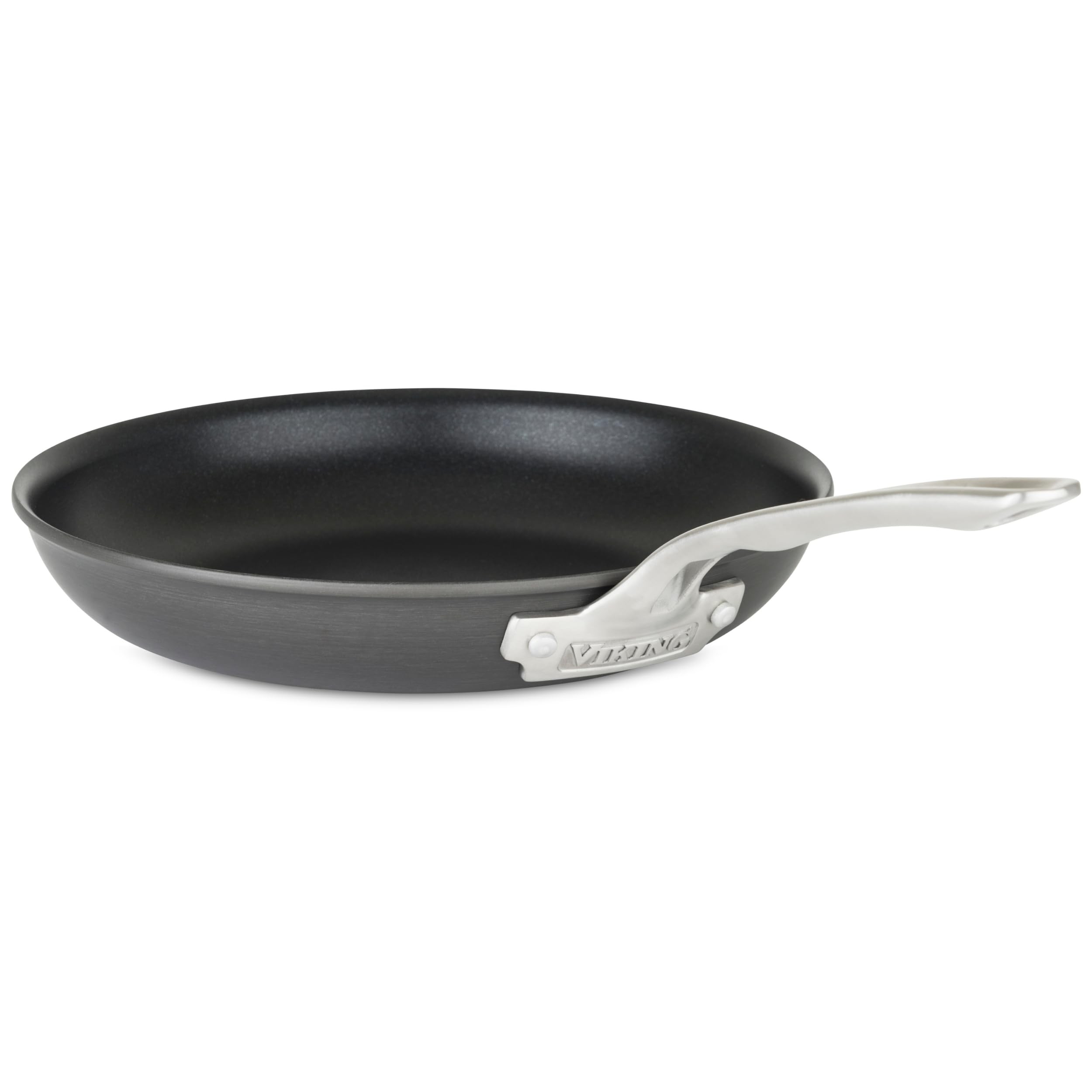
Viking Culinary Hard Anodized Nonstick 10-Inch Fry Pan
Hard anodized exterior is more durable than standard aluminum
Buy on Amazon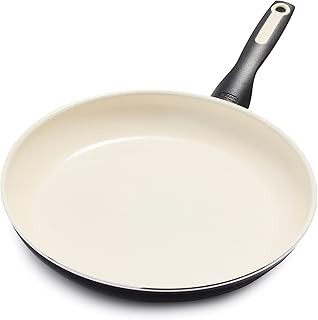
GreenPan GP5 Ceramic Nonstick 12" Skillet
Thermolon Minerals ceramic coating , PFAS-free and scratch-resistant
Buy on Amazon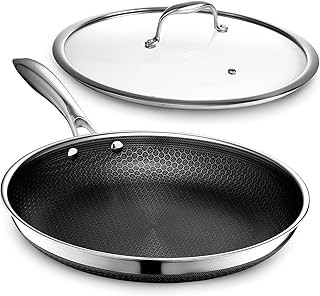
HexClad 12-Inch Hybrid Stainless/Nonstick Pan
Hybrid hexagonal surface combines stainless searing with nonstick release
Buy on Amazon| Product | Price Range | Top Strength | Key Weakness | Buy |
|---|---|---|---|---|
| Viking Culinary Hard Anodized Nonstick 10-Inch Fry Pan best overall | $$ | Hard anodized exterior is more durable than standard aluminum | PTFE coating will eventually degrade with use | Buy on Amazon |
| GreenPan GP5 Ceramic Nonstick 12" Skillet also consider | $$ | Thermolon Minerals ceramic coating , PFAS-free and scratch-resistant | Coating still degrades faster than PTFE with high-heat cooking | Buy on Amazon |
| HexClad 12-Inch Hybrid Stainless/Nonstick Pan also consider | $$$ | Hybrid hexagonal surface combines stainless searing with nonstick release | Very expensive for a nonstick-category pan | Buy on Amazon |
| Caraway Ceramic Nonstick Frying Pan 10.5" also consider | $$ | Ceramic-coated , PTFE and PFOA-free | Ceramic coating degrades faster than PTFE with high-heat or metal utensil use | Buy on Amazon |
| Joyce Chen 14-Inch Nonstick Wok with Flat Bottom also consider | $ | Flat bottom sits stably on induction and electric cooktops | Nonstick coating limits maximum heat , traditional wok cooking ideally requires higher temperatures | Buy on Amazon |
Induction cooktops don’t care about your brand loyalty. They work through electromagnetic fields, which means a pan either has a magnetic base or it doesn’t. No magnetic base, no heat. That’s the whole filter. What most people discover after that initial check is that “induction compatible” covers an enormous range of cookware quality, and an induction cookware griddle or skillet that technically works on the burner can still be a genuinely poor purchase. So the question isn’t compatibility. It’s which pans are actually worth buying for induction users who care about how food cooks, not just whether it cooks.
This guide covers five pans across a range of price points, coating types, and use cases. If you’re still sorting out the broader category before committing to a specific piece, the Nonstick & Ceramic hub is a reasonable starting point for understanding how coatings behave over time.
What to Look For in an Induction Cookware Griddle or Skillet
Magnetic Base Construction
The base of the pan has to contain ferromagnetic material to work on induction. For most nonstick pans, that means a stainless steel disc bonded into the base, or a hard-anodized aluminum body with a magnetic plate. When you see “induction compatible” on a nonstick pan, look for hard anodized construction or a clad stainless base rather than plain aluminum with a thin magnetic ring. The difference matters for heat evenness across the cooking surface, not just for induction compatibility.
Coating Type: PTFE vs. Ceramic
PTFE coatings (what most people call Teflon, though that’s a brand name) are more durable than ceramic coatings at comparable price points. They handle repeated high-heat cooking better and degrade more slowly. The tradeoff is that PTFE is fluoropolymer-based, which concerns some buyers on chemical exposure grounds, though current PTFE coatings are PFOA-free.
Ceramic coatings are PTFE and PFAS-free. They release food well when new, often have a more pleasant cooking surface in the first year, and handle oven temperatures well. The honest limitation: ceramic degrades faster than PTFE, especially if you run it hot regularly or use anything sharper than a silicone spatula. Plan to replace a ceramic nonstick pan sooner.
Oven Safety and Heat Limits
On induction, this matters more than people expect. Induction burners can concentrate heat, and if you’re finishing a frittata or searing and then roasting, you need to know the pan’s oven ceiling. Some nonstick pans top out at 400°F, which is a real constraint. Others go to 550°F or 600°F, which opens up considerably more cooking.
Weight
This is practical. A 12-inch nonstick pan that’s heavy enough to be awkward to lift with one hand is going to get used less often than one you can pick up without thinking about it. Hybrid pans with stainless construction run heavier than standard hard-anodized aluminum.
Top Picks
Best Mid-Range PTFE Pick: Viking Culinary Hard Anodized Nonstick 10-Inch Fry Pan
The Viking Culinary Hard Anodized Nonstick 10-Inch Fry Pan doesn’t have the name recognition of All-Clad or Calphalon in the nonstick category. That’s mostly a marketing gap, not a performance gap. The hard anodized exterior is more durable than standard aluminum, heats evenly on induction, and the PTFE coating behaves like PTFE should. It holds up better over time than ceramic at the same price point, which is the honest case for choosing PTFE if you’re not specifically avoiding fluoropolymers.
Oven-safe to 400°F, which is the limitation here. If you regularly finish dishes in a hotter oven, that ceiling will frustrate you. For stovetop-primary cooking on induction, including eggs, fish, and sauteed vegetables, this is a capable, sensibly priced option.
For a deeper look at how Viking handles induction across their broader cookware lineup, Viking Induction Cookware covers that ground.
Mid-range pricing. Check current price on Amazon.
Best Ceramic PTFE-Free Pick: GreenPan GP5 Ceramic Nonstick 12” Skillet
The GreenPan GP5 Ceramic Nonstick 12” Skillet uses GreenPan’s Thermolon Minerals coating, which is ceramic-based, PFAS-free, and meaningfully scratch-resistant compared to earlier GreenPan generations. The 12-inch size is useful for actual cooking rather than the undersized skillets that reviewers photograph for aesthetics.
Oven-safe to 600°F, which is the highest ceiling in this roundup for a ceramic pan and genuinely better than most competitors at this price band. If you’re finishing a pan sauce or sliding a frittata into a hot oven, that ceiling gives you room.
The coating still degrades faster than PTFE with high-heat cooking. That’s not a GreenPan problem specifically; it’s how ceramic nonstick behaves as a category. The handle can become uncomfortable during longer cooking sessions, which I noticed (I timed this) after about 20 minutes of active use.
Compared to Caraway, which is the other ceramic option here, GreenPan comes in at lower mid-range pricing for a larger pan. If you’re considering the Caraway but want more surface area for less money, this is where to look. Both are solid choices; the comparison largely comes down to size preference and how much the Caraway brand proposition matters to you.
Mid-range pricing. Check current price on Amazon.
Premium Hybrid Option: HexClad 12-Inch Hybrid Stainless/Nonstick Pan
The pitch on the HexClad 12-Inch Hybrid Stainless/Nonstick Pan is that the hexagonal laser-etched surface gives you the searing performance of stainless steel and the release properties of nonstick in one pan. The steel peaks of the hex pattern take direct contact with utensils, while the nonstick valleys handle food release. It works reasonably well in practice.
Here’s what I’d push back on: if you’re a competent home cook who already owns a good carbon steel or stainless skillet, you’re buying a single pan that does two things adequately rather than two pans that each do one thing very well. The All-Clad D3 Stainless 12-Inch, which I cooked with for eight years before moving to a mixed setup, sears better than HexClad. A dedicated PTFE nonstick releases eggs better than HexClad. What HexClad gives you is a single pan for someone who doesn’t want to manage multiple skillets, and a lifetime warranty that backstops the investment.
Premium pricing. One of the pricier options in this class. The warranty makes it easier to justify if you genuinely consolidate cookware rather than accumulate it. Check current price on Amazon.
Best Ceramic with Brand Backing: Caraway Ceramic Nonstick Frying Pan 10.5”
The Caraway Ceramic Nonstick Frying Pan 10.5” is the entry piece for buyers who want a single Caraway pan before committing to the full set. The ceramic coating is PTFE and PFOA-free, the magnetic stainless steel base works reliably on induction, and the oven ceiling of 550°F is high for ceramic in this category.
Coating durability is the honest conversation here. Caraway’s ceramic coating degrades faster than PTFE under regular high-heat use or with any metal contact. If you run your skillet hot and don’t baby it, a good PTFE pan will outlast a Caraway ceramic pan by a meaningful margin. If you use it for medium-heat cooking, hand-wash it, and use silicone utensils, the coating holds up considerably better. Whether that tradeoff is acceptable depends on how you actually cook, not how you intend to cook.
If you’re trying to decide between the Caraway and an alternative setup, Caraway Or Our Place covers that comparison directly. For more on Caraway’s manufacturing specifics, Where Are Caraway Pans Made is worth a read before you buy.
Mid-range pricing, at the upper end for a single 10.5-inch pan. Check current price on Amazon.
Best Budget Induction Wok: Joyce Chen 14-Inch Nonstick Wok with Flat Bottom
The Joyce Chen 14-Inch Nonstick Wok with Flat Bottom exists because induction cooktops require flat contact with the surface, and traditional round-bottom woks simply don’t work on them. If you’ve ever tried a round-bottom wok on an induction burner and gotten nothing, this is what fixes that.
The flat bottom sits stably on the induction surface, the hard-anodized nonstick handles stir-fry temperatures reasonably well, and the pan is light enough to toss vegetables one-handed, which is what you actually want from a wok.
The ceiling on this approach: a carbon steel wok, properly seasoned and used on a high-BTU gas burner, produces better wok hei at higher temperatures than any nonstick wok on any induction cooktop. Induction doesn’t reach the heat levels that traditional wok cooking calls for, and nonstick coatings add a further constraint on maximum temperature. If you’re cooking stir-fry on induction, this is the right tool for the format. If your benchmark is a seasoned carbon steel wok on a commercial gas range, nothing in this category will match it, and that’s worth knowing.
Budget pricing. Lowest price-point option in this roundup by a significant margin. Check current price on Amazon.
How to Choose
Start with coating type. If you avoid PTFE for chemical reasons, GreenPan or Caraway are the options. If coating longevity matters more than coating chemistry, the Viking PTFE pan will outlast both ceramic options with equivalent care.
Size is the next variable. The 10-inch Viking is a single-portion pan. The 12-inch GreenPan and HexClad handle family-sized meals. The Caraway 10.5-inch sits between. If you cook for two people regularly, 12 inches is the more useful size.
On budget: the Joyce Chen wok delivers specific functionality at a price point that makes it a straightforward decision if you cook stir-fry on induction. The HexClad is the premium consolidation play. The GreenPan and Viking sit at mid-range and are both honest value. Caraway charges a premium for the brand and the PTFE-free positioning, which is a fair exchange if those factors matter to you.
If this is prompting a broader look at your nonstick setup, the nonstick and ceramic cookware section covers the full category in more depth.
Frequently Asked Questions
Can any nonstick pan work on an induction cooktop?
No. The pan’s base needs to contain ferromagnetic material to generate heat on an induction surface. Standard aluminum pans without a magnetic base plate won’t work at all. Before buying, look for “induction compatible” in the product specifications, and specifically check that the base contains a magnetic stainless disc or hard-anodized construction with magnetic plate. A simple test at home: hold a refrigerator magnet to the base of any pan you already own. If it sticks firmly, the pan will likely work on induction.
Is PTFE nonstick or ceramic nonstick better for induction cooking?
For durability, PTFE. For avoiding fluoropolymers, ceramic. Induction cooktops concentrate heat at the base of the pan, which can accelerate coating wear, so starting with the more durable coating type is a reasonable default. If you avoid PTFE on chemical grounds, ceramic is a workable choice with the understanding that you’ll likely replace it sooner. Neither coating type affects induction compatibility.
Do flat-bottom woks actually work on induction cooktops?
Yes, flat-bottom woks work on induction. Round-bottom woks do not, because induction requires contact between the magnetic base and the flat cooktop surface. The Joyce Chen 14-Inch is purpose-designed for this. The tradeoff is that flat-bottom woks can’t be tossed with the same arc as a round-bottom wok, and the heat distribution differs slightly from traditional round-bottom design. For induction users who cook stir-fry regularly, a flat-bottom nonstick wok is the practical solution.
How long does a ceramic nonstick pan typically last on induction?
With careful use, including medium heat levels, silicone or wooden utensils, and hand washing, a quality ceramic nonstick pan like the GreenPan GP5 or Caraway should last two to four years before the coating degrades noticeably. High-heat induction cooking and metal utensils will shorten that significantly. PTFE pans at a similar price point typically outlast ceramic by a year or more under equivalent conditions.
Is HexClad worth the premium over a standard nonstick pan?
For most buyers, no. The HexClad hybrid surface performs well, but the premium pricing is substantial relative to a dedicated nonstick pan. Where HexClad makes sense is for cooks who want to own a single all-purpose skillet and don’t want to maintain separate stainless and nonstick pans. The lifetime warranty shifts the math somewhat. If you’re comparing it purely on nonstick release performance, a well-maintained PTFE pan at mid-range pricing is a better value.
Frequently Asked Questions
How do I know if a griddle is compatible with an induction cooktop?
A simple magnet test tells you immediately — hold a magnet to the bottom of the pan. If it sticks firmly, the pan has a ferromagnetic base and will work on induction. Most induction-compatible griddles will say so on the packaging, but the magnet test is a reliable field verification.
Why does my induction griddle have hot spots even though it heats up?
Induction heats only the area directly over the magnetic coil, so the heat must spread outward from the center through the pan's base material. Thin aluminum bases with a small magnetic disc conduct heat unevenly. Hard-anodized aluminum or clad stainless construction spreads heat more evenly across the cooking surface.
Can I use a cast iron griddle on an induction cooktop?
Yes. Cast iron is naturally ferromagnetic and works well on induction. It heats more slowly than clad pans but retains heat exceptionally well once at temperature, making it a strong choice for pancakes, bacon, and high-heat searing on induction.
Is a nonstick or stainless griddle better for induction cooking?
It depends on the task. Nonstick griddles (PTFE or ceramic) are better for pancakes, eggs, and delicate fish where release matters. Stainless or hybrid surfaces like HexClad are better for searing proteins where browning and fond development are the goal. Both work on induction.
What is the maximum heat setting I should use on an induction cooktop with a nonstick griddle?
Use medium to medium-high heat with nonstick-coated griddles. Induction cooktops heat pans very quickly, and nonstick coatings — both PTFE and ceramic — degrade faster when exposed to sustained high heat above 450-500°F. Start at a lower setting than you would on gas and adjust from there.
Where to Buy
Viking Culinary Hard Anodized Nonstick 10-Inch Fry PanSee Viking Culinary Hard Anodized Nonstic… on Amazon