Caraway Stainless Steel Fry Pan Review & Alternatives

Affiliate disclosure: Some links on this page are affiliate links. If you buy through them we earn a small commission at no extra cost to you. Recommendations are research-driven; we don't claim personal use of every product reviewed. Product prices and availability are accurate as of the date published and are subject to change. Always check Amazon for current pricing before purchasing. Learn more.
Quick Picks
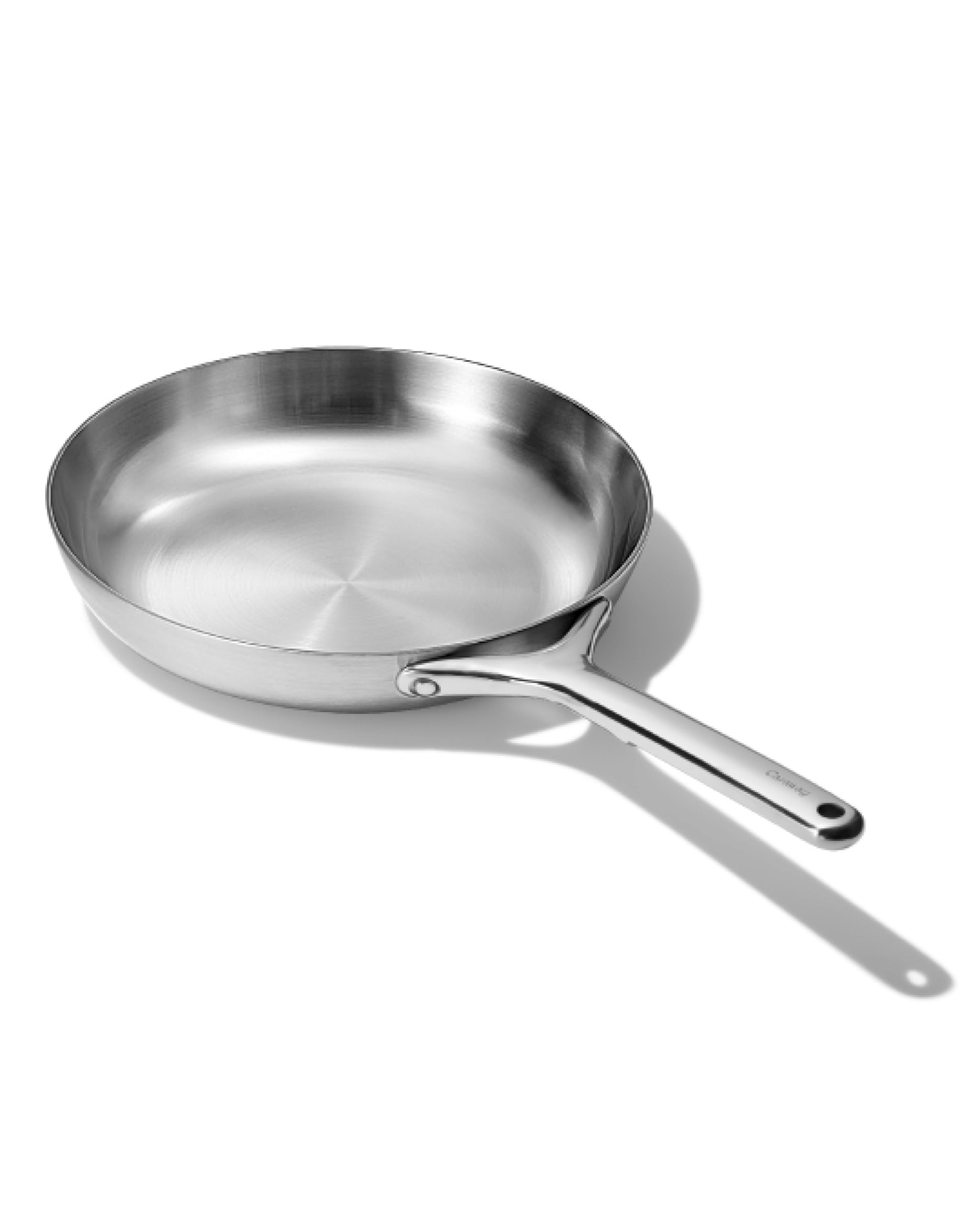
Caraway Stainless Steel Fry Pan
Stainless surface for high-heat searing , complements the ceramic nonstick line
Buy on Amazon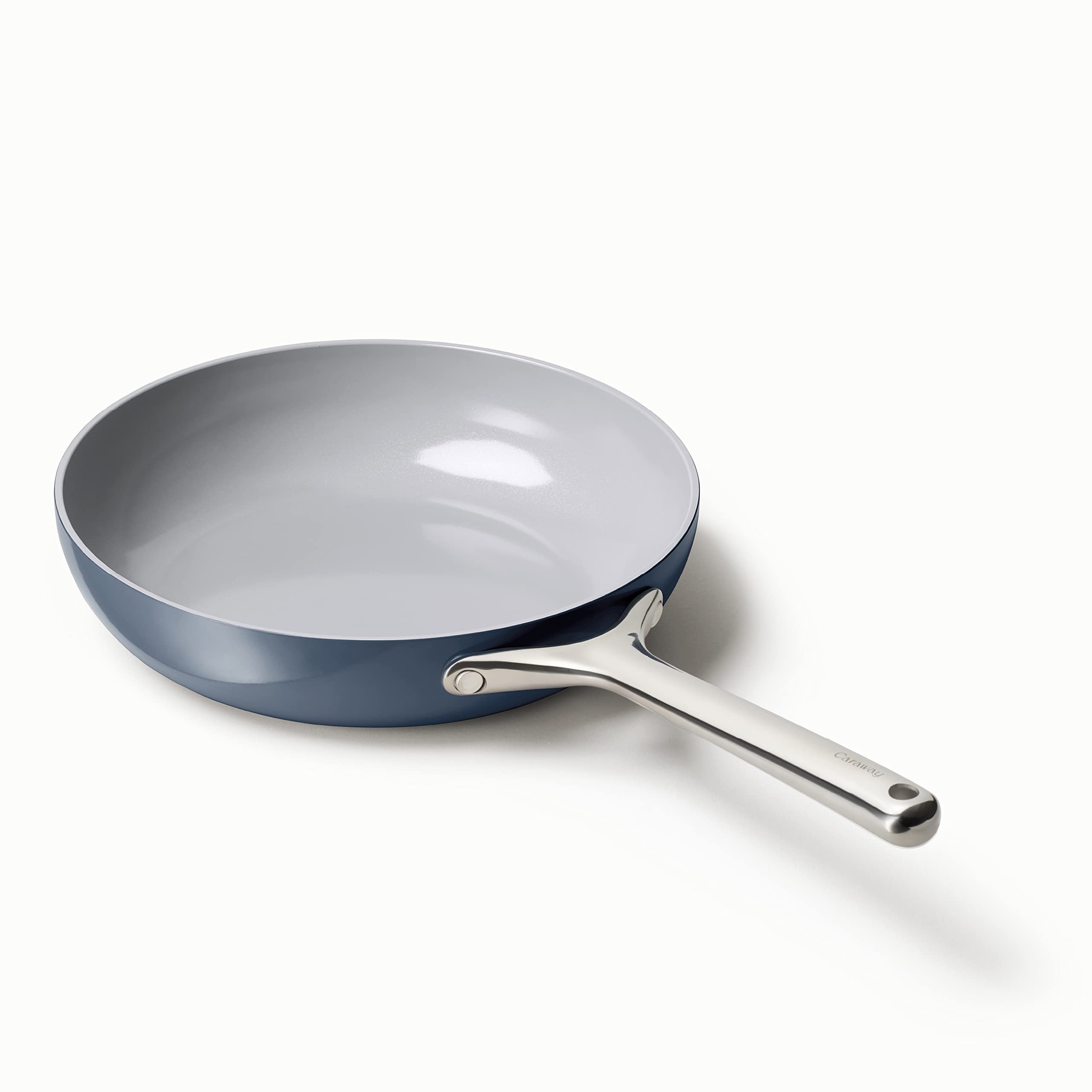
Caraway Ceramic Nonstick Frying Pan 10.5"
Ceramic-coated , PTFE and PFOA-free
Buy on Amazon
HexClad 12-Inch Hybrid Stainless/Nonstick Pan
Hybrid hexagonal surface combines stainless searing with nonstick release
Buy on Amazon| Product | Price Range | Top Strength | Key Weakness | Buy |
|---|---|---|---|---|
| Caraway Stainless Steel Fry Pan best overall | $$ | Stainless surface for high-heat searing , complements the ceramic nonstick line | Caraway's brand strength is ceramic nonstick , the stainless option is less differentiated | Buy on Amazon |
| Caraway Ceramic Nonstick Frying Pan 10.5" also consider | $$ | Ceramic-coated , PTFE and PFOA-free | Ceramic coating degrades faster than PTFE with high-heat or metal utensil use | Buy on Amazon |
| HexClad 12-Inch Hybrid Stainless/Nonstick Pan also consider | $$$ | Hybrid hexagonal surface combines stainless searing with nonstick release | Very expensive for a nonstick-category pan | Buy on Amazon |
| GreenPan GP5 Ceramic Nonstick 12" Skillet also consider | $$ | Thermolon Minerals ceramic coating , PFAS-free and scratch-resistant | Coating still degrades faster than PTFE with high-heat cooking | Buy on Amazon |
Caraway built its reputation on ceramic nonstick, and that reputation is largely deserved. But if you’ve cooked with the Caraway Ceramic Nonstick Frying Pan 10.5” long enough to love it, you’ve probably run into the ceiling: ceramic coating and screaming-hot searing don’t coexist well. So the question becomes whether you need a stainless pan to live next to your ceramic one, and whether that stainless pan should be the Caraway Stainless Steel Fry Pan or something else entirely. That’s what this guide is for.
For broader context on what to expect from ceramic and nonstick surfaces before you spend anything, the Nonstick & Ceramic hub covers the category from the ground up.
What to Look For in a Stainless or Ceramic Fry Pan
Surface Type and What It Actually Means at the Stove
Stainless steel and ceramic nonstick are not interchangeable. They solve different problems. Stainless is for high-heat searing, building fond, deglazing. Ceramic nonstick is for eggs, fish fillets, and anything else you want to release cleanly without wrestling with the pan. Buying the wrong one because it matches your other pans is a mistake people make more often than they’d admit.
If you’ve ever scorched a ceramic coating trying to get a decent crust on a chicken thigh, that’s exactly what stainless is built to handle. If you’ve ever watched eggs stick aggressively in a pan that got left on high heat too long, that’s ceramic doing what stainless always does.
Clad Construction vs. Disk Bottom
For stainless, clad construction (aluminum core bonded through the full sidewalls) matters when you’re sautéing, because heat needs to travel up the sides of the pan, not just the base. A disk-bottom pan heats unevenly at the walls, which is fine for boiling water and not much else. For a fry pan where you’re moving food around the sides, clad wins.
Coating Longevity and the PTFE vs. Ceramic Question
Ceramic coatings are PTFE-free and PFAS-free, which is the reason most buyers choose them over traditional nonstick. The tradeoff is durability. PTFE (Teflon-style) coatings generally last longer under daily use, particularly if someone in your household occasionally runs the pan too hot or grabs a metal spatula without thinking. Ceramic coatings degrade faster under those same conditions. If you want more detail on how this plays out with Caraway specifically, the Caraway cookware bad reviews article covers the failure patterns worth knowing before you buy.
Induction Compatibility
Not every ceramic pan works on induction. A magnetic stainless steel base is required. This matters more than it used to, given how many home kitchens have moved to induction in the last several years. Confirm compatibility before purchasing, especially if you’ve recently switched cooktops. For a broader look at what works, the nonstick cookware for induction guide is a useful reference.
Top Picks
Caraway Stainless Steel Fry Pan
The Caraway Stainless Steel Fry Pan exists primarily to answer a specific request from Caraway’s existing customer base: a searing pan in the same colorways and aesthetic as the ceramic set. It does that. The clad construction distributes heat evenly, it handles high-heat work without complaints, and if you’ve already bought into the Caraway system, the visual consistency is real.
The honest assessment: this is a decent clad stainless pan at mid-range pricing, but it isn’t doing anything that a comparable All-Clad D3 or Made In skillet doesn’t do. Caraway’s advantage has always been its ceramic coating, which is genuinely differentiated. The stainless pan is competent, but not exceptional on its own merits. Buy it if matching your existing Caraway setup matters to you and the price band works. Don’t buy it expecting something technically beyond what other mid-range stainless options offer.
Check current price on Amazon.
Caraway Ceramic Nonstick Frying Pan 10.5”
If you want one Caraway piece without committing to the full set, this is the right starting point. The Caraway Ceramic Nonstick Frying Pan 10.5” is PTFE and PFOA-free, works on induction, and is oven-safe to 550°F, which puts it above most ceramic pans in this class. The coating quality out of the box is good. It releases well, heats evenly, and the handle is comfortable.
The caveats are the same as any ceramic coating: use medium heat, use silicone or wood utensils, hand-wash it. Deviate consistently from those habits and you’ll shorten the coating’s life. The question isn’t whether the pan is good (it is) but whether you’ll treat a nonstick pan with enough discipline to get the mileage out of it. If that sounds patronizing, it isn’t meant to be. Most coating degradation in everyday kitchens is a usage issue, not a manufacturing defect.
At mid-range pricing, it costs more than a comparable PTFE nonstick at this size. That premium is for the ceramic surface and the Caraway aesthetic. If PTFE-free matters to your household, that’s a reasonable trade. If it doesn’t, there are less expensive options.
Check current price on Amazon.
GreenPan GP5 Ceramic Nonstick 12” Skillet
The GreenPan GP5 Ceramic Nonstick 12” Skillet is the direct comparison to the Caraway ceramic pan for buyers who don’t care about matching aesthetics and want to know which coating performs better. GreenPan’s Thermolon Minerals ceramic is scratch-resistant beyond what Caraway claims, the hard-anodized exterior is more durable than Caraway’s exterior finish, and the oven-safe temperature ceiling sits at 600°F versus Caraway’s 550°F.
Both are mid-range pricing, though the GreenPan tends to come in slightly lower on a per-pan basis. If you’re buying a single ceramic skillet and the Caraway color system doesn’t factor into your decision, the GreenPan GP5 is the stronger technical choice. The handle on longer cooking sessions is the one real complaint worth flagging: it gets uncomfortable after 20-plus minutes at the stove. (I noticed this making a large frittata. The pan didn’t care. My grip did.)
For buyers who are considering the full Caraway set and want to know what the tradeoffs look like across the brand’s lineup, where Caraway pans are made covers the manufacturing context that often comes up in these comparisons.
Check current price on Amazon.
HexClad 12-Inch Hybrid Stainless/Nonstick Pan
The HexClad 12-Inch Hybrid Stainless/Nonstick Pan makes a specific claim: you get searing performance and nonstick release in one pan, because the hexagonal laser-etched pattern puts stainless peaks in contact with food while the nonstick valleys handle release. The claim is partially true and partially marketing.
Here’s the honest version: the HexClad sears better than a pure ceramic nonstick. It also releases better than a pure stainless. But it does not sear as well as a dedicated stainless pan, and it does not release as cleanly as a dedicated nonstick. What you’re buying is a compromise that leans toward capable-at-both rather than excellent-at-either. For some kitchens, that’s the right answer. For a kitchen that already has dedicated stainless and dedicated ceramic pans, the HexClad doesn’t add much.
Premium pricing is the other factor. It costs significantly more than either the Caraway or GreenPan options. The lifetime warranty is real and worth something, and the metal-utensil-safe claim holds up better than most (the stainless peaks take the wear, leaving the nonstick valleys intact longer). If you want to go deeper on the HexClad system before committing, the HexClad utensil set review covers how their accessories interact with the hybrid surface.
My honest read: if you’re building a kitchen from scratch and want a single all-purpose pan, the HexClad is worth considering at premium pricing. If you’re adding to an existing setup, buy the dedicated tool that solves your specific problem.
Check current price on Amazon.
How to Choose
If You Already Own Caraway Ceramic
Buy the Caraway stainless to complete the set, or buy an All-Clad D3 and ignore the aesthetic mismatch. Both are mid-range or close to it. The functional difference is small. The decision is really about whether visual consistency in your cookware matters to you, which is a legitimate preference and not a trivial one, though I appreciate that’s not everyone’s priority.
If You’re Buying Your First Ceramic Pan
The Caraway 10.5” and the GreenPan GP5 12” are the real comparison. The GreenPan gives you a larger cooking surface and a marginally more durable coating at similar or slightly lower pricing. The Caraway has the better aesthetic and a stronger brand community around it. If you cook for more than two people regularly, the 12” surface on the GreenPan is the practical choice. If you’re cooking for one or two, the Caraway 10.5” is enough.
If You Want One Pan That Does Everything
The HexClad is the closest thing to that, but “everything” always costs something. You’re paying premium pricing for a pan that handles high-heat work and everyday cooking adequately rather than exceptionally at either. For buyers who have limited storage or genuinely cook across a wide range of techniques in a single vessel, that’s a defensible purchase. For buyers who are comfortable owning a stainless pan and a nonstick pan as separate tools, it isn’t.
The full picture on ceramic and nonstick options across this category is in the Nonstick & Ceramic hub, which covers pans at every price band if none of these four is the right fit.
Frequently Asked Questions
Is the Caraway stainless steel fry pan worth buying if I already have Caraway ceramic?
If you want a searing pan that matches your existing setup, yes. It’s a competent clad stainless pan at mid-range pricing, and it handles high-heat work that would degrade your ceramic coating. If matching aesthetics doesn’t matter to you, comparable stainless options from All-Clad or Made In are worth pricing out before you decide.
How long does the Caraway ceramic coating actually last?
With proper care (medium heat, no metal utensils, hand-washing), most users get two to three years of solid nonstick performance. High-heat use and metal utensils accelerate degradation significantly. The coating doesn’t fail overnight; it gradually loses release performance. If you’re hard on pans, a PTFE coating will outlast ceramic under the same conditions.
Can the Caraway ceramic frying pan be used on induction?
Yes. The magnetic stainless steel base is induction-compatible. This applies to the 10.5” ceramic frying pan specifically. If you’re building an induction-compatible set, Caraway works. For a broader comparison of ceramic pans that work on induction cooktops, the nonstick cookware for induction guide covers the options in more detail.
Is the HexClad hybrid pan actually nonstick, or is that marketing?
Both. The nonstick valleys in the hexagonal pattern do provide release performance meaningfully above bare stainless. But it’s not as slick as a dedicated ceramic or PTFE coating, particularly for eggs or delicate fish. The metal-utensil-safe claim is more reliable than most nonstick marketing because the stainless peaks absorb the wear. Expect nonstick-adjacent performance, not true nonstick performance.
GreenPan GP5 vs. Caraway ceramic: which coating holds up better?
The GreenPan Thermolon Minerals coating is rated as more scratch-resistant than Caraway’s ceramic coating, and the 600°F oven-safe ceiling gives it slightly more thermal headroom. In practical daily use, the difference is real but not dramatic if you’re following ceramic care guidelines with both. The GreenPan is the stronger technical choice on coating durability. The Caraway is the stronger choice if you want a cohesive cookware aesthetic or are buying into the full set.
Frequently Asked Questions
Why would I need a Caraway stainless steel pan if I already have their ceramic pans?
Ceramic nonstick coatings degrade under high heat, so they are not ideal for searing, browning, or deglazing. A stainless fry pan handles those high-heat tasks without damaging the coating, making it a functional complement to Caraway's ceramic pieces rather than a replacement.
Is the Caraway stainless steel fry pan fully clad?
The Caraway stainless fry pan uses a clad construction that distributes heat evenly. However, Caraway's brand reputation is built on ceramic nonstick, and its stainless option is less differentiated versus dedicated stainless brands like All-Clad or Tramontina at the same price point.
Can the Caraway stainless fry pan go in the oven?
Yes. Stainless steel pans are generally oven safe at high temperatures. Check Caraway's specific product specs for handle and temperature limits before using it above 500°F.
How does the Caraway stainless pan compare to HexClad?
HexClad's hybrid hexagonal surface combines stainless steel searing capability with nonstick release, making it a different product category than a pure stainless pan. HexClad is metal-utensil safe and more versatile, but it costs significantly more. The Caraway stainless is a straightforward stainless pan without nonstick properties.
Does food stick to the Caraway stainless steel fry pan?
Like all stainless steel pans, the Caraway stainless fry pan requires proper technique to minimize sticking — preheat the pan fully, add oil when hot, and allow food to release on its own before flipping. It is not nonstick and is best suited for searing, browning, and high-heat cooking where those properties matter.
Where to Buy
Caraway Stainless Steel Fry PanSee Caraway Stainless Steel Fry Pan on Amazon