Non Stick Cookware for Induction: 5 Tested Pans

Affiliate disclosure: Some links on this page are affiliate links. If you buy through them we earn a small commission at no extra cost to you. Recommendations are research-driven; we don't claim personal use of every product reviewed. Product prices and availability are accurate as of the date published and are subject to change. Always check Amazon for current pricing before purchasing. Learn more.
Quick Picks
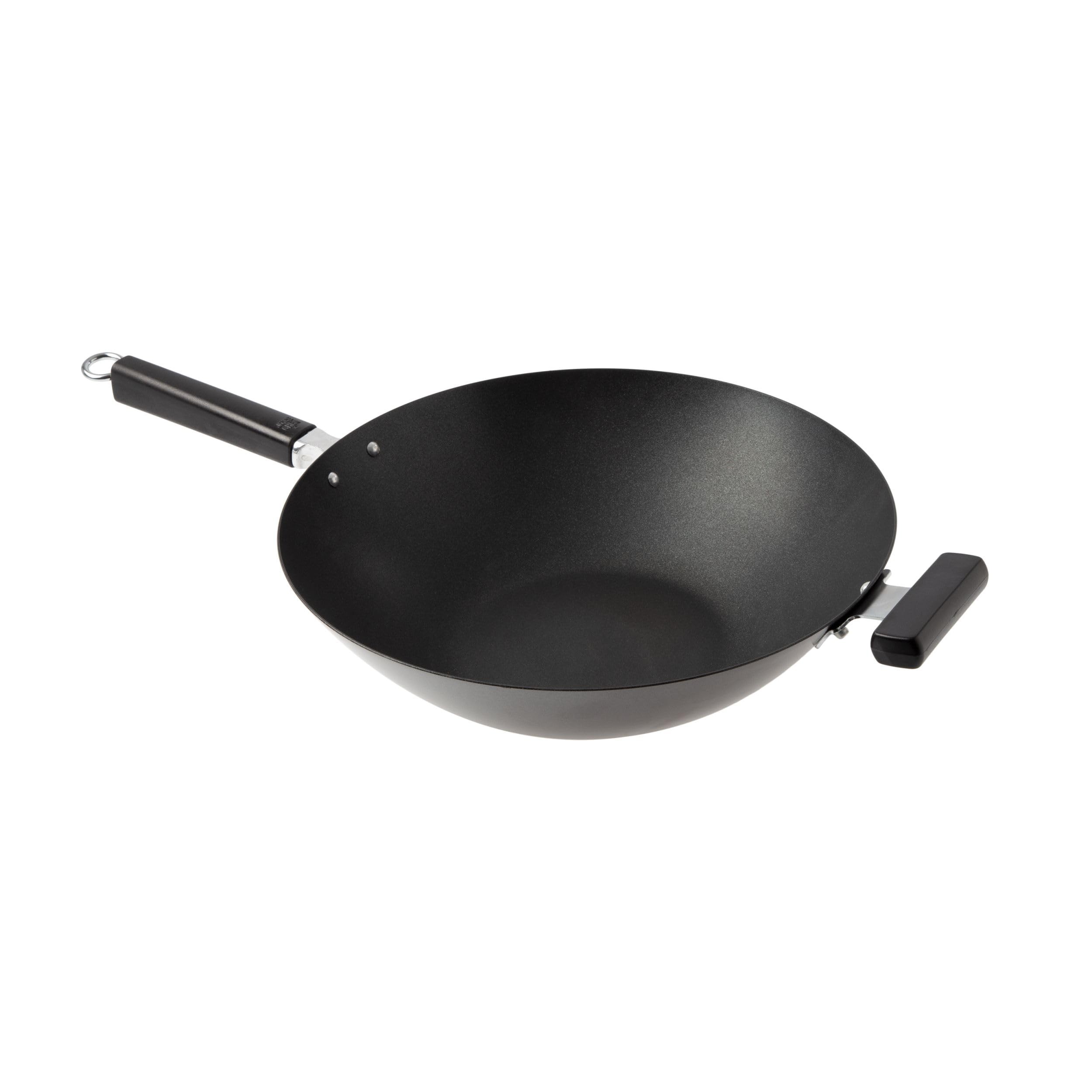
Joyce Chen 14-Inch Nonstick Wok with Flat Bottom
Flat bottom sits stably on induction and electric cooktops
Buy on Amazon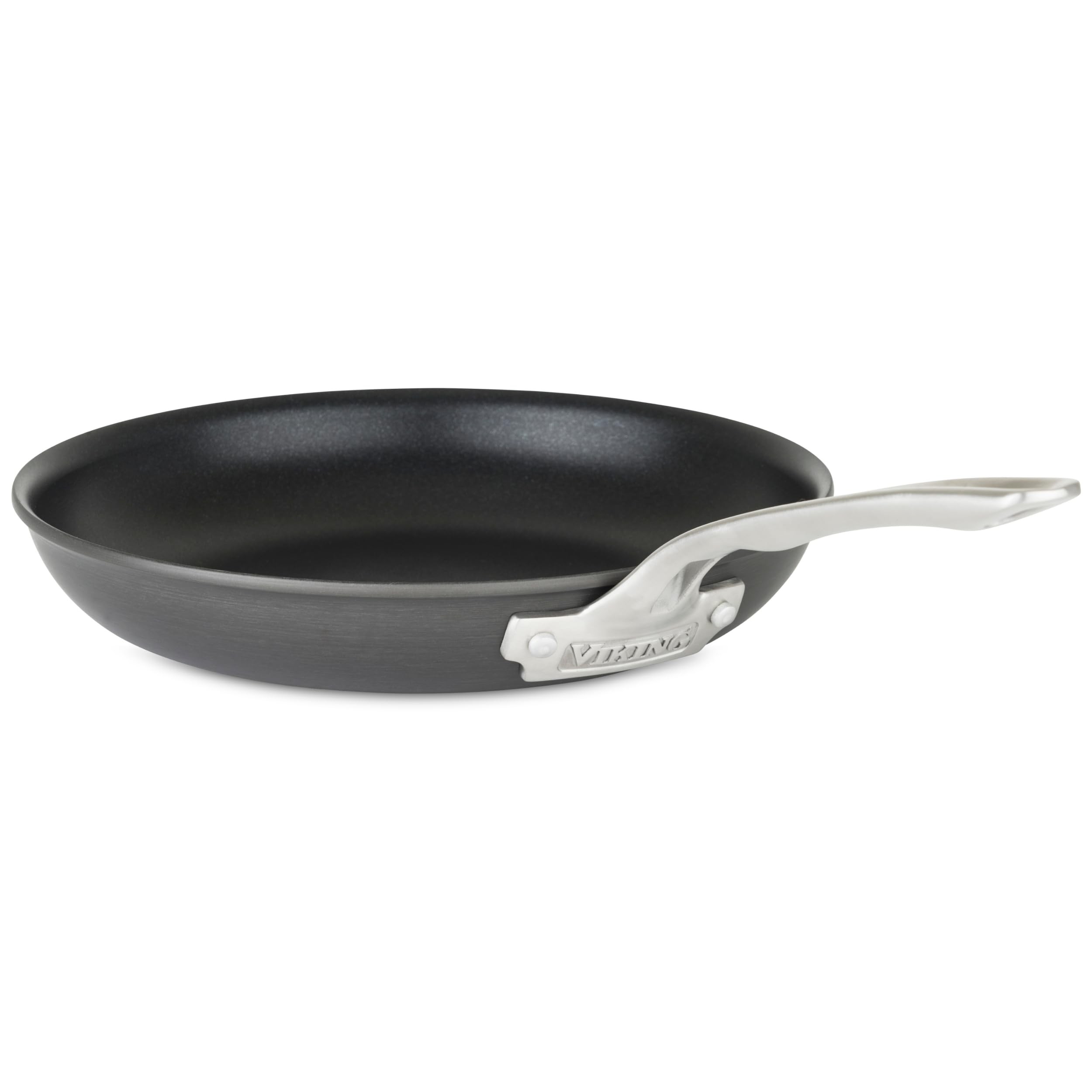
Viking Culinary Hard Anodized Nonstick 10-Inch Fry Pan
Hard anodized exterior is more durable than standard aluminum
Buy on Amazon
GreenPan GP5 Ceramic Nonstick 12" Skillet
Thermolon Minerals ceramic coating , PFAS-free and scratch-resistant
Buy on Amazon| Product | Price Range | Top Strength | Key Weakness | Buy |
|---|---|---|---|---|
| Joyce Chen 14-Inch Nonstick Wok with Flat Bottom best overall | $ | Flat bottom sits stably on induction and electric cooktops | Nonstick coating limits maximum heat , traditional wok cooking ideally requires higher temperatures | Buy on Amazon |
| Viking Culinary Hard Anodized Nonstick 10-Inch Fry Pan also consider | $$ | Hard anodized exterior is more durable than standard aluminum | PTFE coating will eventually degrade with use | Buy on Amazon |
| GreenPan GP5 Ceramic Nonstick 12" Skillet also consider | $$ | Thermolon Minerals ceramic coating , PFAS-free and scratch-resistant | Coating still degrades faster than PTFE with high-heat cooking | Buy on Amazon |
| Caraway Ceramic Nonstick Frying Pan 10.5" also consider | $$ | Ceramic-coated , PTFE and PFOA-free | Ceramic coating degrades faster than PTFE with high-heat or metal utensil use | Buy on Amazon |
| HexClad 12-Inch Hybrid Stainless/Nonstick Pan also consider | $$$ | Hybrid hexagonal surface combines stainless searing with nonstick release | Very expensive for a nonstick-category pan | Buy on Amazon |
Induction cooktops are less forgiving than gas about what you put on them. The coil needs a magnetic base to generate heat, which rules out most traditional nonstick aluminum pans outright and leaves buyers sorting through a confusing mix of ceramic coatings, hybrid surfaces, and hard-anodized constructions, all claiming induction compatibility. Some of those claims are accurate. Some are technically accurate but practically useless because the pan warps, heats unevenly, or loses its coating inside a year.
This guide covers five specific pans across the main categories in Nonstick & Ceramic cookware: a budget wok, two mid-range skillets with different coating philosophies, a ceramic alternative, and a premium hybrid. I own or have cooked with comparable products in each category long enough to have opinions worth sharing.
What to Look For
Magnetic Base, Not Just “Induction Compatible”
The marketing copy on nonstick pans uses “induction compatible” loosely. What you actually need is a magnetic stainless steel or cast iron base. Check the product specs for a magnetic base designation, or hold a magnet to the bottom of anything you already own. If it sticks firmly, the pan will work on induction. If it sticks weakly or not at all, no amount of clever wording changes that.
Hard-anodized aluminum pans are the category where this causes the most confusion. Aluminum alone does not work on induction. A well-made hard-anodized nonstick pan has a bonded magnetic base layer. A poorly made one may list induction compatibility but underperform because that base layer is thin and poorly bonded, leading to hot spots and uneven heating.
Coating Type: PTFE vs. Ceramic
PTFE (the coating category that includes Teflon) is more durable than ceramic under daily cooking conditions, particularly at moderate heat. It degrades eventually, and you should replace pans when the coating starts showing wear, but a well-maintained PTFE pan will outlast a comparable ceramic pan by a meaningful margin in most kitchens.
Ceramic coatings (like GreenPan’s Thermolon or Caraway’s proprietary coating) are PFAS-free, which matters to some buyers for health or environmental reasons. The tradeoff is a shorter functional lifespan, particularly if you cook at high heat frequently or use anything other than silicone or wood utensils.
Neither coating is “better” in an absolute sense. What matters is matching the coating to how you actually cook.
Weight and Handle Comfort on Induction
Induction cooking often involves more frequent pan lifting because you’re moving between burners or zones without the visual cue of a flame. A pan that’s fine on gas can get fatiguing on induction simply because you’re picking it up more. This is worth considering before buying a heavy hybrid or multi-ply construction for everyday nonstick use.
Top Picks
Best Budget Wok: Joyce Chen 14-Inch Nonstick Wok with Flat Bottom
The round-bottom vs. flat-bottom debate for wok users is genuinely settled by the cooktop, not by preference. A round-bottom wok cannot make stable contact with an induction surface. The Joyce Chen solves this with a flat base that sits flush and draws heat properly, which a round-bottom wok on an induction adapter ring does not replicate well.
The hard-anodized nonstick surface handles stir-fry temperatures capably for a home cooktop, though I want to be direct about the ceiling here. Traditional wok hei requires heat levels that a home induction burner cannot reach and that a nonstick coating should not be pushed to anyway. If that’s the cooking style you’re after, a seasoned carbon steel wok is the right tool and this is not a substitute. What this pan does well is stir-frying vegetables, eggs, noodles, and moderate-heat protein applications on an induction surface without sticking, at budget-category pricing. The lightweight construction is a practical advantage for one-handed tossing.
For anyone comparing this to an induction-compatible carbon steel wok, the Joyce Chen wins on convenience and coating maintenance. It loses on long-term durability and maximum heat capacity.
Best Mid-Range PTFE: Viking Culinary Hard Anodized Nonstick 10-Inch Fry Pan
Viking occupies a strange position in the cookware market. The brand has strong name recognition in appliances but less visibility than All-Clad or Calphalon in the nonstick skillet category. That lower profile works in the buyer’s favor here because the construction quality is solid at mid-range pricing.
The hard-anodized exterior is more durable than standard aluminum and the PTFE coating performs consistently at the temperatures induction home cooking actually involves: sautéing, eggs, fish, pan sauces. Oven-safe to 400°F, which covers most finishing applications. The induction-compatible base is properly bonded and heats evenly across the cooking surface without the edge-cool-center-hot problem that plagues cheaper constructions.
The comparison worth making directly is to the GreenPan GP5 Ceramic Nonstick 12” Skillet. If PFAS-free is a priority for you, GreenPan wins on that point. If longevity under regular cooking conditions is the priority, PTFE outperforms ceramic at the same price point, and the Viking is a better-built PTFE pan than most of its direct competitors.
Best Ceramic Nonstick: GreenPan GP5 Ceramic Nonstick 12” Skillet
GreenPan’s Thermolon Minerals coating is the reason this pan exists in the conversation. It’s scratch-resistant relative to other ceramic coatings, PFAS-free, and the 600°F oven tolerance is higher than most ceramic nonstick options at any price. The hard-anodized exterior and properly magnetic base mean induction performance is consistent.
The honest comparison here is to Caraway, which positions itself as the premium ceramic nonstick option and prices accordingly. GreenPan GP5 is less expensive and, in daily cooking, performs comparably on release and heat distribution. If you’ve read through the Caraway cookware bad reviews and found coating longevity concerns in the feedback, the GP5 has the same category limitation but costs less to replace.
The handle comfort issue is real on longer cooking sessions. It’s not a dealbreaker, but if you’re cooking a 45-minute braise finish or extended sautéing, you’ll notice it (I timed a 40-minute session where I switched to my All-Clad D3 simply because the grip became uncomfortable).
Best Entry Ceramic for Caraway Buyers: Caraway Ceramic Nonstick Frying Pan 10.5”
Caraway’s full cookware set gets most of the attention, but this single pan is the reasonable entry point for buyers who want to evaluate the ceramic coating before committing to a set. The magnetic stainless steel base works properly on induction, the 550°F oven tolerance is competitive for ceramic, and the coating releases well out of the box.
The coating durability question is the one that matters. Ceramic nonstick degrades faster than PTFE under high heat and degrades faster still if metal utensils are used. Caraway’s coating is not an exception to this. If you want to understand where the brand actually stands on longevity concerns, the where are Caraway pans made piece covers the manufacturing background, which affects how you’d weigh the premium pricing relative to expected lifespan.
At mid-range pricing (on the higher end of that band), this is more expensive than the GreenPan for a smaller cooking surface. What you get is the Caraway aesthetic and a well-constructed single piece. What you don’t get is meaningfully better coating performance.
Best Premium Hybrid: HexClad 12-Inch Hybrid Stainless/Nonstick Pan
The HexClad pitch is that the hexagonal surface pattern gives you stainless steel searing capability alongside nonstick release, in one pan, at oven-safe 500°F, with metal utensil tolerance and a lifetime warranty. Most of that is accurate.
The direct question is whether this is more practical than owning a dedicated stainless skillet and a dedicated nonstick pan. My answer is: for most cooks, no. The hybrid surface performs well at both functions but not at the level of a dedicated tool in either category. If you’re limited on storage or want a single daily-driver pan and are willing to pay premium pricing for it, HexClad makes a reasonable case. If you’re comparing the hybrid to a separate All-Clad D3 Stainless plus a dedicated nonstick, the dedicated pairing wins on pure cooking performance.
What HexClad does deliver: legitimate induction performance, durability that outlasts standard nonstick, and a surface that doesn’t require the careful handling ceramic demands. The HexClad ecosystem has expanded to include bakeware (the HexClad baking sheet is a related option worth knowing about) and if you’re building out a set, there’s practical logic to the brand cohesion. Before buying, it’s worth checking whether any HexClad promo code offers are available, given the premium price point.
The weight is a real drawback for daily nonstick use. This is a heavy pan.
How to Choose
If budget is the constraint and you need a wok specifically for induction, the Joyce Chen is the only sensible answer in this price band. There’s no comparable flat-bottom nonstick wok at budget pricing that beats it.
For everyday skillets, the coating decision comes first. PFAS-free is a meaningful priority for many buyers, and both the GreenPan GP5 and the Caraway serve that preference at mid-range pricing. The GreenPan is the better value, full stop. The Caraway makes sense if you prefer the design, are already in the Caraway ecosystem, or want the warranty support.
If PFAS-free is not the priority and you want durability from a nonstick coating, the Viking Culinary is the better daily pan. PTFE outperforms ceramic in regular cooking conditions and the hard-anodized construction holds up.
HexClad is for a specific buyer: someone who wants one serious pan, cooks across a wide range of techniques on induction, and has the budget for premium pricing. The hybrid claim has real merit. It just costs significantly more than any of the other options here.
For anyone still building out a nonstick setup and comparing categories, the full Nonstick & Ceramic section covers additional options beyond what’s covered in this guide. If induction griddle cooking is also part of your setup, the induction cookware griddle guide covers that category separately.
Check current pricing on Amazon before buying. These pans shift in price and the relative value comparisons in this guide depend on the relationships staying roughly consistent.
Frequently Asked Questions
How do I know if a nonstick pan will actually work on my induction cooktop?
Hold a magnet to the bottom of the pan. If it adheres firmly, the pan will work. Weak or no magnetic attraction means it won’t generate heat on an induction surface, regardless of what the packaging says. Most induction-compatible nonstick pans use a bonded magnetic stainless steel base layer.
Is ceramic nonstick safer than PTFE for induction cooking?
Ceramic coatings are PFAS-free, which is the substantive difference. PTFE coatings at modern manufacturing standards are considered safe under normal cooking temperatures. The concern with PTFE is overheating (above 500°F for extended periods), which is straightforward to avoid on an induction cooktop where heat is precisely controlled. Neither coating presents a meaningful health concern in normal use, though I appreciate that some buyers prefer to avoid PTFE entirely on principle.
Why does my nonstick pan heat unevenly on induction?
Uneven heating on induction almost always comes from one of two causes: a warped pan bottom that isn’t making full contact with the induction coil, or a thin or poorly bonded magnetic base layer. Cheaper hard-anodized pans sometimes have a magnetic base that’s adequate to activate the cooktop but not thick enough to distribute heat evenly. This is the case for spending a bit more on construction quality, even in budget and mid-range categories.
Can I use metal utensils on nonstick pans for induction?
Standard PTFE and ceramic nonstick pans should not be used with metal utensils. The coating will scratch and degrade faster, regardless of what some marketing copy implies. HexClad’s hybrid surface is the exception here, because the hexagonal steel peaks take the contact instead of the nonstick valleys. If metal utensil compatibility matters to you, HexClad is the only pan in this guide that legitimately supports it.
How long should a nonstick pan for induction last?
With proper care (no metal utensils, hand washing, avoiding overheating), a PTFE nonstick pan will typically last three to five years of regular cooking before the coating shows meaningful wear. Ceramic nonstick tends to degrade faster under the same conditions, often showing performance decline after one to two years of daily use. HexClad’s hybrid surface lasts longer than either because the coating is partially protected by the steel hex pattern. Replace any nonstick pan when food starts sticking in areas where it previously released cleanly.
Frequently Asked Questions
Why does nonstick cookware sometimes not work on induction cooktops?
Induction cooktops require a magnetic base to generate heat. Most traditional nonstick aluminum pans are not magnetic, so they produce no heat on induction at all. Look specifically for pans with a magnetic stainless steel base layer, not just the label 'induction compatible,' which can be applied loosely.
Is ceramic nonstick or PTFE nonstick better for induction cooking?
PTFE (traditional nonstick) outperforms ceramic in longevity and nonstick release quality, especially with high-heat induction cooking. Ceramic coatings are PFAS-free, which appeals to some buyers, but they degrade faster than PTFE under the same conditions. If durability matters, PTFE is the more practical choice.
What is a hybrid nonstick pan like HexClad and is it worth the premium?
HexClad's hybrid surface combines raised stainless steel peaks — which handle searing — with recessed PTFE valleys for nonstick release. It is metal-utensil safe and more durable than standard nonstick. The tradeoff is significant cost and food release that is slightly less slick than a dedicated nonstick surface.
Can nonstick induction pans handle high-heat cooking?
Hard-anodized nonstick pans can handle moderate to high heat better than standard nonstick. However, all PTFE coatings have temperature limits — typically around 500°F — beyond which the coating can degrade. Induction heats faster than gas, so medium heat settings often produce higher pan temperatures than expected.
How do I extend the life of a nonstick pan on an induction cooktop?
Use medium or medium-low heat settings — induction heats quickly and nonstick coatings degrade fastest at high sustained temperatures. Use silicone, wood, or nylon utensils. Hand wash rather than dishwash. And let the pan cool before washing to avoid warping the base, which can cause uneven contact with the induction coil.
Where to Buy
Joyce Chen 14-Inch Nonstick Wok with Flat BottomSee Joyce Chen 14-Inch Nonstick Wok with … on Amazon