Cuisinart Elite Food Processor: Which Model to Buy

Affiliate disclosure: Some links on this page are affiliate links. If you buy through them we earn a small commission at no extra cost to you. Recommendations are research-driven; we don't claim personal use of every product reviewed. Product prices and availability are accurate as of the date published and are subject to change. Always check Amazon for current pricing before purchasing. Learn more.
Quick Picks
Cuisinart 14-Cup Food Processor (CFP-14SVWGY)
14-cup capacity handles family-sized batches of dough, slicing, and shredding
Buy on Amazon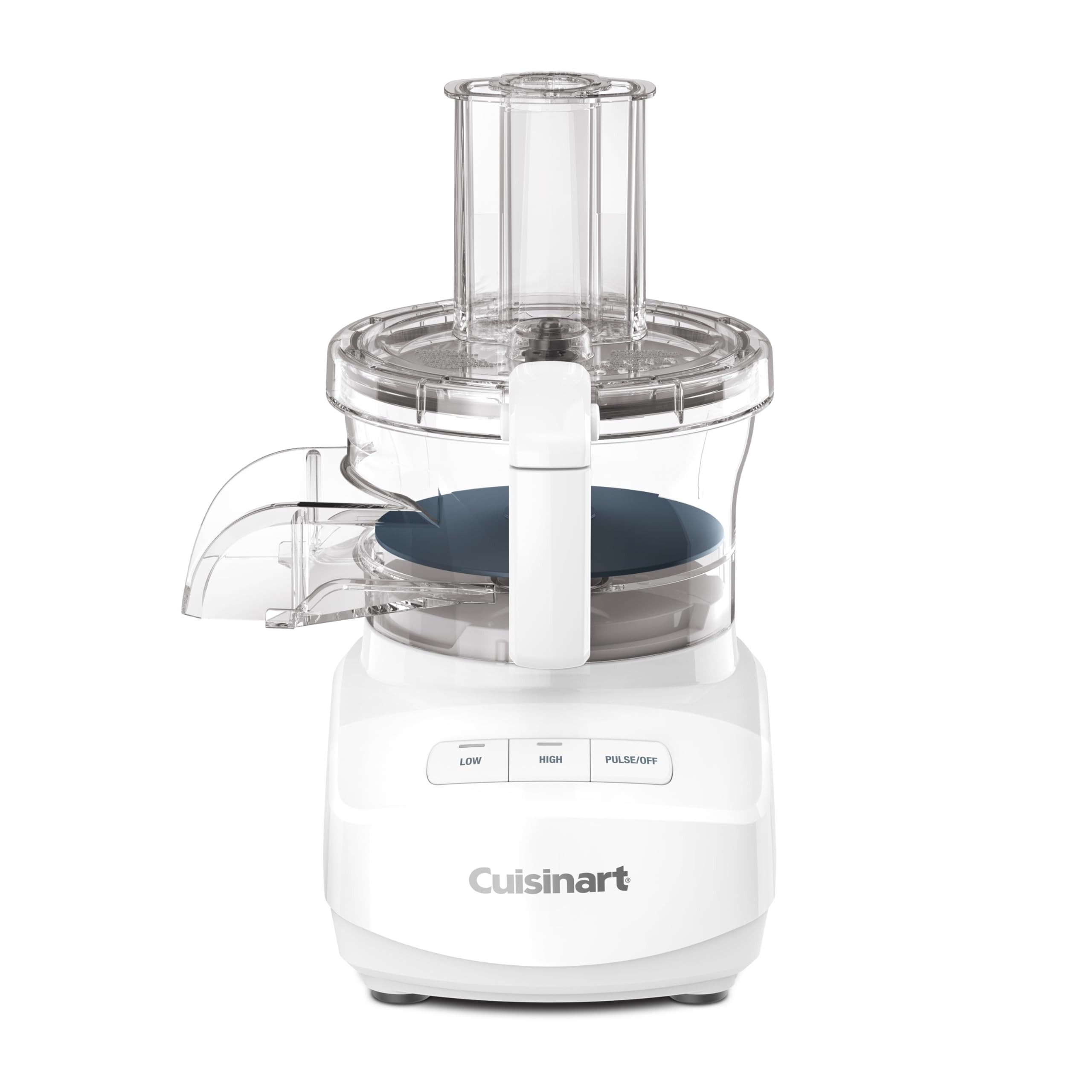
Cuisinart 9-Cup Food Processor (DFP-14BCWN)
More compact than the 14-cup , better for smaller kitchens and households
Buy on Amazon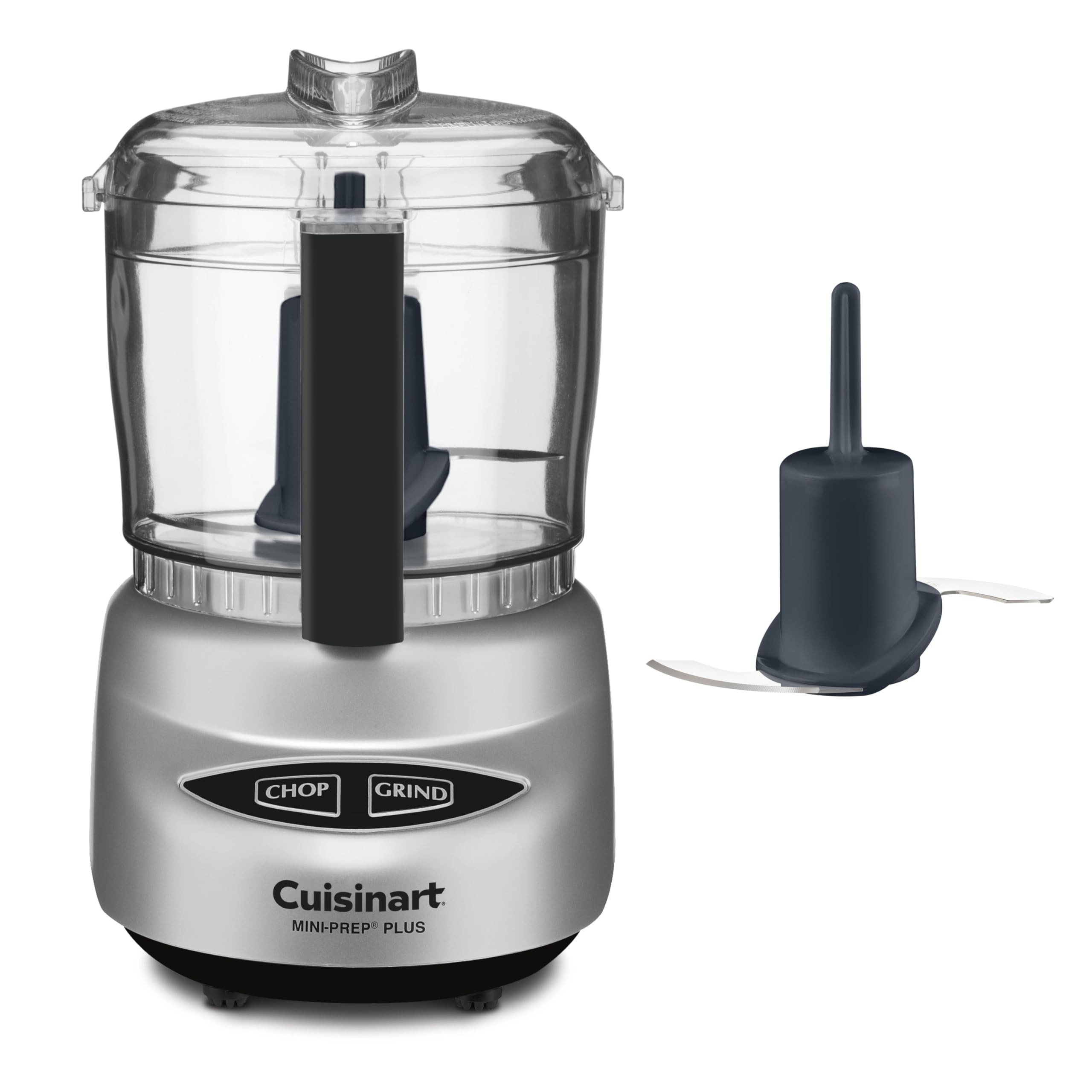
Cuisinart Mini-Prep Plus 3-Cup Food Processor
Compact enough to live on the counter permanently
Buy on Amazon| Product | Price Range | Top Strength | Key Weakness | Buy |
|---|---|---|---|---|
| Cuisinart 14-Cup Food Processor (CFP-14SVWGY) best overall | $$ | 14-cup capacity handles family-sized batches of dough, slicing, and shredding | Plastic bowl can stain with heavy use | Buy on Amazon |
| Cuisinart 9-Cup Food Processor (DFP-14BCWN) also consider | $$ | More compact than the 14-cup , better for smaller kitchens and households | 9-cup capacity too small for large batches of pie dough or bread dough | Buy on Amazon |
| Cuisinart Mini-Prep Plus 3-Cup Food Processor also consider | $ | Compact enough to live on the counter permanently | Only useful for small tasks , cannot slice or shred | Buy on Amazon |
| Breville Sous Chef 16-Cup Food Processor also consider | $$$ | 16-cup bowl with a 2.5-cup mini bowl for small tasks | Expensive , over $350 at full retail | Buy on Amazon |
If you search “Cuisinart Elite food processor,” you’ll find half a dozen models ranging from a three-cup mini to a full fourteen-cup workhorse, all sitting at different price points, with different bowls, different motors, and wildly different use cases. The decision is less obvious than Cuisinart’s marketing suggests. I’ve been cooking seriously for twenty-plus years, and the wrong food processor is one of those purchases that sits on your counter making you quietly resentful every time you use it. This guide is meant to prevent that.
For context on how I categorize food processors alongside other countertop equipment, my Small Appliances reference covers the broader landscape.
What to Look For in a Food Processor
Motor and Capacity Are Connected
A 700-watt motor in a nine-cup bowl behaves very differently from a 700-watt motor in a fourteen-cup bowl. More food means more resistance, which means more heat and more strain on the motor over time. Before you size up the bowl because “bigger is better,” think about what you’re actually processing. Pie dough for one crust, or four? A cup of hummus, or enough for a party? The motor spec and bowl size need to match your actual load.
If your regular tasks include nut butters, thick dips processed continuously for several minutes, or very stiff doughs, motor wattage matters more than it will to someone who pulses herbs twice a week. That distinction drives most of my recommendations below.
Blade and Disc Quality
The standard S-blade handles most chopping and mixing. The slicing and shredding discs determine whether your food processor earns counter space or stays in a cabinet. Cheap discs produce ragged cuts. If you’re slicing cucumbers or shredding cabbage for slaw, a disc that leaves torn edges is a real problem. Check whether the included discs have any thickness adjustment, or whether they’re fixed. Fixed is fine for most home cooks. Variable becomes useful when you’re slicing potatoes for a gratin and want control over thickness.
Bowl Material and Fit
Plastic bowls stain. This is a fact, not a complaint. Beets, turmeric, tomato paste: all of them leave their mark. The lid-to-bowl seal also matters more than it sounds. If the bowl doesn’t seat cleanly and lock with a satisfying click, you’ll be fiddling with it every single time you use the machine. That friction adds up.
Footprint and Storage
A food processor you have to retrieve from a low cabinet and then reassemble from three separate pieces is a food processor you’ll use twice a year. Counter real estate is finite. I keep a full-size and a mini on my counter permanently because both earn their space. If yours doesn’t, it needs to be easy to store.
Top Picks
Cuisinart 14-Cup Food Processor (CFP-14SVWGY): The Main Recommendation
This is the machine most households should buy. Mid-range pricing, fourteen-cup capacity, and a blade set that covers the practical majority of what a food processor does: slicing, shredding, chopping, dough mixing. I’ve used mine for large batches of pie dough, shredded cheese for gratin, sliced fennel for a salad, and processed bread crumbs. All of it worked cleanly.
The S-blade is sharp and the disc quality is noticeably better than older Cuisinart models. The bowl seals well. The interface is simple: two speeds and a pulse. No touchscreen, no unnecessary programming modes, no reason to read a manual.
What it won’t do: sustained heavy processing. If you’re making almond butter and running the machine for four to six minutes continuously, you’ll overheat the motor. That’s not what this machine is built for. Compared to the Breville Sous Chef 16-Cup Food Processor, which runs a 1200-watt motor, the Cuisinart’s motor is lighter duty. For 90 percent of home cooking tasks, that’s irrelevant.
The plastic bowl will stain with heavy use. Mine is lightly discolored from processing roasted red peppers. It bothers me aesthetically and not at all functionally.
Check current pricing on Amazon. At mid-range, it represents solid value against what you’d spend for the Breville.
Cuisinart 9-Cup Food Processor (DFP-14BCWN): For Smaller Households
The nine-cup model uses the same blade quality as the fourteen-cup and the same reliable Cuisinart motor. It costs less and takes up less counter space. If you’re cooking for one or two people and not regularly making large batches of dough, this is the size that actually fits the work.
The limitation is real: double a pie crust recipe or try to process a full head of cabbage, and you’re either working in batches or fighting a full bowl. The slicing disc also produces slightly thicker cuts than the fourteen-cup model (which I realize is a specific complaint, but it shows up when you’re slicing something delicate). For smaller-scale work, neither issue comes up.
If counter space is tight and you’re not feeding a large household regularly, this is the more practical machine, and the lower price is a genuine advantage.
Cuisinart Mini-Prep Plus 3-Cup Food Processor: The Case for Owning Both
I resisted the mini for years on the grounds that a full-size processor could handle small tasks. I was wrong, and I’ll say so plainly. A three-cup mini processor is faster for garlic, faster for herbs, faster for a small quantity of pesto or breadcrumbs than breaking out the full-size machine, loading the bowl, cleaning the bowl, and reassembling everything. The mini is on the counter, running in twenty seconds, and clean in another thirty.
It’s budget pricing and earns every cent of it. What it cannot do: slice, shred, or handle any quantity over roughly two cups without packing. Bowl staining is real with regular herb use, same caveat as the larger models.
If you already own a full-size food processor, I’d argue the mini is a worthwhile addition rather than a redundancy. If you cook with garlic and herbs daily, you’ll understand after about three uses.
Breville Sous Chef 16-Cup Food Processor: For High-Demand Cooking
Premium pricing. Roughly twice the cost of the fourteen-cup Cuisinart at mid-range. Justified if your cooking demands it.
The 1200-watt motor handles nut butters, stiff bread doughs, and continuous processing without complaint. The variable slicing disc adjusts from 0.3mm to 8mm thickness, which matters if you want paper-thin fennel for a salad versus thicker potato slices for a gratin. The sixteen-cup bowl comes with a 2.5-cup mini bowl included, so one machine covers both scales of work.
The parts count is higher than the Cuisinart. More discs, more bowls, more to wash. If you use the full range of what it offers, that’s a worthwhile trade-off. If you’d use the variable slicer twice a year, it isn’t.
For serious home cooks who process heavy loads regularly and want one machine to do everything, the Breville is the honest answer. For everyone else, the mid-range Cuisinart does the job at a significantly lower price.
How to Choose
Start with capacity relative to your actual cooking, not your aspirational cooking. The fourteen-cup sounds like headroom. For a household of two where you’re not making large batches of dough weekly, the nine-cup is the right fit. Buying more capacity than you use doesn’t make the machine better; it makes it harder to store.
If you regularly process heavy or dense ingredients for extended periods, the Breville’s 1200-watt motor is doing a different job than the Cuisinart’s lighter motor. That difference is not about brand loyalty. It’s physics. For standard home cooking, vegetable prep, pastry dough, sauces, and dips, the Cuisinart motor is sufficient. For nut butters and stiff bread doughs processed over several minutes, the Breville handles it without strain.
If you’re already considering the Breville motor for its power, it’s worth comparing how blending-focused tasks sort themselves out. Some cooks use a high-powered blender for nut butters and a food processor for everything else. If that describes you, the dry blade container for Vitamix is worth looking at before you commit to the premium food processor for that use case alone.
The mini processor question is separate from the full-size question. They’re not redundant. If you’re already looking at small appliances for your kitchen, the Large Immersion Blender is another tool that handles some of the same tasks a mini processor handles, but differently. Worth knowing which jobs you’d actually reach for each one to do.
For more context on how food processors fit alongside other countertop appliances, the full Small Appliances section covers related categories.
My actual advice: buy the fourteen-cup Cuisinart unless your household size, counter space, or specific cooking tasks point clearly toward a different size. Add the mini if you cook with fresh herbs and aromatics frequently. Upgrade to the Breville only if you’re making nut butters or continuous-load heavy processing a regular part of your kitchen work, and you’re willing to pay the premium for it.
Frequently Asked Questions
What is the difference between the Cuisinart 9-cup and 14-cup food processors?
The fourteen-cup handles larger batches, including full recipes of pie dough, larger quantities of sliced or shredded vegetables, and double-batch cooking without requiring you to work in stages. The nine-cup uses the same motor quality and blade set, costs less, and fits better in smaller kitchens or for smaller households. The slicing disc on the nine-cup produces slightly thicker cuts, which is only a practical issue if precision slicing is part of your regular cooking.
Can the Cuisinart 14-cup food processor handle bread dough?
Yes, with the dough blade included. For standard home bread recipes, it works well. For very stiff, high-hydration doughs processed over several continuous minutes, the motor will strain and overheat if pushed too hard. Cuisinart recommends against extended continuous runs at high resistance. If you bake bread frequently and process large, stiff doughs regularly, the Breville Sous Chef’s 1200-watt motor is the better tool for that specific task.
Is the Breville Sous Chef worth the premium price over the Cuisinart?
For cooks who will use the variable slicing disc, the 1200-watt motor for nut butters or heavy doughs, and the dual-bowl setup for both large and small tasks: yes. For cooks doing standard vegetable prep, pastry dough, sauces, and dips: the fourteen-cup Cuisinart at mid-range pricing handles those tasks without the additional cost or parts count. The Breville is not a better food processor for average use; it is a more capable machine for specific demanding uses.
Do food processors replace blenders?
Not fully. A food processor handles slicing, shredding, chopping, and mixing tasks that a blender cannot. A blender produces smoother purees and handles liquid-heavy tasks better than a food processor. They overlap on some jobs: pesto, hummus, chunky soups. For smooth soups and smoothies, a blender is the right tool. Some cooks own both because they don’t actually overlap on most daily tasks.
How do I prevent the plastic bowl from staining?
Process high-staining ingredients like beets, turmeric, and tomato paste in shorter bursts and rinse immediately after use. A light coat of cooking spray on the interior before processing staining ingredients reduces absorption. The staining is cosmetic and does not affect performance or food safety, but if bowl appearance matters to you, rinse immediately and avoid soaking the bowl in hot water, which opens the plastic and accelerates staining.
Frequently Asked Questions
What size Cuisinart Elite food processor should I buy?
Choose based on what you cook most often. A 3-cup mini handles herbs, garlic, and small sauces. The 9-cup suits households of 2–4 for everyday chopping and slicing. The 14-cup is best for large batches of dough, shredding vegetables, or cooking for a crowd.
Can the Cuisinart Elite food processor knead bread dough?
Yes, Cuisinart Elite models include a plastic dough blade designed for bread and pizza dough. However, the 9-cup model can be strained by large or stiff doughs — the 14-cup is the better choice if dough-making is a regular task.
Are Cuisinart Elite food processor parts dishwasher safe?
The bowl, lid, and most blades are top-rack dishwasher safe. The motor base should never be submerged or placed in the dishwasher. Always consult your model's manual, as some disc blades are recommended for hand-washing only to preserve sharpness.
How does the Cuisinart Elite compare to Breville food processors?
Cuisinart Elite models offer reliable performance at a lower price point, with straightforward controls and a proven motor. Breville models like the Sous Chef add features such as a variable-thickness slicing disc and a dual-bowl system, but cost significantly more. Cuisinart is the better value for most home cooks.
What is the warranty on Cuisinart Elite food processors?
Cuisinart Elite food processors typically carry a 3-year limited warranty on the motor and a 1-year warranty on parts and accessories. Register your product with Cuisinart after purchase to ensure full warranty coverage.
Where to Buy
Cuisinart 14-Cup Food Processor (CFP-14SVWGY)See Cuisinart 14-Cup Food Processor (CFP-… on Amazon