Cuisinart 9-Cup Food Processor: Is It Right for You?

Affiliate disclosure: Some links on this page are affiliate links. If you buy through them we earn a small commission at no extra cost to you. Recommendations are research-driven; we don't claim personal use of every product reviewed. Product prices and availability are accurate as of the date published and are subject to change. Always check Amazon for current pricing before purchasing. Learn more.

Quick Picks
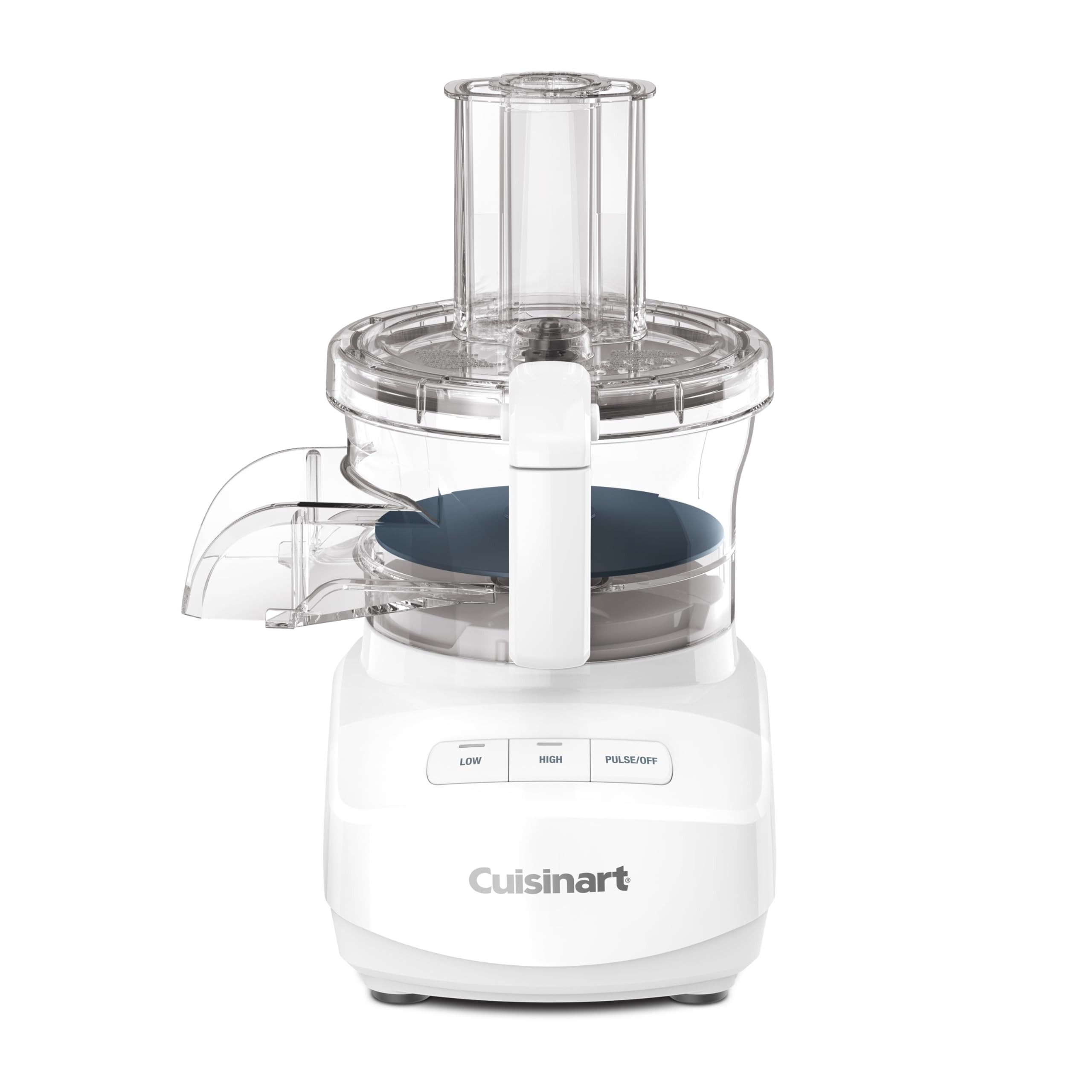
Cuisinart 9-Cup Food Processor (DFP-14BCWN)
More compact than the 14-cup , better for smaller kitchens and households
Buy on AmazonCuisinart 14-Cup Food Processor (CFP-14SVWGY)
14-cup capacity handles family-sized batches of dough, slicing, and shredding
Buy on Amazon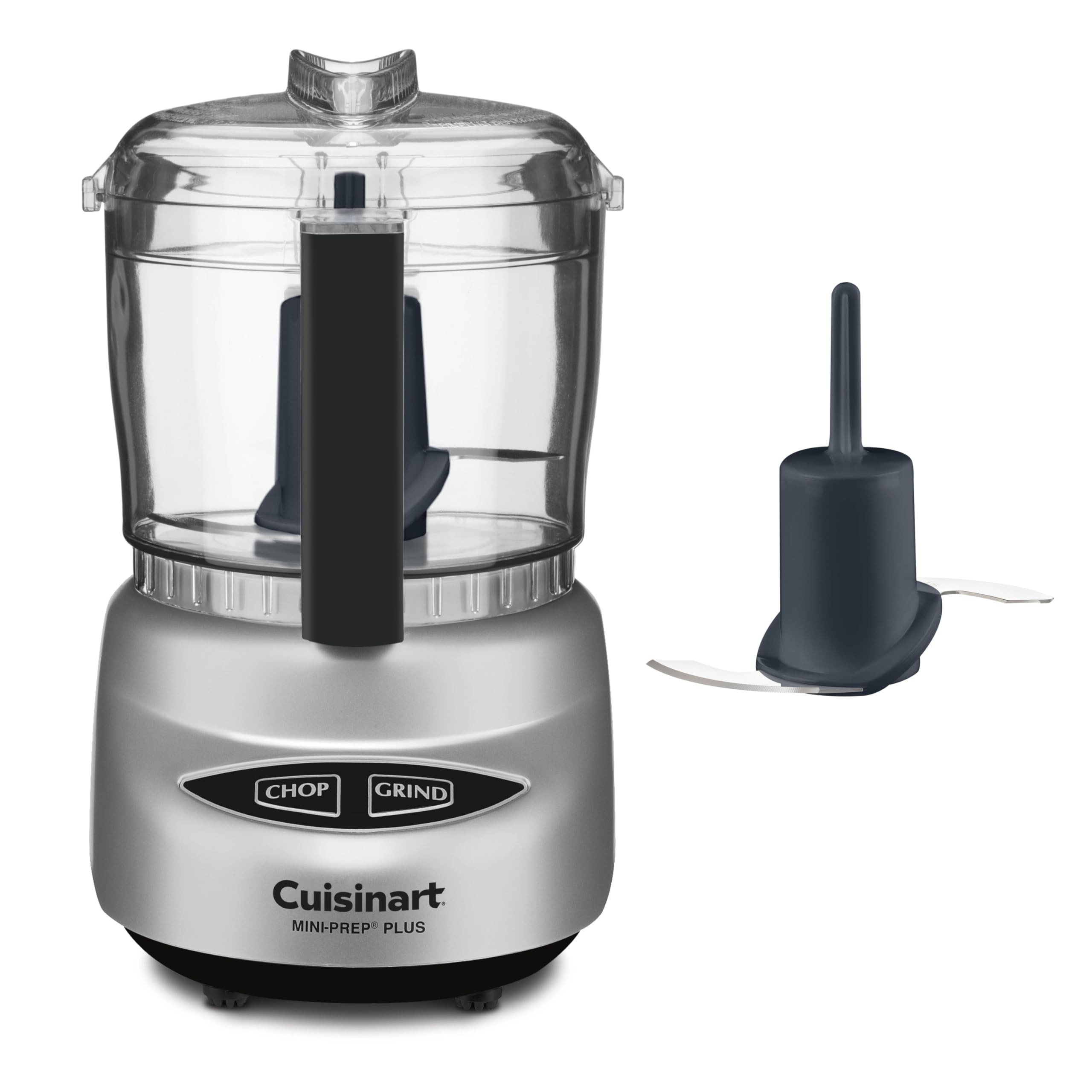
Cuisinart Mini-Prep Plus 3-Cup Food Processor
Compact enough to live on the counter permanently
Buy on Amazon| Product | Price Range | Top Strength | Key Weakness | Buy |
|---|---|---|---|---|
| Cuisinart 9-Cup Food Processor (DFP-14BCWN) best overall | $$ | More compact than the 14-cup , better for smaller kitchens and households | 9-cup capacity too small for large batches of pie dough or bread dough | Buy on Amazon |
| Cuisinart 14-Cup Food Processor (CFP-14SVWGY) also consider | $$ | 14-cup capacity handles family-sized batches of dough, slicing, and shredding | Plastic bowl can stain with heavy use | Buy on Amazon |
| Cuisinart Mini-Prep Plus 3-Cup Food Processor also consider | $ | Compact enough to live on the counter permanently | Only useful for small tasks , cannot slice or shred | Buy on Amazon |
| Breville Sous Chef 16-Cup Food Processor also consider | $$$ | 16-cup bowl with a 2.5-cup mini bowl for small tasks | Expensive , over $350 at full retail | Buy on Amazon |
The 9-cup food processor is the most requested size I get asked about, and almost always the question is the same: is the Cuisinart 9-cup enough, or should I go bigger? My answer is usually “it depends on one specific thing,” and this guide is going to walk through that one thing in enough detail that you can make the call yourself.
I’ve covered a fair amount of countertop equipment in the Small Appliances section, and food processors come up more than almost anything else because the size question is genuinely consequential. Buy too small and you’re processing in batches. Buy too large and you have a machine that doesn’t fit under your cabinets and produces mediocre results on small quantities. The stakes are low but the annoyance is real.
What to Look For in a 9-Cup Food Processor
Bowl Capacity and Batch Size
Nine cups sounds like a lot until you’re making a double batch of pie dough. The capacity spec refers to the bowl, not the practical working capacity. Standard guidance is to fill a food processor no more than two-thirds for dry tasks and half for wet. So a 9-cup bowl gives you roughly 4.5 to 6 cups of usable space depending on what you’re processing.
For a household of one to three people, that’s usually fine. For a family regularly making large batches of hummus, shredded vegetables for meal prep, or anything dough-related, the 9-cup will make you do it twice.
Motor Power
Most home food processors in this class run between 600W and 800W. That’s adequate for chopping, pureeing, and standard slicing. It is not adequate for nut butters, prolonged bread dough, or anything requiring continuous heavy friction. If those are regular tasks in your kitchen, pay attention to the motor spec before buying.
Blade and Disc Quality
The S-blade (the standard chopping blade) is the one you’ll use 80% of the time. Slicing and shredding discs vary more than you’d expect between models. Thicker slices are harder to control for applications like gratins or cucumber salads where uniformity matters. The slicing disc on the 9-cup Cuisinart cuts slightly thicker than the 14-cup equivalent. For most tasks, not a problem. If thin, consistent slices are a regular priority, worth knowing.
Counter Space and Storage
A 9-cup processor is meaningfully more compact than a 14 or 16-cup model. If you have limited counter space or a crowded cabinet, that physical difference matters. It’s not just aesthetics. A machine that lives in a cabinet rarely gets used.
Top Picks
Cuisinart 14-Cup Food Processor (CFP-14SVWGY): The Actual Recommendation
I’m going to be direct about something: if you came to this article looking for validation on the 9-cup, I’m not going to give you false encouragement. For most households doing real cooking, the Cuisinart 14-Cup Food Processor (CFP-14SVWGY) is the better purchase.
It’s mid-range pricing, the same price band as the 9-cup, and the capacity difference is the kind you feel immediately once you start making full recipes. It handles family-sized batches of dough, slicing, and shredding without requiring you to think about whether this batch will fit. The included blades cover chopping, slicing, shredding, and dough. The motor is reliable for standard tasks without drama.
The plastic bowl will stain if you process a lot of tomato-based sauces or curries regularly. That’s not a dealbreaker, but it’s real. And the motor is not designed for extended heavy processing. I wouldn’t run it continuously for nut butters. For roasting and grinding nuts in short pulses, fine. For making almond butter from scratch in a five-minute run, not the right machine.
Compared to the Breville Sous Chef 16-Cup, the Cuisinart 14-cup costs roughly half as much and is simpler to clean. If you’re not processing in genuinely large volumes or needing variable slice thickness, the Cuisinart does what it needs to do without overcomplicating the experience.
Cuisinart 9-Cup Food Processor (DFP-14BCWN): The Right Answer for a Specific Situation
The Cuisinart 9-Cup Food Processor (DFP-14BCWN) is the right machine if you are cooking for one or two people, have a genuine counter space constraint, and are not regularly making large batches of anything. It uses the same blade quality as the larger Cuisinart models and the same reliable motor platform. It comes in at a slightly lower price than the 14-cup, though not by a dramatic margin.
Where it falls short is predictable. Nine cups of capacity means a full batch of pie dough for a double-crust pie is a tight fit. Bread dough is not a realistic use case. And the slicing disc does produce slightly thicker cuts than the 14-cup model, which (I realize is a specific complaint) matters if you’re making scalloped potatoes or very thin cucumber rounds for anything where thickness uniformity is the point.
For a smaller kitchen, a one or two person household, or as a secondary processor, this is a reasonable machine at a reasonable price.
Breville Sous Chef 16-Cup Food Processor: The Premium Option Worth Knowing About
The Breville Sous Chef 16-Cup Food Processor is one of the pricier options in this class, roughly twice the cost of the Cuisinart 14-cup at full retail. The question is whether it earns that premium.
For most home cooks, the answer is no. For serious home cooks who use a food processor heavily, the answer shifts.
The differentiating feature is the variable slicing disc, which adjusts from 0.3mm to 8mm thickness. If you’ve ever used a Super Benriner mandoline and appreciated the control over slice thickness, the Breville slicing disc offers something similar in a food processor format. The 1200W motor handles nut butters and continuous heavy processing without the heat and strain you’d put on a lower-powered machine. The 16-cup bowl accommodates batches that would require two passes in the Cuisinart.
The tradeoffs are price and cleanup. More parts than a standard food processor, and the premium pricing is real. Check current pricing on Amazon before assuming. But if this is a machine you’d use four or five times a week and you care about slice precision, the Breville earns its cost.
Cuisinart Mini-Prep Plus 3-Cup Food Processor: The Case for a Second Machine
This is the argument I make to people who’ve decided to buy a full-size food processor: consider also buying the Cuisinart Mini-Prep Plus 3-Cup Food Processor. It’s budget pricing, small enough to live on the counter permanently, and genuinely faster for small tasks than pulling out a full-size machine.
Mincing four cloves of garlic. Chopping a handful of herbs. Making two tablespoons of pesto. Processing a quarter cup of nuts. For all of these, the mini is faster start to finish because the cleanup is thirty seconds and the machine is already out. The full-size processor in the cabinet gets used for meal prep and batch cooking. The mini handles the daily small tasks.
The bowl stains with regular herb processing. That’s unavoidable. It cannot slice or shred. But within its actual use case, it does exactly what it’s designed to do, and the budget price point makes it easy to justify alongside a more expensive machine.
If you’re weighing small countertop appliances more broadly, the Small Appliances section has comparisons across categories that might be useful context.
How to Choose
Start with the batch size question
Before anything else. What’s the largest volume task you do regularly? If the answer is “I make salsa once a week for two people,” the 9-cup is fine. If the answer involves the word “batch” or “double recipe” or “meal prep,” go to the 14-cup.
Counter space is a real constraint, not a preference
If the machine doesn’t fit comfortably, you won’t use it. That’s not a productivity tip, it’s just how kitchens work. The 9-cup Cuisinart is noticeably more compact than the 14-cup. If that’s the difference between a machine that lives on the counter and one that lives in a cabinet, factor that in.
Motor matters if you’re doing extended heavy work
For standard chopping, pureeing, and slicing, both Cuisinart models handle the work without issue. If nut butters, bread dough, or any continuous high-friction processing is on the list, the Cuisinart motors are not the right tools. The Breville 1200W motor is designed for that category of use.
The mini doesn’t replace a full-size processor
This is worth saying plainly because I’ve seen people buy the mini thinking it will do everything and then feel cheated. It won’t. It processes small quantities by chopping only. If you need slicing, shredding, or large batch capacity, you need a full-size machine. The mini is an addition, not a substitute.
If you’re deciding between a food processor and other prep tools, it’s worth checking how it compares to something like a large immersion blender for the tasks you do most. They overlap more than people expect on pureed soups and sauces.
Frequently Asked Questions
Is the 9-cup Cuisinart big enough for a family of four?
For light use, yes. For anything involving batch cooking, regular dough, or full-recipe shredding and slicing, the 9-cup will require you to process in multiple passes. A family of four doing regular meal prep will be better served by the 14-cup model.
What’s the difference between the Cuisinart DFP-14BCWN and the CFP-14SVWGY?
Despite the DFP-14BCWN model number suggesting otherwise, the DFP-14BCWN is the 9-cup model. The CFP-14SVWGY is the 14-cup. Beyond capacity, the 14-cup produces slightly thinner, more uniform slices and handles larger batch tasks without strain. Both run on comparable Cuisinart motors and use the same blade system.
Can the Cuisinart 9-cup food processor handle pie dough?
In small quantities, yes. A single crust, full recipe, is a tight fit. A double crust batch is not realistic. If pie dough is a regular task, the 14-cup is the more practical choice.
Is the Breville Sous Chef worth the premium over the Cuisinart?
For most home cooks, no. The Cuisinart 14-cup handles the tasks most households need without the additional cost or cleanup complexity. The Breville earns its premium for people who use a food processor heavily, need the variable slicing disc, or regularly process quantities that strain a standard motor. At roughly twice the price, it’s a meaningful gap to justify on features most cooks won’t use weekly.
Should I buy a mini food processor if I already have a full-size one?
Probably. If your full-size processor lives in a cabinet and you find yourself using a knife for small tasks because pulling out the full machine isn’t worth the cleanup, a mini processor on the counter will get used daily. At budget pricing, the Cuisinart Mini-Prep Plus is easy to justify as a complement to a full-size machine.
Frequently Asked Questions
Is the Cuisinart 9-cup food processor big enough for most home cooks?
For households of 1–3 people doing everyday chopping, slicing, and small-batch dips or dressings, the 9-cup is generally sufficient. However, practical working capacity is about 4.5–6 cups once you account for safe fill levels, so large batches of dough, shredded vegetables, or family-sized hummus may require two rounds.
Can the Cuisinart 9-cup food processor make bread dough?
It can handle small batches of bread or pizza dough using the included dough blade, but the 9-cup capacity is limiting for stiff, large doughs. For regular bread baking, the 14-cup model is a more practical choice.
What is the difference between the Cuisinart 9-cup and 14-cup food processors?
The 14-cup model handles significantly larger batches and has a more powerful motor to match, making it better for families or heavy food-prep users. The 9-cup is more compact, easier to store, and adequate for smaller households and everyday tasks.
How do I clean the Cuisinart 9-cup food processor bowl?
The bowl, lid, and blades are top-rack dishwasher safe. The motor base should be wiped down with a damp cloth only — never submerged. Hand-washing the blades is recommended if you want to preserve their sharpness over time.
What tasks is the Cuisinart 9-cup food processor best suited for?
It excels at chopping onions, garlic, and vegetables; making hummus, pesto, and dips; slicing and shredding cheese or produce; and mixing pastry dough in small batches. For very small tasks like mincing a single garlic clove, a 3-cup mini prep is more practical.
Where to Buy
Cuisinart 9-Cup Food Processor (DFP-14BCWN)See Cuisinart 9-Cup Food Processor (DFP-1… on Amazon