Enameled Cast Iron Baking Dish: 4 Tested Options

Affiliate disclosure: Some links on this page are affiliate links. If you buy through them we earn a small commission at no extra cost to you. Recommendations are research-driven; we don't claim personal use of every product reviewed. Product prices and availability are accurate as of the date published and are subject to change. Always check Amazon for current pricing before purchasing. Learn more.

Quick Picks
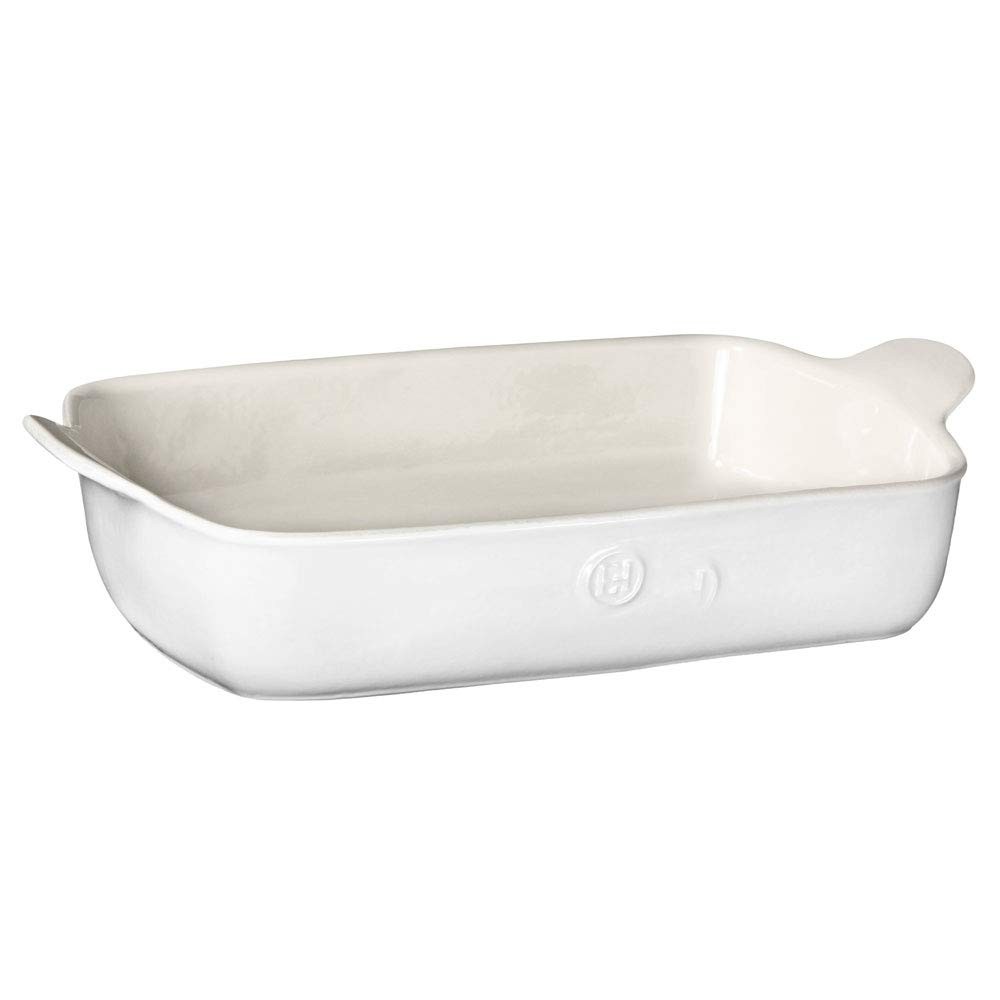
Emile Henry Flame Lasagna Dish
Ceramic construction distributes heat evenly , eliminates burnt edges
Buy on Amazon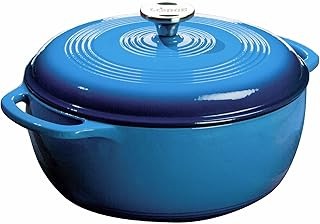
Lodge Enameled Cast Iron Dutch Oven 6-Quart
Enameled interior , no seasoning required, dishwasher safe
Buy on Amazon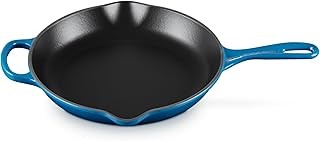
Le Creuset Signature Enameled Cast Iron Skillet 10.25"
Enameled interior , no seasoning required, non-reactive with acidic foods
Buy on Amazon| Product | Price Range | Top Strength | Key Weakness | Buy |
|---|---|---|---|---|
| Emile Henry Flame Lasagna Dish best overall | $$$ | Ceramic construction distributes heat evenly , eliminates burnt edges | More expensive than glass or metal baking dishes with similar function | Buy on Amazon |
| Lodge Enameled Cast Iron Dutch Oven 6-Quart also consider | $$ | Enameled interior , no seasoning required, dishwasher safe | Enamel quality not as refined as Le Creuset , more prone to chipping over time | Buy on Amazon |
| Le Creuset Signature Enameled Cast Iron Skillet 10.25" also consider | $$$ | Enameled interior , no seasoning required, non-reactive with acidic foods | Significantly more expensive than bare cast iron alternatives | Buy on Amazon |
| Cuisinart Chef's Classic Enameled Cast Iron 5-Quart Dutch Oven also consider | $$ | Enameled interior at under $100 , significantly cheaper than Le Creuset | Enamel quality noticeably thinner than Le Creuset or Staub | Buy on Amazon |
Enameled cast iron is a category where the marketing tends to run well ahead of the product. You’ll see words like “heirloom” and “restaurant-quality” attached to pieces that chip in the second winter, and you’ll find genuine workhorses buried under brands you’ve never heard of. After thirty years of cooking through apartments, rental kitchens, and finally a Maine kitchen with actual counter space, I’ve accumulated strong opinions about what holds up and what doesn’t. This guide covers four enameled cast iron baking dishes and Dutch ovens across the price range, with a direct answer on which one is worth your money.
If you’re still working through the basics of cast iron care and want context before buying enameled pieces, the Cast Iron hub covers the category broadly.
What to Look For
Enamel Quality and Thickness
The enamel coating is the entire point of this category. It eliminates the reactive surface that makes bare cast iron a poor choice for tomato-based dishes, wine braises, and anything acidic. But enamel is only as useful as its durability, and durability varies considerably between manufacturers.
Thick enamel, applied in multiple coats, resists chipping when a heavy lid drops or when a cold dish meets a hot oven. Thin enamel, which is more common in budget and mid-range pieces, behaves differently. It performs fine for the first two or three years, then starts showing cracks along rims and edges. The rim is where to look first on any piece you’re evaluating. Premium brands finish their rims in enamel. Lower-cost manufacturers often leave the rim in bare cast iron or apply a thinner coat there, which is the first place rust and chipping appear.
Thermal Performance
Cast iron holds and distributes heat better than stainless, glass, or ceramic-coated aluminum. That matters specifically if you’ve ever pulled a lasagna from the oven where the center is barely bubbling and the edges are already browning. Enameled cast iron behaves like bare cast iron thermally: it heats slowly, holds temperature once hot, and distributes heat evenly across the base and sides. For long braises and baked dishes, that consistency is the actual advantage.
The glass versus ceramic versus enameled cast iron question comes up constantly. Glass is cheap, lightweight, and easy to monitor. It’s also prone to uneven heating and thermal shock. Ceramic (like the Emile Henry pieces, which are ceramic rather than cast iron, despite appearing in this category) sits in between. Enameled cast iron is heavier and more expensive than both, but the thermal mass is in a different category entirely.
Fit and Finish
Lid fit matters for Dutch ovens. A lid that seats loosely allows steam to escape, which affects moisture-dependent dishes: braises, bread, anything where you’re using the trapped steam as part of the cooking environment. You can test this by lifting the lid slightly and releasing it. A well-fitted lid drops cleanly and seats with minimal wobble. This is one place where premium construction earns its price.
Handle design matters for baking dishes specifically. If you’ve ever tried to pull a full lasagna dish from a 400°F oven with bulky oven mitts and found yourself choosing between dropping it and burning yourself, you understand why handle clearance is a real specification rather than an aesthetic one.
Top Picks
Le Creuset Signature Enameled Cast Iron Skillet 10.25” (Premium)
The Le Creuset Signature Enameled Cast Iron Skillet 10.25” is the benchmark against which the other pieces in this category get measured, fairly or not. The enamel is thick, chip-resistant, and applied in a way that holds up to repeated thermal cycling over years of actual use. The interior is light-colored, which makes it easier to monitor fond development and judge the doneness of a sear. The piece comes with a lifetime warranty that Le Creuset actually honors.
The direct competitor here is Staub. Staub uses a dark matte enamel interior (black or dark gray) rather than Le Creuset’s cream-colored interior, and their lid design includes small spikes on the underside meant to self-baste. For braises, some cooks prefer Staub’s lid. For searing and monitoring browning, Le Creuset’s light interior is more useful. I’ve cooked with both. The Le Creuset is my preference for a skillet specifically because I want to see what’s happening in the pan.
It is one of the pricier options in this class. Premium pricing for cookware always prompts the question of whether it’s justified, and in this case the honest answer is: yes, if you plan to use it for decades. If you’re buying for occasional use or aren’t certain you’ll cook with it regularly, the Lodge is a better allocation of your money.
Lodge Enameled Cast Iron Dutch Oven 6-Quart (Mid-Range)
The Lodge Enameled Cast Iron Dutch Oven 6-Quart is the most honest value in this category. You get the same thermal mass as bare Lodge cast iron, enameled interior that requires no seasoning, and a price that sits roughly halfway between the Cuisinart and Le Creuset. For the cook who wants a reliable workhorse without committing to premium pricing, this is the pick.
The enamel is not Le Creuset quality. The porcelain finish is lighter and shows staining more readily. Over several years of regular use, chipping at the rim becomes more likely than it would with a Le Creuset or Staub. If you’re the kind of cook who keeps pieces for twenty years, that matters. If you cook regularly but don’t need a heirloom piece, the Lodge does the job without the premium outlay.
Available in multiple colors, dishwasher safe, and widely stocked. Those aren’t minor points if you’re actually buying cookware to use in a real kitchen.
Cuisinart Chef’s Classic Enameled Cast Iron 5-Quart Dutch Oven (Budget)
The Cuisinart Chef’s Classic Enameled Cast Iron 5-Quart Dutch Oven is the budget entry in this category, and the trade-offs are real rather than theoretical. Oven-safe to 500°F, non-reactive porcelain interior, and a wide flat base that distributes heat reasonably well across the bottom. For occasional braises and soups, it performs adequately.
The problems are the enamel thickness and the lid. Noticeably thinner than Le Creuset or Staub, which means a shorter useful life under regular use. The lid doesn’t seat as precisely as either premium brand, so dishes where retained steam matters (bread baking, for example) will produce inconsistent results.
My advice would be to treat this as a starter piece or a secondary pot rather than a primary workhorse. If you’re cooking a braise once a month, the Cuisinart is fine. If you’re using it three times a week, spend more and buy the Lodge.
Emile Henry Flame Lasagna Dish (Premium)
The Emile Henry Flame Lasagna Dish is technically ceramic rather than cast iron, which matters for the glass versus cast iron comparison that most baking dish buyers are actually making. Emile Henry’s Flame ceramic handles 520°F, goes from freezer to oven without cracking, and distributes heat evenly enough that you won’t get burnt edges while the center catches up.
The honest reason to consider this over a standard metal or glass baking dish is the edge problem. If you’ve pulled a lasagna from the oven where the pasta around the perimeter is hardened and dark while the center is still loose, that’s the uneven heating issue this addresses. The Emile Henry distributes heat across the entire base and up the walls in a way that glass simply doesn’t match.
It is premium pricing, heavier than glass, and harder to maneuver from a hot oven. The handles are workable but not generous. Worth knowing before you buy.
For context on other baking and grilling formats in this material category, the enameled cast iron grill pan guide covers a related cooking surface that comes up frequently alongside baking dish questions.
How to Choose
The decision tree here is shorter than the marketing suggests.
If you want one piece that does everything and plan to use it for the next twenty years, buy the Le Creuset Signature Enameled Cast Iron Skillet 10.25”. The premium pricing reflects enamel quality that holds up, a warranty that means something, and construction that won’t degrade noticeably over a decade of weekly use.
If you want a reliable Dutch oven at mid-range pricing, the Lodge Enameled Cast Iron Dutch Oven 6-Quart is the pick. It won’t outlast a Le Creuset under heavy use, but it will perform well for years at a price that doesn’t require justification.
If budget is the primary constraint and a Dutch oven is what you need, the Cuisinart handles occasional use without embarrassing itself. Don’t expect it to perform like a premium piece, because it won’t.
If you bake layered dishes regularly (lasagna, gratins, baked pasta) and have been frustrated by uneven results, the Emile Henry baking dish addresses a specific problem that a skillet or Dutch oven won’t solve.
One category worth mentioning: if you’re drawn to the durability and character of older cast iron in this space, the vintage Lodge cast iron cookware guide covers what to look for in the secondary market, which is a legitimate option for bare cast iron pieces.
Check current prices on Amazon before buying. These pieces move in and out of sale pricing, and the gap between budget and mid-range options in particular can shift enough to affect the decision.
The full Cast Iron category covers additional formats if you’re building out a cookware set rather than buying a single piece.
Frequently Asked Questions
Is enameled cast iron better than bare cast iron for baking?
For acidic dishes like tomato-based casseroles, fruit cobblers, or wine-braised meats, yes. The enamel coating eliminates the reactive surface that causes metallic flavors and discoloration in acidic foods. For neutral dishes like roasted vegetables or bread, bare cast iron and enameled cast iron perform comparably. The other practical difference is maintenance: enameled pieces don’t require seasoning and are generally easier to clean.
Can enameled cast iron go from the refrigerator directly into a hot oven?
Most enameled cast iron manufacturers advise against extreme thermal transitions, but the tolerance varies by piece. Le Creuset and Lodge recommend avoiding direct transfer from freezer to hot oven. The Emile Henry Flame ceramic is explicitly rated for freezer-to-oven use. If you regularly prep dishes ahead and refrigerate them before baking, let the piece come closer to room temperature before putting it in a preheated oven.
Why does the enamel chip on some pieces but not others?
Enamel thickness and application quality are the primary factors. Premium manufacturers apply enamel in multiple coats with controlled firing, producing a harder, more chip-resistant surface. Budget pieces use thinner enamel that is more vulnerable to impact and thermal stress. The rim of the piece is typically the most vulnerable point regardless of brand. Avoid banging lids against the rim and don’t stack pieces without padding between them.
Is the Le Creuset lifetime warranty worth the premium price?
It’s a factor, not the entire justification. Le Creuset’s warranty covers manufacturing defects, not chips or cracks resulting from impact or misuse. The more relevant point is that the enamel quality on Le Creuset pieces means you’re less likely to need a warranty claim in the first place. The premium pricing reflects construction quality, not just brand name. Whether that construction quality is worth the price difference over Lodge depends on how frequently you cook and how long you plan to keep the piece.
What’s the difference between enameled cast iron and ceramic baking dishes?
Cast iron, including enameled cast iron, has significantly more thermal mass than ceramic. It heats more slowly and holds temperature longer once hot. Ceramic heats and cools faster. For most baking applications, enameled cast iron produces more even results because the stored heat compensates for oven temperature fluctuations. Ceramic is lighter and typically less expensive. The Emile Henry pieces use a high-fired ceramic that performs closer to cast iron than standard ceramic bakeware, which is what justifies their positioning alongside cast iron options.
Frequently Asked Questions
What should I look for to tell if enameled cast iron enamel quality is good or poor before buying?
Check the rim first. Premium manufacturers like Le Creuset apply enamel all the way around the rim. Budget and mid-range pieces often leave the rim in bare cast iron or apply a thin coat there, which is the first place chipping and rust appear. Also look for enamel thickness at the base interior — premium enamel has a slightly smoother, more even appearance than the dimpled or rough surface of cheaper coatings.
Is enameled cast iron baking dish better than ceramic for lasagna and casseroles?
Ceramic, like the Emile Henry Flame Lasagna Dish, is actually better suited to open baking dishes for lasagna and casseroles than enameled cast iron. Enameled cast iron is heavier and better suited to Dutch ovens and covered braises. For open baking formats, ceramic's even heat distribution and lighter weight make it the more practical choice.
Can I use a Lodge enameled Dutch oven for baking bread?
Yes. The Lodge enameled Dutch oven handles no-knead bread baking the same way bare cast iron does — preheat covered to trap steam, then uncover for the final browning. The enamel doesn't affect the bread result, though the Lodge enamel is thinner than Le Creuset and shouldn't be preheated empty at extremely high temperatures for extended periods.
Why does Le Creuset cost so much more than Lodge or Cuisinart enameled cast iron?
Le Creuset's premium reflects enamel quality and manufacturing consistency. Their enamel is applied in more coats, resists chipping longer, and maintains its surface integrity through decades of use. Lodge and Cuisinart enameled pieces perform similarly in the first few years but typically show chipping along rims and edges sooner. The price gap is real and reflects durability, not just branding.
Is enameled cast iron safe for acidic foods like tomato sauce or wine braises?
Yes. The enamel coating is non-reactive, which is one of its primary advantages over bare cast iron. You can braise with wine, cook tomato-based dishes, and use citrus in your recipes without the metallic flavor transfer that bare cast iron can produce. This makes enameled cast iron significantly more versatile than unseasoned bare cast iron for everyday cooking.
Where to Buy
Emile Henry Flame Lasagna DishSee Emile Henry Flame Lasagna Dish on Amazon