Demeyere Atlantis Fry Pan: A Detailed Buyer's Guide

Affiliate disclosure: Some links on this page are affiliate links. If you buy through them we earn a small commission at no extra cost to you. Recommendations are research-driven; we don't claim personal use of every product reviewed. Product prices and availability are accurate as of the date published and are subject to change. Always check Amazon for current pricing before purchasing. Learn more.
Quick Picks
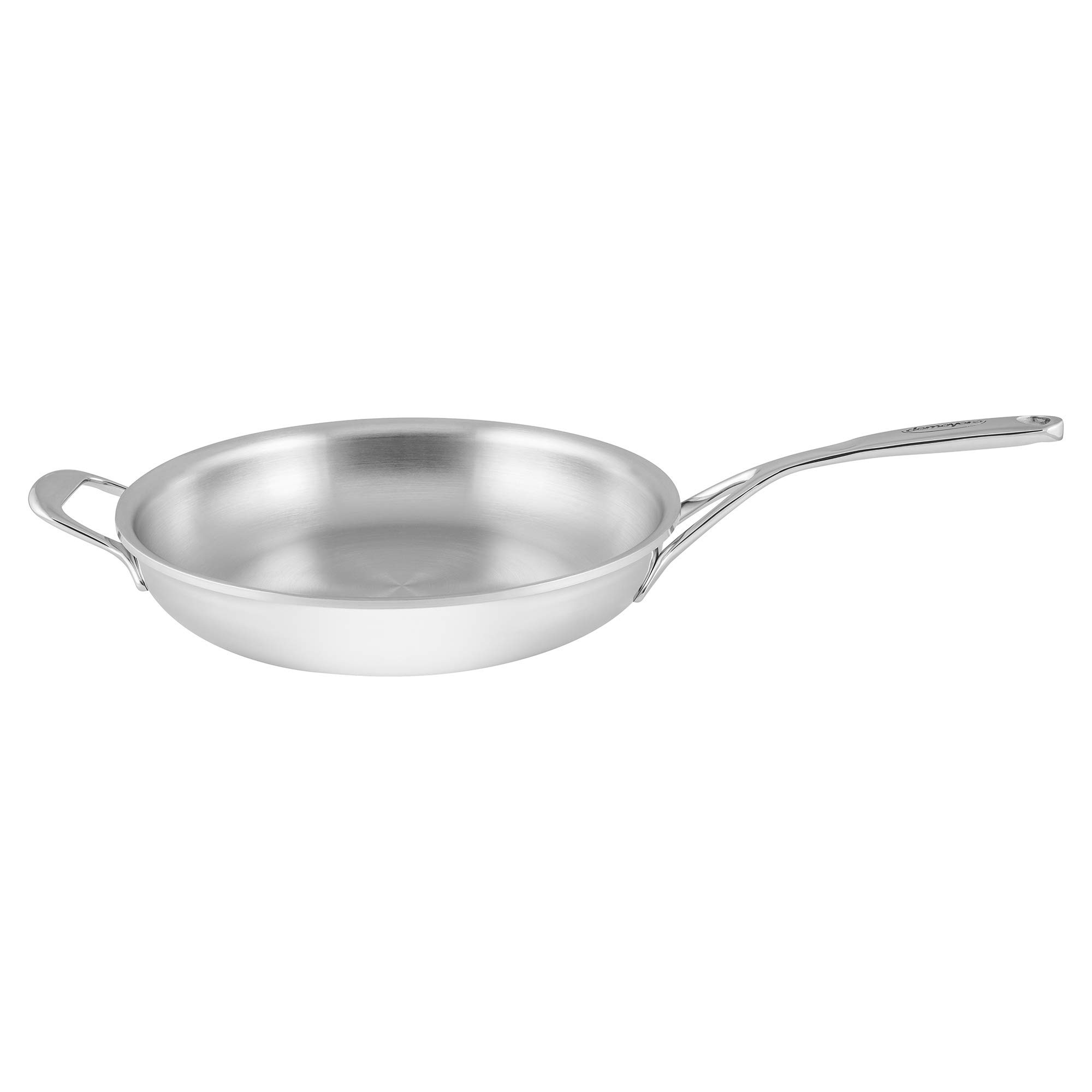
Demeyere Atlantis/Proline 11-Inch Fry Pan
Silvinox surface treatment prevents fingerprints and maintains satin finish
Buy on Amazon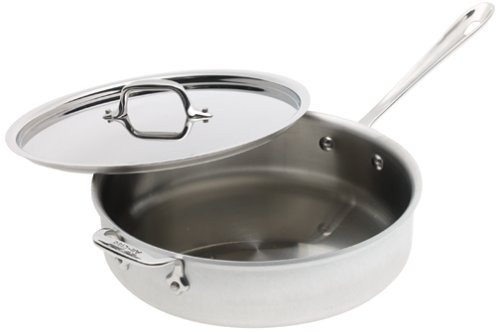
All-Clad D3 Stainless 12-Inch Fry Pan
Tri-ply construction bonds stainless and aluminum for perfectly even heating
Buy on Amazon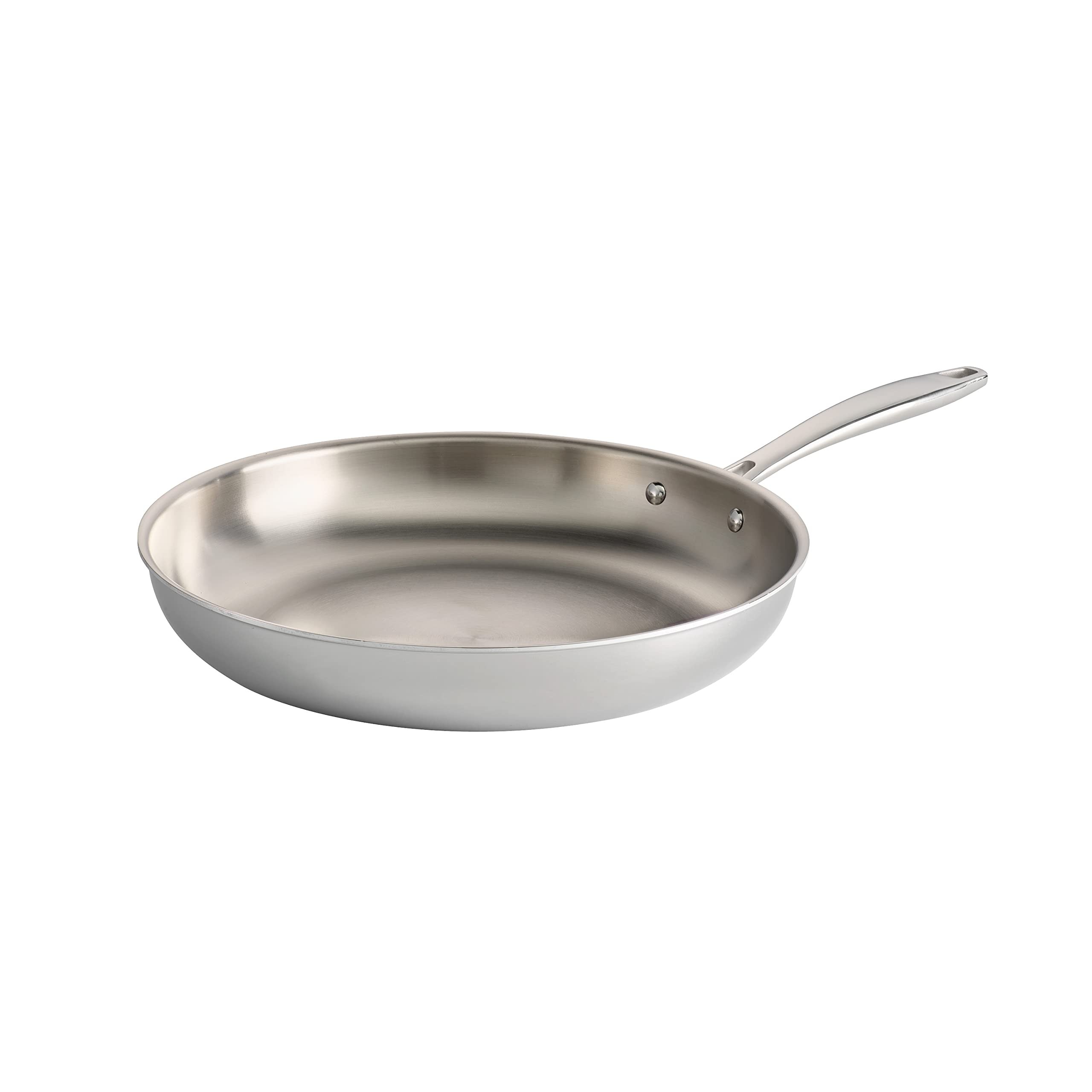
Tramontina 12-Inch Tri-Ply Clad Stainless Fry Pan
Genuine tri-ply construction , same bonding method as All-Clad at a fraction of the price
Buy on Amazon| Product | Price Range | Top Strength | Key Weakness | Buy |
|---|---|---|---|---|
| Demeyere Atlantis/Proline 11-Inch Fry Pan best overall | $$$ | Silvinox surface treatment prevents fingerprints and maintains satin finish | Most expensive pan in the Demeyere range , professional-grade pricing | Buy on Amazon |
| All-Clad D3 Stainless 12-Inch Fry Pan also consider | $$$ | Tri-ply construction bonds stainless and aluminum for perfectly even heating | Stainless surface requires technique to prevent sticking , not beginner-friendly | Buy on Amazon |
| Tramontina 12-Inch Tri-Ply Clad Stainless Fry Pan also consider | $$ | Genuine tri-ply construction , same bonding method as All-Clad at a fraction of the price | Slightly thinner gauge than All-Clad , marginally less heat retention | Buy on Amazon |
| Demeyere Industry 11-Inch Skillet also consider | $$$ | 5-ply TriplInduc base optimized specifically for induction cooktops | One of the most expensive stainless skillets available | Buy on Amazon |
| Mauviel M'Heritage Copper Skillet 9.5" also consider | $$$ | Copper body provides the fastest, most responsive heat adjustment of any material | Most expensive cookware material , significant investment per piece | Buy on Amazon |
The Demeyere Atlantis fry pan comes up constantly in serious cookware conversations, and for good reason. It is the most technically sophisticated stainless skillet in regular production, built to a specification that professional kitchens justify and home cooks occasionally covet. Whether the specification matches your actual cooking is a separate question, and one worth answering honestly before you spend accordingly.
This guide covers five pans across two price bands: four premium options and one mid-range alternative that holds its own in direct comparison. If you are researching the broader stainless skillet category first, the Stainless & Clad hub is a reasonable starting point before narrowing to specific models.
What to Look For in a Stainless Fry Pan
Construction layers matter, but so does what they’re made of
Tri-ply means three layers bonded together: stainless on the outside, aluminum in the middle, stainless on the cooking surface. Five-ply and seven-ply add more aluminum or additional alloy layers. More layers, when done correctly, means better heat distribution and greater retention. The word “clad” tells you the bonding runs the full height of the pan, not just a disc welded to the bottom.
What the layer count doesn’t tell you is the gauge of the core material. A thin seven-ply pan can perform worse than a thick three-ply pan. Ask about actual wall thickness, not just construction marketing.
Base compatibility with your cooktop
Induction cooktops require a magnetically responsive base. Most modern clad pans are induction-compatible, but the quality of induction performance varies. Demeyere specifically engineers its bases for induction efficiency, which matters if that is your primary heat source.
Weight and handle design
Heavier pans hold heat longer and recover faster after you add cold protein. They are also harder to maneuver. If you regularly deglaze by swirling or toss vegetables in the pan, a 4-pound skillet will become tiring. This is not a minor ergonomic footnote. A pan you use slightly wrong because it’s uncomfortable to hold is a pan that underperforms.
Surface treatment
Raw stainless develops a patina with use. Some pans, notably the Demeyere Atlantis, apply a surface treatment at manufacturing that resists fingerprints, prevents discoloration, and maintains the original finish longer. For a pan that will live on your stovetop daily, that matters more than it sounds.
Top Picks
Demeyere Atlantis/Proline 11-Inch Fry Pan: The Best Stainless Fry Pan Available
The Demeyere Atlantis/Proline 11-Inch Fry Pan is seven-ply with an InductoSeal base rated for 10,000 heating cycles. The Silvinox surface treatment is applied electrolytically to the stainless exterior and cooking surface, which does two things: it pulls iron and carbon to the surface during treatment, leaving a more chromium-rich layer that resists staining, and it produces the consistent satin finish you will still be looking at ten years from now.
This is premium pricing by any measure. Check current price on Amazon and compare it against what you currently spend on cookware per year. For buyers who cook daily and keep pans for decades, the math can close. For occasional cooks, it probably doesn’t.
The weight is real. This pan is heavy enough that one-handed tossing is not practical. Sauté techniques that rely on pan movement work better with a lighter skillet. What the Atlantis does well is searing, fond development, and any application where thermal mass and evenness matter more than agility.
If you are comparing Demeyere against All-Clad in more depth, the Demeyere vs All-Clad breakdown on this site covers the build philosophy differences directly.
All-Clad D3 Stainless 12-Inch Fry Pan: The American Standard
Eight years with the All-Clad D3 Stainless 12-Inch Fry Pan in my previous kitchen before switching to the Atlantis. The D3 is tri-ply, made in Pennsylvania, oven-safe to 600°F, and compatible with all cooktops including induction. The lifetime warranty is genuine and All-Clad honors it.
What the D3 does not have is the Silvinox surface treatment or the thermal mass of the Atlantis. After extended use, the interior shows heat discoloration in the center from repeated high-heat searing. Baking soda and water handles it, but it is a maintenance step the Atlantis skips. The D3 is also premium pricing, though it costs less than the Atlantis.
The D3 is not a compromise pick. It is the benchmark that everyone else is measured against in American stainless cookware. If the Atlantis pricing is beyond what you want to spend, the D3 is the correct answer.
Tramontina 12-Inch Tri-Ply Clad Stainless Fry Pan: The Honest Value Pick
The Tramontina 12-Inch Tri-Ply Clad Stainless Fry Pan is mid-range pricing and it has tri-ply construction bonded the same way as All-Clad. Professional cooks recommend it consistently, which is a meaningful signal. Home cooks who cannot justify premium pricing for a fry pan should look here first.
The differences from All-Clad are real but narrow. The gauge is slightly thinner, which means marginally less heat retention after you add a cold piece of fish or chicken. The handle ergonomics are functional but not refined. Neither of these complaints rises to a dealbreaker.
If you are building out a full stainless set on a realistic budget, a piece like this paired with a good stainless saucepan goes further than one Atlantis with nothing to accompany it. The stainless steel cookware sets comparison on this site covers that kind of set-building logic in more detail.
Demeyere Industry 11-Inch Skillet: Best Premium Option for Induction
The Demeyere Industry 11-Inch Skillet sits below the Atlantis in the Demeyere lineup, with 5-ply construction and the TriplInduc base engineered specifically for induction efficiency. Belgian-made, lifetime warranty, riveted handle that stays cooler longer than most stainless competitors. Premium pricing but below the Atlantis.
If induction is your primary cooktop and you want premium Belgian construction without the full Atlantis investment, this is where I would spend. The base optimization for induction is not marketing language. Demeyere has been building induction-specific cookware longer than most American manufacturers have been thinking about it.
The weight is close to the Atlantis, so the same one-handed tossing caveat applies.
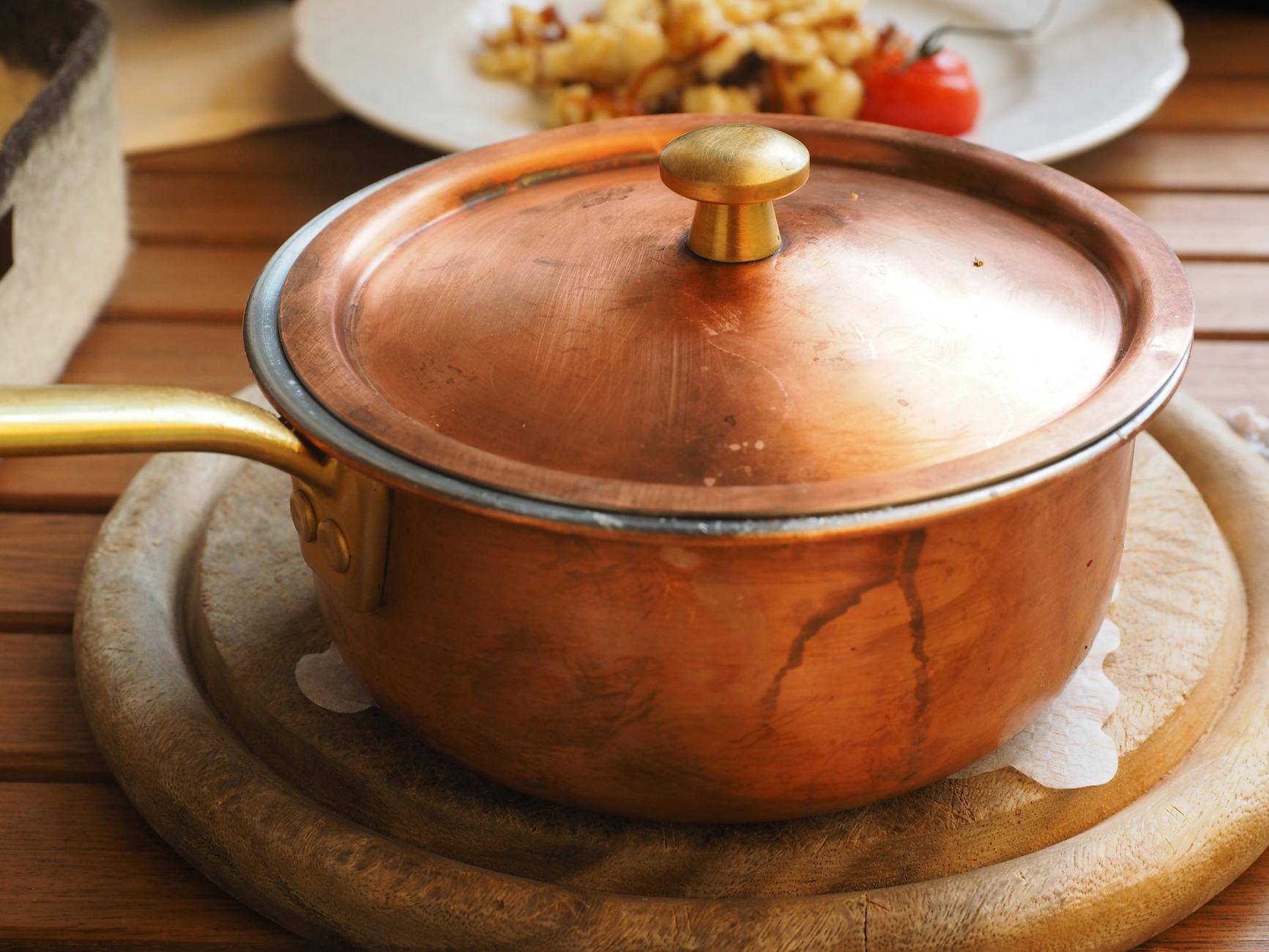
Mauviel M’Heritage Copper Skillet 9.5”: For Buyers Who Are Serious About Heat Response
The Mauviel M’Heritage Copper Skillet 9.5” is a different category of tool. Copper conducts heat faster and responds to temperature adjustments more quickly than any other cookware material. If you have ever turned down the burner under a stainless pan and waited fifteen seconds for the cooking surface to catch up, you understand the problem copper solves.
The interior is stainless steel, so cleaning is straightforward. The copper exterior requires polishing if you care about appearance. (I do not polish mine as often as the Mauviel literature suggests. It has developed a warm, uneven patina and I find it entirely acceptable.) Mauviel has been making copper cookware in Normandy since 1830, and this pan is handcrafted there. The Mauviel roasting pan follows the same construction approach if you want to understand the brand philosophy before committing to a skillet.
This is the most expensive option in this guide. It is also genuinely different from everything else here, not just incrementally better.
How to Choose
If you have gas or electric and cook seriously: start with the All-Clad D3
The D3’s oven-safe rating, domestic manufacturing, and lifetime warranty make it the default premium recommendation for gas and electric. The Atlantis is better, but the performance gap does not justify the price difference for most home cooking. If you eventually want to compare directly with the Demeyere line before deciding, the Demeyere vs All-Clad comparison covers the specifics.
If you cook on induction: consider the Demeyere Industry first
The TriplInduc base is a concrete engineering advantage on induction. The All-Clad D3 is induction-compatible, but Demeyere designed specifically around induction performance. The difference is detectable at high heat with quick temperature changes.
If budget is the primary constraint: the Tramontina is the answer
Mid-range pricing for genuine tri-ply construction. Stop second-guessing it and cook.
If you want the best and the price is not the deciding factor: buy the Atlantis
Seven-ply construction, Silvinox treatment, InductoSeal base, lifetime warranty. There is no better production stainless fry pan currently available for home use. The weight is a real consideration, not a caveat I am adding for completeness (which I realize sounds like a caveat). Cook with it before you commit if possible.
If heat responsiveness is your priority: Mauviel copper
No production stainless pan responds to temperature changes the way copper does. If precise, immediate heat adjustment is something you find yourself wanting, particularly for delicate proteins or sauce work, the Mauviel is the tool for that application.
For anyone who wants to continue researching before deciding, the full stainless and clad cookware guide covers material comparisons, construction methods, and category-wide buying advice.
Frequently Asked Questions
Is the Demeyere Atlantis worth the premium pricing compared to All-Clad?
For daily cooking over many years, yes. The seven-ply construction, Silvinox surface treatment, and InductoSeal base represent genuine engineering differences, not marketing distinctions. The All-Clad D3 is an excellent pan, but the Atlantis runs cooler on maintenance, distributes heat more evenly, and holds that performance over a longer lifecycle. If you keep pans for decades and cook frequently, the premium closes over time.
Does stainless steel require special maintenance to prevent sticking?
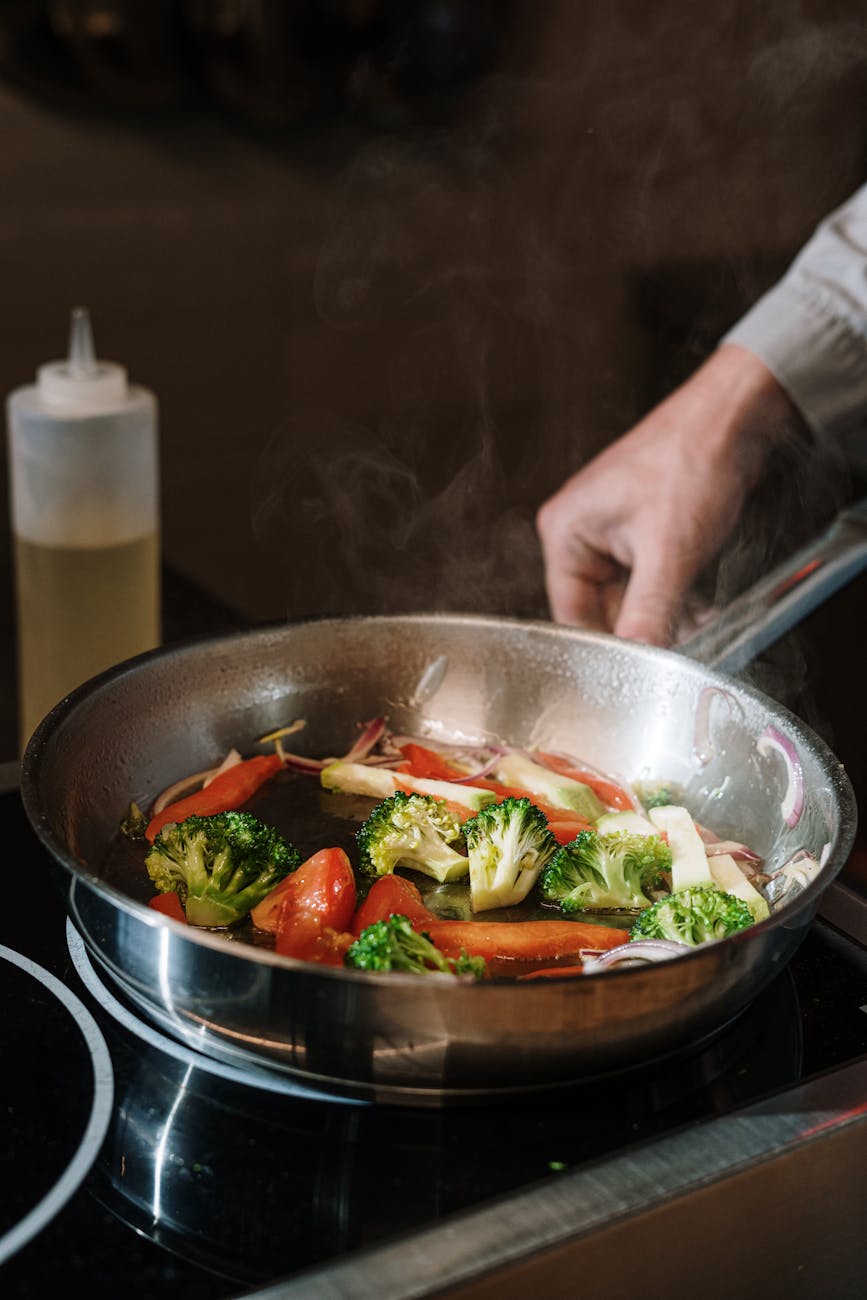
Stainless steel requires technique more than maintenance. Preheat the pan until a drop of water beads and rolls across the surface before adding fat, then add fat and allow it to heat before adding food. Protein, in particular, will release naturally from a properly preheated stainless surface once it forms a crust. Rushing that step is the cause of nearly every sticking complaint with stainless pans.
Can I use the Demeyere Atlantis or Industry pans on induction?
Yes. Both are induction-compatible. The Demeyere Industry’s TriplInduc base is specifically engineered for induction efficiency, which gives it a concrete performance advantage over pans that are induction-compatible as a secondary feature. For induction-first kitchens, the Industry is the more targeted choice.
How does the Mauviel copper skillet compare to stainless in everyday use?
Copper responds to heat changes faster than any other cookware material, which makes it exceptional for precise temperature control. The stainless interior handles cleaning and food reactivity the same way a standard stainless pan does. The practical difference from stainless shows up most clearly with delicate cooking, sauce reductions, and proteins that need quick heat adjustment. For high-heat searing, the thermal mass of the Demeyere Atlantis has more practical advantage.
Is the Tramontina Tri-Ply Fry Pan actually comparable to All-Clad construction?
The bonding method and layer structure are the same: stainless, aluminum core, stainless, bonded the full height of the pan. The practical differences are the slightly thinner gauge of the Tramontina core and the less refined handle ergonomics. For most cooking applications, those differences are minor. Professional cooks who recommend it are not recommending a compromise, they are recommending a pan that does the job at a price that makes sense.
Frequently Asked Questions
What makes the Demeyere Atlantis fry pan different from other stainless skillets?
The Atlantis uses a 7-ply construction with Demeyere's proprietary Silvinox surface treatment, which removes iron from the outer steel layer to create a finish that resists fingerprints, discoloration, and corrosion better than standard stainless. It is among the thickest and heaviest stainless skillets in production, optimized for professional-level heat performance.
Is the Demeyere Atlantis fry pan induction compatible?
Yes. The Atlantis features Demeyere's InductoSeal base, which is specifically engineered for induction cooktops as well as all other heat sources including gas, electric, and halogen.
How do you prevent food from sticking in the Demeyere Atlantis fry pan?
Proper preheating is essential with stainless steel. Heat the pan over medium heat for 2–3 minutes, add fat, then add food. The Leidenfrost effect — when water droplets bead and roll off a properly heated pan — is a reliable indicator that the pan is ready. Avoid adding cold protein directly from the refrigerator.
Is the Demeyere Atlantis worth the price compared to All-Clad?
The Atlantis outperforms All-Clad in construction thickness, induction efficiency, and surface durability, but costs significantly more. For most home cooks, All-Clad D3 delivers excellent results at a lower price. The Atlantis is worth the premium for cooks who use induction heavily, sear protein frequently, or want the best-performing stainless pan available.
Can the Demeyere Atlantis fry pan go in the dishwasher?
Demeyere states the Atlantis is dishwasher safe due to the Silvinox surface treatment. However, hand-washing with mild soap is recommended to preserve the finish and extend the pan's lifespan. Avoid bleach-based detergents.
Where to Buy
Demeyere Atlantis/Proline 11-Inch Fry PanSee Demeyere Atlantis/Proline 11-Inch Fry… on Amazon