Damascus Chef Knife Sets: What the Pattern Actually Does

Affiliate disclosure: Some links on this page are affiliate links. If you buy through them we earn a small commission at no extra cost to you. Recommendations are research-driven; we don't claim personal use of every product reviewed. Product prices and availability are accurate as of the date published and are subject to change. Always check Amazon for current pricing before purchasing. Learn more.
Quick Picks
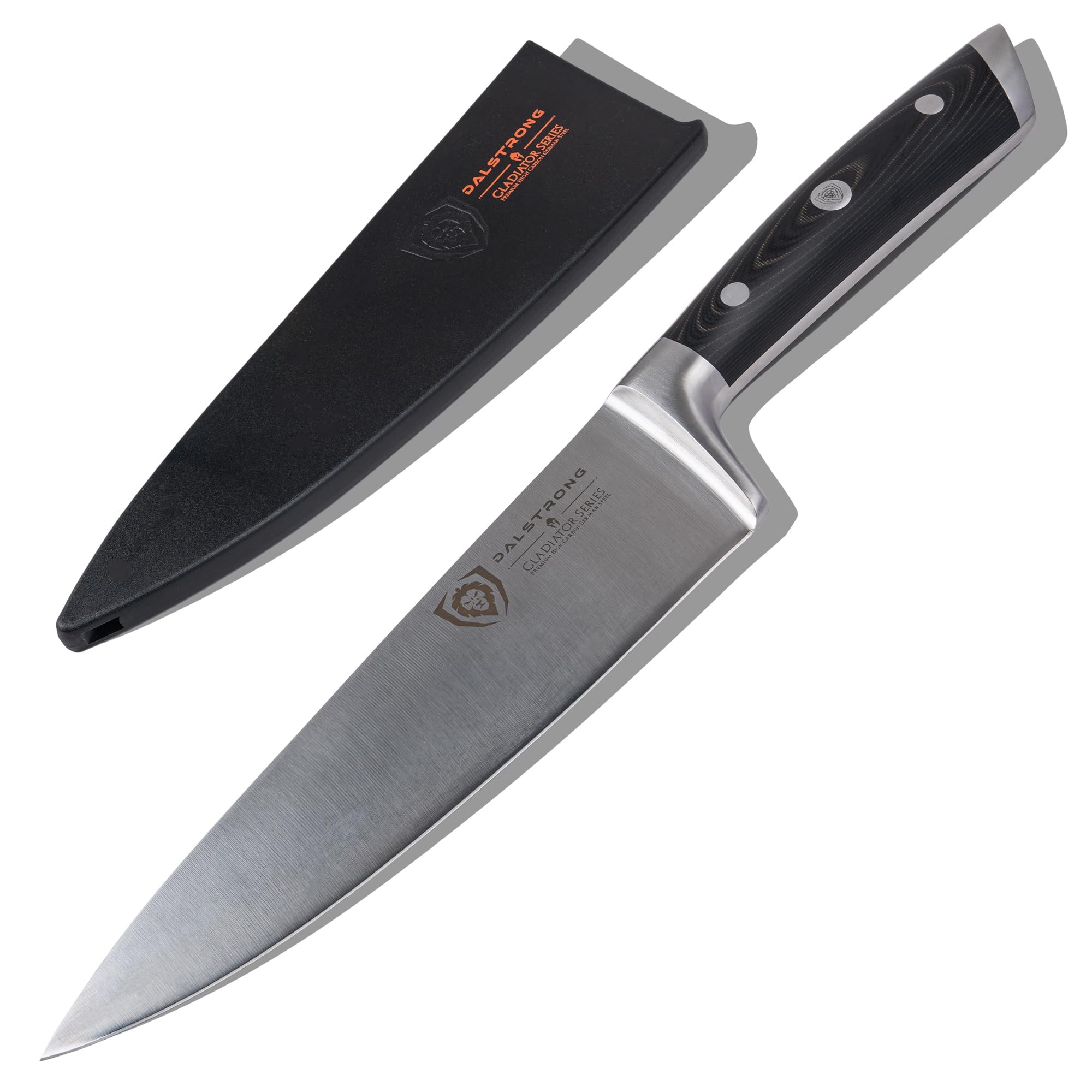
Dalstrong Gladiator Series 8-Inch Chef's Knife
ThyssenKrupp German steel , 56 HRC, sharp and durable
Buy on Amazon
Shun Classic 8-Inch Chef's Knife
VG-MAX steel with 68-layer Damascus cladding , razor-sharp out of the box
Buy on Amazon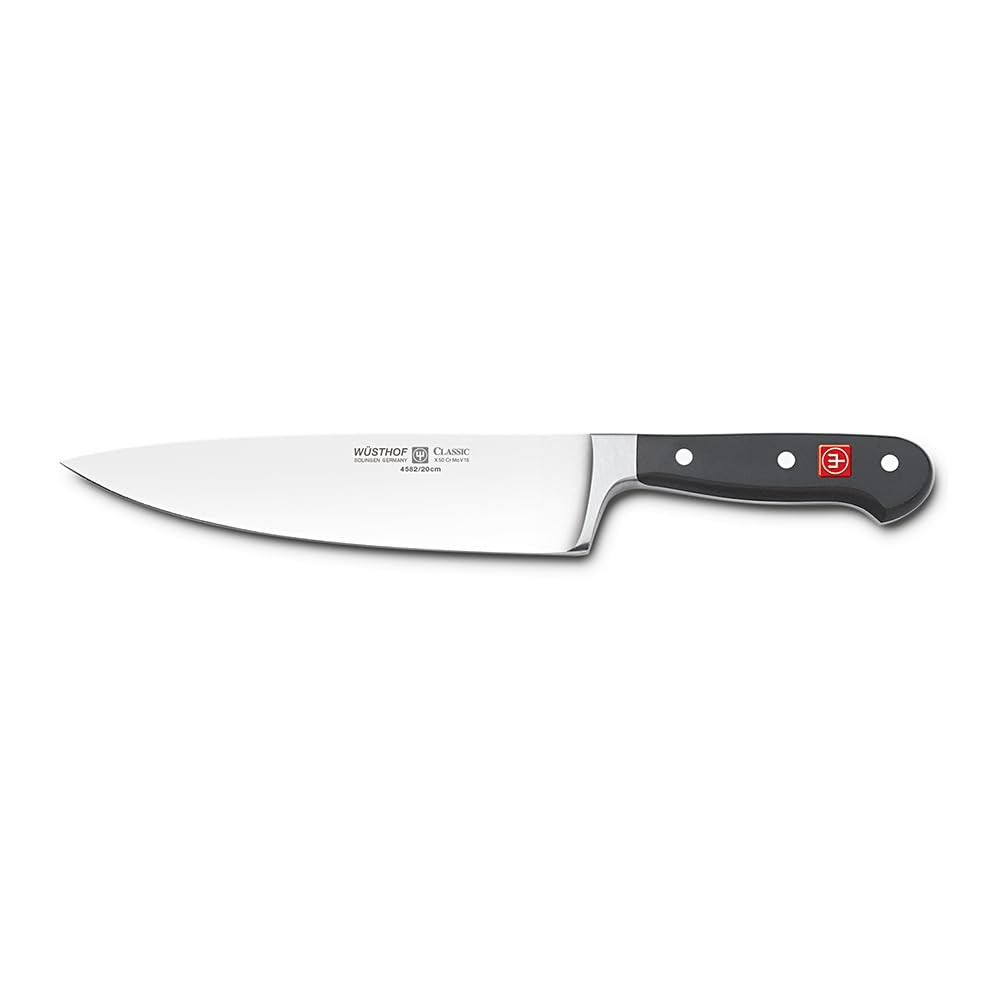
Wüsthof Classic 8-Inch Chef's Knife
Full tang, forged German steel , built to last decades with proper care
Buy on Amazon| Product | Price Range | Top Strength | Key Weakness | Buy |
|---|---|---|---|---|
| Dalstrong Gladiator Series 8-Inch Chef's Knife best overall | $$ | ThyssenKrupp German steel , 56 HRC, sharp and durable | Brand built on visual appeal , performance does not match the aesthetic premium | Buy on Amazon |
| Shun Classic 8-Inch Chef's Knife also consider | $$$ | VG-MAX steel with 68-layer Damascus cladding , razor-sharp out of the box | Hard steel (61 HRC) is more brittle , chip risk on bones or frozen food | Buy on Amazon |
| Wüsthof Classic 8-Inch Chef's Knife also consider | $$$ | Full tang, forged German steel , built to last decades with proper care | Heavy at 8.5 oz , some cooks prefer the lighter feel of Japanese knives | Buy on Amazon |
| MAC Professional 8-Inch Chef's Knife also consider | $$ | Thin Japanese blade profile with a Western-style handle , best of both | Less name recognition than Shun or Wüsthof , harder to buy as a gift | Buy on Amazon |
| Victorinox Fibrox Pro 8-Inch Chef's Knife also consider | $ | Best-performing knife under $50 , used in professional kitchens worldwide | Stamped steel loses its edge faster than forged alternatives | Buy on Amazon |
The term “Damascus chef knife set” gets searched about 40,000 times a month, and most of those buyers end up with something that looks spectacular in a box and performs somewhere between adequate and disappointing. The layered-steel aesthetic has become a marketing category unto itself, so before spending money on something that photographs well, it’s worth separating what Damascus patterning actually does from what it merely signals. For everything that matters in a chef’s knife, including steel hardness, blade geometry, handle comfort, and long-term edge retention, head over to the broader Knives & Sharpeners section for context. This guide focuses on five specific knives across three price tiers, with a direct recommendation at the end.
What to Look For in a Damascus Chef Knife
Steel Hardness and What HRC Actually Means
The Rockwell hardness scale (HRC) tells you how hard the steel is. Higher numbers hold an edge longer but chip more easily under lateral stress. Most German knives sit around 56-58 HRC. Japanese knives typically run 60-68 HRC. Neither is wrong, but they behave differently.
A knife at 58 HRC will flex slightly on hard vegetables, recover well, and tolerate a honing rod. A knife at 64 HRC will take a finer edge and hold it longer, but use it to smack through a chicken joint and you may chip the blade. Your cooking style should determine which end of that spectrum makes sense for your kitchen.
The Damascus Pattern: Functional or Decorative?
Honest answer. On most consumer knives, the Damascus layering is cladding over a single-steel core. The layers are real, but their job is largely visual. The core steel determines performance. The layered cladding does reduce food sticking on some knives (the varied surface texture creates small air pockets), but that is a secondary benefit, not the reason to buy.
If you want a knife that looks striking, Damascus delivers. If you expect the pattern to indicate superior steel or edge retention, you are paying for marketing.
Blade Geometry and Weight
German knives are thicker, with a curved belly suited to the rocking chop. Japanese knives are thinner, with a flatter profile better suited to the push cut. The Global G2 chef knife is a good reference point for the Japanese geometry in a Western-market package. MAC knives occupy similar territory.
Weight matters over a long prep session. An 8.5-oz forged German knife is noticeable after 45 minutes of fine knife work. A 5.8-oz knife is not. This is a practical consideration, not a quality judgment.
Handle and Full Tang Construction
Full-tang construction means the steel runs the full length of the handle. It matters for balance and durability. Avoid any knife where the blade appears to socket into a separate handle with visible glue or gaps. On any knife you spend real money on, full tang should be a baseline, not a selling point.
Top Picks: Five Knives Worth Knowing
Wüsthof Classic 8-Inch Chef’s Knife
The Wüsthof Classic 8-Inch Chef’s Knife is the German benchmark and has been for decades. Forged from a single piece of high-carbon stainless steel, full tang, with the PEtec laser-cut edge that holds up better than most stamped competitors. At 8.5 oz it is the heaviest knife in this group. That weight becomes meaningful if you are breaking down large quantities of vegetables or doing extended prep. The bolster is comfortable for a pinch grip and the balance point is well forward, which suits the rocking-chop technique most home cooks use.
Maintenance is straightforward. A honing steel used regularly will keep the edge in good shape between whetstoning sessions. The 56 HRC steel is forgiving in exactly the way you want from a workhorse knife.
Premium pricing. Check current price on Amazon. Worth it, because this is a knife you buy once.
Shun Classic 8-Inch Chef’s Knife
The Shun Classic 8-Inch Chef’s Knife is the Japanese benchmark. VG-MAX core steel with 68 layers of Damascus cladding and an edge hardened to 61 HRC. Out of the box, this knife is sharper than the Wüsthof. It is also lighter and thinner, which makes it noticeably better for fine vegetable work: thin-sliced shallots, chiffonade, anything requiring precision over force.
The trade-off is real. At 61 HRC, the blade will chip if you treat it like a German knife. Bones, frozen food, and prying tasks are off-limits. Sharpening requires a whetstone rather than a pull-through sharpener or honing rod, which is a genuine maintenance commitment. If you want to go deep on the Shun line before buying, the Shun knives review covers the broader range in more detail.
Premium pricing, roughly equivalent to the Wüsthof. The right choice depends entirely on use case.
MAC Professional 8-Inch Chef’s Knife
The MAC Professional 8-Inch Chef’s Knife is what professional cooks often buy when they are spending their own money rather than following a brand. Thin Japanese blade geometry, Western-style handle, steel hard enough to stay sharp longer than German knives but soft enough that sharpening is straightforward. At 5.8 oz it is the lightest forged knife in this group.
It does not have the brand recognition of Shun or Wüsthof. That matters if you are buying a gift for someone who will judge the box. It does not matter if you care about what happens on the cutting board. MAC sits in the mid-range price band, roughly comparable to the Dalstrong but substantially better where it counts.
The thin blade is not suited for heavy work. Breaking down a whole chicken is possible but not comfortable. Keep a heavier knife around for that.
Victorinox Fibrox Pro 8-Inch Chef’s Knife
The Victorinox Fibrox Pro 8-Inch Chef’s Knife is the value benchmark. Budget pricing, stamped rather than forged, and it performs far above what that price would suggest. Professional kitchens use this knife because it is competent, maintenance is uncomplicated, and replacing it when it wears out does not require a budget conversation.
The edge will not hold as long as a forged knife. The Fibrox handle is functional and nothing more. If you find kitchen aesthetics motivating, this knife will not inspire you. If you want to know whether you actually cook enough to justify a premium knife, buy this one first. After six months you will know whether you use it enough to move up.
Dalstrong Gladiator Series 8-Inch Chef’s Knife
The Dalstrong Gladiator Series 8-Inch Chef’s Knife looks exceptional. ThyssenKrupp German steel at 56 HRC, full tang, triple-riveted pakkawood handle, and a hand-polished satin finish that photographs better than anything else in this group. At mid-range pricing it is also more expensive than the Victorinox and costs roughly the same as the MAC.
Here is the honest assessment. Dalstrong built its reputation on visual identity before operational performance. The steel is real and the construction is not fraudulent, but at this price point the MAC outperforms it on edge retention and sharpening ease. The Wüsthof and Shun, which sit at the premium tier, are more expensive but deliver consistently better steel quality and tighter manufacturing tolerances. Dalstrong has worked on closing those gaps, and the Gladiator Series is one of their better lines. But the brand still sells image more than it sells performance, and buyers who recognize this will make a better-informed decision. (I recognize this may sound like a verdict, because it is.)
How to Choose
Start with how you actually cook. If you do sustained vegetable prep and value precision, the Shun is the better instrument. If you cook varied proteins, want one knife that handles everything without special care, and do not want to think about which sharpening tool to reach for, the Wüsthof is the right answer. If you want the performance benefits of a Japanese blade profile without the Shun’s brittleness or price, the MAC is the informed choice.
Budget genuinely limited? The Victorinox will not embarrass you. Use the money you save on a good cutting board and a quality whetstone.
If you are drawn to the Damascus aesthetic specifically, the Shun is the only knife in this group where the Damascus cladding is doing meaningful work alongside a genuinely high-performing core. The Dalstrong pattern looks better in photographs but does not justify the premium over the MAC or Victorinox at its price.
One practical note for anyone building a collection over time: storage matters as much as the knife. A magnetic strip or a proper block protects edges in a way that a drawer does not. If you are investing in good knives, a professional chef knife bag is worth considering if your cooking moves between locations.
For everything else in this category, the knife guides and sharpener reviews at Knives & Sharpeners cover complementary tools worth pairing with any of these picks.
Frequently Asked Questions
Is a Damascus chef knife actually better than a regular chef’s knife?
Not necessarily. The Damascus pattern on most consumer knives is cladding over a single-steel core. The visual layering is real, but the core steel determines edge performance and retention. A knife marketed as Damascus is not automatically higher quality. The Shun Classic uses its 68-layer Damascus cladding around a VG-MAX core that genuinely performs at a high level. The pattern and the performance are both real in that case. Many cheaper Damascus knives use the aesthetic without the steel quality to support it.
What is the difference between a Japanese and German chef’s knife?
German knives are thicker, heavier, and typically hardened to around 56-58 HRC. They are more durable under rough use, easier to maintain with a honing rod, and well-suited to the rocking chop. Japanese knives are thinner, lighter, and hardened to 60-68 HRC. They take a finer edge and hold it longer, but chip more easily under lateral stress. Most cooks with one knife should think about which cutting technique they use naturally before choosing between them.
Can I sharpen a Damascus chef knife with a regular honing rod?
It depends on the steel hardness. German-steel knives at 56-58 HRC, including the Wüsthof Classic, sharpen well with a honing rod used regularly. Japanese-steel knives at 61 HRC and above, including the Shun Classic, require a whetstone. Using a honing rod on a harder Japanese blade will not sharpen it effectively and can damage the edge over time. If you are not prepared to use a whetstone, a Japanese knife at 61+ HRC is the wrong choice for your kitchen.
What is the best Damascus chef knife for someone who has never owned a quality knife?
The MAC Professional 8-Inch is the closest to an ideal first quality knife for someone moving up from a basic stamped knife. It requires less specialized maintenance than the Shun, weighs less than the Wüsthof, and performs better than the Dalstrong at a comparable price. If budget is the primary constraint, start with the Victorinox Fibrox and learn what you actually want before spending more.
How do I maintain the Damascus pattern on a knife?
Hand wash and dry immediately after use. Avoid the dishwasher, acidic soaking, and prolonged contact with salt. Store on a magnetic strip or in a knife block rather than loose in a drawer. The Damascus pattern will dull over time with normal use regardless of care, which is another reason to view it as aesthetic rather than functional. Proper edge maintenance via honing and occasional whetstone work is more important for performance than preserving the visual pattern.
Frequently Asked Questions
Does the Damascus pattern on a chef knife actually affect performance?
In most commercially sold Damascus knives, the layered pattern is primarily aesthetic. What determines a knife's performance is the steel of the core cutting edge, not the decorative cladding layers. High-quality Damascus knives like Shun use a hard VG-MAX core with Damascus cladding — but budget Damascus sets often use softer steel throughout, making the pattern purely visual.
What HRC hardness should a good Damascus chef knife have?
A quality chef's knife should have a core steel of at least 58 HRC for German-style knives or 60+ HRC for Japanese-style blades. Harder steel holds an edge longer but is more brittle. The Damascus cladding layers do not contribute meaningfully to the edge hardness.
Are Damascus chef knife sets dishwasher safe?
No. Damascus chef knives should always be hand-washed and dried immediately. Dishwashers expose the blade to harsh detergents, high heat, and moisture that accelerate corrosion, dull the edge, and can damage the handle — regardless of price point.
What is the difference between a Damascus knife and a German chef's knife like Wüsthof?
German knives like Wüsthof use a single steel throughout with a full bolster and are built for durability and heavy use at around 56–58 HRC. Damascus knives typically have a Japanese-influenced thin blade with layered cladding and a harder core steel. German knives are more forgiving; Damascus/Japanese-style knives are sharper but require more careful use and sharpening.
How do you sharpen a Damascus chef knife?
Use a whetstone (water stone) for best results, working at the manufacturer's specified angle — typically 15 degrees per side for Japanese-style Damascus knives. Avoid pull-through sharpeners, which remove too much metal and can damage the layered cladding. Hone regularly with a ceramic honing rod to maintain the edge between sharpenings.
Where to Buy
Dalstrong Gladiator Series 8-Inch Chef's KnifeSee Dalstrong Gladiator Series 8-Inch Che… on Amazon