Emile Henry Pie Dish Review: Ceramic vs Glass

Affiliate disclosure: Some links on this page are affiliate links. If you buy through them we earn a small commission at no extra cost to you. Recommendations are research-driven; we don't claim personal use of every product reviewed. Product prices and availability are accurate as of the date published and are subject to change. Always check Amazon for current pricing before purchasing. Learn more.
Quick Picks
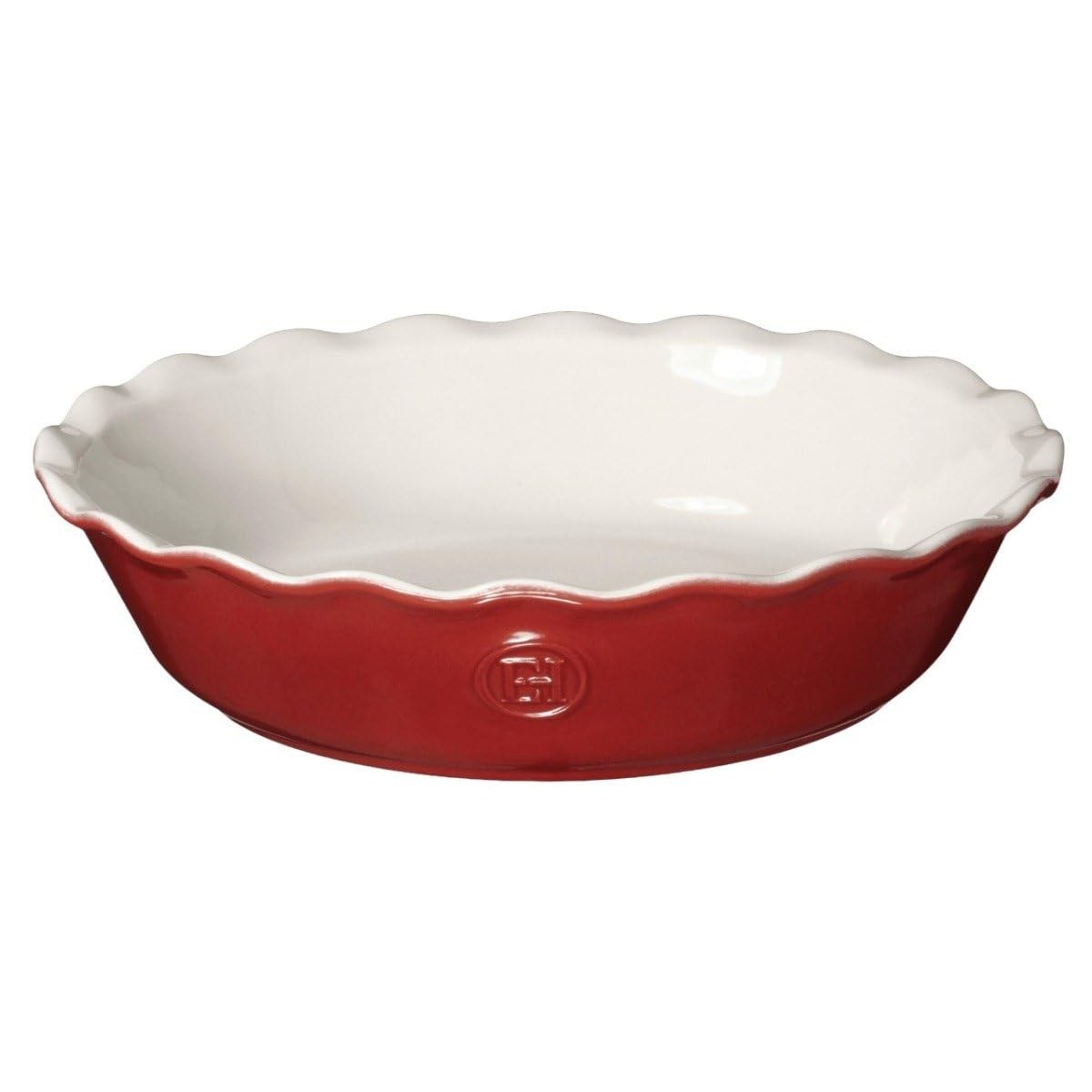
Emile Henry 9-Inch Pie Dish
Ceramic conducts heat evenly , eliminates soggy bottom crusts
Buy on Amazon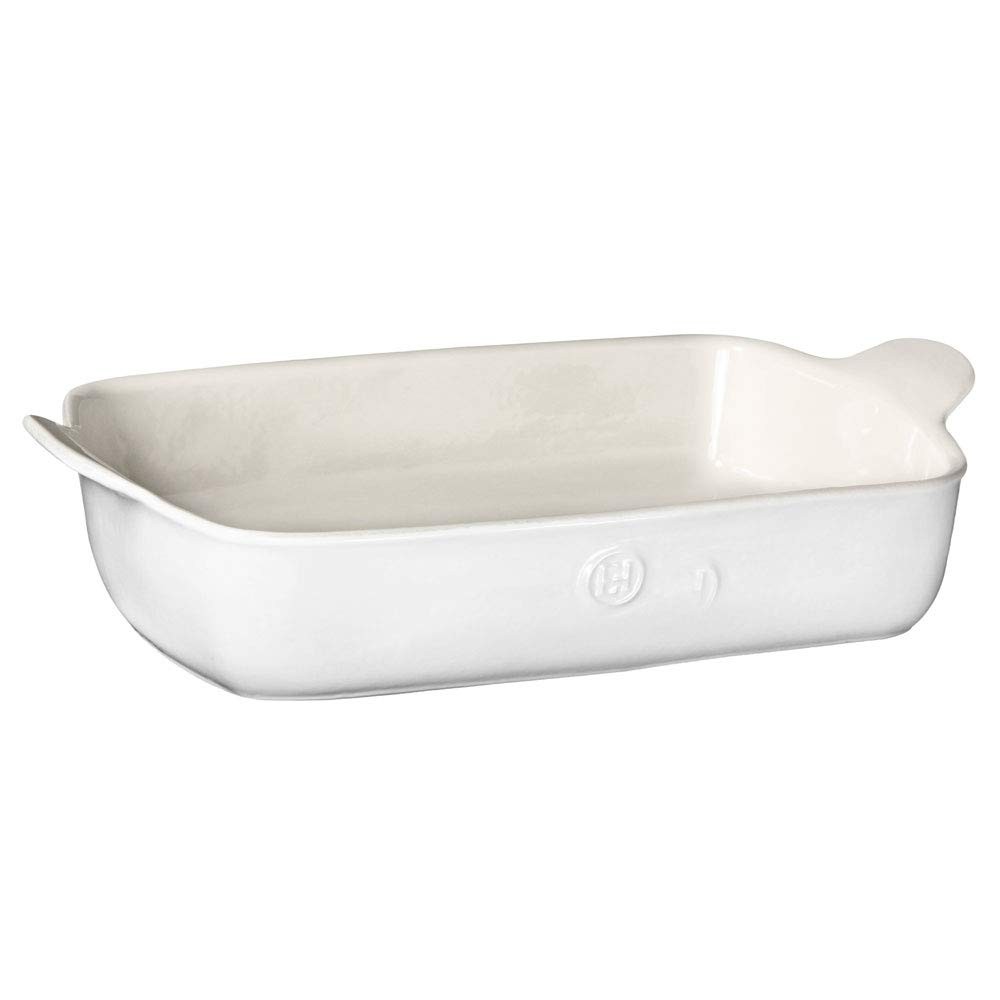
Emile Henry Flame Lasagna Dish
Ceramic construction distributes heat evenly , eliminates burnt edges
Buy on Amazon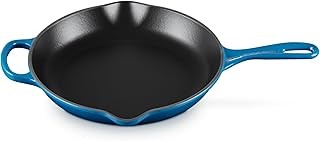
Le Creuset Signature Enameled Cast Iron Skillet 10.25"
Enameled interior , no seasoning required, non-reactive with acidic foods
Buy on Amazon| Product | Price Range | Top Strength | Key Weakness | Buy |
|---|---|---|---|---|
| Emile Henry 9-Inch Pie Dish best overall | $$ | Ceramic conducts heat evenly , eliminates soggy bottom crusts | More expensive than glass pie plates with similar results | Buy on Amazon |
| Emile Henry Flame Lasagna Dish also consider | $$$ | Ceramic construction distributes heat evenly , eliminates burnt edges | More expensive than glass or metal baking dishes with similar function | Buy on Amazon |
| Le Creuset Signature Enameled Cast Iron Skillet 10.25" also consider | $$$ | Enameled interior , no seasoning required, non-reactive with acidic foods | Significantly more expensive than bare cast iron alternatives | Buy on Amazon |
| Lodge 12-Inch Cast Iron Skillet also consider | $ | Pre-seasoned and ready to use out of the box | Heavy at 8 lbs , awkward for one-handed flipping | Buy on Amazon |
Ceramic pie dishes occupy an oddly contested space in the baking world. On one side you have glass loyalists who swear by Pyrex. On the other, people who’ve switched to ceramic and will never go back. The argument usually centers on crust browning, and for once, the argument has a clear answer. If you’ve ever pulled a fruit pie out of the oven and found the bottom crust pale and dense while the top is fully browned, that’s the problem ceramic solves. The Emile Henry 9-Inch Pie Dish is the standard I’d recommend, and this guide will explain why, along with what else from the Emile Henry line is worth your money and what isn’t.
This article sits within our broader Cast Iron coverage, and while Emile Henry dishes aren’t cast iron, they share the same core principle. Dense, high-retention materials outperform thin glass and metal for baking with any moisture content.
What to Look For in a Ceramic Baking Dish
Heat Distribution vs. Heat Retention
These are different things, and the distinction matters more than most product descriptions admit. Glass conducts heat quickly but doesn’t hold it. Pull a glass dish out of the oven and it starts cooling immediately. Ceramic heats more slowly but holds temperature, which means the bottom of your pie continues cooking through the resting period rather than going cold in two minutes. For a custard pie or a fruit pie with a thick filling, that matters.
Metal pans heat faster than both, which is why a standard aluminum pie plate will brown your crust faster than glass or ceramic. But metal reacts poorly with acidic fillings like lemon curd or cherry, and it doesn’t present well at the table.
Rim Design
This gets ignored in most reviews. A fluted rim isn’t decorative. It gives you something to press pastry against when you’re crimping, and it holds that crimp in place during baking. A smooth-rimmed dish lets the edge of your pie crust slide and pull. If you’ve ever made a pie where the crust edge looked fine going in and came out ragged, the rim design is part of that.
Thermal Range
If you’re moving dishes from the freezer to a preheated oven, not all ceramics handle that transition equally. Emile Henry’s HR (High Resistance) ceramic is engineered specifically for that shift. Worth checking for any dish you intend to use for make-ahead baking.
Practical Durability
Scratch resistance, dishwasher safety, and chip resistance are table stakes at mid to premium pricing. Any dish that requires hand-washing only or can’t survive a metal pie server deserves a note in its product listing. Emile Henry’s glaze passes on all three counts.
Top Picks
Best Pie Dish: Emile Henry 9-Inch Pie Dish
The Emile Henry 9-Inch Pie Dish is mid-range pricing for a ceramic pie dish, which puts it comfortably above basic glass Pyrex and below specialty stoneware options. The question is whether the price difference is justified, and for most serious home bakers, it is.
The ceramic construction distributes heat evenly around the dish rather than concentrating it at the edges or the center. The practical result is that the bottom crust browns at roughly the same rate as the sides, which is the thing most bakers are trying to achieve and most home ovens make difficult. (I’ve made the same apple pie recipe in a Pyrex dish, a standard metal plate, and this Emile Henry dish. The ceramic version browned the bottom consistently without needing a lower rack position or a baking stone underneath. The Pyrex required both adjustments.)
The fluted rim does real work. It’s not deep enough to interfere with decorative crimping, but it grips the pastry edge so the crust doesn’t shrink back during baking. If you’ve ever had a pie shell pull away from the rim and pool in the center, that’s largely a rim design problem.
Downsides are straightforward. It costs more than a glass pie plate that will produce comparable results if you compensate correctly with rack position and temperature. And it’s heavier than glass. Not dramatically, but when you’re pulling a hot pie out of the oven with two oven mitts, every ounce registers.
Dishwasher safe, scratch-resistant glaze, freezer to oven without cracking. Check current price on Amazon.
Best Baking Dish: Emile Henry Flame Lasagna Dish
The Emile Henry Flame Lasagna Dish is premium pricing, which puts it at a level where you need to make an honest comparison against glass, metal, and enameled cast iron alternatives.
Glass baking dishes work. They’re cheap, they show you what’s happening on the sides and bottom of your dish, and they’re easy to clean. But they don’t manage heat distribution well in a deep dish format. If you’ve ever made lasagna in a glass dish and found the edges overcooked while the center was still underdone, that’s the problem this dish addresses. The Flame ceramic’s heat distribution is noticeably more even than glass at the edges-versus-center comparison.
Against enameled cast iron baking dishes, the comparison is closer. An enameled cast iron baking dish will match or exceed the Emile Henry’s heat retention and distribution, but it will also weigh significantly more. If you’re lifting a full lasagna out of the oven, the weight difference between an enameled cast iron piece and a ceramic piece is not trivial. The Emile Henry Flame dish handles 520°F, transitions from freezer to oven, and goes to the table looking like something you chose to present rather than something you just pulled from the oven.
The downsides mirror the pie dish. It costs considerably more than a glass 13x9 pan with similar functionality for straightforward casserole cooking. And it’s heavier than glass, which becomes relevant when you’re managing a full dish with oven mitts.
For people who cook layered dishes regularly and care about presentation, the premium is defensible. For people who make one lasagna a month in a basic glass dish and have no complaints, it probably isn’t. Check current price on Amazon.
Premium Skillet Benchmark: Le Creuset Signature Enameled Cast Iron Skillet 10.25”
The Le Creuset Signature Enameled Cast Iron Skillet 10.25” is premium pricing, and it costs roughly three times the Lodge equivalent. That price reflects the enamel quality, the manufacturing consistency, and the lifetime warranty, but you need to decide whether any of those things matter to your actual cooking.
The enameled interior doesn’t require seasoning, doesn’t react with acidic foods, and shows food clearly because of Le Creuset’s light-colored interior. Compared to the Staub equivalent, the Le Creuset’s lighter interior is a practical advantage for monitoring fond development and seeing what’s sticking. The Staub matte black interior looks better in photographs. (Which is not relevant to cooking, but I’ll note it because people do cite it.)
Against bare cast iron like the Lodge, the Le Creuset is lighter than you’d expect for its size, though still substantially heavier than a comparably sized stainless or carbon steel pan. The enamel means you can cook tomato sauces and citrus-based glazes without the reactivity concerns that come with an under-seasoned bare cast iron pan.
The enamel can chip if you drop it or subject it to thermal shock. This is the case with all enameled cast iron, not a specific Le Creuset weakness. Don’t preheat it empty.
Check current price on Amazon.
Best Value Cast Iron: Lodge 12-Inch Cast Iron Skillet
The Lodge 12-Inch Cast Iron Skillet is budget pricing. It comes pre-seasoned, works on induction, gas, electric, and open fire, and will outlast every other piece of equipment in your kitchen if you don’t abuse it. The value calculation over a 20-year ownership period is not close.
Eight pounds is the number that determines whether this pan fits your kitchen. For one-handed flipping or quick transfers, 8 lbs is genuinely awkward. If you have wrist or grip issues, that’s a real concern, not a complaint about being out of shape. The Lodge is better suited to applications where the pan stays on the burner or in the oven than to applications requiring frequent movement. For searing, baking cornbread, or finishing a steak in the oven, it’s excellent.
Reactivity with acidic foods is a real limitation until the seasoning is fully built up, which takes consistent use over months, not days. Red sauce, wine reductions, and long citrus braises in the first six months can taste faintly metallic and will strip the seasoning.
Compared to the Le Creuset on a per-decade cost basis, the Lodge is the obvious choice for someone who wants functional cast iron cooking without premium pricing. Our broader cast iron cookware coverage has more on building and maintaining seasoning, which is the skill that determines whether a bare cast iron pan performs or frustrates.
How to Choose
If you’re buying specifically for pie baking, the Emile Henry 9-Inch Pie Dish is the recommendation. The fluted rim and ceramic heat distribution solve the specific problems that glass dishes create without requiring you to compensate with rack position and temperature adjustments. The price premium over glass is real, but it’s justified if you bake pies regularly and care about consistent results.
If you’re equipping a kitchen more broadly, the Lodge 12-Inch Cast Iron Skillet belongs in it. The weight is manageable once you adjust your technique, and nothing at budget pricing performs comparably for the range of cooking tasks it handles. The Le Creuset is better in specific ways, but not three-times-the-price better unless the enamel, the warranty, or the aesthetics matter to you specifically.
For baking dishes beyond pie, the Emile Henry Flame Lasagna Dish is a premium choice for people who cook layered dishes regularly. If you’re comparing it to enameled cast iron options, weight and price are the two variables that should drive the decision. Emile Henry’s ceramic is lighter. Whether that’s worth the trade-off in heat retention depends on what you cook and how often you carry a full dish to the table.
On the question of adding an enameled skillet to a kitchen that already has a Lodge: the Le Creuset Signature Enameled Cast Iron Skillet makes sense as a complement, not a replacement. The reactivity-free surface for acidic cooking is the practical reason to own both. If you’re also interested in how Emile Henry’s ceramic handles stovetop cooking, the Emile Henry Tagine is worth reading before you decide the ceramic line is oven-only.
My advice would be to resist buying the full set of anything. One good pie dish, one bare cast iron skillet, and one enameled piece cover the range of what most home kitchens actually need.
Frequently Asked Questions
Is ceramic better than glass for pie dishes?
For crust browning specifically, yes. Ceramic holds heat longer than glass and distributes it more evenly across the bottom of the dish. Glass heats quickly but cools fast and tends to produce uneven browning unless you compensate with lower rack position or longer bake time. If you’ve never had a soggy-bottom problem with glass, the argument for switching is weaker. If soggy bottoms are a recurring issue, ceramic addresses the cause directly.
Can the Emile Henry pie dish go from freezer to oven?
Yes. Emile Henry’s HR ceramic is designed for that transition. If you make pies ahead and freeze them unbaked, you can transfer the dish directly to a preheated oven. Check the specific product’s documentation for the exact temperature limits, but the Flame-series and standard HR ceramic lines are both rated for that use.
How does the Emile Henry lasagna dish compare to cast iron baking dishes?
The ceramic is lighter, which matters when you’re carrying a full dish. An enameled cast iron baking dish will match or exceed the ceramic on heat retention, and some cooks prefer the superior browning on the bottom. The trade-off is weight. The Emile Henry Flame dish is also oven-safe to 520°F, which is higher than most glass alternatives and competitive with cast iron for most baking applications.
Is the Le Creuset skillet worth buying if you already own a Lodge?
For most cooking tasks, a well-seasoned Lodge performs comparably. The Le Creuset justifies itself in two situations. First, if you cook acidic dishes regularly, the enameled interior eliminates reactivity concerns without building up seasoning over months. Second, if the lighter weight and no-maintenance surface are priorities. For everything else, the Lodge at budget pricing does the same job.
Does the Lodge pre-seasoning hold up immediately?
Pre-seasoning from Lodge is a starting point, not a finished surface. It will prevent rust and provide basic non-stick performance out of the box, but it will perform noticeably better after several months of regular use and proper care. Avoid acidic foods in the first few months, dry the pan thoroughly after washing, and apply a thin layer of oil after each use. By the time the seasoning is fully built up, the Lodge will be one of the better-performing pans in the kitchen.
Frequently Asked Questions
Does the Emile Henry pie dish actually solve the soggy bottom crust problem?
Yes, for most bakers. Ceramic retains heat and radiates it from below more evenly than glass, which produces better bottom-crust browning without requiring a baking stone or parbaking. The improvement is most noticeable with fruit pies and custard pies that have a high moisture content in the filling.
What is the Emile Henry pie dish rim design, and why does it matter?
The fluted rim on Emile Henry pie dishes grips the pastry edge and holds a crimped crust in place during baking. On smooth-rimmed glass plates, crust edges tend to slump or slide before they set. The rim design is a practical feature, not decorative, and it produces a cleaner finished pie with less effort.
Can I use a cast iron skillet instead of a ceramic pie dish for baking pies?
A cast iron skillet produces a well-browned bottom crust, but the high sides and heavy weight make it less practical for presenting a pie at the table or slicing cleanly. Cast iron also reacts with acidic fillings like lemon curd or cherry unless it's seasoned or enameled. The Emile Henry ceramic is non-reactive and designed specifically for the pie format.
Is the Emile Henry 9-inch pie dish the right size for standard recipes?
Yes. Most published pie recipes are written for a 9-inch plate, and the Emile Henry pie dish is sized to match. Recipes that specify deep-dish will require the deeper variant — check the interior depth before ordering if you regularly bake deep-dish apple or pecan pies.
How do I clean the Emile Henry pie dish after baking without damaging it?
The glazed ceramic surface releases baked-on filling relatively easily with warm water and a non-abrasive sponge. The dish is dishwasher safe, but soaking briefly before washing makes cleanup faster. Avoid metal scouring pads, which can scratch the glaze over time.
Where to Buy
Emile Henry 9-Inch Pie DishSee Emile Henry 9-Inch Pie Dish on Amazon