Emile Henry Pot Buyer's Guide: Worth It?

Affiliate disclosure: Some links on this page are affiliate links. If you buy through them we earn a small commission at no extra cost to you. Recommendations are research-driven; we don't claim personal use of every product reviewed. Product prices and availability are accurate as of the date published and are subject to change. Always check Amazon for current pricing before purchasing. Learn more.
Quick Picks
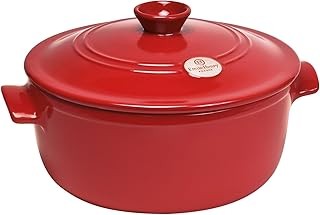
Emile Henry 5.5-Quart Flame Dutch Oven
Made from Burgundy clay , lighter than cast iron, excellent heat retention
Buy on Amazon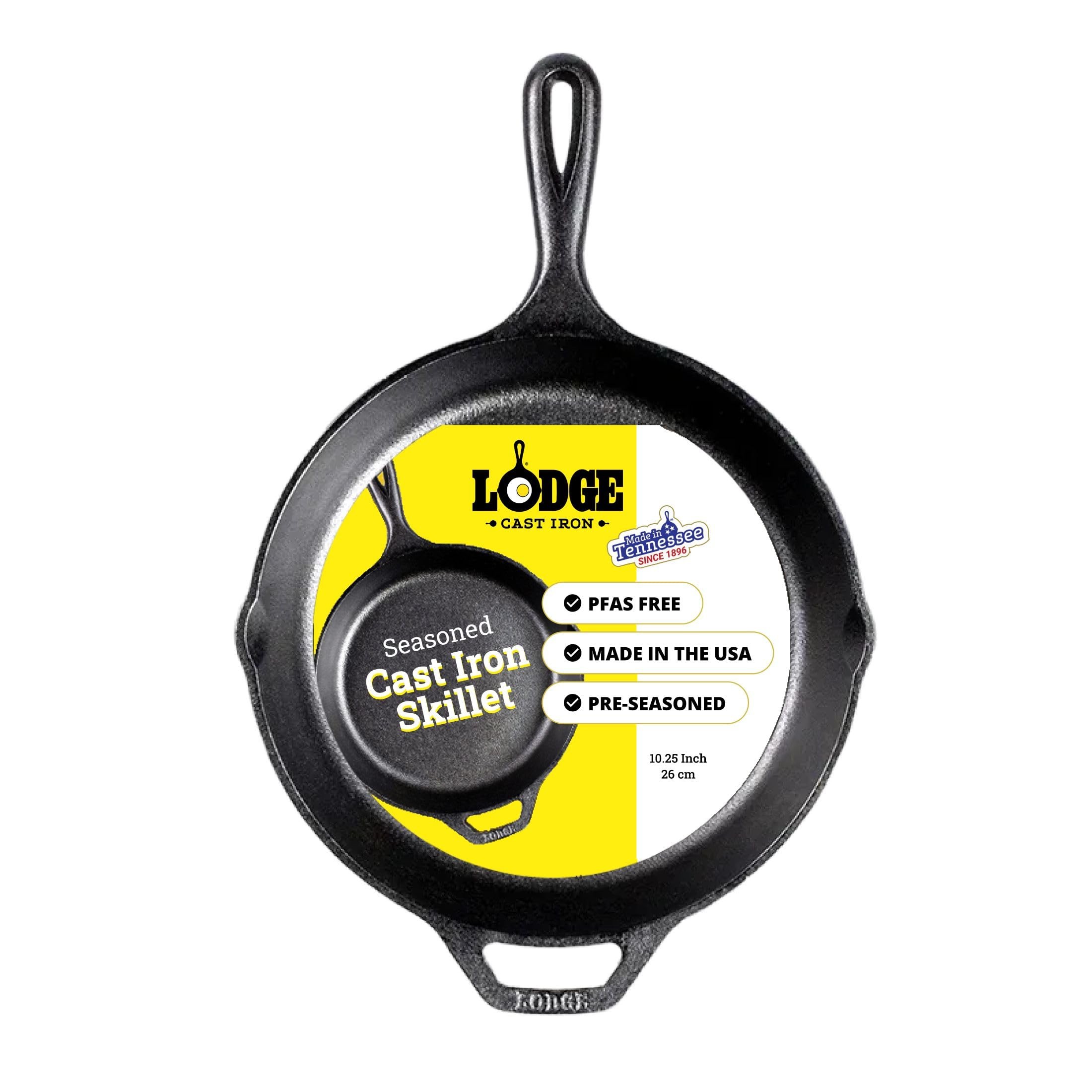
Lodge 12-Inch Cast Iron Skillet
Pre-seasoned and ready to use out of the box
Buy on Amazon
Le Creuset 5.5-Quart Round Dutch Oven
Even heat distribution eliminates hot spots for slow braises
Buy on Amazon| Product | Price Range | Top Strength | Key Weakness | Buy |
|---|---|---|---|---|
| Emile Henry 5.5-Quart Flame Dutch Oven best overall | $$$ | Made from Burgundy clay , lighter than cast iron, excellent heat retention | Not suitable for high-heat searing , clay is best for low-and-slow | Buy on Amazon |
| Lodge 12-Inch Cast Iron Skillet also consider | $ | Pre-seasoned and ready to use out of the box | Heavy at 8 lbs , awkward for one-handed flipping | Buy on Amazon |
| Le Creuset 5.5-Quart Round Dutch Oven also consider | $$$ | Even heat distribution eliminates hot spots for slow braises | Over $300 at full retail , a significant investment | Buy on Amazon |
| Staub 5.5-Quart Round Cocotte also consider | $$$ | Self-basting spikes on the lid return moisture back to the food | Dark interior makes it harder to monitor fond development | Buy on Amazon |
If you’ve been searching “Emile Henry pot” and ended up with seventeen browser tabs open, you’re probably trying to figure out whether the French clay cookware is actually worth it , or whether you should just buy a cast iron Dutch oven and be done with it. My answer is: it depends on exactly what you cook and how you cook it, and I’ll give you the specifics to make that call.
I’ve cooked with enameled cast iron, bare cast iron, and ceramic clay pots long enough to have opinions about all of them. For slow braises, no-knead bread, tagines, and winter soups, the choice of vessel genuinely affects the result. For high-heat searing? Clay isn’t the answer. Below, I’ve laid out what to look for before buying, covered the four products worth your attention, and told you which one I’d actually put on my stove.
For a broader look at how these pots fit into the cast iron and heavy cookware category, the Cast Iron hub is a useful starting point.
What to Look For
Material: Clay vs. Enameled Cast Iron
The core decision in this category isn’t brand , it’s material. Emile Henry’s Flame range is made from Burgundy clay, which is lighter than enameled cast iron by a meaningful margin, handles thermal shock well, and produces a gentle, even heat that suits slow cooking. It’s not a substitute for cast iron if you sear, char, or work over high heat regularly.
Enameled cast iron, made by Le Creuset and Staub among others, is heavier, more versatile across heat levels, and more forgiving if you accidentally crank the burner. The enamel coating does what the Emile Henry glaze does in terms of easy cleanup, but the underlying material handles a wider range of cooking tasks.
If you have grip strength concerns or find an 8-pound Dutch oven genuinely difficult to manage, the weight difference in an Emile Henry pot is worth taking seriously.
Size
5.5 quarts is the most practical all-purpose size for Dutch ovens and cocottes. It fits a 3-4 pound chicken, handles a standard no-knead bread loaf, and braises enough short ribs for four people without leaving half the pot empty. If you regularly cook for two, a 4-quart works. If you’re making stocks or feeding a crowd, go to 7 quarts. For most home cooks, the 5.5 is the right number.
Interior Surface
Emile Henry uses a highly scratch-resistant glazed interior. Le Creuset uses a light cream-colored enamel. Staub uses a black matte enamel that develops a patina over time. The practical difference: the dark Staub interior makes it harder to see fond development when you’re building a braise base. If you’re careful about monitoring color in the pan, that matters. (I find myself reaching for a flashlight. Which I realize is a specific complaint, but it’s a real one.)
Lid Fit
A tight lid matters for slow cooking and bread baking. A loose lid loses moisture. Check for complaints about lid fit in reviews before buying , it varies even within brands.
Top Picks
Emile Henry 5.5-Quart Flame Dutch Oven
The Emile Henry 5.5-Quart Flame Dutch Oven is what you’re actually searching for, so I’ll give it a real assessment.
Made from Burgundy clay that Emile Henry has been sourcing and firing since 1850, the Flame line is designed for direct flame, oven, and broiler use up to 500°F. It weighs noticeably less than a comparable Le Creuset or Staub, which matters if you’re doing a lot of lifting, especially when the pot is full of braising liquid. The glazed interior is scratch-resistant enough that metal utensils don’t immediately destroy the surface, and the pot can go from freezer to oven without cracking , thermal shock isn’t a concern with this clay.
What it won’t do: sear. Clay doesn’t handle the kind of high, sustained heat you need to develop a real crust on meat. If your braising process starts with a hard sear in the same vessel, this isn’t your pot. You’d sear in a stainless or cast iron skillet and transfer. That’s an extra pan to wash, and whether that trade-off is acceptable depends on how you work.
It’s a premium-priced piece, comparable to Le Creuset territory. For pure slow cooking, bread baking, and anything that wants a gentle, moisture-retaining environment, it’s excellent. If you also use an Emile Henry Tagine for North African cooking, the clay cooking philosophy is consistent across both pieces.
Le Creuset 5.5-Quart Round Dutch Oven
The Le Creuset 5.5-Quart Round Dutch Oven is the most-reviewed Dutch oven sold, which tells you something, though not everything. What it tells you is that a lot of people have bought it and a high percentage of them are satisfied enough not to regret it.
The enameled cast iron construction distributes heat evenly across the base and up the sides, which eliminates the hot spots that ruin braises and scorch the bottom of soups. The tight-fitting lid is the reason it’s the default recommendation for no-knead bread. It’s also available in over 15 colorways, which I’m including because a lot of people care about this and there’s no reason to pretend otherwise.
The objection is the price, which is at the high end of premium for a Dutch oven. The counter-argument that actually holds up: this pot comes with a lifetime warranty, and the cast iron construction means it could plausibly outlive you. The price-per-decade math is more favorable than it looks at first. I cooked with the same Le Creuset my mother bought in 1987 for fifteen years before I bought my own. If you want to see how it compares to what Williams Sonoma sells as a bundle, the Williams Sonoma Le Creuset Dutch Oven review covers that configuration.
Staub 5.5-Quart Round Cocotte
The Staub 5.5-Quart Round Cocotte is what I’d reach for if moisture retention during long braises is my primary concern. The lid has small spikes on the underside that collect condensation and return it to the food in a continuous drip. Over a two-hour braise, that’s a meaningful difference in how much liquid you need to add and how the final texture reads.
The construction is slightly heavier than Le Creuset’s equivalent, which gives it marginally better heat retention but adds to the lifting weight. The black matte enamel develops a patina with use, which Staub considers a feature , it behaves more like seasoned cast iron over time and the interior becomes progressively more non-stick. The trade-off is the visibility problem I mentioned above. If you’re building fond or doing anything that requires you to monitor color at the bottom of the pan, the dark interior is genuinely less useful than Le Creuset’s cream interior.
At roughly the same price point as Le Creuset, the Staub vs. Le Creuset decision comes down to lid design and interior preference rather than cost. I’d put the Staub in braises and the Le Creuset in bread, if I had both. The Staub’s self-basting lid is where it earns its price. For a look at Staub’s design range, the Staub Pumpkin Cocotte review covers their decorative line, which uses the same cooking technology.
Lodge 12-Inch Cast Iron Skillet
The Lodge 12-Inch Cast Iron Skillet is the value benchmark for this entire category. It’s in the budget tier, comes pre-seasoned, works on every heat source including induction and open flame, and will last as long as anyone in your household bothers to maintain it. It is not a Dutch oven, so it’s not a direct substitute for the 5.5-quart options above. It’s a skillet.
What it earns a place in this guide for: if you’re going to buy an Emile Henry pot for slow cooking and you need a companion piece for searing (which you do, because the clay can’t handle it), the Lodge skillet at budget pricing is the practical answer. You get cast iron searing performance for significantly less than a premium enameled piece. The 8-pound weight is real and the handle requires two hands for most people. Acidic foods like tomato sauce will strip seasoning if you’re not careful until the seasoning is fully established.
For those who want an enameled surface across a broader range of cooking formats, the enameled cast iron baking dish covers a different form factor from the same category.
How to Choose
If you want one pot that does everything and budget isn’t the deciding factor, the Le Creuset is the safer choice because its heat range is broader and the light interior makes cooking more legible. My advice would be to treat the premium price as a thirty-year purchase, not a current-year expense.
If moisture return during long braises is your priority and you’re cooking things like short ribs, osso buco, or anything that wants to stay wet over hours, the Staub’s lid design gives it a specific advantage. The dark interior is the trade-off you accept.
If you primarily slow-cook, bake bread, or make soups and stews, and you find cast iron heavy or difficult to handle, the Emile Henry is worth serious consideration. The lighter weight is real. The limitation at high heat is equally real.
The Lodge skillet belongs in almost every kitchen as a working tool regardless of what Dutch oven you choose. At budget pricing, the per-year cost is negligible.
For broader context on how these pieces work together in a cast iron cooking setup, the hub covers the category more fully.
Frequently Asked Questions
Can an Emile Henry pot go on a gas flame directly?
Yes. The Flame line is specifically designed for direct flame use, including gas burners, electric coil, halogen, and oven up to 500°F. It is not suitable for induction. If you have an induction cooktop, this rules out the Emile Henry Flame range entirely and you’d want enameled cast iron instead.
Is Emile Henry better than Le Creuset for bread baking?
Both produce good results for no-knead bread. Le Creuset’s tight-fitting lid creates the steam environment the bread needs, and the light interior makes it easier to check crust color. The Emile Henry handles the same task well and is lighter to maneuver into a hot oven. For most people, the Le Creuset is the more proven choice for bread specifically, but the Emile Henry is not a poor option.
How does Emile Henry clay compare to cast iron for heat retention?
Enameled cast iron retains heat longer and handles higher temperatures. Emile Henry clay heats more gently and returns heat slowly, which suits low-and-slow cooking but means it won’t maintain searing temperatures. For heat retention in extended braises, cast iron holds an advantage. For even, moderate heat over long cooking times, the clay performs comparably.
Does the Emile Henry pot chip easily?
The glazed surface is scratch-resistant and durable in normal use. The risk with Emile Henry clay is dropping it on a hard surface. Unlike cast iron, which typically survives drops, the clay can crack or chip from a significant impact. Handle it carefully, store it where it won’t be knocked off a shelf, and it holds up well. The internal glaze does not chip under normal cooking conditions.
What’s the actual difference between Staub and Le Creuset at the same price?
The lid design and interior color are the functional differences. Staub’s self-basting lid returns condensation to the food during cooking, which benefits long braises. Le Creuset’s cream-colored interior makes it easier to monitor fond development and browning at the base of the pan. Both use enameled cast iron construction and carry strong warranties. At equivalent pricing, the choice is about which feature matters more to how you actually cook.
Frequently Asked Questions
Can an Emile Henry pot be used on a gas burner or only in the oven?
The Emile Henry Flame range is designed for use on gas burners, electric coils, and induction cooktops, as well as in the oven. The specific Burgundy clay formula handles direct heat without needing a diffuser. However, it is not suitable for high-heat searing — keep burner settings low to medium for stovetop use.
How does the weight of an Emile Henry pot compare to a Le Creuset Dutch oven?
Emile Henry's clay construction is lighter than enameled cast iron, which is a practical advantage when moving a full pot from stovetop to oven or lifting it for serving. A 5.5-quart Le Creuset runs approximately 13 pounds empty; the comparable Emile Henry is meaningfully lighter, which matters for anyone with wrist or grip limitations.
Is the Emile Henry Flame Dutch oven good for no-knead bread?
Yes. The covered clay pot creates the steam-trap environment that no-knead bread requires, and the ceramic retains heat evenly during the bake. The lid should be removed for the final browning phase just as with cast iron. The main limitation is that Emile Henry recommends lower initial preheat temperatures than bare cast iron, so the crust may develop slightly differently.
What is the difference between the Emile Henry Flame Dutch oven and a Staub cocotte?
Staub uses enameled cast iron with self-basting lid spikes that return condensation to the braise. It handles higher heat and is more versatile across cooking methods. The Emile Henry is lighter, more suited to low-and-slow cooking, and easier to manage for everyday use. Staub is the better tool for sear-then-braise; Emile Henry is better for pure low-heat braising and soups.
Does the Emile Henry pot require any seasoning or special first-use preparation?
No seasoning is required. The glazed interior is non-porous and non-reactive out of the box. Before first use, wash with warm soapy water and rinse. There is no need to season the clay or treat the surface in any way — this is one of the practical advantages it has over bare cast iron.
Where to Buy
Emile Henry 5.5-Quart Flame Dutch OvenSee Emile Henry 5.5-Quart Flame Dutch Oven on Amazon