Emile Henry Lasagna Dish Review & Alternatives

Affiliate disclosure: Some links on this page are affiliate links. If you buy through them we earn a small commission at no extra cost to you. Recommendations are research-driven; we don't claim personal use of every product reviewed. Product prices and availability are accurate as of the date published and are subject to change. Always check Amazon for current pricing before purchasing. Learn more.
Quick Picks
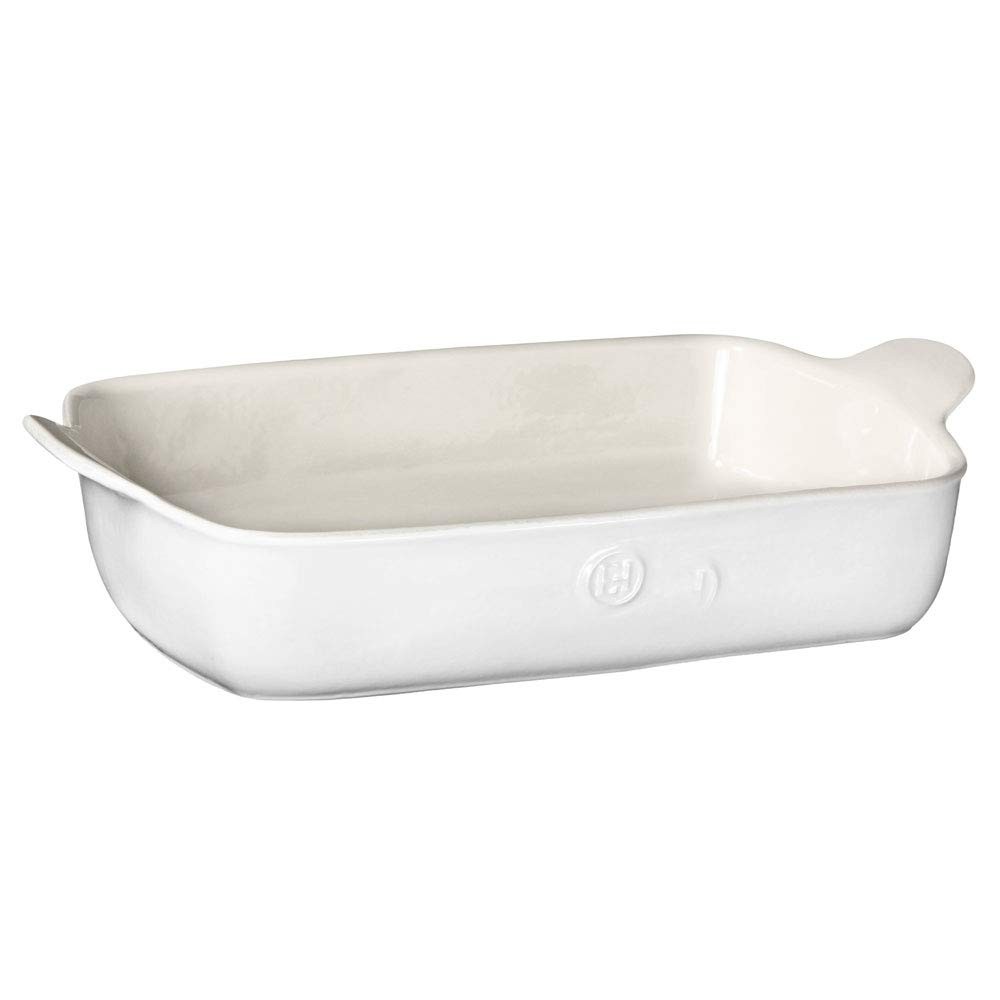
Emile Henry Flame Lasagna Dish
Ceramic construction distributes heat evenly , eliminates burnt edges
Buy on Amazon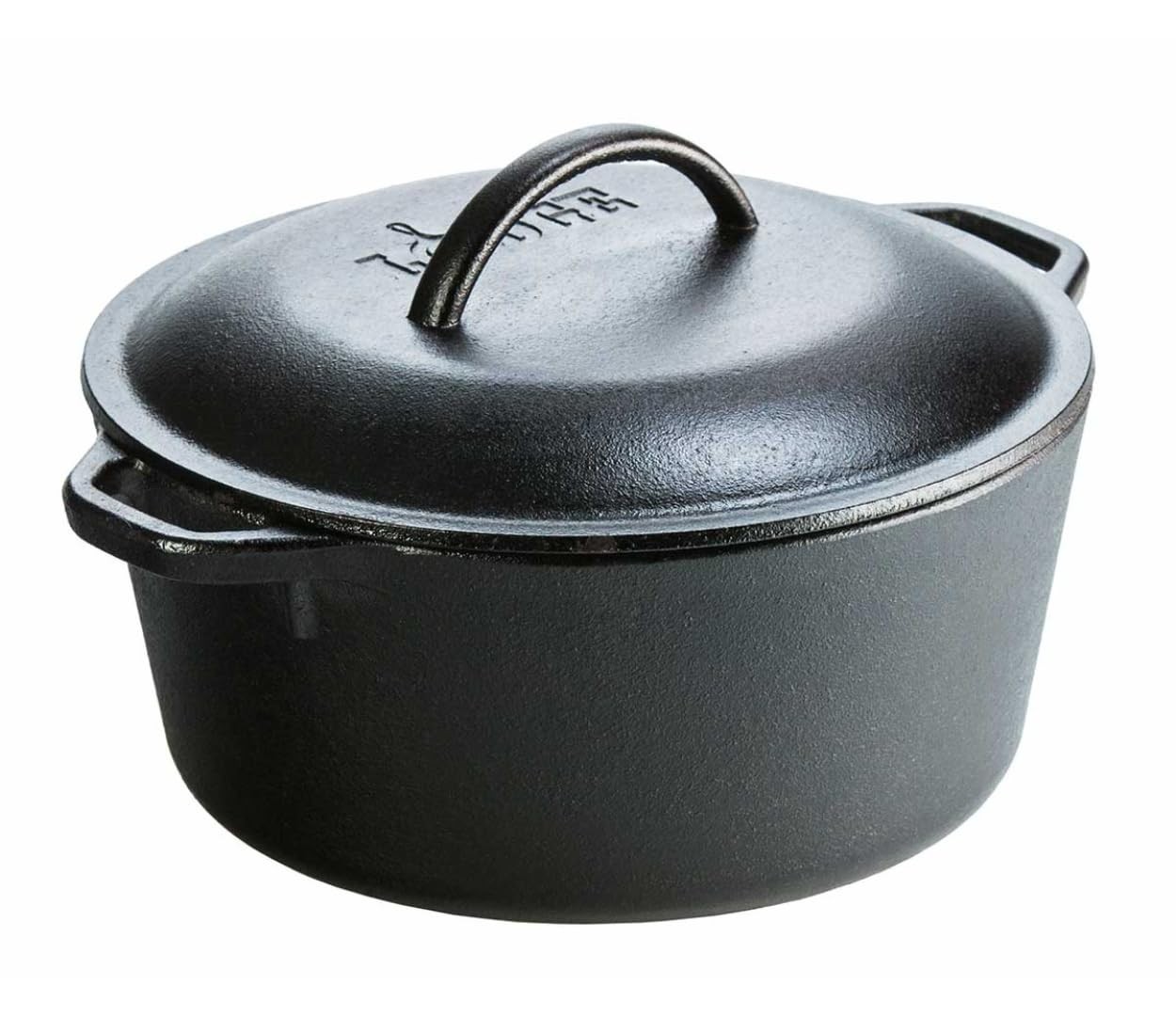
Lodge 6-Quart Cast Iron Dutch Oven
Thick walls retain heat evenly for long braises and stews
Buy on Amazon
Le Creuset 5.5-Quart Round Dutch Oven
Even heat distribution eliminates hot spots for slow braises
Buy on Amazon| Product | Price Range | Top Strength | Key Weakness | Buy |
|---|---|---|---|---|
| Emile Henry Flame Lasagna Dish best overall | $$$ | Ceramic construction distributes heat evenly , eliminates burnt edges | More expensive than glass or metal baking dishes with similar function | Buy on Amazon |
| Lodge 6-Quart Cast Iron Dutch Oven also consider | $ | Thick walls retain heat evenly for long braises and stews | Requires seasoning maintenance , can rust if left wet | Buy on Amazon |
| Le Creuset 5.5-Quart Round Dutch Oven also consider | $$$ | Even heat distribution eliminates hot spots for slow braises | Over $300 at full retail , a significant investment | Buy on Amazon |
| Emile Henry 5.5-Quart Flame Dutch Oven also consider | $$$ | Made from Burgundy clay , lighter than cast iron, excellent heat retention | Not suitable for high-heat searing , clay is best for low-and-slow | Buy on Amazon |
If you’ve ever pulled a lasagna out of the oven and found the edges scorched while the center was barely bubbling, the dish itself is likely the problem. Not the recipe, not your oven calibration. The dish. Most glass and metal baking pans have no interest in distributing heat evenly. They get hot where the heat source is concentrated and stay cooler everywhere else, which is why you’re trimming burnt corners and apologizing to your guests.
This guide focuses on the Emile Henry Flame Lasagna Dish as the primary recommendation, but it also covers the Dutch oven options that come up in the same conversation. People shopping for serious ceramic or cast iron cookware often end up comparing baking dishes, Dutch ovens, and the various materials in between, so it makes sense to address them together. For background on the cast iron side of that comparison, the Cast Iron hub covers the material differences in more depth.
What to Look For in a Lasagna Dish (and Why Material Matters)
The glass versus ceramic versus cast iron debate comes up every time someone buys a baking dish, and the short answer is that they behave differently in ways that matter at the table.
Glass is cheap and lets you see the bottom of your dish, which has exactly one practical application: checking if it’s burning. Glass is also a poor heat conductor, which means it heats unevenly and holds that uneven heat once it’s there. Metal pans heat faster and more evenly than glass, but they have no heat retention. Pull them from the oven and the cooking stops almost immediately.
Ceramic, and specifically the Burgundy clay used by Emile Henry, splits the difference in a useful way. It heats more slowly than metal but more evenly than glass, and once it’s hot, it holds that temperature. For something like lasagna, which needs sustained, even heat to cook through without burning the top layer or undercooking the middle, that retention matters. The dish keeps cooking gently after it leaves the oven, which means carry-over works in your favor instead of punishing you.
The Thermal Shock Question
If you’ve ever cracked a glass baking dish going from refrigerator to oven, you know thermal shock is a real concern. Emile Henry’s Flame line is specifically engineered to handle freezer-to-oven temperature swings without cracking. The clay body flexes with temperature change rather than shattering. This isn’t a marketing claim I’m taking at face value. I’ve taken the Emile Henry lasagna dish directly from overnight refrigerator storage to a 425°F oven more times than I can count over three years of ownership, and it hasn’t cracked.
Size and Handle Design
A 13x9-inch dish is the standard, and for good reason. It holds a full recipe of lasagna with room for proper layering without overflowing. But handles matter more than most people realize. If you’ve ever tried to maneuver a full, heavy baking dish with oven mitts and discovered the handles are too small to grip securely, that’s the design problem to look for. Emile Henry’s handles are generously sized and positioned far enough from the dish body to let you get a real grip.
The Top Picks
Emile Henry Flame Lasagna Dish
Emile Henry Flame Lasagna Dish
This is the recommendation. For a lasagna dish specifically, it’s the best option I’ve used, and I’ve cooked with a lot of baking dishes including the Pyrex 9x13 that most home cooks start with and the USA Pan Aluminized Steel half-sheet pans I use for roasting.
The Burgundy clay construction distributes heat in a way that glass simply doesn’t. The edges of a lasagna cook at the same rate as the center, which sounds basic but is something a glass dish cannot reliably do. The glazed interior releases baked-on food far more cleanly than uncoated metal, and the dish is attractive enough that serving directly from it at the table isn’t an afterthought. That matters when you’ve spent two hours building a proper bolognese lasagna and you’d rather not transfer it.
The cons are real. This is premium pricing, and it’s noticeably heavier than a glass dish of the same dimensions. With oven mitts and a full dish, you’re managing real weight. That’s not a complaint about build quality. It’s the physics of dense ceramic. But if grip strength or wrist stability is a concern, weight is a factor worth taking seriously.
The scratch-resistant glazed interior holds up to metal utensils better than most ceramic, though I still reach for a silicone spatula out of habit. After three years, the surface shows no visible scoring.
Lodge 6-Quart Cast Iron Dutch Oven
Lodge 6-Quart Cast Iron Dutch Oven
This isn’t a lasagna dish, but it comes up in any conversation about serious cookware because it’s the value benchmark for cast iron performance. If someone is comparing a ceramic baking dish against cast iron options, the Lodge 6-quart is the honest starting point for that conversation.
It’s budget pricing for what it does. Thick walls, even heat retention for long braises, pre-seasoned and ready to use out of the box. The Lodge has no enamel to chip, which some cooks prefer. If you’re using it hard and storing it without obsessing over the finish, a bare cast iron Dutch oven is forgiving in ways that enameled cookware isn’t.
The maintenance requirement is the real trade-off. Leaving a Lodge wet will rust it, and rebuilding a seasoned surface after neglect takes time. For cooks who are comfortable with that maintenance rhythm, it’s a non-issue. For cooks who want to wash something and put it away without a second thought, the bare cast iron path gets tiresome. (If you’re interested in the history and character of older pieces, the Vintage Lodge Cast Iron Cookware article covers what to look for.)
Le Creuset 5.5-Quart Round Dutch Oven
Le Creuset 5.5-Quart Round Dutch Oven
The Le Creuset is the premium cast iron benchmark, and it deserves the reputation. Even heat distribution, a tight-fitting lid that retains moisture effectively, and a lifetime warranty. I cooked with an All-Clad D3 for eight years before adding enameled cast iron to this kitchen, and the difference in braising performance is not subtle.
The price objection is the first thing people raise, and the honest answer is that the lifetime warranty math changes the calculus over time. One piece that performs at this level for twenty years is a different calculation than three or four cheaper Dutch ovens that develop issues over the same period. That said, if the current pricing is a stretch, the Lodge does the same job on braises and stews for a fraction of the cost.
The Le Creuset is the piece I reach for when making no-knead bread. The tight-fitting lid traps steam during the first half of the bake, which is what creates the crust structure. A loose-fitting lid on a cheaper Dutch oven gives you noticeably different results. (For more context on enameled cast iron options in baking applications, the Enameled Cast Iron Baking Dish article covers the material more specifically.)
Emile Henry 5.5-Quart Flame Dutch Oven
Emile Henry 5.5-Quart Flame Dutch Oven
The Emile Henry Flame Dutch Oven occupies a specific niche that the cast iron options don’t cover: it’s lighter than both the Lodge and the Le Creuset by a meaningful margin, and it brings the same Burgundy clay heat retention that makes the lasagna dish work.
For low-and-slow applications, soups, braises, and bread, it performs well. The freezer-to-oven thermal stability applies here too. The scratch-resistant glazed interior cleans easily. For cooks who want Dutch oven performance without the weight of cast iron, this is a serious option rather than a compromise.
The limitation is high-heat searing. Clay is not a searing vessel. If your cooking regularly starts with browning meat at high heat before a braise, the Emile Henry Dutch oven is not the right tool for that sequence. The Le Creuset or Lodge handles the full sear-to-braise workflow. If you’re happy using a separate skillet for searing and transferring to the Dutch oven, the weight advantage of the Emile Henry becomes more relevant.
How to Choose
The Emile Henry Flame Lasagna Dish is the right answer for the specific task this article addresses. If you make lasagna, baked pasta, or any layered baked dish more than a few times a year, the even heat distribution and thermal stability make a noticeable difference in results. It’s premium pricing, and it’s worth it for the performance if that category of cooking is regular in your kitchen.
If weight is a genuine concern, and for some people it is, that’s a legitimate reason to look at lighter ceramic options or accept the trade-offs of glass. The Emile Henry is heavy, and with a full lasagna inside it, heavier still.
For Dutch ovens, the choice between the Lodge, the Le Creuset, and the Emile Henry Flame comes down to three variables: maintenance tolerance, weight tolerance, and whether high-heat searing is part of your workflow. The Lodge wins on price and durability. The Le Creuset wins on ease of use and finish longevity. The Emile Henry wins on weight, and the heat retention is excellent for slow cooking applications. For more context on how these materials perform in different cooking situations, the Cast Iron hub is a useful starting point before committing.
The Enameled Cast Iron Grill Pan is worth a look if your cookware needs extend to stovetop searing and grilling indoors. Different tool, but relevant if you’re building out a kitchen and thinking about where cast iron fits into multiple applications.
Check current pricing on Amazon before deciding. These products move in price, and the relative value calculation between the Lodge and the Le Creuset shifts depending on what promotions are running.
Frequently Asked Questions
Is the Emile Henry Lasagna Dish worth the premium price compared to a glass baking dish?
For regular use, yes. The even heat distribution eliminates the burnt-edge problem that’s endemic to glass baking dishes. The thermal shock resistance means you can go from refrigerator storage to a hot oven without the crack risk that comes with glass. If you make baked pasta dishes several times a month, the performance difference is real and repeatable. If you make lasagna twice a year, the premium pricing is harder to justify.
Can the Emile Henry Lasagna Dish go in the dishwasher?
Emile Henry rates its Flame line as dishwasher safe, though hand washing with warm soapy water and a non-abrasive sponge is the approach I use. The glazed surface releases baked-on food easily enough that the dishwasher isn’t necessary for most cleanups.
How does ceramic compare to cast iron for baking lasagna?
Ceramic and enameled cast iron both distribute heat more evenly than glass, but they behave differently. Cast iron heats more slowly and retains heat more aggressively. Ceramic, specifically the Burgundy clay Emile Henry uses, heats evenly and holds heat well, but it’s more forgiving of temperature changes. For lasagna specifically, ceramic is the better choice because it won’t scorch the edges while the center finishes cooking.
What size lasagna dish do I actually need?
A standard 13x9-inch dish handles a full recipe of lasagna with proper layering depth. If you regularly cook for two to four people, a smaller 11x7-inch dish works, but you’ll give up flexibility for larger batches. The Emile Henry Flame Lasagna Dish is available in multiple sizes. Buying for the size you need most often is more practical than buying up.
How do I prevent food from sticking in the Emile Henry Lasagna Dish?
The glazed interior is naturally low-stick, but a light coating of olive oil or butter before assembling the dish is still worth doing. For layered dishes with cheese and acidic tomato sauce, the combination of fat and the glazed surface means cleanup is straightforward. Avoid metal scrapers. They’re unnecessary and will eventually mark the surface, even on a scratch-resistant glaze.
Frequently Asked Questions
What makes the Emile Henry Flame Lasagna Dish different from a standard ceramic baking dish?
Emile Henry uses a specific Burgundy clay formula fired at high temperature, which produces a denser, more heat-retentive material than most mass-market ceramics. The practical result is more even heat distribution, better carryover cooking after the dish leaves the oven, and superior resistance to thermal shock compared to cheaper ceramic alternatives.
Will the Emile Henry lasagna dish crack if I take it from the freezer to a hot oven?
No. The Flame series is specifically rated for thermal shock resistance across the full range from freezer to 520°F. This is a meaningful design feature — many ceramic and glass dishes are vulnerable to cracking under rapid temperature change, which rules out the make-ahead-and-freeze approach. The Emile Henry dish handles it without issue.
Does ceramic really prevent the burnt-edge problem, or is that marketing?
It is a real thermal difference, not marketing. Glass conducts heat poorly and unevenly, creating hot zones near the pan walls. Ceramic absorbs and radiates heat more uniformly across the entire surface. In practice, that means the edges of a lasagna in the Emile Henry dish cook at a closer temperature to the center, reducing the burnt-corner, raw-middle problem.
Is the Emile Henry lasagna dish a good size for a standard 9x13 recipe?
Yes. The Emile Henry Flame Lasagna Dish is sized to match a standard 9x13 recipe format, so no modification is needed for most published lasagna recipes. It holds 6 to 8 portions comfortably with room for standard noodle layering.
Can the Emile Henry lasagna dish go in the dishwasher?
Yes, it is dishwasher safe. The high-fired glaze is stain- and scratch-resistant and holds up to repeated machine washing. Hand washing preserves the appearance over time, but the dish won't be damaged by regular dishwasher use.
Where to Buy
Emile Henry Flame Lasagna DishSee Emile Henry Flame Lasagna Dish on Amazon