Le Creuset Utensil Crock: Worth It or Overpriced?

Affiliate disclosure: Some links on this page are affiliate links. If you buy through them we earn a small commission at no extra cost to you. Recommendations are research-driven; we don't claim personal use of every product reviewed. Product prices and availability are accurate as of the date published and are subject to change. Always check Amazon for current pricing before purchasing. Learn more.

Quick Picks
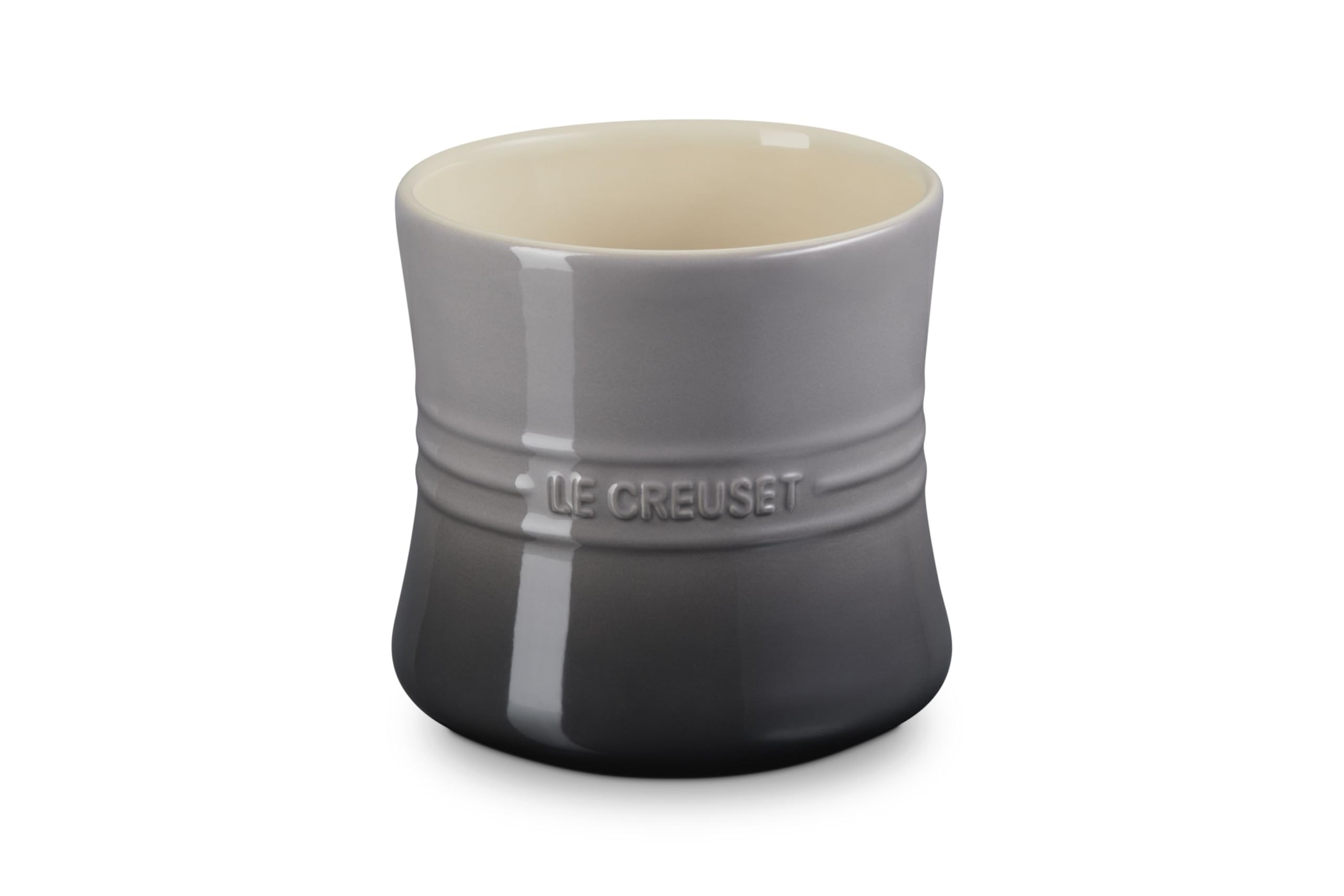
Le Creuset Stoneware Utensil Crock
Wide mouth holds wooden spoons, spatulas, and whisks without crowding
Buy on Amazon
Le Creuset 5.5-Quart Round Dutch Oven
Even heat distribution eliminates hot spots for slow braises
Buy on Amazon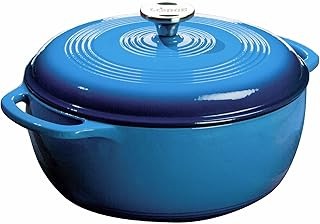
Lodge Enameled Cast Iron Dutch Oven 6-Quart
Enameled interior , no seasoning required, dishwasher safe
Buy on Amazon| Product | Price Range | Top Strength | Key Weakness | Buy |
|---|---|---|---|---|
| Le Creuset Stoneware Utensil Crock best overall | $$ | Wide mouth holds wooden spoons, spatulas, and whisks without crowding | Expensive for a utensil holder , purely a lifestyle buy | Buy on Amazon |
| Le Creuset 5.5-Quart Round Dutch Oven also consider | $$$ | Even heat distribution eliminates hot spots for slow braises | Over $300 at full retail , a significant investment | Buy on Amazon |
| Lodge Enameled Cast Iron Dutch Oven 6-Quart also consider | $$ | Enameled interior , no seasoning required, dishwasher safe | Enamel quality not as refined as Le Creuset , more prone to chipping over time | Buy on Amazon |
| Lodge 12-Inch Cast Iron Skillet also consider | $ | Pre-seasoned and ready to use out of the box | Heavy at 8 lbs , awkward for one-handed flipping | Buy on Amazon |
If you’ve landed here because you own Le Creuset cookware and want a utensil crock that matches it, I can give you a straight answer in about two paragraphs. But the more useful conversation is about what you’re actually buying when you reach for a Le Creuset Stoneware Utensil Crock versus a more practical alternative, and whether the full Le Creuset ecosystem is worth building out in the first place.
That question touches everything covered in our Cast Iron hub, so if you’re also deciding between a Dutch oven or a skillet as your next piece, that’s a good place to start.
What to Look For in a Utensil Crock
A utensil crock has one job: hold tools upright, close to the stove, without falling over or making you dig for the right spatula. That’s not complicated, but it’s easy to get wrong.
Opening Diameter and Depth
The single most common frustration with utensil crocks is a mouth that’s too narrow. Wooden spoons fit fine. A wide balloon whisk, a slotted spoon, and a pair of tongs simultaneously do not. Look for an opening of at least 5 inches across. Depth matters too. A crock under 6 inches will let long-handled tools lean at an angle that tips the whole thing if you pull one out quickly.
Weight and Base Stability
Counterintuitively, a heavier crock is generally better, up to a point. The weight keeps it in place when you grab a tool fast. The risk comes when you load it unevenly. A squat, wide-based design handles asymmetric loading better than a tall, narrow cylinder.
Material
Stoneware, ceramic, and crocks with a glazed interior are easy to wipe out. Unglazed interiors collect grime and oils from wooden handles. If you cook regularly and the crock sits next to the stove, it will get splattered. Dishwasher-safe construction is not a luxury.
Matching Your Cookware
This is the only category where aesthetics become a functional consideration. If you cook on enameled cast iron and everything on your counter is coordinated, mismatched storage looks like an afterthought. It won’t affect how dinner tastes. But some people care, and that’s a real consideration.
Top Picks
Le Creuset Stoneware Utensil Crock
The Le Creuset Stoneware Utensil Crock is well-made. The mouth is wide enough to hold a full working set of tools without crowding, the stoneware is chip-resistant with normal use, and it’s dishwasher safe. It’s available in every Le Creuset colorway, which is the primary reason people buy it. If you have a Cerise Dutch oven and a Cerise braiser, a matching crock on the counter completes the picture.
The honest caveat is that you are paying mid-range pricing for what is, functionally, a container. The stoneware construction is genuinely good quality, but so is a basic ceramic crock from a kitchen supply store. What you’re buying here is the color match and the brand. If that matters to you, it’s worth the price. If it doesn’t, the Lodge or a basic ceramic alternative will hold your spoons just as well.
The one physical issue I’d flag: if you load it with several heavy tools and they’re all leaning to one side, it will tip. This is not a manufacturing defect. It’s physics. A wider base would help, but Le Creuset chose a more traditional cylindrical profile.
Le Creuset 5.5-Quart Round Dutch Oven
The Le Creuset 5.5-Quart Round Dutch Oven is the piece most people are thinking about when they consider the Le Creuset ecosystem. It’s the most-reviewed Dutch oven on the market, and the reputation is earned. Heat distribution is even. The lid fits tightly enough to trap moisture through a four-hour braise. No-knead bread comes out of this pot better than any other vessel I’ve used, and several have been tested including the Staub 3.5 Qt Braiser and the Staub Pumpkin Cocotte.
The price is premium, and I won’t pretend otherwise. But the lifetime warranty is real, and so is the math. If you use a Dutch oven twice a week for twenty years, the per-use cost becomes negligible. The heavy lid requires two hands when you’re checking on a braise, which is a minor ergonomic complaint but worth knowing if you have wrist or grip issues.
Lodge Enameled Cast Iron Dutch Oven 6-Quart
The Lodge Enameled Cast Iron Dutch Oven 6-Quart sits in the middle ground that a lot of buyers overlook. It has the same thermal mass as bare cast iron, no seasoning required, and it’s available in several colors. The price is mid-range, roughly half what you’d pay for the Le Creuset equivalent.
The tradeoffs are real. The porcelain finish is lighter in color and shows staining more readily. Over years of regular use, the enamel is more prone to chipping at the rim than Le Creuset’s. Neither of these is a reason to avoid it, but they’re the reason the price is lower. If you want easy-care enameled cast iron and the Le Creuset price feels hard to justify, this is where I’d point you.
Lodge 12-Inch Cast Iron Skillet
The Lodge 12-Inch Cast Iron Skillet is the entry point for cast iron cooking, and it’s one of the better values in cookware full stop. Pre-seasoned, indestructible with reasonable care, works on every heat source including induction and open flame. At budget pricing, there is no comparison in its category.
The weight is real. Eight pounds, and one-handed flipping is not practical for most people. Acidic foods like tomato sauce will interact with the seasoning until it’s fully built up over months of use. Neither of these is a dealbreaker. They’re just the nature of bare cast iron. (I seasoned mine for three months before I started making anything with wine in it, which I realize is a specific recommendation but it made a difference.)
If you’re new to cast iron and want to understand what the material actually does before committing to enameled, this is where to start.
How to Choose
Start with the question of whether you’re building a coordinated kitchen or just buying what works.
If you own Le Creuset cookware and the color match matters to you, the Le Creuset Stoneware Utensil Crock is the obvious choice. It’s mid-range pricing for what it is, the quality is good, and it will look exactly right next to your Dutch oven. If the color match doesn’t matter, spend less and put the difference toward a more useful piece of cookware.
If you’re deciding between the Le Creuset Dutch oven and the Lodge enameled version, the question is how long you plan to cook seriously. The Lodge enameled cast iron is a good piece. If you’re in an apartment, cooking occasionally, and not sure how much you’ll use it, the mid-range price makes sense. If this is a piece you’ll cook in weekly for decades, the Le Creuset price amortizes well and the enamel quality holds up better over time.
The Lodge 12-inch skillet is a different kind of choice. It’s not a compromise or a budget alternative to something more expensive. It’s the right tool for certain jobs, specifically high-heat searing, oven-to-table cooking, and anything where you want the thermal mass of cast iron without paying for enamel you don’t need. I’d own both. Many people do.
If you’re also considering braising vessels or baking dishes, our coverage of cast iron cookware includes comparisons across the full category, including enameled options from Lodge, Le Creuset, and Staub. The Enameled Cast Iron Griddle guide is particularly useful if you’re also deciding on a flat-surface piece for the same stove.
One thing worth pausing on before you click: the utensil crock decision is downstream of the cookware decision. If you haven’t committed to Le Creuset cookware yet, don’t buy a Le Creuset crock to match it. Buy the cookware first, decide whether it’s worth the investment, then worry about the accessories.
Frequently Asked Questions
Is the Le Creuset utensil crock worth the price?
Functionally, a less expensive ceramic crock will hold your utensils just as well. What you’re paying for is the color match with Le Creuset cookware and the quality of the stoneware finish. If you own Le Creuset pieces and the coordinated look matters to you, yes. If it doesn’t, spend the money elsewhere.
Can the Le Creuset stoneware utensil crock go in the dishwasher?
Yes. Le Creuset rates it dishwasher safe. Given that it sits next to the stove and collects oil and splatter, this is one of the more useful features. Check current pricing and details on Amazon before purchasing, as specific product configurations occasionally change.
How does the Lodge Enameled Dutch Oven compare to Le Creuset over time?
The Lodge enameled cast iron performs well when new. Over years of regular use, the enamel tends to show more chipping and staining than Le Creuset’s finish. If you’re buying for the long term and cook with it frequently, the Le Creuset investment holds up better. If you’re unsure how much use it will actually get, the Lodge mid-range pricing is a lower-risk starting point.
What size utensil crock do I need for a full set of cooking tools?
Most working kitchens need to store 8 to 12 tools near the stove. A crock with at least a 5-inch diameter opening and 6-plus inches of depth will handle a standard set without crowding. The Le Creuset stoneware crock meets both dimensions. If you have oversized tools like a large pasta spoon or a 16-inch whisk, measure the longest handles before buying any crock.
Is bare cast iron or enameled cast iron better for a first piece?
They’re different tools. Bare cast iron, like the Lodge 12-inch skillet, is better for high-heat searing, camping use, and situations where you want the skillet’s seasoning to build flavor over time. Enameled cast iron, like the Lodge or Le Creuset Dutch ovens, is better for braises, soups, and acidic dishes where bare iron would react. If you’re buying one piece first, most people who braise regularly will get more use from a Dutch oven. Most people who sear regularly will reach for the skillet.
Frequently Asked Questions
What material is the Le Creuset utensil crock made from?
The Le Creuset utensil crock is made from chip-resistant stoneware, which is heavier and more stable than ceramic, resists staining, and is dishwasher safe for easy cleaning.
Is the Le Creuset utensil crock worth the price compared to a generic crock?
If you already own Le Creuset cookware and want a coordinated kitchen aesthetic, it makes sense. If you just need a functional utensil holder, similarly sized stoneware crocks from other brands perform identically at a fraction of the cost.
What size utensils fit in the Le Creuset utensil crock?
The crock is wide enough to hold standard wooden spoons, spatulas, ladles, and whisks simultaneously. Very long-handled tools may extend quite far above the rim, which is normal — depth and mouth width are the key specs to check before buying.
Does the Le Creuset utensil crock come in matching colors to their Dutch ovens?
Yes — the Le Creuset utensil crock is available in most of their signature colors including Marseille, Flame, Cerise, and Provence, making it easy to coordinate with existing Le Creuset cookware on the countertop.
Can the Le Creuset stoneware utensil crock go in the dishwasher?
Yes, the Le Creuset stoneware utensil crock is dishwasher safe. Hand washing is always gentler long-term, but the stoneware construction handles repeated dishwasher cycles without degrading.
Where to Buy
Le Creuset Stoneware Utensil CrockSee Le Creuset Stoneware Utensil Crock on Amazon