Staub Pumpkin Cocotte: Worth It? Honest Buyer's Guide

Affiliate disclosure: Some links on this page are affiliate links. If you buy through them we earn a small commission at no extra cost to you. Recommendations are research-driven; we don't claim personal use of every product reviewed. Product prices and availability are accurate as of the date published and are subject to change. Always check Amazon for current pricing before purchasing. Learn more.
Quick Picks
Staub Pumpkin Cocotte 2.75-Quart
Cast iron performance in an iconic seasonal presentation shape
Buy on Amazon
Le Creuset 5.5-Quart Round Dutch Oven
Even heat distribution eliminates hot spots for slow braises
Buy on Amazon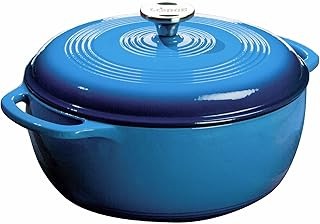
Lodge Enameled Cast Iron Dutch Oven 6-Quart
Enameled interior , no seasoning required, dishwasher safe
Buy on Amazon| Product | Price Range | Top Strength | Key Weakness | Buy |
|---|---|---|---|---|
| Staub Pumpkin Cocotte 2.75-Quart best overall | $$$ | Cast iron performance in an iconic seasonal presentation shape | Small 2.75-quart capacity limits it to small batches or soups | Buy on Amazon |
| Le Creuset 5.5-Quart Round Dutch Oven also consider | $$$ | Even heat distribution eliminates hot spots for slow braises | Over $300 at full retail , a significant investment | Buy on Amazon |
| Lodge Enameled Cast Iron Dutch Oven 6-Quart also consider | $$ | Enameled interior , no seasoning required, dishwasher safe | Enamel quality not as refined as Le Creuset , more prone to chipping over time | Buy on Amazon |
| Staub 5.5-Quart Round Cocotte also consider | $$$ | Self-basting spikes on the lid return moisture back to the food | Dark interior makes it harder to monitor fond development | Buy on Amazon |
The Staub Pumpkin Cocotte is one of those products that stops a conversation. You set it on the table in October and someone always asks about it. That’s not nothing. But it’s also not a reason to spend what Staub charges for 2.75 quarts of capacity, unless you understand exactly what you’re buying. This guide covers the pumpkin cocotte honestly, places it next to the cast iron pieces that actually carry the weeknight load, and tells you which one belongs in your kitchen versus which one belongs on your Thanksgiving table.
If you’re building out a serious cast iron collection rather than hunting for a single statement piece, the broader Cast Iron guide is where I’d start.
What to Look For in an Enameled Cast Iron Cocotte
Capacity Against Actual Use
The number on the box is not the working capacity. A 5.5-quart Dutch oven holds a 4-pound chicken with room for vegetables. A 2.75-quart cocotte holds a small batch of soup, a side of braised greens, or a single-serving bread bake. If you’re buying a cocotte to cook dinner for four, capacity is the first filter to apply.
The pumpkin shape specifically cuts into usable volume more than a round cocotte of the same stated size, because the ridged exterior design means the interior isn’t a clean cylinder. Keep that in mind.
Lid Design and Moisture Return
This is where Staub separates itself from most of the field. Both the Staub 5.5-Quart Round Cocotte and the pumpkin version use self-basting lids with small spikes cast into the underside. As steam rises, it condenses on the lid and drips back down onto the food from multiple points rather than pooling at the rim. For long braises, this matters. The Le Creuset 5.5-Quart Round Dutch Oven uses a tight-fitting flat lid that also traps moisture well, but the condensate behavior is different. Neither is wrong. They’re just different engineering choices.
Interior Enamel Color
Staub uses a black matte enamel interior on nearly all of its cocottes. Le Creuset uses a cream or light tan interior. The practical difference is fond visibility. If you want to watch a fond build as you sear short ribs, the Le Creuset’s lighter interior makes that straightforward. The Staub’s dark interior requires more attention and experience reading the color difference at the bottom of a dark pan. Not a dealbreaker, but it’s a real difference in kitchen use, and worth knowing before you spend premium money on either one.
Weight and Construction
Enameled cast iron is heavy by definition. The Staub round cocotte runs slightly heavier than the Le Creuset equivalent, which translates to marginally better heat retention over a long braise. The Lodge Enameled Cast Iron Dutch Oven 6-Quart is comparable in raw thermal mass to both, at a substantially lower price, though the enamel finish is less refined and more prone to chipping if handled roughly.
The Top Picks
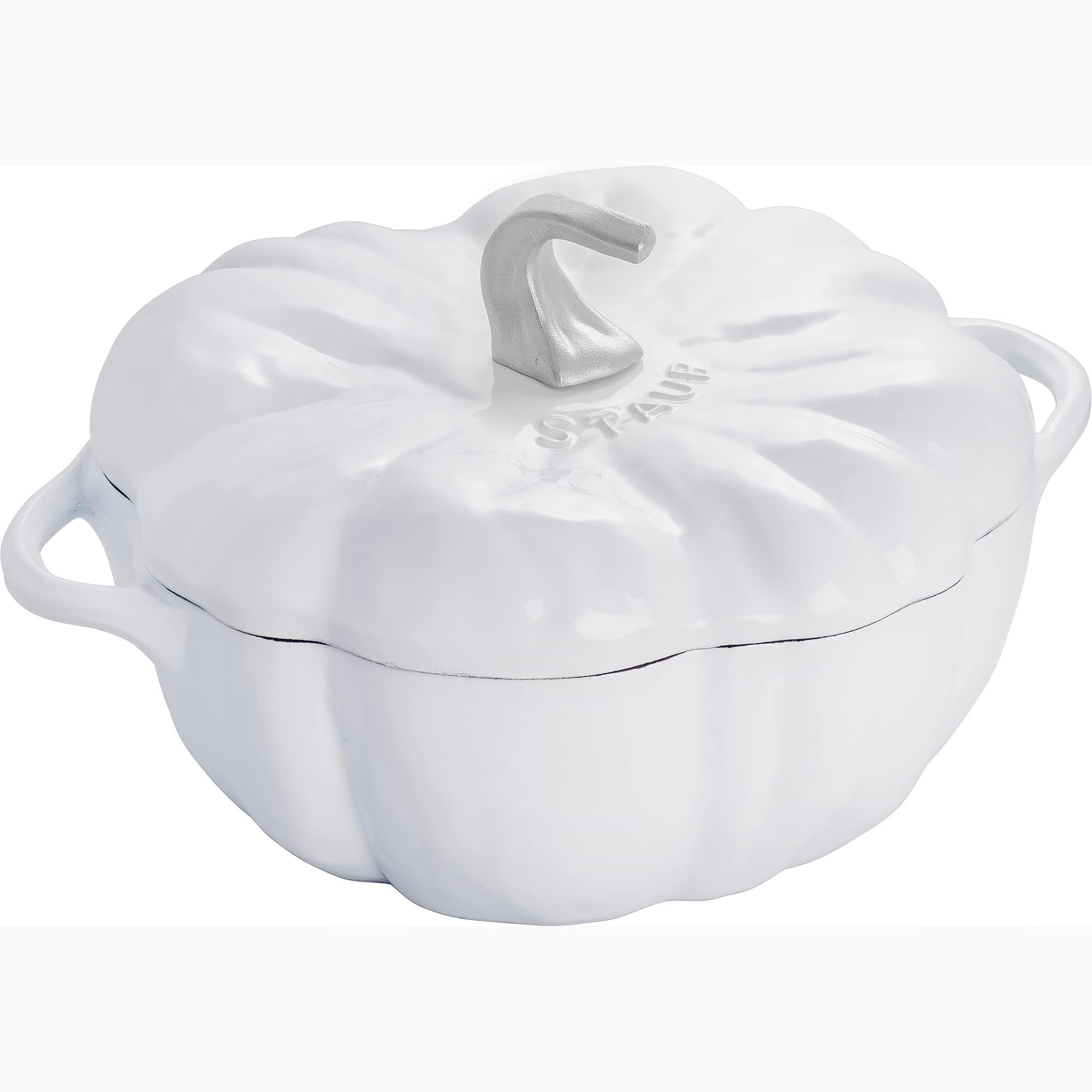
Staub Pumpkin Cocotte 2.75-Quart
I’ll be direct: the Staub Pumpkin Cocotte is a premium-priced piece of cast iron that makes almost no sense as a utilitarian purchase. At 2.75 quarts with a form-factor that prioritizes the exterior shape over interior volume, it isn’t where I’d put that money if I needed a workhorse braiser.
What it is, is extraordinary to look at. The stem handle, the ribbed pumpkin shape in deep seasonal colors, the same self-basting lid mechanism as the full-size cocotte. It functions correctly. I’ve used it for a small butternut soup, for a side of braised kale, and as a bread baker for a single boule. It performs like Staub cast iron performs, which is to say very well. The heat retention is excellent and the lid seal is tight.
But the cost-per-quart on this piece is steep. If you’re buying it as a gift for someone who entertains in October and November, that’s a completely defensible purchase. If you’re buying it because you love Staub and want a piece that doubles as a centerpiece when you serve pumpkin bisque directly to the table, also defensible. If you’re buying it expecting a practical everyday cocotte, reconsider.
Best for. Autumn entertaining, gift purchases, collector additions to an existing Staub set.
Staub 5.5-Quart Round Cocotte
The Staub 5.5-Quart Round Cocotte is the piece I’d actually cook with. At 5.5 quarts, it handles a full braise, a large batch of soup, a no-knead loaf, a whole chicken. The self-basting lid spikes are the same design as the pumpkin version, the enamel interior develops a useful patina over time, and the heat retention at this size is genuinely impressive for long, low cooking.
The dark interior takes adjustment if you’re coming from Le Creuset or another light-interior brand. Monitoring fond on a dark surface is a skill, not a flaw in the product, but I’d be misleading you if I called it a non-issue. After a few months of regular use it becomes second nature.
At premium pricing, it competes directly with the Le Creuset 5.5-quart. The decision between them is mostly lid design preference and interior color. I cooked on a Le Creuset 5-quart for about six years before switching to Staub, and both are excellent. If you want the self-basting lid and you’re comfortable with the dark interior, this is the one. Check current price on Amazon.
Best for. Serious home cooks who braise regularly, no-knead bread bakers, anyone who wants one pan that does everything a heavy pot needs to do.
Le Creuset 5.5-Quart Round Dutch Oven
The Le Creuset 5.5-Quart Round Dutch Oven is the most-reviewed Dutch oven on the market, and for good reason. Even heat distribution, a lid that fits with a reassuring solidity, and the light interior that makes it easy to cook with confidence from the first use. The lifetime warranty is not marketing language. Le Creuset replaces defective pieces, and that matters when the price tag is what it is.
The price objection is real. This is a premium purchase. The counter-argument I find persuasive is simple math: a piece that lasts 30 years at premium pricing costs less per year than a mid-range Dutch oven you replace twice. (I’ve run this math more than once, which I realize says something about me.) The lifetime warranty makes that math more defensible.
If you’re also exploring complementary enameled pieces, the enameled cast iron baking dish and the enameled cast iron griddle pair naturally with a Le Creuset-based kitchen setup.
Best for. First-time premium Dutch oven buyers, cooks who want the light interior for fond monitoring, anyone who wants the iconic colorway options.
Lodge Enameled Cast Iron Dutch Oven 6-Quart
The Lodge Enameled Cast Iron Dutch Oven occupies useful middle ground. It’s enameled, so no seasoning, no reactivity with acidic ingredients, and dishwasher safe if you prefer that. The thermal mass is comparable to the premium brands because cast iron is cast iron. At mid-range pricing, it costs roughly half what Le Creuset charges for a similar size, which is a material difference.
The enamel quality is where Lodge earns its price. The porcelain finish is thinner and more susceptible to chipping than Le Creuset or Staub, particularly around the rim. The lighter interior finish also shows staining from tomato-based braises more visibly over time. These aren’t disqualifying flaws for most cooks. But if you’re expecting Le Creuset durability at Lodge pricing, that’s not what you’re getting.
Best for. Budget-conscious buyers who want enameled cast iron without the premium price, cooks who are new to the format and not ready to commit to the higher-tier investment.
How to Choose
The pumpkin cocotte question resolves quickly if you’re honest about the use case. If you want a braiser for regular cooking, buy the Staub 5.5-Quart Round Cocotte or the Le Creuset 5.5-Quart based on lid preference and interior color. If budget is the primary constraint, the Lodge does the job at a price that leaves room for other kitchen investments, like a quality enameled cast iron grill pan or a dedicated roasting piece.
The Staub Pumpkin Cocotte is a purchase you make when you already have the workhorse covered and you want something that earns a compliment at the table. In that context, it’s worth what Staub charges. In any other context, the math doesn’t hold up at 2.75 quarts.
For cooks who want slow-cooking versatility across different formats, it’s worth reading about options like the Emile Henry Tagine, which handles North African braises that the round cocotte doesn’t suit quite as naturally. The Cast Iron hub covers the broader category if you’re still mapping out where enameled cast iron fits against bare cast iron and other heavy cookware.
My honest pick for most buyers is the Staub 5.5-quart round. The self-basting lid design is the real differentiator over Le Creuset, the heat retention is excellent, and you won’t be replacing it. Buy the pumpkin cocotte when you’re ready to enjoy it as the theatrical object it is. There’s nothing wrong with that.
Frequently Asked Questions
Can the Staub Pumpkin Cocotte actually be used for everyday cooking?
Yes, it functions correctly as a cast iron cocotte. The self-basting lid works the same as on the round version, and the heat retention is what you expect from Staub. The practical limitation is the 2.75-quart capacity, which is too small for most dinner-for-four scenarios. It works well for soups, side braises, and small-batch bread. The reason most buyers shouldn’t rely on it as an everyday piece isn’t quality, it’s size.
What’s the real difference between Staub and Le Creuset at this price level?
Two things matter in daily use. The lid design is different: Staub’s self-basting spikes return condensation to the food from multiple points, while Le Creuset’s lid traps moisture at the rim. The interior color is different: Staub’s black matte enamel develops a patina over time and makes fond monitoring harder, while Le Creuset’s cream interior gives you a clear read on what’s happening at the bottom of the pan. Both are premium products with strong track records. The choice comes down to those two functional differences.
Is the Lodge Enameled Cast Iron Dutch Oven a significant step down in quality?
In thermal performance, not meaningfully. Cast iron conducts and retains heat similarly regardless of what brand poured it. The difference shows in the enamel finish over time. Lodge’s porcelain is thinner and chips more readily than Le Creuset or Staub, and the lighter finish stains more visibly with high-acid cooking. For someone cooking casually or building a first enameled cast iron collection, Lodge is a reasonable starting point. For someone cooking five days a week for years, the premium brands hold up better.
What size Dutch oven should I buy for a family of four?
5.5 quarts is the standard recommendation for good reason. It accommodates a 4-pound chicken with vegetables, a full batch of chili or soup, a standard no-knead bread loaf, and most braising recipes written for 4 to 6 servings. Going larger, to 7 quarts, makes sense if you regularly cook for six or more. Going smaller creates situations where you’re choosing between two pieces for a recipe that should fit in one.
Is the Staub Pumpkin Cocotte a good gift?
For someone who already cooks seriously and has their core enameled cast iron covered, yes. It’s a piece that gets noticed and used. For someone who is just starting to build a kitchen, it’s the wrong entry point because the capacity is too small to be a primary Dutch oven. As a gift for an experienced home cook who entertains in the fall, it’s one of the better options in the premium cookware gift category.
Frequently Asked Questions
What can you cook in the Staub Pumpkin Cocotte?
The Staub Pumpkin Cocotte works for any recipe that fits its 2.75-quart capacity — small-batch soups, braised greens, individual bread bakes, dips, or seasonal presentations like a creamy pumpkin bisque served directly from the vessel. Its capacity limits it to small portions or side dishes rather than main-course proteins.
Is the Staub Pumpkin Cocotte functional cookware or just decorative?
It's genuine enameled cast iron with the same self-basting lid design and oven-safe construction as the standard Staub cocotte line. It functions as real cookware, not just a serving piece. That said, its 2.75-quart capacity means it's better suited as a supplemental piece than a primary cooking vessel.
How does the Staub Pumpkin Cocotte compare in capacity to a standard 5.5 qt cocotte?
The Pumpkin Cocotte at 2.75 quarts is roughly half the capacity of the standard 5.5-quart cocotte. The ridged pumpkin-shaped exterior also reduces the usable interior volume slightly compared to a smooth round cocotte of the same stated size.
Is the Staub Pumpkin Cocotte worth the price?
That depends on what you're buying it for. As a gift or a seasonal table centerpiece that also cooks, it's genuinely special. As a practical everyday cooking vessel, the price per quart of capacity is high compared to a standard round cocotte. Buy it because you want the pumpkin, not because you need the capacity.
Does the Staub Pumpkin Cocotte have the same self-basting lid as regular Staub cocottes?
Yes — the pumpkin cocotte uses the same interior lid design with small spikes that collect condensation and return it over the food. It shares the core cooking technology with the rest of the Staub line despite the seasonal shape.
Where to Buy
Staub Pumpkin Cocotte 2.75-QuartSee Staub Pumpkin Cocotte 2.75-Quart on Amazon