Lodge Cast Iron Bread Pan with Lid: Sourdough Baker's Guide

Affiliate disclosure: Some links on this page are affiliate links. If you buy through them we earn a small commission at no extra cost to you. Recommendations are research-driven; we don't claim personal use of every product reviewed. Product prices and availability are accurate as of the date published and are subject to change. Always check Amazon for current pricing before purchasing. Learn more.
Quick Picks
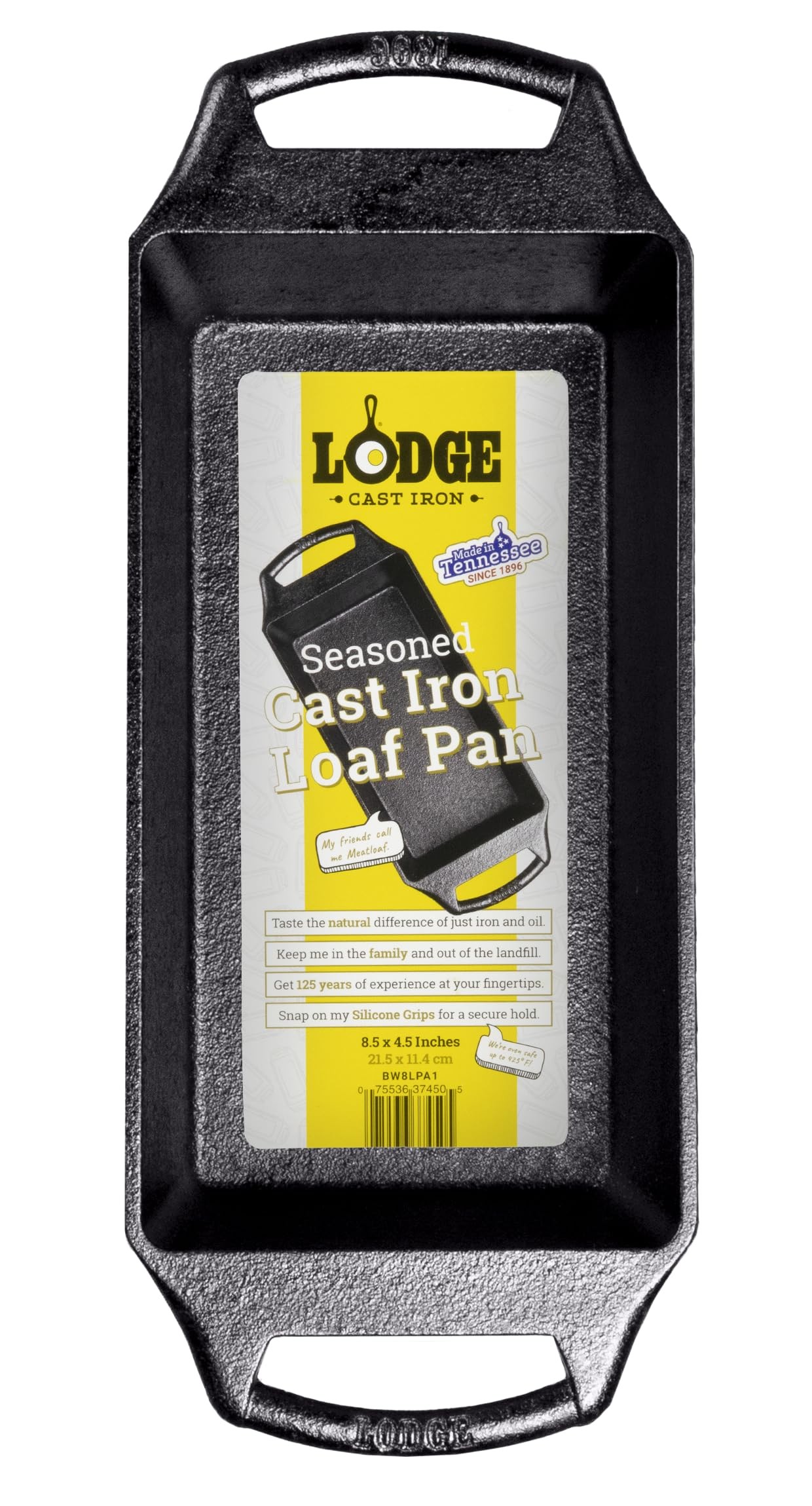
Lodge Cast Iron Loaf Pan with Lid
Cast iron retains heat for a thick, crackling crust on bread
Buy on Amazon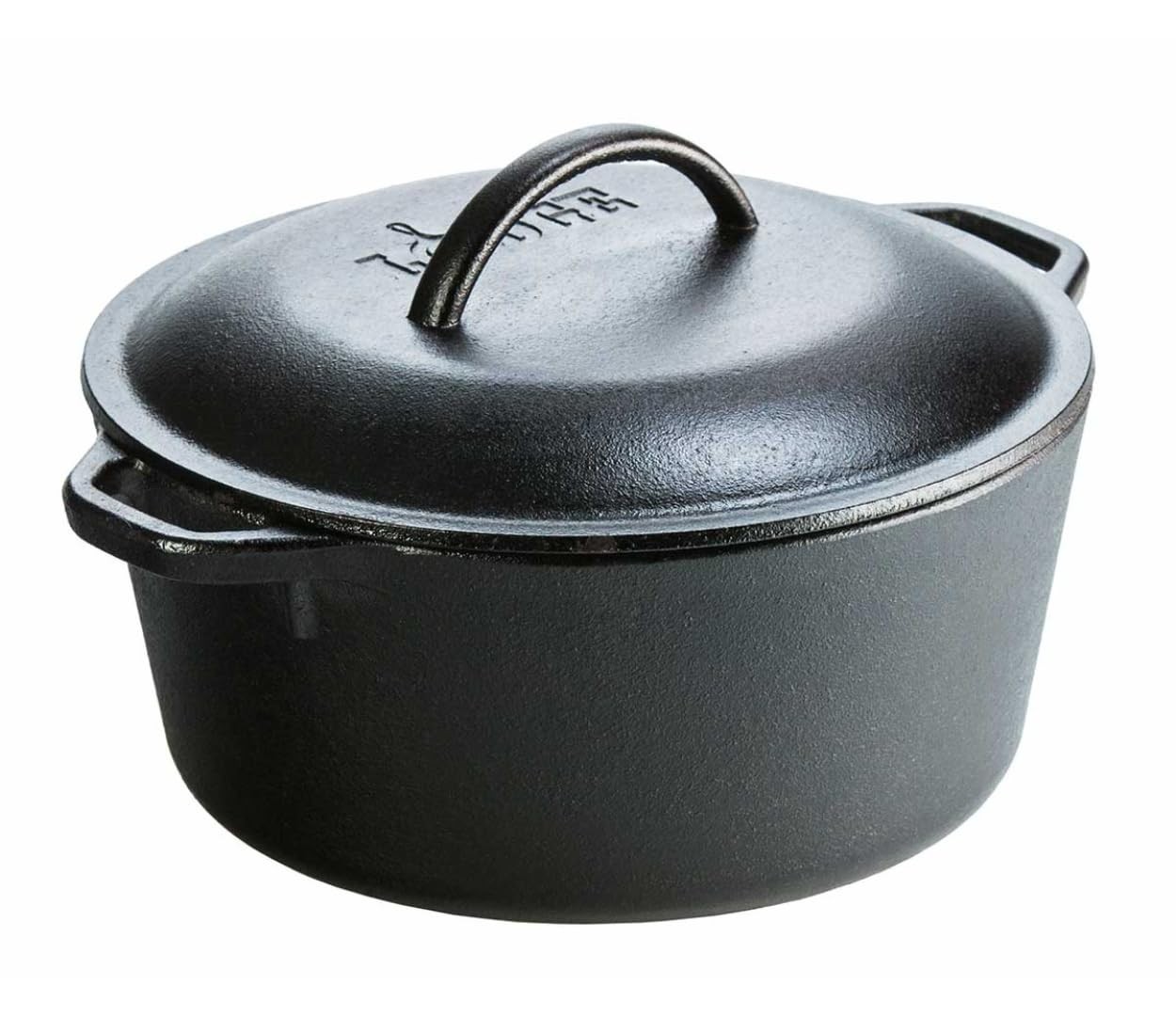
Lodge 6-Quart Cast Iron Dutch Oven
Thick walls retain heat evenly for long braises and stews
Buy on Amazon
Le Creuset 5.5-Quart Round Dutch Oven
Even heat distribution eliminates hot spots for slow braises
Buy on Amazon| Product | Price Range | Top Strength | Key Weakness | Buy |
|---|---|---|---|---|
| Lodge Cast Iron Loaf Pan with Lid best overall | $ | Cast iron retains heat for a thick, crackling crust on bread | Heavier than a standard loaf tin , not ideal for everyday baking | Buy on Amazon |
| Lodge 6-Quart Cast Iron Dutch Oven also consider | $ | Thick walls retain heat evenly for long braises and stews | Requires seasoning maintenance , can rust if left wet | Buy on Amazon |
| Le Creuset 5.5-Quart Round Dutch Oven also consider | $$$ | Even heat distribution eliminates hot spots for slow braises | Over $300 at full retail , a significant investment | Buy on Amazon |
| Emile Henry 5.5-Quart Flame Dutch Oven also consider | $$$ | Made from Burgundy clay , lighter than cast iron, excellent heat retention | Not suitable for high-heat searing , clay is best for low-and-slow | Buy on Amazon |
The question I get most often from sourdough bakers isn’t about flour ratios or starter hydration. It’s about the pan. Specifically: do you need a dedicated loaf pan, or is a Dutch oven doing the same job well enough? Having baked bread in both for years, my answer is that it depends on the shape of loaf you want and how seriously you take crust development. If you bake boules, a round Dutch oven works beautifully. If you want a proper sandwich-sliceable rectangle, you need a loaf pan. This guide covers the Lodge Cast Iron Loaf Pan with Lid directly, then compares it honestly against the Dutch ovens that most home bakers are already considering. All four products on this list are cast iron or ceramic alternatives worth understanding before you spend anything.
For more context on what separates good cast iron from mediocre, the Cast Iron hub is worth reading before you decide.
What to Look For in a Cast Iron Bread Pan
Lid Fit and Steam Retention
The whole point of baking bread in a covered vessel is steam. During the first 20 minutes or so, the crust needs to stay soft and extensible so the loaf can spring up fully before it sets. A loose-fitting lid loses that steam immediately, and you end up with a tight, pale crust that didn’t develop properly. Test this before you buy by checking reviews specifically for lid seal complaints. The Lodge loaf pan uses a flat lid that sits flush. The Dutch ovens use heavy, domed lids. Both approaches work if manufactured to tolerance.
Thermal Mass
Thin-walled pans heat unevenly and cool down fast when you load cold dough into them. Cast iron’s advantage here is simple physics. The walls hold heat through the entire bake, so the bottom crust gets the same aggressive heat as the sides. If you’ve ever pulled a loaf that was pale on the bottom and overdone on top, that’s a thermal mass problem. Cast iron fixes it.
Weight and Practicality
A fully loaded cast iron loaf pan with a wet sourdough inside weighs more than most people expect. This is a real consideration if you bake frequently, if you have grip issues, or if you’re pulling a heavy pan out of a 475-degree oven with oven mitts that reduce your dexterity. The ceramic options covered below address this more directly than the Lodge cast iron does.
Seasoning vs. Enamel
Bare cast iron requires maintenance. Not much, and not complicated, but if you leave it wet, it rusts. Enameled cast iron eliminates that concern but adds fragility of a different kind: chips. Ceramic is glazed and scratch-resistant but more vulnerable to impact. None of these is a dealbreaker. They’re just different maintenance profiles, and it’s worth being honest with yourself about which one you’ll actually follow through on.
Top Picks
Lodge Cast Iron Loaf Pan with Lid
The Lodge Cast Iron Loaf Pan with Lid is the only product in this list specifically designed for a rectangular loaf. That’s its entire reason to exist. It comes pre-seasoned, which is Lodge’s standard approach across their line, and the lid is flat rather than domed, designed to sit directly on top during the steam phase of baking.
In practice, this pan does what it claims. The crust development is comparable to what you’d get in a Dutch oven, with the obvious advantage that your loaf is already in loaf shape. Sourdough baked here comes out with a thick, crackling bottom crust and proper oven spring, assuming your dough is in reasonable condition going in.
The complaints worth taking seriously. First, greasing is not optional. Unlike a well-seasoned skillet that you can cook eggs in without incident, a bread dough at high hydration will stick in ways that are difficult to predict from one bake to the next. Grease the pan thoroughly, every time. Second, this is not an everyday-use item. If you bake one sourdough loaf per week, the weight and the cleanup cadence are manageable. If you bake banana bread on Tuesday and sourdough on Saturday and a quick bread somewhere in between, you will reach for a lighter aluminum loaf pan for the easy bakes and reserve this for sourdough days.
At budget pricing, there isn’t much to argue with on value. Check current price on Amazon.
Lodge 6-Quart Cast Iron Dutch Oven
The Lodge 6-Quart Cast Iron Dutch Oven is the most straightforward value case in this entire category. It’s bare cast iron, pre-seasoned, and performs the same core bread-baking function as vessels costing several times more. The 6-quart capacity is large enough for most sourdough boule recipes with room for oven spring.
The trade-off is aesthetic and practical. There’s no enamel, which means rust is possible if you’re careless with drying. The exterior looks industrial because it is industrial. And it weighs enough that pulling it out of a 500-degree oven one-handed is not something I would advise (which I realize is a specific complaint, but it’s also the one that ends baking sessions early).
For straight baking performance, though, it’s hard to argue with. Pre-seasoned and ready out of the box, with thick walls that hold heat evenly through the entire bake. Comparable to the Le Creuset 5.5-Quart in bread results. Costs a fraction of the price. If the appearance of your Dutch oven matters to you, this is not your pan. If performance is the metric, it’s hard to justify spending more.
Le Creuset 5.5-Quart Round Dutch Oven
The Le Creuset 5.5-Quart Round Dutch Oven is the most-reviewed Dutch oven on the market, and it earned that position through consistent performance over decades. The enameled interior requires no seasoning, resists staining reasonably well, and makes cleanup straightforward. The tight-fitting lid traps steam effectively. Heat distribution is even, with no hot spots I’ve encountered across years of use.
The price is premium, and that’s the conversation most buyers need to have with themselves honestly. Le Creuset charges premium pricing, and you can see that number on Amazon. The counterargument they and their advocates make is the lifetime warranty and the longevity math. A piece that lasts 25 years at a premium price works out to a reasonable annual cost. That math is real. But it assumes you’re buying it to use it for 25 years, not because the colorway looks good on a shelf. I’ve seen both kinds of buyers, and the math only holds for the first group.
If you already own an enameled cast iron baking dish and understand the care that enameled surfaces require, the Le Creuset will feel immediately familiar. If you’re new to enameled cast iron, it’s a different material culture than bare cast iron, and it’s worth knowing that before you commit.
Emile Henry 5.5-Quart Flame Dutch Oven
The Emile Henry 5.5-Quart Flame Dutch Oven is made from Burgundy clay rather than cast iron, which changes its profile in two meaningful ways. First, it’s lighter. Meaningfully lighter than comparable cast iron, which makes it the practical choice for anyone who finds heavy cookware physically difficult to manage. Second, the glazed interior is scratch-resistant in a way that enamel isn’t, which matters if you’re routinely using metal utensils.
The limitation is heat ceiling. Don’t try to sear in this. The clay is designed for low-and-slow work, and it excels there. For bread baking at 450 to 475 degrees, it’s well within its range. The thermal shock resistance is also better than cast iron, meaning you can take it from a cold counter directly to a hot oven without the crack risk that comes with some ceramics.
The fragility on impact is the honest caveat. Drop this on a tile floor and it may not survive. Cast iron would dent your floor. The Emile Henry would potentially shatter. If your kitchen has a risk of things getting knocked off counters (and most kitchens do), that’s a relevant risk to factor in.
If you’re interested in how Emile Henry performs across their other clay cookware, the Emile Henry Tagine review covers their approach to heat retention and glazing in more detail.
How to Choose
If you want a rectangular sourdough loaf with crackling crust and you’re committed to the sourdough practice, the Lodge Cast Iron Loaf Pan with Lid is the right tool. Nothing else on this list produces a rectangular loaf. That’s not a trivial point.
If you want a Dutch oven that also bakes bread and handles braises, soups, and stews, the choice depends on your priorities. The Lodge 6-Quart Dutch Oven is the performance-per-dollar leader. The Le Creuset adds enamel convenience and warranty coverage at premium pricing. The Emile Henry adds lighter weight and higher scratch resistance, at the cost of high-heat capability and impact resistance.
For most home bakers who bake bread occasionally and use the vessel for other cooking the rest of the time, the Lodge Dutch oven is genuinely hard to beat on value. For bakers who want the convenience of enamel and are willing to pay for it, Le Creuset is the standard against which everything else competes. For anyone who has found cast iron too heavy to handle comfortably, the Emile Henry solves a real problem.
What this category doesn’t need is another round of romanticizing the process. If you bake sourdough reliably every week and care about crust quality, any of these will improve your results compared to a standard aluminum loaf tin. If you bake bread twice a year, a mid-range stoneware pan at budget pricing will do the same job without the weight or the maintenance commitment. The Cast Iron category rewards regular use. Buy for the baker you actually are, not the baker you plan to become.
For those already deep in the enameled cast iron category, the enameled cast iron griddle review covers how enamel holds up across higher-heat cooking, which is a useful complement if you’re considering the Le Creuset long-term.
Frequently Asked Questions
Can I use a cast iron loaf pan for regular bread recipes, not just sourdough?
Yes, but with caveats. The Lodge loaf pan works for any enriched or lean bread dough, but it’s designed to perform at the higher temperatures sourdough typically requires. For sandwich loaves baked at lower temperatures, a standard aluminum loaf pan is lighter and easier to use. The cast iron loaf pan is overkill for everyday bread, and the greasing requirements are more demanding than most people want for a Tuesday night white bread.
Is a dedicated loaf pan better than a Dutch oven for sourdough?
For rectangular loaves, yes. A Dutch oven produces a boule, which is round. If your sourdough goal is a loaf you can slice into even pieces for sandwiches, a Dutch oven requires shaping the dough differently and will still produce a rounder profile. The loaf pan solves the shape problem directly. Crust quality is comparable between the two approaches.
How do I prevent sticking in a cast iron loaf pan?
Grease it thoroughly, every bake, without exception. Butter works. Shortening works. Olive oil at this heat level is less reliable. Some bakers line the bottom with a strip of parchment. The pre-seasoning on the Lodge is a starting point, not a guarantee, and a sticky high-hydration sourdough will adhere to under-greased cast iron in ways that are difficult to fix without damaging the loaf. Don’t skip this step.
How does the Lodge Dutch oven compare to Le Creuset for bread baking?
Baking performance is genuinely close. Both have heavy lids that trap steam and thick walls that hold heat. The difference is maintenance, finish, and price. The Lodge requires drying and occasional re-seasoning. The Le Creuset has an enameled interior that cleans more easily but can chip if handled roughly. Le Creuset comes at premium pricing, Lodge at budget pricing. For bread baking alone, the Lodge is the better value case. For a vessel you’ll also use for braises, soups, and other cooking over years, the enamel convenience of the Le Creuset has a legitimate argument.
Can the Emile Henry Dutch oven handle the high heat required for sourdough baking?
Yes, within its range. Most sourdough recipes call for an initial bake of 450 to 475 degrees Fahrenheit. The Emile Henry Flame series is rated for oven use well above that range. Where it has a ceiling is high-heat searing, which requires a much more concentrated, direct heat that clay handles less well than cast iron. For bread baking specifically, the Emile Henry performs well and the lighter weight makes loading and unloading from a hot oven considerably more manageable.
Frequently Asked Questions
Do I need a dedicated cast iron bread pan with a lid, or will a Dutch oven work?
If you bake round boules, a Dutch oven works excellently and may already be in your kitchen. If you want a rectangular, sandwich-sliceable loaf, a dedicated loaf pan is the right tool — a round Dutch oven cannot produce that shape.
Why does a cast iron bread pan with a lid bake better crust than a standard loaf tin?
The lid traps steam during the first half of baking, keeping the crust soft and extensible so the loaf can fully spring before it sets. Cast iron's thermal mass also delivers consistent high heat to the bottom and sides, producing a thick, crackling crust that thin metal pans cannot replicate.
Does the Lodge cast iron bread pan need to be seasoned before first use?
Lodge pre-seasons their bare cast iron bread pans at the factory, so it is ready to use immediately. Seasoning will continue to build with each use, and avoiding soap and soaking will help maintain it long-term.
What size loaf does the Lodge cast iron bread pan make?
The Lodge cast iron loaf pan is designed for a standard 1.5 to 2-pound loaf of bread, which is the typical size for most sourdough and sandwich loaf recipes. Check your recipe's pan size recommendation before purchasing.
Can the Lodge cast iron bread pan go from refrigerator to oven with cold-proofed dough?
Yes — bare cast iron can handle temperature changes that would crack ceramic or glass. You can load cold retarded dough directly from the refrigerator into a preheated cast iron pan without worrying about thermal shock.
Where to Buy
Lodge Cast Iron Loaf Pan with LidSee Lodge Cast Iron Loaf Pan with Lid on Amazon