Lodge 14 Inch Cast Iron Skillet Buyer's Guide

Affiliate disclosure: Some links on this page are affiliate links. If you buy through them we earn a small commission at no extra cost to you. Recommendations are research-driven; we don't claim personal use of every product reviewed. Product prices and availability are accurate as of the date published and are subject to change. Always check Amazon for current pricing before purchasing. Learn more.

Quick Picks
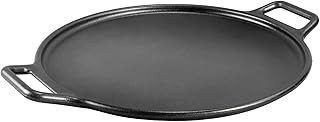
Lodge 14-Inch Cast Iron Skillet
Large enough for two steaks or a whole chicken , rare at this price
Buy on Amazon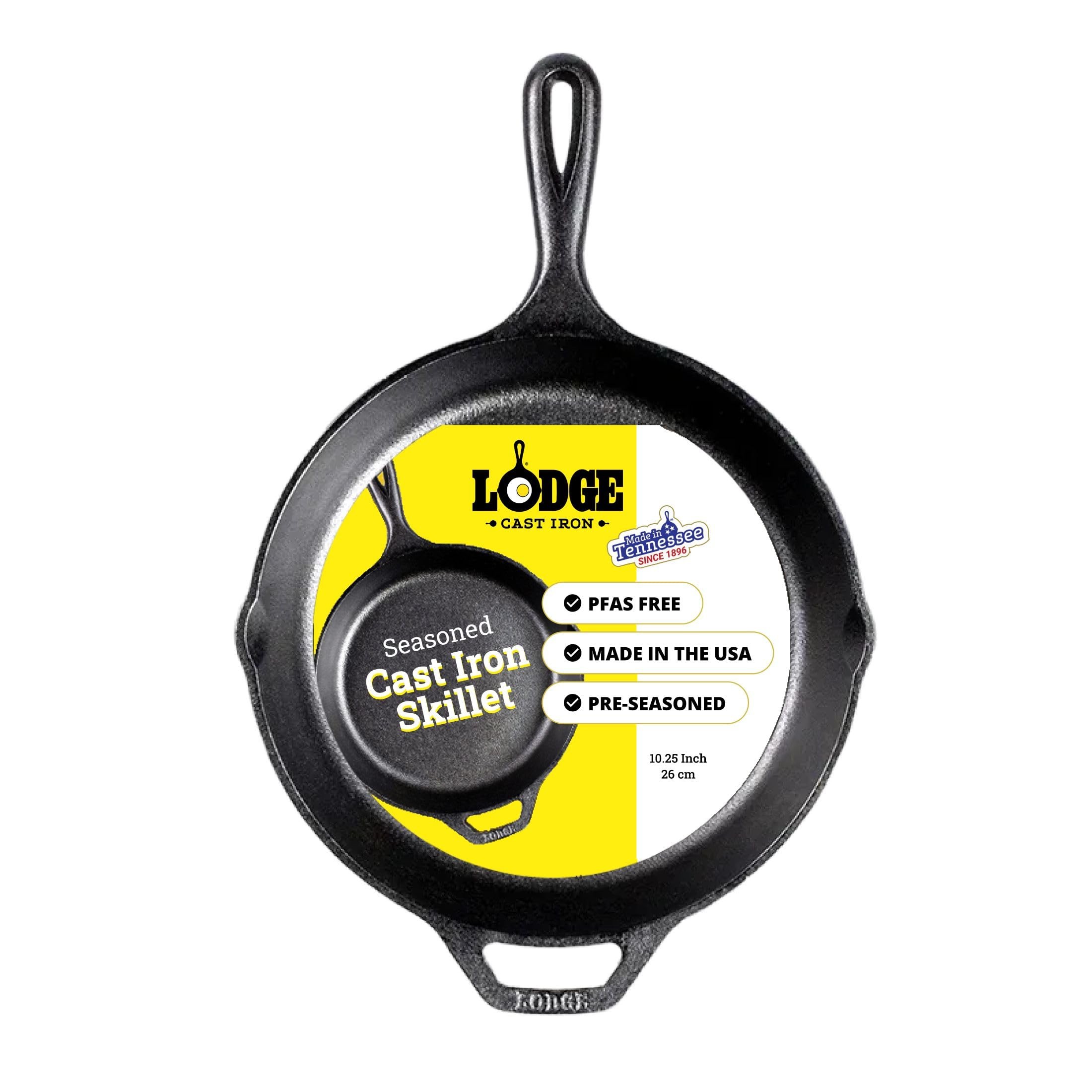
Lodge 12-Inch Cast Iron Skillet
Pre-seasoned and ready to use out of the box
Buy on Amazon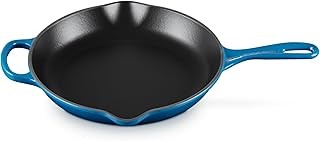
Le Creuset Signature Enameled Cast Iron Skillet 10.25"
Enameled interior , no seasoning required, non-reactive with acidic foods
Buy on Amazon| Product | Price Range | Top Strength | Key Weakness | Buy |
|---|---|---|---|---|
| Lodge 14-Inch Cast Iron Skillet best overall | $ | Large enough for two steaks or a whole chicken , rare at this price | Very heavy , not suitable for anyone with wrist or grip issues | Buy on Amazon |
| Lodge 12-Inch Cast Iron Skillet also consider | $ | Pre-seasoned and ready to use out of the box | Heavy at 8 lbs , awkward for one-handed flipping | Buy on Amazon |
| Le Creuset Signature Enameled Cast Iron Skillet 10.25" also consider | $$$ | Enameled interior , no seasoning required, non-reactive with acidic foods | Significantly more expensive than bare cast iron alternatives | Buy on Amazon |
| Lodge Enameled Cast Iron Dutch Oven 6-Quart also consider | $$ | Enameled interior , no seasoning required, dishwasher safe | Enamel quality not as refined as Le Creuset , more prone to chipping over time | Buy on Amazon |
The 14-inch cast iron skillet is a specific piece of equipment for a specific kind of cooking. If you regularly sear two ribeyes at once, roast a spatchcocked chicken, or cook for more than three people on a weeknight, you’ve probably already noticed that a 12-inch pan forces you to make compromises. This guide covers the Lodge 14-Inch Cast Iron Skillet as the primary subject, but also lays out how it compares to its smaller sibling and to the enameled options that often come up in the same conversation. For broader context on cast iron cookware as a category, the Cast Iron hub is a useful starting point.
What to Look For in a Large Cast Iron Skillet
Cooking Surface vs. Stated Size
A 14-inch skillet measures 14 inches at the rim, not at the flat cooking surface. The actual usable bottom on most cast iron pans in this size runs closer to 10.5 to 11 inches. That still beats a 12-inch pan’s 9-inch cooking surface, but if you’ve ever grabbed a pan expecting more room and found yourself crowding food anyway, that’s exactly the measurement you want to confirm before buying.
Thermal Mass and Temperature Recovery
The reason to buy cast iron at all is heat retention. When a cold protein hits a hot pan, the pan’s temperature drops. A heavier pan drops less and recovers faster. The 14-inch Lodge weighs over 8 pounds, which gives it meaningful thermal advantage over the 12-inch version on that single axis. The tradeoff is preheat time. Budget an extra four to five minutes compared to a 12-inch, and don’t rush it. (I timed this. Underprepared cast iron is worse than no cast iron.)
Seasoning vs. Enamel
Bare cast iron requires maintenance. Enameled cast iron does not, but it cannot match bare cast iron on high-heat searing and it will not go from stovetop to campfire. If you’re cooking acidic braises or tomato-based sauces regularly, enamel is worth considering. If you want the hardest sear you can get on a steak, bare cast iron is the answer.
Handle Configuration
At 14 inches, you are lifting significant weight. Both Lodge skillets in this category include a helper handle opposite the main handle, which matters. If you have wrist or grip issues, be honest with yourself here. A full pan of food in a 14-inch skillet is not a one-handed operation under any circumstances.
Top Picks
Best Large Skillet: Lodge 14-Inch Cast Iron Skillet
The Lodge 14-Inch Cast Iron Skillet is in the budget price category, which is the first thing to say about it, because nothing else at this price point offers comparable cooking surface or thermal mass. It comes pre-seasoned with Lodge’s vegetable oil finish, which is functional but benefits from additional seasoning before serious use.
The cooking surface is large enough to sear two 16-ounce steaks simultaneously without crowding, or to roast a spatchcocked 4-pound chicken flat in the oven. For anyone who has been working around the limitations of a 12-inch pan for years, that extra surface area is not trivial. Browned food requires contact with hot metal, not steam from a crowded pan.
Heat retention is the other argument. This pan stays hot. Put a cold chicken breast in it and the pan doesn’t flinch the way a thinner stainless pan would. The Lodge D3 Stainless series handles temperature recovery better than cheaper stainless, but not better than this.
The honest downsides. This pan is heavy. Empty, it’s over 8 pounds. With food, it’s a serious lift. Anyone who has experienced wrist fatigue or grip weakness should treat this as a near-disqualifying issue, not a minor inconvenience. It also takes longer to reach temperature than smaller pans, so if you’re in the habit of throwing a pan on high heat and adding food two minutes later, that habit needs adjustment.
At budget pricing, this is the correct answer for high-volume home cooking with no asterisk.
Best Everyday Cast Iron: Lodge 12-Inch Cast Iron Skillet
For most households cooking for two to four people, the Lodge 12-Inch Cast Iron Skillet is the more practical daily driver. It’s lighter, preheats faster, and handles everything from a weeknight frittata to a pan sauce without the commitment of the 14-inch footprint.
This is also the skillet to compare against Le Creuset on value over time. A Le Creuset enameled skillet costs several times more than this Lodge. Both will outlast you if maintained correctly. The Lodge requires seasoning attention; the Le Creuset does not. If you find seasoning maintenance genuinely tedious rather than a five-minute task, that price difference may be worth it to you. If you don’t, it probably isn’t.
The reactivity issue with acidic foods is real but overblown in most home cooking contexts. Avoid leaving tomato-heavy sauces sitting in an unseasoned pan for extended periods. Cook the sauce and move it out. A well-seasoned Lodge 12-inch is not going to ruin a pan sauce with a splash of wine.
Premium Enameled Option: Le Creuset Signature Enameled Cast Iron Skillet 10.25”
The Le Creuset Signature Enameled Cast Iron Skillet 10.25” is one of the pricier options in this class, and it earns most of that price. The enameled interior means no seasoning, no reactivity concerns, and no dietary restrictions around cooking acidic foods. The lifetime warranty is real and Le Creuset honors it. The enamel is chip-resistant under normal use, though “dropping a skillet onto a tile floor” is not normal use by any reasonable definition.
Compared to the Staub line, Le Creuset uses a lighter-colored enamel interior, which makes it easier to monitor browning. Staub’s black matte interior is better at masking staining over time. That’s a real difference if cosmetic wear bothers you. If you’re using this primarily for building fond and making pan sauces rather than long braises, Le Creuset’s lighter interior is the practical choice.
At 10.25 inches, this is a smaller cooking surface than either Lodge skillet in this guide. If you’re considering it as a standalone piece for high-heat searing, the size is a limitation. If you want it for medium-heat cooking, one-pan weeknight meals, and occasional oven finishing, it’s an excellent piece. Worth looking at alongside the Le Creuset Dutch Oven Sur La Table review if you’re building out a Le Creuset set and thinking about where to put your dollars.
Middle Ground: Lodge Enameled Cast Iron Dutch Oven 6-Quart
The Lodge Enameled Cast Iron Dutch Oven 6-Quart is mid-range priced and sits between bare Lodge and premium Le Creuset in both cost and finish quality. The enameled interior means no seasoning requirement, and being dishwasher safe makes it the lowest-maintenance option in this group.
The enamel is not as refined as Le Creuset’s. Over two to three years of regular use, chipping is more likely, particularly around the rim and lid edge. The lighter porcelain finish also stains more visibly. If you’re making a lot of tomato-based braises or curries, the cosmetic wear will show faster than it would on a Le Creuset. This is a functional complaint, not a catastrophic one. It will still cook correctly.
The thermal mass is comparable to bare Lodge at a fraction of Le Creuset’s price. For anyone who wants the easy-care benefits of enamel without the premium investment, this is a reasonable answer. If you’re also interested in baked dishes, the enameled cast iron baking dish review covers that category with similar tradeoff analysis.
How to Choose
You cook for crowds or want maximum sear surface
Buy the Lodge 14-Inch Cast Iron Skillet. At budget pricing, nothing else gives you this much usable surface or thermal mass. Accept the preheat time. Accept the weight.
You want a daily-use cast iron with no complications
The Lodge 12-Inch Cast Iron Skillet is the answer. Lighter, faster, and handles 90% of what the 14-inch does with less effort. Check current price on Amazon. The value-per-decade argument for bare Lodge cast iron over premium enameled alternatives is hard to counter unless maintenance genuinely isn’t something you’ll do.
You want enamel and will use it regularly
The Le Creuset at premium pricing is the better long-term investment over the Lodge enamel at mid-range pricing, assuming you’ll own it for more than five years. The enamel holds up better. The warranty is real. If the premium price is a stretch, the Lodge Enameled Dutch Oven delivers comparable cooking performance with somewhat lower finish durability.
You’re building out a cast iron collection
Start with the Lodge 12-inch bare skillet. Add a Dutch oven when you need braising capacity. If you find yourself wanting enameled pieces for acidic cooking or easier cleanup, that’s when Le Creuset’s lifetime warranty starts making financial sense. The broader cast iron cookware guide on this site covers the category more fully if you’re making multiple purchases at once. An enameled cast iron griddle is worth considering if you do a lot of pancakes or grilled sandwiches and want a single flat surface across two burners.
Frequently Asked Questions
Is a 14-inch cast iron skillet too big for a home kitchen?
For most households of two people, yes. The 14-inch pan makes the most sense when you’re regularly cooking for four or more, or when you need maximum searing surface for large cuts. For everyday cooking, the 12-inch is more practical and meaningfully lighter. The 14-inch is also larger than most standard burners, so heat distribution across the full surface requires an oven preheat or a longer stovetop warmup than smaller pans.
Does the Lodge 14-inch skillet come pre-seasoned?
It does. Lodge pre-seasons all of its bare cast iron with vegetable oil at the factory. The factory seasoning is functional but thin. The first few uses should be fat-forward cooking, such as bacon, pan-fried chicken, or sauteed vegetables in oil, to build additional layers before you attempt anything that might stick.
Can I use the Lodge 14-inch on an induction cooktop?
Yes. Bare cast iron is magnetic and works on induction without any modification. The Lodge 12-inch and 14-inch both work on induction, gas, electric, and in the oven. The Le Creuset enameled skillet also works on induction. Check current price on Amazon for both if you’re making a purchase decision based on cooktop compatibility.
How do I clean a 14-inch cast iron skillet without damaging the seasoning?
Rinse it while it’s still warm, use a stiff brush or a Lodge chain mail scrubber, and dry it immediately and completely. A minute on low heat after drying removes residual moisture. Rub a thin film of oil into the surface before putting it away. Avoid dish soap regularly, avoid soaking it, and never put it in the dishwasher. That’s the full protocol.
Is the Le Creuset enameled skillet worth the price compared to bare Lodge?
It depends on how you cook. If you regularly make tomato sauces, wine braises, or anything acidic and want to cook it directly in the skillet without thinking about seasoning degradation, Le Creuset’s enameled interior earns its cost over time. If you cook mostly proteins and vegetables with high heat, bare Lodge at budget pricing will outperform it on searing and cost a fraction of the price. They’re genuinely different tools rather than one being a better version of the other.
Frequently Asked Questions
How heavy is the Lodge 14-inch cast iron skillet?
The Lodge 14-inch cast iron skillet weighs over 8 pounds empty. Add food and you're routinely lifting 10-plus pounds, which is a real consideration for anyone with wrist or grip limitations.
What is the actual cooking surface of the Lodge 14-inch skillet?
Despite being labeled 14 inches, the flat cooking surface (the usable bottom) measures approximately 10.5 to 11 inches. The 14-inch measurement reflects the outer rim diameter, not the interior cooking area.
Is the Lodge 14-inch skillet pre-seasoned and ready to use?
Yes — Lodge pre-seasons all their bare cast iron skillets with vegetable oil at the factory. It's ready to cook on out of the box, though the seasoning will improve significantly with regular use over the first several months.
Who is the Lodge 14-inch cast iron skillet actually for?
It's best for cooks who regularly prepare large quantities — two steaks simultaneously, a whole spatchcocked chicken, or family-sized portions that overwhelm a 12-inch pan. For solo cooks or couples, the 12-inch handles most tasks with less weight.
Can the Lodge 14-inch cast iron skillet go in the oven?
Yes — Lodge bare cast iron is oven safe at any temperature, including under the broiler. There are no plastic handles or non-stick coatings to worry about, making it one of the most versatile oven-to-stovetop pans available.
Where to Buy
Lodge 14-Inch Cast Iron SkilletSee Lodge 14-Inch Cast Iron Skillet on Amazon