Lodge Cast Iron Grills: 5 Options for Every Cook

Affiliate disclosure: Some links on this page are affiliate links. If you buy through them we earn a small commission at no extra cost to you. Recommendations are research-driven; we don't claim personal use of every product reviewed. Product prices and availability are accurate as of the date published and are subject to change. Always check Amazon for current pricing before purchasing. Learn more.

Quick Picks
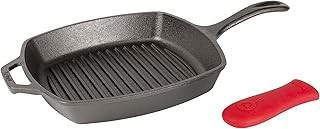
Lodge 10.5-Inch Square Cast Iron Grill Pan
Raised ridges produce grill marks and drain fat away from food
Buy on Amazon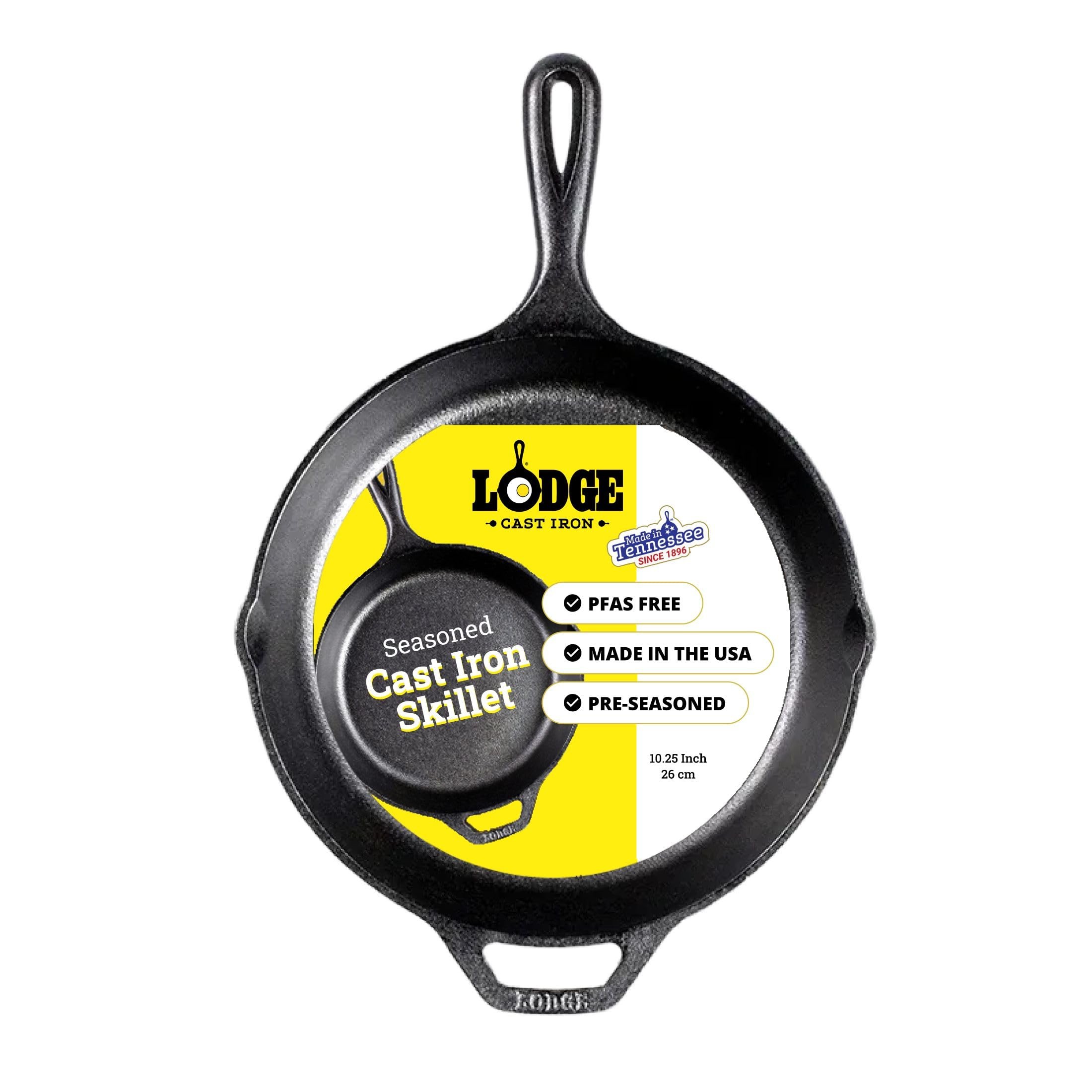
Lodge 12-Inch Cast Iron Skillet
Pre-seasoned and ready to use out of the box
Buy on Amazon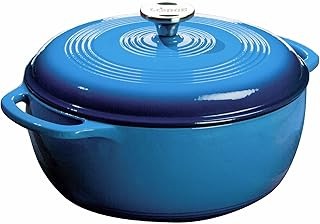
Lodge Enameled Cast Iron Dutch Oven 6-Quart
Enameled interior , no seasoning required, dishwasher safe
Buy on Amazon| Product | Price Range | Top Strength | Key Weakness | Buy |
|---|---|---|---|---|
| Lodge 10.5-Inch Square Cast Iron Grill Pan best overall | $ | Raised ridges produce grill marks and drain fat away from food | Ridged surface is harder to clean than a flat skillet | Buy on Amazon |
| Lodge 12-Inch Cast Iron Skillet also consider | $ | Pre-seasoned and ready to use out of the box | Heavy at 8 lbs , awkward for one-handed flipping | Buy on Amazon |
| Lodge Enameled Cast Iron Dutch Oven 6-Quart also consider | $$ | Enameled interior , no seasoning required, dishwasher safe | Enamel quality not as refined as Le Creuset , more prone to chipping over time | Buy on Amazon |
| Le Creuset Signature Enameled Cast Iron Skillet 10.25" also consider | $$$ | Enameled interior , no seasoning required, non-reactive with acidic foods | Significantly more expensive than bare cast iron alternatives | Buy on Amazon |
| Staub 10-Inch Cast Iron Fry Pan also consider | $$$ | Ridged bottom promotes searing and fat drainage | Dark interior makes it harder to judge caramelization and fond color | Buy on Amazon |
Cast iron is one of those categories where the honest answer is often the least exciting one: buy a Lodge, use it for thirty years, pass it on. But “Lodge cast iron grills and pans” covers more ground than that single sentence suggests, and the wrong pick for your actual cooking habits will sit in a cabinet gathering dust no matter how good the metal is. This guide covers five pieces across bare cast iron, grill pans, and enameled options, including a couple of premium competitors worth knowing about. If you want a broader orientation before getting into specifics, the Cast Iron hub is a good place to start.
What to Look For
Surface Type: Bare, Ridged, or Enameled
Bare cast iron and enameled cast iron behave differently enough that they’re almost separate categories. Bare iron needs seasoning, reacts with acidic foods until that seasoning builds up, and will outlast nearly any cooking surface you own if you treat it reasonably. Enameled iron skips the seasoning requirement, handles tomatoes and wine without complaint, and costs more, sometimes considerably more.
A grill pan adds a third variable: raised ridges that lift food off the cooking surface. Those ridges produce the crosshatch marks you’re after, and they drain fat away from the protein as it cooks. Whether that’s worth the harder cleanup depends on how often you’re cooking things that benefit from it.
Size and Fit
A 10-inch pan serves one to two people comfortably. Twelve inches is the right size if you’re cooking for three or four regularly, or if you want to fit a full pork tenderloin without adjusting it every two minutes. The square grill pan format is worth understanding separately: the square footprint fits two chicken breasts side by side in a way that a round 10.5-inch pan simply doesn’t.
Weight
Cast iron is heavy. That’s part of what makes it work. But there’s a range. An 8-pound 12-inch skillet is manageable on the stovetop but awkward when you’re draining it one-handed over the sink. Enameled pieces from Le Creuset tend to run slightly lighter than equivalent bare cast iron, which matters more than it sounds if you’re cooking frequently.
Heat Source Compatibility
All five pieces reviewed here work on gas, electric, and induction. Campfire and grill use is possible for bare Lodge pieces. Enamel and open flame don’t mix well long-term, so factor that in if outdoor cooking is part of your plan.
Top Picks
Best Budget Grill Pan: Lodge 10.5-Inch Square Cast Iron Grill Pan
The Lodge square grill pan is, in practical terms, an indoor grilling surface. The raised ridges do two things: they put visible grill marks on chicken, steak, and fish, and they hold the food above the fat that renders out during cooking. On a flat skillet, that fat sits in contact with the food for the duration. Here, it drains to the channels between the ridges. That’s a real functional difference, not a cosmetic one.
The square format earns its keep. Two bone-in chicken breasts fit side by side without overlapping, which means they cook evenly instead of one sitting on top of the other and steaming. I’ve tried this with a round pan of similar diameter and the geometry just doesn’t work as well.
Pre-seasoned from the factory, works on induction and directly on a campfire grate. Budget pricing.
The honest downsides: cleaning between those ridges is genuinely more work than cleaning a flat skillet. A stiff brush and hot water handles it, but don’t expect it to be quick. The corners also don’t heat as evenly as the center, so if you’re crowding food into the edges of the square, it will cook more slowly there. For a grill pan at this price point, neither of those is a dealbreaker.
Best Entry-Level Bare Cast Iron: Lodge 12-Inch Cast Iron Skillet
This is the value benchmark for cast iron, full stop. Budget pricing, pre-seasoned, works on every heat source including induction, and if you treat it reasonably it will still be in someone’s kitchen thirty years from now. Compare that to a Le Creuset enameled skillet at premium pricing and ask yourself how many decades of use it takes to close that gap. The math on the bare Lodge is difficult to argue with.
The weight is real. At 8 pounds, it’s not a pan you flip one-handed without thinking about it. And it will react with acidic foods, tomato sauce, citrus, red wine, until the seasoning is properly built up. That takes some months of regular cooking, not years, but new buyers should know it’s coming.
This is the pan I’d hand to someone setting up a kitchen for the first time, or someone replacing a decade-old nonstick that finally gave out. It does almost everything a flat cooking surface should do, at a price that doesn’t require a conversation about it.
Best Mid-Range Enameled Dutch Oven: Lodge Enameled Cast Iron Dutch Oven 6-Quart
If you want the thermal mass of cast iron for braises and soups without the seasoning maintenance, the Lodge enameled dutch oven sits at mid-range pricing and performs like it costs more. The enameled interior means no seasoning, dishwasher safe (though hand washing is still smarter for long-term enamel care), and no reactivity with acidic ingredients.
The comparison to Le Creuset is unavoidable. The Lodge enameled dutch oven costs roughly half what a comparable Le Creuset or a Williams Sonoma Le Creuset Dutch Oven would run, and the thermal performance is functionally similar. Where Le Creuset pulls ahead is enamel refinement. The Lodge finish is more prone to chipping over time, and the lighter porcelain interior shows staining more easily than Le Creuset’s sand-colored enamel.
For someone who wants easy-care cast iron without the premium outlay, this is the right call. For someone who will use it daily and expects it to look presentable in ten years, the calculus changes.
Best Premium Enameled Skillet: Le Creuset Signature Enameled Cast Iron Skillet 10.25”
Le Creuset’s enameled skillet is genuinely in a different class from the Lodge bare iron, and the price reflects that. The enamel is chip-resistant in a way that Lodge’s enameled line isn’t, it handles acidic foods without hesitation, and the lifetime warranty is not a marketing gesture. Le Creuset honors it.
Where this compares directly to the Staub below is on interior visibility. Le Creuset’s lighter interior lets you watch fond develop and judge caramelization accurately. If you cook things where the color of the pan surface tells you when to deglaze, that matters. If you’ve ever burned a pan sauce because you couldn’t see the fond until it was too late, that’s the problem this solves.
Premium pricing. Worth it for people who cook daily and want enameled cast iron that holds up to heavy use. Not worth it if you’re cooking twice a week and don’t mind maintaining bare iron.
Best Premium Cast Iron Fry Pan (Alternative): Staub 10-Inch Cast Iron Fry Pan
The Staub fry pan competes directly with the Le Creuset skillet above, and the deciding factor for most buyers really does come down to one thing: interior color. Staub’s matte black enamel is more forgiving of hard use and shows neither staining nor discoloration. Le Creuset’s lighter interior shows you exactly what’s happening in the pan. Pick based on which problem is more relevant to your cooking.
Staub’s oven rating goes to 900 degrees Fahrenheit, higher than most competitors. The ridged bottom promotes searing in a way a flat-bottomed pan doesn’t quite match. The downside: no pour spout on the rim, which makes draining liquid from the pan messier than it needs to be.
Both the Staub and Le Creuset are premium purchases. If you’re drawn to Staub’s aesthetic and the matte black enamel sounds more practical for your habits, the Staub Pumpkin Cocotte gives you a sense of how the brand’s enamel holds up over time across different piece types.
How to Choose
Start with what you actually cook, not what you aspire to cook. If you’re making weeknight chicken, scrambled eggs, and the occasional sear, the Lodge 12-Inch Cast Iron Skillet handles all of it at budget pricing and will not require replacing. If you specifically want grill marks and fat drainage indoors, add the Lodge 10.5-Inch Square Cast Iron Grill Pan. These two pieces together still come in at budget pricing total.
For braises, soups, and anything cooked low and slow with acidic ingredients, a dutch oven makes sense. The Lodge enameled 6-quart at mid-range pricing is the practical choice if maintenance simplicity is the goal.
The Le Creuset and Staub skillets are right for people who cook seriously, use their pans daily, and want enameled cast iron that performs and holds up for decades. The premium price is real. So is the quality difference over Lodge’s enameled line. (I’d also point anyone interested in baked preparations toward our enameled cast iron baking dish review, which covers a different use case in the same category.)
One thing that often gets skipped in this conversation: if you want an enameled surface for stovetop griddling specifically, it’s worth reading through our enameled cast iron griddle coverage before committing to a grill pan.
For everything else in the category, the Cast Iron hub has it covered by piece type and use case.
Check current prices on Amazon, since the gap between Lodge and Le Creuset pricing shifts, and the relative value calculation shifts with it.
Frequently Asked Questions
Is a Lodge cast iron grill pan worth buying if I already have a regular cast iron skillet?
If grill marks and fat drainage matter to you, yes. A flat skillet keeps rendered fat in contact with the food throughout cooking. The raised ridges on the grill pan lift the food above that fat and produce the crosshatch marks you’d get from an outdoor grill. If you’re mostly cooking eggs, sauces, and pan sears where fond matters, the flat skillet is the better tool. Both, together, cover most cooking situations at a combined budget price.
How do I clean the ridged surface of a cast iron grill pan without destroying the seasoning?
Hot water and a stiff-bristled brush handle most of it while the pan is still warm. For stuck-on bits between the ridges, a chainmail scrubber works better than a flat sponge can reach. Dry the pan immediately and apply a thin coat of oil before storing. Avoid dish soap regularly on bare cast iron, though occasional use when the pan is heavily soiled won’t ruin seasoning that’s properly built up.
What’s the practical difference between Lodge enameled cast iron and Le Creuset at twice the price?
Thermal performance is similar. The differences are in enamel durability, finish quality, and warranty support. Lodge’s enameled line is more prone to chipping over time and the lighter interior shows staining. Le Creuset’s chip-resistant enamel holds up better under heavy daily use, and the lifetime warranty is genuinely honored. If you cook occasionally and treat your cookware carefully, Lodge enameled is a reasonable choice. If you’re cooking daily and expect the piece to last twenty years without looking tired, Le Creuset earns the price difference.
Can I use Lodge cast iron directly on my induction cooktop?
Yes. All bare Lodge cast iron works on induction. The Lodge enameled dutch oven also works on induction. Both the Le Creuset and Staub skillets covered here are induction-compatible as well. Cast iron’s magnetic properties make it one of the most reliable induction materials available.
Should I buy a cast iron grill pan or an outdoor grill grate for indoor grilling?
A grill pan is a stovetop tool. It gives you grill marks and fat drainage, and it works in any weather, which is the point. It won’t replicate the smoke and char flavor of cooking over live fire or charcoal, because that comes from combustion, not from the surface. If smoke flavor is what you’re after, a grill pan won’t deliver it. If controlled indoor cooking with better surface contact and fat drainage than a flat skillet is what you need, the grill pan is the right tool for the job.
Frequently Asked Questions
What is the difference between a Lodge cast iron grill pan and a regular Lodge skillet?
A grill pan has raised ridges that lift food off the surface, create char marks, and allow fat to drain away — mimicking an outdoor grill. A flat skillet gives full contact cooking, which produces better fond and a more even sear but no grill marks.
Can I use a Lodge cast iron grill pan on a glass or ceramic cooktop?
Lodge does not recommend dragging cast iron across glass or ceramic cooktops as the rough bottom can scratch the surface. You can set it down carefully and use it, but sliding it is a risk — lift to reposition.
How do I clean a Lodge cast iron grill pan with ridges?
The ridges make cleaning harder than a flat skillet. A stiff-bristled brush or a Lodge grill pan scraper works well while the pan is still warm. Avoid soaking, dry thoroughly after washing, and apply a thin layer of oil to prevent rust.
Is a Lodge cast iron grill pan good for stovetop use indoors?
Yes, but be aware that the high heat needed to achieve good sear marks and the fat dripping into the valleys between ridges will produce smoke. Good ventilation or a strong range hood is important when using a cast iron grill pan indoors.
Does Lodge make an outdoor-rated cast iron grill for use over open fire?
Yes — Lodge makes several pieces designed for camp and outdoor use, including griddles and reversible grill/griddle pans that work over open flame, gas burners, and charcoal grills in addition to standard home cooktops.
Where to Buy
Lodge 10.5-Inch Square Cast Iron Grill PanSee Lodge 10.5-Inch Square Cast Iron Gril… on Amazon