Williams Sonoma Le Creuset Dutch Oven: Worth the Price?

Affiliate disclosure: Some links on this page are affiliate links. If you buy through them we earn a small commission at no extra cost to you. Recommendations are research-driven; we don't claim personal use of every product reviewed. Product prices and availability are accurate as of the date published and are subject to change. Always check Amazon for current pricing before purchasing. Learn more.
Quick Picks

Le Creuset 5.5-Quart Round Dutch Oven
Even heat distribution eliminates hot spots for slow braises
Buy on Amazon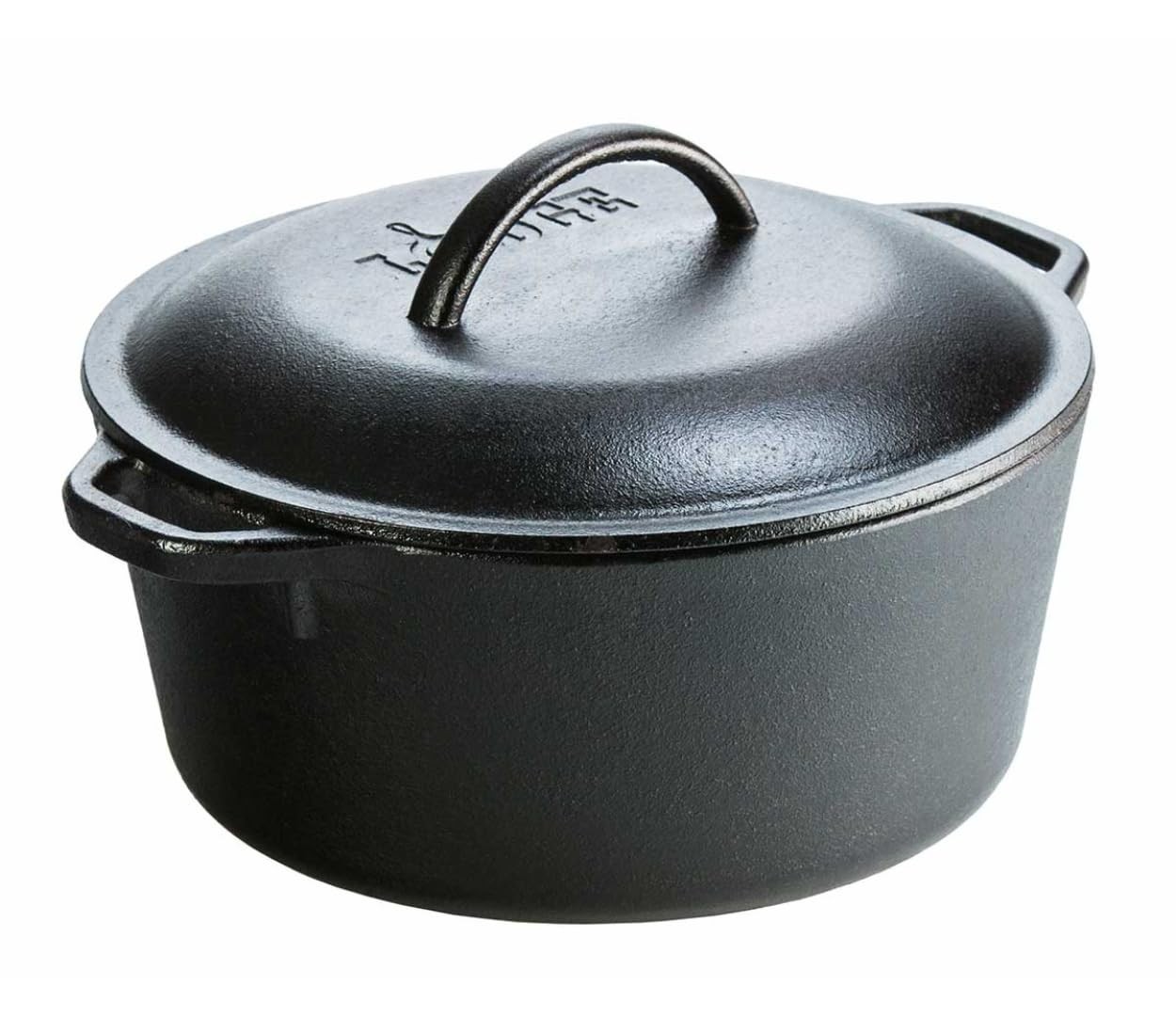
Lodge 6-Quart Cast Iron Dutch Oven
Thick walls retain heat evenly for long braises and stews
Buy on Amazon
Lodge Enameled Cast Iron Dutch Oven 6-Quart
Enameled interior , no seasoning required, dishwasher safe
Buy on Amazon| Product | Price Range | Top Strength | Key Weakness | Buy |
|---|---|---|---|---|
| Le Creuset 5.5-Quart Round Dutch Oven best overall | $$$ | Even heat distribution eliminates hot spots for slow braises | Over $300 at full retail , a significant investment | Buy on Amazon |
| Lodge 6-Quart Cast Iron Dutch Oven also consider | $ | Thick walls retain heat evenly for long braises and stews | Requires seasoning maintenance , can rust if left wet | Buy on Amazon |
| Lodge Enameled Cast Iron Dutch Oven 6-Quart also consider | $$ | Enameled interior , no seasoning required, dishwasher safe | Enamel quality not as refined as Le Creuset , more prone to chipping over time | Buy on Amazon |
| Staub 5.5-Quart Round Cocotte also consider | $$$ | Self-basting spikes on the lid return moisture back to the food | Dark interior makes it harder to monitor fond development | Buy on Amazon |
| Emile Henry 5.5-Quart Flame Dutch Oven also consider | $$$ | Made from Burgundy clay , lighter than cast iron, excellent heat retention | Not suitable for high-heat searing , clay is best for low-and-slow | Buy on Amazon |
If you’ve searched “Williams Sonoma Le Creuset Dutch oven” and ended up here, you’ve probably already priced it out and had a moment of pause. That pause is reasonable. Premium enameled cast iron is a category where the marketing pressure is unusually high and the price points are genuinely significant. What I want to do in this piece is give you a direct answer about whether the Le Creuset is worth it, who should buy something else, and what the actual tradeoffs are between five Dutch ovens that represent the full range of this category.
I’ve been cooking with cast iron for over twenty years, and the Cast Iron category has only gotten more crowded and more expensive in that time. Most of the noise is marketing. A Dutch oven is a heavy pot with a tight lid. What separates a good one from a mediocre one is thermal mass, enamel quality, lid fit, and longevity. That’s the lens I’m using here.
What to Look For
Capacity
Five and a half quarts is the most versatile size for a household of two to four people. It fits a whole chicken, handles a standard no-knead bread recipe, and doesn’t hog the oven when you’re running multiple dishes. Six quarts gives you more headroom for large braises or batch cooking, but the pot gets heavier and the price difference is real. If you regularly cook for six or more, go to six quarts minimum.
Enamel vs. Bare Cast Iron
Enameled cast iron does not require seasoning, does not react with acidic ingredients, and cleans up easily. If you’re making a long tomato braise or a wine-heavy stew, bare cast iron will leach iron into the food and can affect flavor over time. That’s not a dealbreaker for everyone, but it’s a real difference. Bare cast iron also requires more maintenance. If you forget to dry it thoroughly, it rusts. Enameled cast iron is more forgiving on a busy weeknight.
The tradeoff is durability of the coating. Enamel can chip. The quality of the enamel, particularly at high-contact points like the rim and interior base, varies significantly between manufacturers.
Lid Fit
A Dutch oven’s job in a long braise is to trap moisture and recirculate it over the food. A lid that fits loosely loses steam and dries out your braise. A lid with self-basting features, like the spike system in the Staub, returns condensation more actively. This matters more for long low-and-slow cooks than for quick stovetop work.
Weight
Cast iron is heavy. A 5.5-quart Le Creuset filled with beef short ribs and braising liquid weighs roughly fifteen pounds. If you have grip issues or wrist problems, that’s a real concern, not a minor footnote. The Emile Henry option in this list is worth knowing about specifically for that reason.
The Top Picks
Le Creuset 5.5-Quart Round Dutch Oven
This is the one people are searching for when they type “Williams Sonoma Le Creuset Dutch oven,” and it earns its reputation. The enamel quality is the best in this category. After years of regular use, the interior holds up better than any competitor I’ve cooked with, including several years with the Lodge enameled version and a Staub cocotte I’ve had since 2014. The heat distribution is even, the lid seal is tight, and the lifetime warranty is not marketing language. Le Creuset will replace a pot with a manufacturing defect without a fight.
The price is premium. Check current price on Amazon, but at full retail this is one of the most expensive Dutch ovens you can buy in this size. The honest math is this: if you cook in it twice a week for ten years, which is not an unreasonable projection, the per-use cost becomes very small. If you buy it, use it four times, and it sits in a cabinet, that math inverts quickly.
The fifteen-plus colorways are either a selling point or irrelevant to you depending on your kitchen. I find it slightly amusing that cast iron has become a décor category, but I also own the Marseille blue version, so I can’t claim to be above it.
The one practical complaint worth flagging: the lid is heavy enough that checking on a braise requires two hands or some caution. (I’ve set that lid down on my forearm more than once.)
Staub 5.5-Quart Round Cocotte
The Staub is the real alternative to the Le Creuset, not a budget substitute. It sits at a similar price point and the core difference comes down to two things: the lid and the interior.
The lid on the Staub has raised spikes on the underside that channel condensation back onto the food in a more deliberate pattern. For a five-hour braise, this produces a noticeably more self-basted result. If you cook a lot of low-and-slow proteins, that’s a meaningful advantage.
The matte black interior is where buyers either love or don’t love the Staub. Over time, it develops a natural patina that Staub describes as improving performance. That’s partly true. But if you’re monitoring fond development during a sear, the dark interior makes it harder to read. With the Le Creuset’s lighter interior, you can see exactly when the fond is building and when it’s approaching burned. With the Staub, you’re relying more on smell and experience.
I’ve used both pots extensively and I reach for the Staub when I know the cook is low and slow, lidded most of the time. I reach for the Le Creuset when I’m searing first and want to watch what’s happening in the pan.
If the Staub’s design language appeals to you, you might also look at the Staub Pumpkin Cocotte for a specialty piece in the same material, or the Staub 3.5 Qt Braiser if you want a shallower vessel for weeknight use.
Lodge Enameled Cast Iron Dutch Oven 6-Quart
This is the middle option, and it’s more honest than most mid-range products tend to be. It has the same thermal mass as bare cast iron, the enamel means no seasoning requirements, and it costs roughly half of what the Le Creuset unit runs. The color options are decent.
The enamel is the limiting factor. It’s lighter and less durable than the Le Creuset finish. If you use metal utensils or run it through the dishwasher regularly, you’ll see wear faster than you’d like. Used with wooden or silicone utensils and hand-washed, it holds up reasonably well. I wouldn’t buy this pot expecting it to last thirty years, but for five to eight years of regular use with reasonable care, it delivers substantially more value than its price suggests.
The Lodge enameled line is also where I’d point someone who is new to Dutch oven cooking and not yet sure how often they’ll use one. Start here, cook in it for a year, and if you find yourself using it three times a week, you’ll know the Le Creuset or Staub investment is justified. If it turns out you braise twice a year, you haven’t spent premium money on something that lives in a cabinet.
Emile Henry 5.5-Quart Flame Dutch Oven
This one gets overlooked because it’s ceramic rather than cast iron, which makes people assume it’s less capable. The Burgundy clay Emile Henry uses has excellent heat retention and distributes heat evenly for slow cooking. The glazed interior is highly scratch-resistant and genuinely easy to clean.
The two real limitations are both worth taking seriously. High-heat searing is not what this pot does well. If your standard Dutch oven workflow starts with a hard sear on the stovetop, the Emile Henry is not the right tool. It’s built for low-and-slow applications: braises, soups, stews, bread. Second, it will not survive a significant drop the way cast iron will. Drop a Lodge on a tile floor and you’ll likely chip the tile. Drop an Emile Henry and you may be shopping for a new pot.
What it offers that no cast iron option in this list can match is weight. It’s meaningfully lighter than any of the cast iron options. If you have wrist issues, arthritis, or simply find fifteen-pound pots impractical, the Emile Henry is worth serious consideration and not a compromise in terms of cooking performance for the applications it handles. It’s also worth looking at the Emile Henry Tagine if clay cooking appeals to you for other dish types.
Lodge 6-Quart Cast Iron Dutch Oven
The bare cast iron option, and the cheapest in this group by a significant margin. The heat retention is excellent, it comes pre-seasoned, and it will last indefinitely with proper care.
The tradeoff is maintenance and application limits. You cannot braise in tomatoes or wine without affecting the seasoning and, over time, the flavor of the food. It requires thorough drying after washing, and periodic re-seasoning if you use it hard. For outdoor cooking, camping, or a cook who genuinely enjoys the seasoning process and cooks mostly neutral or fat-rich dishes, this is an outstanding value.
For everyday kitchen use where you want to throw whatever you’re cooking in without thinking about the vessel, the enameled options are more practical.
How to Choose
If you cook braises, stews, and bread regularly and plan to do so for decades, the Le Creuset 5.5-Quart Round Dutch Oven is worth the investment. The enamel quality is the best available, the lifetime warranty is real, and the longevity math works in your favor if you cook frequently.
If you cook primarily low-and-slow and the self-basting lid and darker interior appeal to you, choose the Staub 5.5-Quart Round Cocotte instead. At a comparable price, it’s not a compromise pick; it’s a different tool with specific advantages.
If you want to spend less and are willing to be careful with the enamel, the Lodge Enameled Cast Iron Dutch Oven is the smart entry point. Don’t buy it expecting Le Creuset longevity, but do expect solid performance for the price.
If weight is a genuine physical constraint, the Emile Henry 5.5-Quart Flame Dutch Oven is not a lesser option for slow cooking. It’s a different material that solves a specific problem.
The bare Lodge 6-Quart Cast Iron Dutch Oven is best for buyers who specifically want bare cast iron, cook without acidic ingredients, or are looking for an outdoor or backup pot.
One thing worth adding: Dutch ovens pair naturally with other enameled cast iron pieces if you’re building out a collection. The enameled cast iron baking dish and enameled cast iron griddle complement a Dutch oven well for cooks who want consistent material across their cookware. The full picture on how these pieces work together is on the cast iron cookware hub.
Frequently Asked Questions
Is the Le Creuset Dutch oven actually worth the price?
For a cook who uses it regularly, yes. The enamel quality, lid fit, and heat performance are the best in this category, and the lifetime warranty is genuine. The per-use cost over ten years of regular cooking is lower than it looks at purchase. For someone who braises occasionally or is still figuring out how often they’ll use it, start with the Lodge enameled version and upgrade later.
What is the difference between Le Creuset and Staub Dutch ovens?
Both are premium enameled cast iron at similar price points. The main differences are the lid design and the interior color. Staub lids have self-basting spikes that return condensation to the food, which benefits very long braises. Staub interiors are matte black and develop a patina over time. Le Creuset has a lighter interior that makes it easier to monitor searing and fond development. Neither is objectively better; the choice depends on how you cook.
Can I use a Le Creuset Dutch oven on an induction cooktop?
Yes. Le Creuset enameled cast iron is compatible with all cooktop types including induction, gas, electric, and ceramic. The same applies to Staub and the Lodge cast iron options. The Emile Henry Flame line is also induction compatible, which is worth confirming on the specific product page before purchasing.
How do I clean a Dutch oven without damaging the enamel?
Hand washing with warm water and a soft sponge is the standard approach. For stuck food, soak with warm water for fifteen to twenty minutes before cleaning. Avoid metal scourers and abrasive cleaners on any enameled surface. Technically the Lodge enameled version is labeled dishwasher safe, but repeated dishwasher cycles accelerate enamel wear on any brand. Le Creuset and Staub are hand wash only.
What size Dutch oven should I buy?
For most households of two to four people, 5.5 quarts handles the full range of uses including whole chickens, bread, large stews, and batch cooking. If you regularly cook for six or more, or want extra room for large roasts and stock, go to six or seven quarts. A 3.5-quart size works for couples or smaller batches, and the Staub 3.5 Qt Braiser is worth considering if you want a shallower, more everyday-use vessel at a lower entry price.
Frequently Asked Questions
Is the Le Creuset Dutch oven at Williams Sonoma worth the price?
For cooks who will use it weekly for decades, yes. Le Creuset's enamel quality, lid fit, and heat distribution are meaningfully better than budget enameled cast iron. The lifetime warranty and the fact that pieces from the 1970s and 1980s are still in daily use in home kitchens make the price defensible over a long enough time horizon. If you cook casually or infrequently, Lodge enameled at half the price covers your needs.
How does Le Creuset compare to Staub for a Dutch oven?
Both are premium French enameled cast iron with comparable heat distribution and lid fit. Le Creuset uses a lighter-colored interior enamel that makes it easier to monitor fond development during braising. Staub's dark matte interior develops a natural patina over time and has self-basting spikes on the lid that return moisture to the food. The choice between them is largely about cooking style — Staub is slightly better for moisture retention, Le Creuset for visual monitoring.
What size Le Creuset Dutch oven should I buy?
A 5-quart Dutch oven handles most household cooking tasks, including whole chickens, short ribs, no-knead bread, and soups for four to six people. If you regularly cook for larger groups or want a dedicated pot for very large braises, a 7-quart is worth the upgrade. The 5-quart is the most versatile single purchase for a typical home kitchen.
Can Le Creuset go in the dishwasher?
Le Creuset technically permits dishwasher use but recommends hand washing to preserve the enamel finish over time. Repeated dishwasher cycles can dull the exterior enamel and stress the interior coating around the rim. Hand washing with hot water and a soft sponge is the better long-term practice.
Is Lodge enameled cast iron a reasonable alternative to Le Creuset?
Yes, for most cooks. Lodge enameled Dutch ovens offer similar thermal mass and heat retention at roughly half Le Creuset's price. The enamel is less refined and more prone to chipping over time, particularly with metal utensils or sudden temperature changes. If you are price-sensitive, Lodge enameled is a solid choice. If you want the piece to last 30 years without enamel issues, Le Creuset or Staub justifies the premium.
Where to Buy
Le Creuset 5.5-Quart Round Dutch OvenSee Le Creuset 5.5-Quart Round Dutch Oven on Amazon