Our Place Dutch Oven Review: Does It Actually Cook?

Affiliate disclosure: Some links on this page are affiliate links. If you buy through them we earn a small commission at no extra cost to you. Recommendations are research-driven; we don't claim personal use of every product reviewed. Product prices and availability are accurate as of the date published and are subject to change. Always check Amazon for current pricing before purchasing. Learn more.

Quick Picks
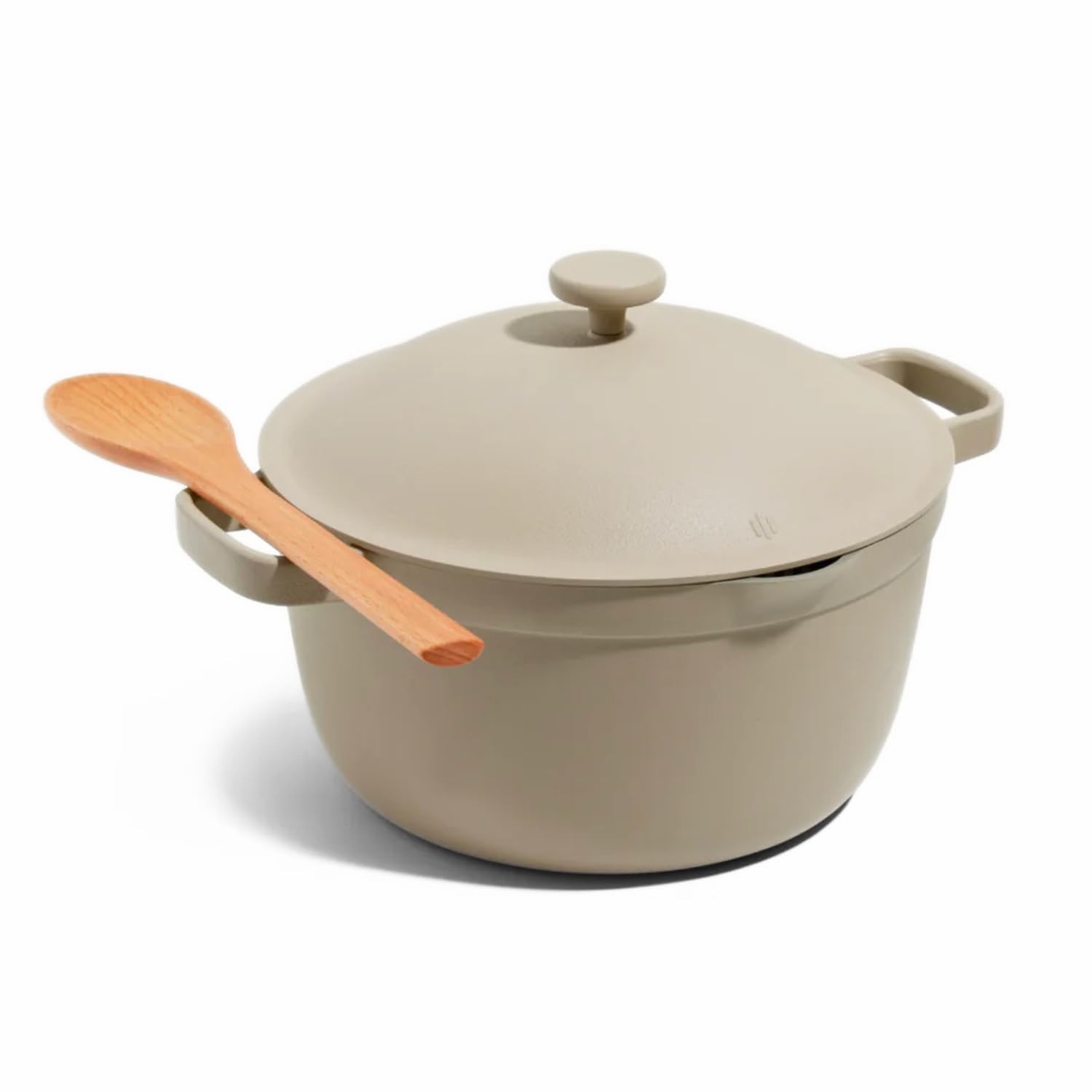
Our Place Dream Dutch Oven
Ceramic nonstick interior , non-reactive and PTFE-free
Buy on Amazon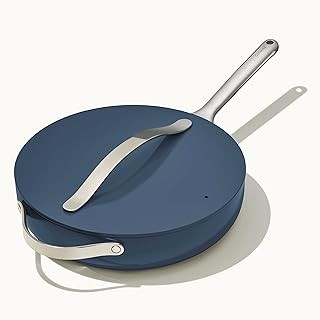
Caraway 4.5-Quart Saute Pan
Ceramic-coated , free of PTFE, PFOA, and other synthetic coatings
Buy on Amazon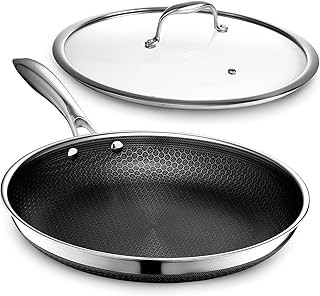
HexClad 12-Inch Hybrid Stainless/Nonstick Pan
Hybrid hexagonal surface combines stainless searing with nonstick release
Buy on Amazon| Product | Price Range | Top Strength | Key Weakness | Buy |
|---|---|---|---|---|
| Our Place Dream Dutch Oven best overall | $$ | Ceramic nonstick interior , non-reactive and PTFE-free | Ceramic coating durability remains unproven at high braising temperatures | Buy on Amazon |
| Caraway 4.5-Quart Saute Pan also consider | $$ | Ceramic-coated , free of PTFE, PFOA, and other synthetic coatings | Ceramic coating degrades faster than PTFE if overheated or scratched with metal utensils | Buy on Amazon |
| HexClad 12-Inch Hybrid Stainless/Nonstick Pan also consider | $$$ | Hybrid hexagonal surface combines stainless searing with nonstick release | Very expensive for a nonstick-category pan | Buy on Amazon |
| GreenPan GP5 Ceramic Nonstick 12" Skillet also consider | $$ | Thermolon Minerals ceramic coating , PFAS-free and scratch-resistant | Coating still degrades faster than PTFE with high-heat cooking | Buy on Amazon |
The Our Place Dream Dutch Oven has generated the kind of Instagram attention that should make any serious cook a little suspicious. Pretty colors, a lid that doubles as a colander, and a brand identity built on making cookware feel like a lifestyle choice. None of that tells you whether it actually works. If you’ve been considering it, or trying to decide whether it fits your kitchen better than the other ceramic nonstick options crowding this category, this guide is a direct answer to that question. For broader context on how ceramic coatings compare to PTFE alternatives across the whole category, the Nonstick & Ceramic hub is worth a read before or after.
What to Look For in a Ceramic Dutch Oven
Thermal mass
A Dutch oven’s job is to hold heat evenly and maintain temperature during a long braise. Cast iron, including enameled cast iron like a Le Creuset or a Lodge Enameled Dutch Oven, does this exceptionally well because of sheer weight. A 5.5-quart Le Creuset Round Dutch Oven runs over 10 pounds. Ceramic-coated aluminum construction, which is what you get from Our Place and the other DTC brands here, runs much lighter. That’s not automatically disqualifying, but it does mean you’re making a trade-off.
Coating chemistry
PTFE-free and PFOA-free are not the same claim. PTFE is the synthetic polymer coating most people know as Teflon. PFOA was the chemical used to process PTFE, and it’s largely been phased out of manufacturing. Ceramic nonstick coatings like Thermolon (GreenPan) are genuinely different chemistry, silicon-based rather than fluoropolymer-based, and they run cooler during manufacturing. Whether they outperform PTFE in actual use is a separate question, and the honest answer is that most ceramic coatings degrade faster under high heat and metal contact than PTFE does.
Lid functionality
The Our Place lid-as-strainer concept is clever and genuinely useful if you make pasta or blanch vegetables regularly. It’s also a specific use case that won’t matter at all to someone whose Dutch oven is primarily for braised short ribs or a long Sunday sauce. Be honest with yourself about how you cook before treating it as a decisive feature.
Induction compatibility
Ceramic-coated aluminum is not inherently induction-compatible. The nonstick cookware for induction topic covers this in detail, but the short version is that you need a magnetic base material. The Caraway pan includes a magnetic stainless steel base specifically for this reason. The Our Place Dream Dutch Oven is induction-compatible on current production models, but verify before buying if that matters to your cooktop.
Top Picks
Our Place Dream Dutch Oven
The Our Place Dream Dutch Oven is a mid-range product in a category where it’s competing indirectly against things that cost twice as much and things that cost half as much. At mid-range pricing, it’s a reasonable spend if you understand what you’re actually buying.
What you’re buying is a lightweight, attractive ceramic-coated vessel that handles weeknight braises, soups, and one-pot pastas without complaint. The steam-strainer lid works as advertised. The interior is genuinely non-reactive, which matters if you cook acidic dishes like tomato sauce frequently. The color options are genuinely nice, which I realize sounds like faint praise, but if the pot is sitting on your stovetop between uses, aesthetics are a legitimate consideration.
What you’re not buying is a replacement for cast iron. The thermal mass simply isn’t there. For a two-hour beef braise at 325°F, a traditional cast iron Dutch oven will hold more even, sustained heat than an aluminum-core ceramic-coated pot will. If your Dutch oven use is primarily long, high-heat braising, the ceramic coating on this product is working at the edge of its comfort zone. Our Place doesn’t publish specific maximum oven temperatures for this product in the way that GreenPan does, and that vagueness is worth noting.
For Our Place fans who already own the Always Pan and want a compatible aesthetic system, this is a reasonable next purchase. For someone whose primary Dutch oven task is aggressive braising, I’d look at an enameled cast iron option first.
Caraway 4.5-Quart Saute Pan
The Caraway 4.5-Quart Saute Pan isn’t technically a Dutch oven, but it functions as one for most everyday tasks and deserves a slot in this comparison because a lot of buyers searching for a ceramic Dutch oven will end up deciding between these two brands.
Caraway’s ceramic coating is competent. The magnetic stainless steel base means it works on induction without issue. The included canvas lid holder and pan rack are a practical bonus that many buyers actually use. Mid-range pricing puts it in the same tier as the Our Place option.
The durability issue is real and documented. If you want to understand what the failure modes look like before committing, the Caraway cookware bad reviews roundup covers the pattern honestly. The short version: ceramic coatings scratch more easily than PTFE under metal utensil contact, and overheating accelerates coating degradation significantly. Use wooden or silicone utensils and keep heat moderate, and Caraway holds up reasonably well. Treat it like a stainless pan, and you’ll be replacing it in a year.
If you’re curious about where these pans are manufactured before buying, where Caraway pans are made is worth a quick read. Caraway is also worth considering alongside their newer stainless line. The Caraway Stainless Steel Fry Pan is a different product for different tasks, but useful context if you’re building out a full set.
GreenPan GP5 Ceramic Nonstick 12” Skillet
The GreenPan GP5 Ceramic Nonstick 12” Skillet is not a Dutch oven. I’m including it because it’s the most relevant performance comparison for anyone choosing between a ceramic nonstick skillet and a ceramic Dutch oven for similar weeknight tasks.
GreenPan’s Thermolon Minerals coating is the most credible ceramic nonstick coating in this price tier, and the GP5 is oven-safe to 600°F, which is a meaningfully higher ceiling than most of the competition. The hard-anodized exterior distributes heat more evenly than plain aluminum. At mid-range pricing, it undercuts Caraway’s equivalent pieces.
The handle gets uncomfortable on sessions longer than 30 minutes. (I timed this with a pasta sauce that wanted more patience than I gave it.) It’s not a dealbreaker, but it’s a real ergonomic flaw in a pan that otherwise performs solidly.
For buyers who primarily need a large nonstick skillet and are using a Dutch oven search as a starting point, the GP5 may actually solve the problem more directly than any of the Dutch oven options here.
HexClad 12-Inch Hybrid Stainless/Nonstick Pan
The HexClad 12-Inch Hybrid Stainless/Nonstick Pan is the outlier in this group. Premium pricing, hybrid construction, and a lifetime warranty. The hexagonal pattern on the cooking surface is designed so the stainless peaks handle metal utensil contact while the nonstick valleys handle food release.
It works. Food releases better than bare stainless and you get more surface contact and searing capability than a pure nonstick. The 500°F oven rating and metal utensil safety are genuine advantages over every ceramic option on this list.
The honest question is whether the hybrid pitch justifies the premium cost over buying a dedicated All-Clad D3 stainless skillet for high-heat work and a dedicated GreenPan for nonstick tasks. My answer is no, for most home cooks. Two dedicated tools outperform one compromise tool, and the cost of a good stainless plus a mid-range ceramic nonstick is roughly comparable to a single HexClad. If counter space and cabinet space are genuinely limited, the HexClad consolidation argument has more merit. HexClad also makes other pieces worth considering if you’re going all-in on the brand, including the HexClad baking sheet if you’re building a coordinated kit.
How to Choose
The Our Place Dream Dutch Oven makes the most sense for a specific buyer. You cook soups, one-pot pastas, and light braises. You want something that looks good on the stovetop. You’re already in the Our Place ecosystem or drawn to it. You’re not doing aggressive high-heat braising that would stress a ceramic coating.
If you want a ceramic nonstick Dutch oven equivalent for primarily stovetop, moderate-heat tasks and induction compatibility matters, Caraway is a reasonable choice in the same price tier. Go in with accurate expectations about coating longevity and use appropriate utensils.
If you’re choosing between spending more on a hybrid pan or a premium ceramic option and budget is genuinely flexible, the GreenPan GP5 at mid-range pricing gives you better oven performance than either of the DTC options above it in price.
And if what you actually need is a Dutch oven for serious braising, not a ceramic-coated lightweight alternative, none of these products is the right answer. A Lodge Enameled Dutch Oven in the budget category or a Le Creuset if cost is not a constraint will outperform all of them for long, sustained high-heat cooking. That’s not what this category is designed for, and the products are honest about it once you read past the marketing.
The Nonstick & Ceramic section of the site covers the full range of what’s in this category, if you’re still working out which type of surface actually fits how you cook.
,
Frequently Asked Questions
Is the Our Place Dream Dutch Oven safe for high-heat braising?
It handles moderate braising temperatures adequately, but it’s not built for the sustained high heat that cast iron manages without issue. If you braise frequently at high oven temperatures for extended periods, an enameled cast iron Dutch oven from Le Creuset or Lodge will serve you better. The ceramic coating on the Our Place is non-reactive and PTFE-free, but ceramic coatings generally degrade faster under aggressive heat than either cast iron enamel or PTFE nonstick.
How long does ceramic nonstick coating last compared to PTFE?
Honestly, PTFE tends to outlast ceramic nonstick in controlled conditions, which is the opposite of what the marketing on most ceramic-coated products implies. Ceramic coatings are more sensitive to overheating and to metal utensil contact. Realistic lifespan for a well-maintained ceramic nonstick pan with moderate use is two to four years. PTFE coatings on a quality pan, used correctly, can go longer. The advantage ceramic has is coating chemistry, not durability.
Can I use metal utensils in the Our Place Dream Dutch Oven?
No. Ceramic coatings scratch under metal utensil contact in a way that accelerates coating failure. Use wooden or silicone utensils. This applies to the Caraway and GreenPan options equally. The HexClad is the only pan on this list where metal utensils are genuinely safe by design.
Is the Caraway saute pan a good substitute for a Dutch oven?
For most weeknight tasks, yes. Soups, braises under two hours, sauces, and stovetop-to-oven cooking all work well in Caraway’s 4.5-quart saute pan. The lid fits securely and the induction-compatible base is a practical advantage. Where it falls short is the same place all lightweight ceramic options fall short: sustained high-heat braising where thermal mass matters.
Does the Our Place Dream Dutch Oven work on induction cooktops?
Current production models are induction-compatible. Our Place has updated the base construction to include an induction-compatible layer. Verify the product listing before purchasing, since older inventory or international variants may differ. If induction compatibility is a firm requirement, the Caraway 4.5-Quart Saute Pan with its magnetic stainless steel base is the more explicitly documented option for induction cooktops.
Frequently Asked Questions
Is the Our Place Dream Dutch Oven good for braising?
It works for light braises, but it's lighter than cast iron Dutch ovens, which means it retains heat less effectively during long, low-temperature cooking. For a serious braise, enameled cast iron from Le Creuset or Lodge holds temperature more consistently.
What does the steam-strainer lid on the Our Place Dutch Oven actually do?
The lid has built-in perforations that allow you to drain pasta or vegetables directly from the pot without a separate colander. It's a practical feature for everyday cooking, though the holes are small and it works better for pasta than for smaller grains or fine-cut vegetables.
Is the Our Place Dutch Oven's ceramic coating PFAS-free?
Yes. Our Place uses a ceramic nonstick coating that is free of PTFE, PFOA, and other fluoropolymers. The chemistry is silicon-based rather than fluoropolymer-based, which is a genuinely different category of coating, not just a marketing reframe.
How does the Our Place Dutch Oven compare to GreenPan?
Both use ceramic nonstick coatings and both are free of PTFE. GreenPan's Thermolon Minerals coating has a longer market track record and a hard-anodized exterior that adds durability. Our Place's advantage is the steam-strainer lid and a more design-forward aesthetic.
Can you use metal utensils in the Our Place Dream Dutch Oven?
No. Like all ceramic nonstick cookware, the Our Place Dutch Oven's coating will scratch and degrade faster with metal utensil contact. Use silicone, wood, or nylon tools to preserve the surface.
Where to Buy
Our Place Dream Dutch OvenSee Our Place Dream Dutch Oven on Amazon