Wüsthof Santoku Knife Review: Classic 7-Inch Guide

Affiliate disclosure: Some links on this page are affiliate links. If you buy through them we earn a small commission at no extra cost to you. Recommendations are research-driven; we don't claim personal use of every product reviewed. Product prices and availability are accurate as of the date published and are subject to change. Always check Amazon for current pricing before purchasing. Learn more.
Quick Picks

Wüsthof Classic 7-Inch Santoku
German steel in a Japanese blade shape , great of the best of both traditions
Buy on Amazon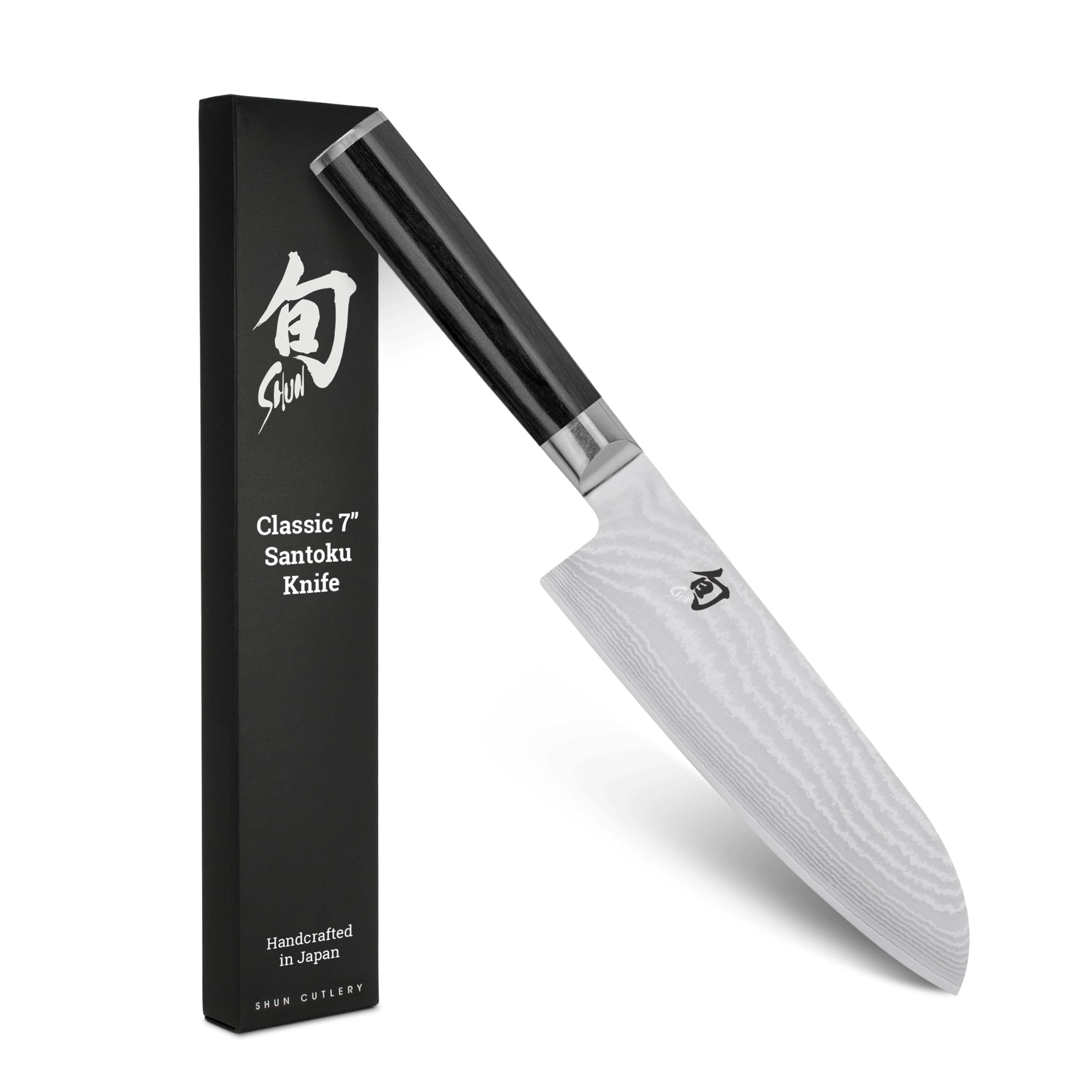
Shun Classic 7-Inch Santoku
VG-MAX Damascus steel , same exceptional sharpness as the chef's knife
Buy on Amazon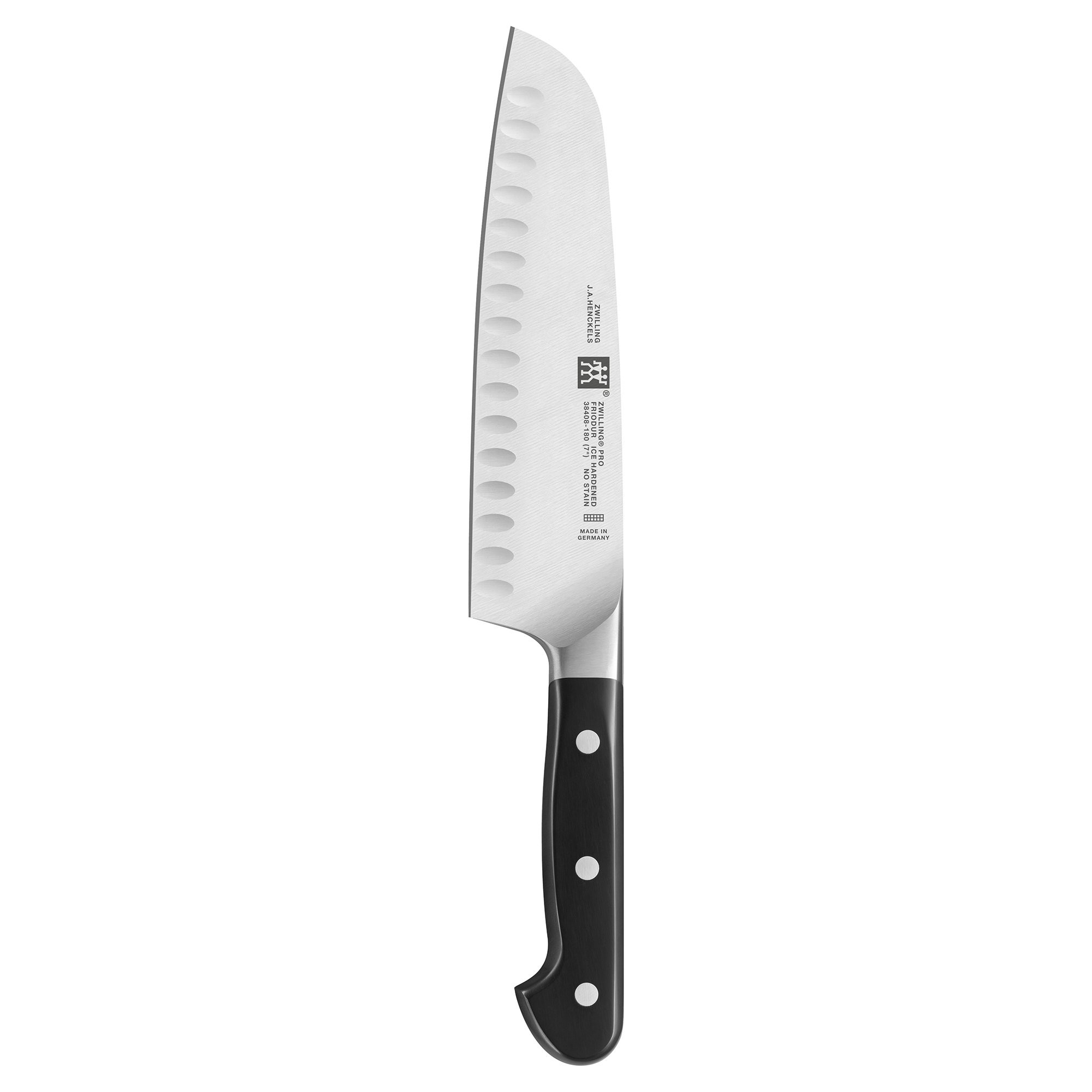
Zwilling J.A. Henckels Zwilling Pro 7-Inch Santoku
German steel in santoku form , more forgiving than Japanese steel for daily use
Buy on Amazon| Product | Price Range | Top Strength | Key Weakness | Buy |
|---|---|---|---|---|
| Wüsthof Classic 7-Inch Santoku best overall | $$$ | German steel in a Japanese blade shape , great of the best of both traditions | German steel is softer than Japanese , needs more frequent honing | Buy on Amazon |
| Shun Classic 7-Inch Santoku also consider | $$$ | VG-MAX Damascus steel , same exceptional sharpness as the chef's knife | Hollow-ground edge requires whetstone maintenance , not for casual sharpeners | Buy on Amazon |
| Zwilling J.A. Henckels Zwilling Pro 7-Inch Santoku also consider | $$$ | German steel in santoku form , more forgiving than Japanese steel for daily use | German steel not as hard as Japanese alternatives , needs more frequent honing | Buy on Amazon |
| MAC Professional 8-Inch Chef's Knife also consider | $$ | Thin Japanese blade profile with a Western-style handle , best of both | Less name recognition than Shun or Wüsthof , harder to buy as a gift | Buy on Amazon |
| Victorinox Fibrox Pro 8-Inch Chef's Knife also consider | $ | Best-performing knife under $50 , used in professional kitchens worldwide | Stamped steel loses its edge faster than forged alternatives | Buy on Amazon |
The santoku has a reasonable claim to being the most useful knife shape most Western cooks still underuse. Shorter than a chef’s knife, flat-bellied enough for clean downward cuts, light enough that your wrist doesn’t complain after forty minutes of prep. The problem is that “santoku” now covers an enormous range of quality, and when you add Wüsthof to the search, you’re already working in premium territory where the differences between options are real and the wrong choice is still an expensive one.
This guide covers the Wüsthof Classic 7-Inch Santoku specifically, but also puts it in context against the Shun Classic 7-Inch Santoku and the Zwilling Pro 7-Inch Santoku, because buying a Wüsthof santoku without knowing what you’re trading against the Shun is making a significant decision with half the information. I’ve also included two reference points from outside the santoku category that help frame the value conversation. If you’re building out a knife collection from scratch, our full Knives & Sharpeners section covers the broader landscape.
What to Look For in a Santoku Knife
Steel Hardness and What It Actually Costs You
The single most consequential difference between the knives in this guide is steel hardness, measured on the Rockwell scale. German knives like the Wüsthof Classic and the Zwilling Pro run around 58 HRC. Japanese blades like the Shun Classic come in at 61 HRC or above.
Harder steel holds a sharper edge longer. It also chips more easily if you use it on hard squash, bones, or frozen food. Softer German steel is more forgiving. If you put the blade down hard on a chicken thigh joint, it flexes rather than chips. The trade-off is that you’ll be at the honing steel more often.
This isn’t an abstract debate. If your prep is mostly vegetables, aromatics, and proteins that don’t require force, the harder Japanese steel is worth the extra care. If you cook everything and want a single blade that doesn’t require you to think before each cut, German steel is the more practical choice.
Blade Geometry
The santoku shape has a flat edge profile and a sheep’s-foot tip, which means your cutting motion is more of a push-chop than the rocking motion most chef’s knives encourage. Neither technique is superior. They’re different. If you learned to cook on a Western chef’s knife and do most of your work with a rocking motion, a santoku will feel awkward for the first few weeks. That’s not the knife failing. That’s muscle memory.
Hollow Edge (Granton) Versus Hollow Ground
These are not the same thing, and the distinction matters. A Granton edge (the Wüsthof Classic and Zwilling Pro) means oval divots along the flat of the blade that create air pockets to reduce food sticking. A hollow-ground blade (the Shun Classic) means the blade itself is ground thinner toward the edge, creating a more acute cutting angle. The hollow-ground geometry produces a finer, more acute edge. The Granton edge is a functional addition to a more conventional grind. Both reduce drag when cutting through vegetables. Only the hollow-ground produces a meaningfully sharper edge geometry.
Handle and Balance
The Wüsthof Classic handle is triple-riveted POM (polyoxymethylene). It’s been the same for decades, which is either boring or reliable depending on your perspective. I find it reliable. The Shun D-shaped handle in Pakkawood is comfortable for most right-handed grips and accommodates left-handed users less naturally. The Zwilling Pro’s curved bolster is specifically designed for a pinch grip and is, in my experience, genuinely well-engineered for that purpose, though it complicates flat-stone sharpening in ways you’ll either accept or resent.
Top Picks
Best Overall: Wüsthof Classic 7-Inch Santoku
The Wüsthof Classic 7-Inch Santoku is the answer to a specific question: what if I want the ease and light profile of a santoku, but I’m not ready to commit to the maintenance demands of Japanese steel? The answer is this knife.
It’s forged from Wüsthof’s X50CrMoV15 German steel, full tang, with their precision edge technology that holds the bevel at 14 degrees per side. That edge is sharper out of the box than most German knives used to be, and it holds reasonably well. The Granton hollow edge reduces drag on sticky vegetables. The handle is the same Classic triple-riveted POM Wüsthof has used for years, which means it fits in any block designed for the Classic line and has a known, well-documented grip.
What it is not is a Japanese santoku. The steel is softer than the Shun Classic’s VG-MAX at 61 HRC. The geometry is less acute. If you’ve used a proper Japanese blade and want that experience, this will feel slightly blunt by comparison, even freshly honed. That’s not a defect. That’s a different design philosophy.
For buyers who already own Wüsthof Classic chef’s knives and want a companion that handles detailed vegetable prep, this is the obvious choice. It’s premium pricing, but consistent with the rest of the Classic line, and it will last decades with basic maintenance.
Best Japanese Santoku: Shun Classic 7-Inch Santoku
The Shun Classic 7-Inch Santoku is what people usually mean when they say a knife feels like it cuts with almost no effort. The VG-MAX Damascus steel core at 61 HRC, hollow-ground blade geometry, and the 16-degree edge angle (combined) produce a cutting experience that genuinely changes what thin-slicing vegetables feels like. (I realize “changes what it feels like” sounds like the kind of thing a lifestyle blog says. I’m keeping it because it’s accurate.)
The trade-off is maintenance. At 61 HRC, this blade is brittle by comparison to German alternatives. Hard squash, frozen items, anything that requires lateral force rather than clean downward pressure is a risk. The hollow-ground edge requires whetstone work, not a pull-through sharpener. If your sharpening toolkit stops at a honing rod, budget time to learn the whetstone before this knife loses its edge the first time.
The weight is noticeably lower than the Wüsthof. For extended prep, that matters. If you spend serious time breaking down vegetables for a big batch cook, the Shun’s lighter profile reduces fatigue in a way that’s hard to quantify until you’ve experienced it.
For a full look at how Shun performs across their line, our Shun Premier Steak Knives review covers their quality control and steel consistency in detail.
Solid Alternative: Zwilling Pro 7-Inch Santoku
The Zwilling Pro 7-Inch Santoku occupies the same premium tier as the Wüsthof Classic and makes a different set of compromises. The Friodur ice-hardening process gives the Zwilling steel slightly better edge retention than conventional German steel, though still not at Japanese hardness levels. The curved bolster is the defining design feature of the Pro line, and it’s well-suited to cooks who use a pinch grip and do serious daily prep.
Where it loses points against the Wüsthof Classic is sharpening. The curved bolster sits close enough to the edge that getting a flat stone to work the full length of the blade requires technique. For buyers who sharpen on a whetstone, this becomes a minor inconvenience. For buyers who use a guided sharpener or take knives to a professional, it’s less of an issue.
If you’re already in the Zwilling ecosystem and curious about their broader chef’s knife lineup, we covered the Zwilling J.A. Henckels Chef Knife in depth.
The Value Reference: MAC Professional 8-Inch Chef’s Knife
The MAC Professional 8-Inch Chef’s Knife isn’t a santoku, and it isn’t Wüsthof. I’m including it because it’s the honest answer to anyone who asks whether spending premium money on a German or Japanese santoku is necessary. The MAC sits at mid-range pricing and is consistently recommended by professional chefs over more expensive alternatives. The blade is thin and Japanese in profile, the handle is Western in shape, and the steel sits at a hardness level that holds an edge longer than German steel without reaching the brittleness of the Shun’s 61 HRC.
If you’re buying a santoku specifically and the Wüsthof or Shun is within your budget, the MAC is a less relevant comparison. But if you’re undecided between a santoku and a chef’s knife and value is part of your thinking, the MAC’s performance-to-price ratio is worth knowing about.
The Budget Benchmark: Victorinox Fibrox Pro 8-Inch Chef’s Knife
The Victorinox Fibrox Pro 8-Inch Chef’s Knife is the budget reference point. It’s in professional kitchens worldwide because it’s sharp out of the box, light, and inexpensive enough to replace without grief. The edge doesn’t hold as long as any forged alternative, and the handle is purely utilitarian. It’s not the answer if you’re reading a buyer’s guide for Wüsthof santokus, but it’s the honest answer to “what’s the floor of competent kitchen performance.” Budget pricing, unambiguous value at that level.
How to Choose
The choice between the Wüsthof Classic and Shun Classic santokus comes down to two practical questions. How much do you care about maximum sharpness, and how willing are you to maintain it?
If you want the sharpest possible edge and you’ll learn to use a whetstone, the Shun Classic is the right answer. If you want a forgiving daily-use blade that fits into an existing German-steel knife collection, the Wüsthof Classic is the right answer. The Zwilling Pro is the right answer if you use a pinch grip and are already in the Zwilling ecosystem.
For buyers who specifically want a smaller format knife, our 5 inch Santoku Knife guide covers the case for going shorter when the 7-inch profile is more than your prep typically needs.
And if you’re still building out your understanding of what belongs in a working kitchen knife collection, the full Knives & Sharpeners section covers sharpeners, knife blocks, and companion blades alongside full reviews.
My recommendation for most buyers is the Wüsthof Classic 7-Inch Santoku. Not because it’s the sharpest knife in this guide. It isn’t. But it performs reliably, tolerates a wider range of cutting tasks without requiring constant care, and integrates cleanly into a kitchen where the cook has neither the time nor the inclination to treat a knife like a precision instrument every day. The Shun is better if you’re prepared to treat it like one. Most people aren’t, and I mean that as an observation rather than a criticism.
Frequently Asked Questions
Is a Wüsthof santoku better than a Wüsthof chef’s knife?
Neither is better in absolute terms. The santoku’s flat edge profile and shorter blade make it easier to control for precise vegetable work and thin slicing. The chef’s knife’s curved belly suits rocking cuts and heavier tasks like breaking down poultry. Many cooks own both and reach for the santoku for vegetables and aromatics, the chef’s knife for everything else.
How often does the Wüsthof Classic Santoku need to be honed?
With regular home use, hone it every two to three cooking sessions. German steel at 58 HRC is more prone to edge rollover than harder Japanese steel, which is why a honing rod is a reasonable companion purchase. Actual sharpening (removing steel to reset the bevel) should be needed no more than once or twice a year with good honing habits.
Can the Shun Classic Santoku go in a dishwasher?
No. Dishwasher cycles damage both the blade edge and the handle finish. Hand-wash with mild soap, dry immediately, and store in a block or on a magnetic strip. This applies to virtually all quality knives, but it’s especially true for the Shun given its harder steel and Pakkawood handle.
What’s the difference between a 5-inch and 7-inch santoku?
Blade length primarily determines how much food you can process per stroke. The 7-inch handles full-sized onions, large carrots, and most proteins without difficulty. The 5-inch is more maneuverable and suits smaller hands or tighter workspaces, but requires more passes through larger ingredients. Check current price on Amazon for both sizes, as the price gap is sometimes negligible and sometimes meaningful.
Is the Zwilling Pro Santoku worth buying over the Wüsthof Classic?
They’re competitive at similar pricing and both are strong knives. The Zwilling Pro’s curved bolster is a real ergonomic advantage if you use a pinch grip. The Wüsthof Classic is easier to sharpen on a flat stone and fits into the broader Classic line if you already own knives from that series. If you’re starting fresh with no existing brand loyalty, the Wüsthof’s simpler bolster geometry makes long-term maintenance slightly less complicated.
Frequently Asked Questions
What is the difference between the Wüsthof Classic santoku and a standard chef's knife?
The Wüsthof Classic 7-inch santoku has a flat-bellied blade designed for straight downward cuts rather than the rocking motion of a chef's knife. It's shorter and lighter, making it more maneuverable for vegetable prep, but less suited to tasks that rely on a curved tip.
Does the Wüsthof Classic santoku have a hollow edge?
Yes, the Wüsthof Classic 7-inch santoku features a Granton (hollow) edge with scallops along the blade that reduce friction and prevent food from sticking during slicing. This makes it particularly efficient for cutting through cucumbers, carrots, and other dense vegetables.
How does Wüsthof German steel compare to Japanese steel in a santoku?
German steel like X50CrMoV15 used by Wüsthof is softer than Japanese steel such as VG-MAX or SG2, typically rating around 58 HRC versus 61+ HRC for Japanese knives. Softer steel is more durable and forgiving but needs more frequent honing and won't hold as fine an edge as Japanese alternatives.
Can the Wüsthof Classic santoku be sharpened at home?
Yes, German steel is easier to sharpen at home than harder Japanese steel. The Wüsthof Classic responds well to a honing rod for maintenance between sharpenings, and a pull-through sharpener or whetstone will restore the edge when needed. Harder Japanese blades generally require a whetstone only.
Is the Wüsthof santoku or the Shun Classic santoku a better buy?
It depends on your priorities. The Wüsthof offers a more forgiving German steel that's easier to maintain, while the Shun Classic uses VG-MAX Damascus steel that holds a finer edge longer but requires whetstone sharpening. If you want a low-maintenance santoku, Wüsthof wins; if edge retention and precision are the priority, Shun is the better choice.
Where to Buy
Wüsthof Classic 7-Inch SantokuSee Wüsthof Classic 7-Inch Santoku on Amazon