Shun Premier Steak Knives: Honest Buyer's Guide

Affiliate disclosure: Some links on this page are affiliate links. If you buy through them we earn a small commission at no extra cost to you. Recommendations are research-driven; we don't claim personal use of every product reviewed. Product prices and availability are accurate as of the date published and are subject to change. Always check Amazon for current pricing before purchasing. Learn more.
Quick Picks
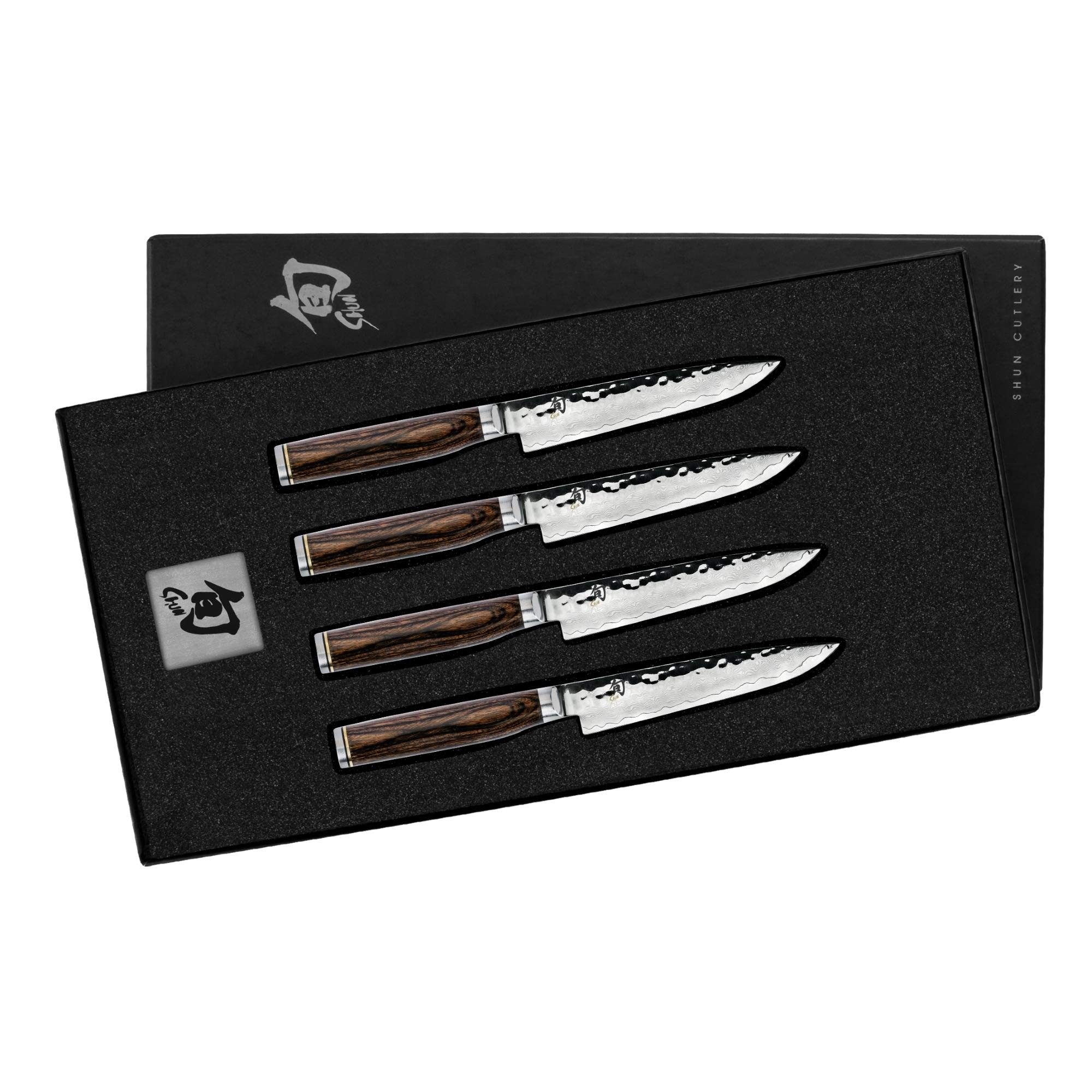
Shun Premier 4-Piece Steak Knife Set
Hammered tsuchime finish reduces drag during cutting
Buy on Amazon
Shun Classic 8-Inch Chef's Knife
VG-MAX steel with 68-layer Damascus cladding , razor-sharp out of the box
Buy on Amazon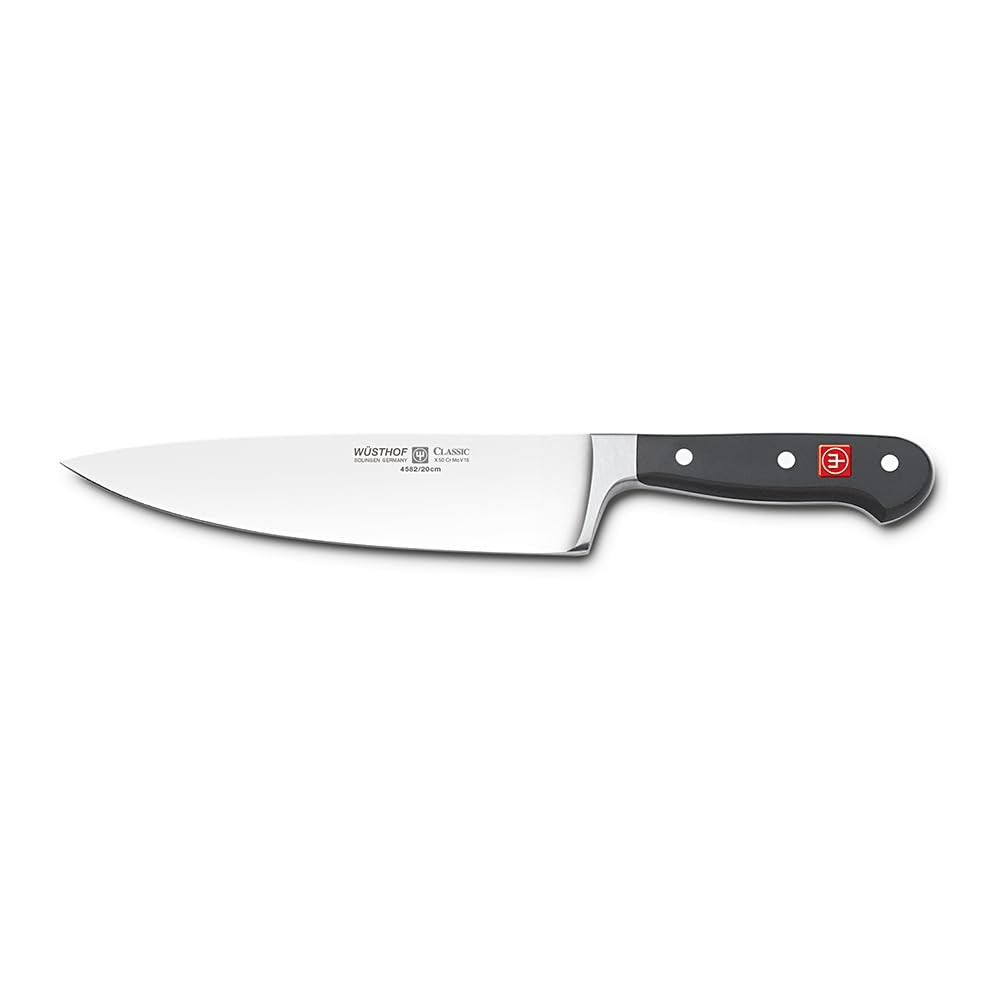
Wüsthof Classic 8-Inch Chef's Knife
Full tang, forged German steel , built to last decades with proper care
Buy on Amazon| Product | Price Range | Top Strength | Key Weakness | Buy |
|---|---|---|---|---|
| Shun Premier 4-Piece Steak Knife Set best overall | $$$ | Hammered tsuchime finish reduces drag during cutting | Significantly more expensive than Shun Classic steak knives | Buy on Amazon |
| Shun Classic 8-Inch Chef's Knife also consider | $$$ | VG-MAX steel with 68-layer Damascus cladding , razor-sharp out of the box | Hard steel (61 HRC) is more brittle , chip risk on bones or frozen food | Buy on Amazon |
| Wüsthof Classic 8-Inch Chef's Knife also consider | $$$ | Full tang, forged German steel , built to last decades with proper care | Heavy at 8.5 oz , some cooks prefer the lighter feel of Japanese knives | Buy on Amazon |
| Victorinox Fibrox Pro 8-Inch Chef's Knife also consider | $ | Best-performing knife under $50 , used in professional kitchens worldwide | Stamped steel loses its edge faster than forged alternatives | Buy on Amazon |
| Shun Classic 4-Piece Steak Knife Set also consider | $$$ | VG-MAX steel , the sharpest steak knives at this price point | Premium price for steak knives , most guests won't appreciate the blade quality | Buy on Amazon |
Steak knives are easy to underbuy. Most people grab a block set at a department store, put it on the table twice a year, and never think about it again. Then at some point they sit down to a well-rested ribeye and watch the blade drag and compress instead of slice, and they finally understand what the fuss is about. If you’re researching Shun Premier steak knives, you’ve probably already had that moment.
This guide covers the Shun Premier and Classic steak knife sets honestly, puts them in context against each other, and gives you a clear recommendation without overselling the premium. I’ll also reference a few chef’s knives where the comparison is useful. If you’re building out a broader knife collection alongside your steak set, the full Knives & Sharpeners hub is a good place to start.
What to Look For in Steak Knives
Most steak knife buying advice focuses on blade style (serrated vs. straight-edge) and mostly ignores steel quality. That’s backwards.
Blade Steel and Hardness
Harder steel holds an edge longer but is more brittle. Shun uses VG-MAX steel in both the Premier and Classic lines, rated around 61 HRC. That produces a remarkably sharp cutting edge, sharper than anything you’d get from a standard European steak knife. The tradeoff is that these blades require careful handling. They are not knives you throw in a drawer with other cutlery.
For comparison: German steak knives from Wüsthof or similar brands run softer (typically 58 HRC), meaning they’re more forgiving on contact but need more frequent honing. The Wüsthof Classic 8-Inch Chef’s Knife is a good illustration of the German approach. It’s a heavier, more durable blade that handles rough treatment better than Shun’s Japanese steel. Same philosophy carries through to each brand’s steak knives.
Blade Geometry
Shun Premier steak knives use a thinner blade profile than the Classic line. The difference is noticeable. If you’ve ever sliced a piece of beef and felt the blade pulling slightly to one side because of its own thickness, a thinner grind is what fixes that. The Premier blades have a more refined, scalpel-like feel through protein.
Handle Construction and Table Presentation
This matters more for steak knives than it does for your prep knives, because steak knives live on the table. Shun Premier uses Walnut Pakkawood handles. They’re warm, visually striking, and feel substantial in hand. The Classic line uses a darker ebony-finished Pakkawood that’s also handsome but more utilitarian-looking. If you’re putting these down next to good plates at a dinner party, the Premier handles make a different impression. (I will admit this is partly aesthetic judgment, which I recognize isn’t everyone’s priority.)
Set Size
Four-piece sets cover most households. If you regularly seat more than four for steak dinners, you’ll want an eight-piece or be prepared to supplement.
Top Picks
Best Overall: Shun Premier 4-Piece Steak Knife Set
The Shun Premier 4-Piece Steak Knife Set is the set I’d buy if I were starting from zero and had the budget for premium. It’s the best-performing steak knife set Shun makes, and it’s visually impressive on the table in a way that the Classic line isn’t quite.
The hammered tsuchime finish on the blade does real work. The small dimples create air pockets that reduce surface contact between blade and food, so slices release cleanly rather than sticking. On a well-marbled steak, the difference between this blade and a standard flat-ground knife is immediately obvious. It also means the knives photograph well and look intentional on a set table, which matters if you’re the kind of person who cares about that.
VG-MAX steel at 61 HRC delivers razor-sharp edges out of the box. These knives will handle fine slicing through beef, game, and lamb without compressing the meat. They should not go in the dishwasher, they should not be stored loose in a drawer, and you should not use them to scrape a cutting board. If those restrictions sound annoying, buy something else and save yourself the frustration.
The price is premium. Check current pricing on Amazon, but be prepared for this to be one of the more expensive steak knife sets on the market. Whether that’s reasonable depends entirely on how you use your table.
Best Mid-Tier Shun: Shun Classic 4-Piece Steak Knife Set
The Shun Classic 4-Piece Steak Knife Set is a genuine alternative to the Premier, not a consolation prize.
The steel is identical: VG-MAX at 61 HRC, with 68-layer Damascus cladding that produces the signature wave pattern Shun is known for. On the table, these knives are striking. At a dinner party, most guests will notice them. The performance difference between Classic and Premier in actual cutting use is subtle. The Premier blade is slightly thinner and lighter, which improves feel during fine cuts, but for most steak applications the Classic cuts equally well.
Where Classic loses ground is the handle and the aesthetic details. The ebony Pakkawood is less visually warm than the Walnut Premier handles, and the blade finish lacks the tsuchime texture. Neither is a functional issue. But if you’re spending this much on steak knives, you might as well decide consciously whether the Premier’s presentation is worth the additional cost to you.
The Classic is also available in both serrated and straight-edge configurations. If you prefer serrated steak knives (common preference for harder crusts on seared steaks), Classic gives you that option.
Value Benchmark: Victorinox Fibrox Pro
I’m including the Victorinox Fibrox Pro 8-Inch Chef’s Knife not as a steak knife recommendation, but as a reference point for what budget performance actually looks like. Victorinox’s steak knives exist on the same quality tier as the Fibrox line: competent, utilitarian, functional in professional settings. If someone tells you that you need to spend premium money to get a sharp steak knife, Victorinox is the evidence against that argument.
The real question is whether Shun’s edge retention and table presence are worth the difference in price. For a dedicated steak set you’re putting in front of guests, I think they are. For a weeknight knife you’ll throw in a drawer, they’re probably not.
How to Choose Between Shun Premier and Shun Classic
This is the actual decision most buyers face.
Choose Premier if:
- Table presentation is a factor. The Walnut Pakkawood handles and hammered tsuchime finish are genuinely more refined.
- You appreciate the marginal improvement in blade feel. The thinner grind and lighter weight are noticeable, especially through multiple cuts in one sitting.
- You’re buying these partly as a gift or hosting statement and want the packaging and aesthetics to reflect that.
Choose Classic if:
- You want serrated blade options. (Check what configurations are available in each line at time of purchase.)
- You want the Shun quality at slightly lower cost without a meaningful functional tradeoff.
- You’re primarily a performance buyer and the tsuchime finish is irrelevant to you.
Either way, both sets require the same care. No dishwasher. Hand wash, dry immediately, store in a block or on a magnetic strip. Sharpening VG-MAX steel correctly requires a whetstone rather than a pull-through sharpener, which is worth knowing before you buy. The Shun Classic 8-Inch Chef’s Knife uses the same steel and the same care requirements, so if you already own Shun kitchen knives, you know exactly what you’re signing up for.
What About German Steel?
If you’re used to the German knife tradition, Shun steak knives will feel different in hand. Lighter, more delicate, thinner spine. That’s the intended design, not a flaw. If you prefer the heft of something like the Wüsthof Classic line, Japanese-style steak knives may never feel quite right, regardless of how sharp they are. Neither approach is wrong.
For anyone cross-shopping chef’s knives at the same time as building a steak set, the comparison I covered in Mac Professional Series Chef’s Knife covers similar Japanese-style blade geometry in useful detail. And if you’re thinking about how a thinner santoku-style blade compares to a full chef’s knife in daily prep work, the Zwilling J.A. Henckels Chef Knife review gives a useful German-school contrast.
My Recommendation
Buy the Shun Premier 4-Piece Steak Knife Set if it fits your budget. The tsuchime finish, the thinner blade profile, and the Walnut Pakkawood handles are worth the difference over Classic if you’re putting these on a table. If the premium price is a stretch, the Shun Classic 4-Piece Steak Knife Set performs nearly as well and still outclasses everything else in its price range.
What I wouldn’t do is buy premium steak knives and treat them casually. VG-MAX steel is not forgiving of neglect. If you buy either of these sets and run them through the dishwasher twice, you’ll have blunted expensive knives and will have gotten exactly what you deserved.
For anyone still building out a complete knife setup alongside a steak set, the Knives & Sharpeners hub covers chef’s knives, santoku knives, and sharpening tools in one place.
Frequently Asked Questions
Are Shun Premier steak knives worth the price over the Shun Classic?
Functionally, the gap is narrower than the price difference suggests. Both use VG-MAX steel at 61 HRC with Damascus cladding, and both will outperform most steak knives at the table. The Premier’s advantages are the thinner blade grind, the Walnut Pakkawood handles, and the tsuchime hammered finish that reduces drag. If table presentation matters to you or you’ll notice the slight improvement in blade feel, yes, the upgrade is worth it. If you’re buying purely on cutting performance, the Classic delivers nearly identical results at a lower price. Check current pricing on Amazon before making the call, since the gap between the two sets varies.
Do Shun steak knives go in the dishwasher?
No. Shun is explicit about this, and for good reason. VG-MAX steel at 61 HRC is hard and sharp but more brittle than softer German steels. Dishwasher heat and detergent will degrade the edge and can damage the Pakkawood handles over time. Hand wash with mild soap, dry immediately, and store in a block or on a magnetic strip. This applies to both the Premier and Classic sets.
What’s the difference between serrated and straight-edge steak knives? Which should I get?
Straight-edge steak knives make cleaner cuts through most proteins and are easier to maintain at home. They’re the right choice for well-rested, properly cooked steak. Serrated knives handle hard seared crusts more easily and stay serviceable longer without sharpening, since you’re not honing the full edge. The Shun Classic line offers both configurations. If you cook steaks frequently and can maintain a whetstone edge, straight-edge is the better long-term choice.
How do I sharpen Shun steak knives?
VG-MAX steel at 61 HRC requires a whetstone. Pull-through sharpeners remove too much material and won’t produce the correct edge angle for Japanese steel, typically 16 degrees per side versus 20-22 degrees for European knives. Shun offers a professional sharpening service if you don’t want to sharpen yourself. A honing rod will not correct a dull VG-MAX blade, though a very fine ceramic rod can help maintain between sharpenings.
How many steak knives does a household actually need?
Four is sufficient for most households. If you regularly host more than four people for steak dinners, an eight-piece set or a second four-piece is worth considering. Mixing sets from the same line works fine if you add later. Both the Shun Premier and Classic are sold in four-piece configurations, and individual knives are available if you need to supplement.
Frequently Asked Questions
What is the difference between Shun Premier and Shun Classic steak knives?
The Shun Premier steak knives feature a tsuchime (hand-hammered) finish that reduces drag during cutting and walnut Pakkawood handles that offer a more premium table presentation. The Classic uses the same VG-MAX steel but with a smoother blade finish and a lighter-colored Pakkawood handle, at a lower price point.
Should I buy serrated or straight-edge Shun steak knives?
Straight-edge steak knives slice more cleanly through well-rested meat and can be resharpened at home. Serrated knives require less maintenance and work better on crusty bread or tougher cuts, but cannot be easily resharpened. For premium steaks where presentation and clean slices matter, straight-edge is the better choice.
Are Shun Premier steak knives dishwasher safe?
No. Like all Shun knives, the Premier steak knives should be hand-washed and dried immediately after use. Dishwasher detergent, high heat, and contact with other utensils can chip the VG-MAX steel edge and damage the Pakkawood handles.
How many pieces come in the Shun Premier steak knife set?
The standard Shun Premier steak knife set comes as a 4-piece set, covering a table for four. It is a practical quantity for most households and a common gift set. Larger sets are available, but the 4-piece is the most widely stocked configuration.
Is it worth spending premium money on steak knives when guests may not appreciate the quality?
If you regularly cook and serve quality steaks, the difference between a sharp straight-edge knife and a dull serrated one is immediately noticeable in the dining experience. For occasional use or households where steak is a rare occurrence, the premium is harder to justify — a quality German-steel option or even a sharp mid-range knife may be sufficient.
Where to Buy
Shun Premier 4-Piece Steak Knife SetSee Shun Premier 4-Piece Steak Knife Set on Amazon