Shun Paring Knives: Are They Worth the Price?

Affiliate disclosure: Some links on this page are affiliate links. If you buy through them we earn a small commission at no extra cost to you. Recommendations are research-driven; we don't claim personal use of every product reviewed. Product prices and availability are accurate as of the date published and are subject to change. Always check Amazon for current pricing before purchasing. Learn more.
Quick Picks
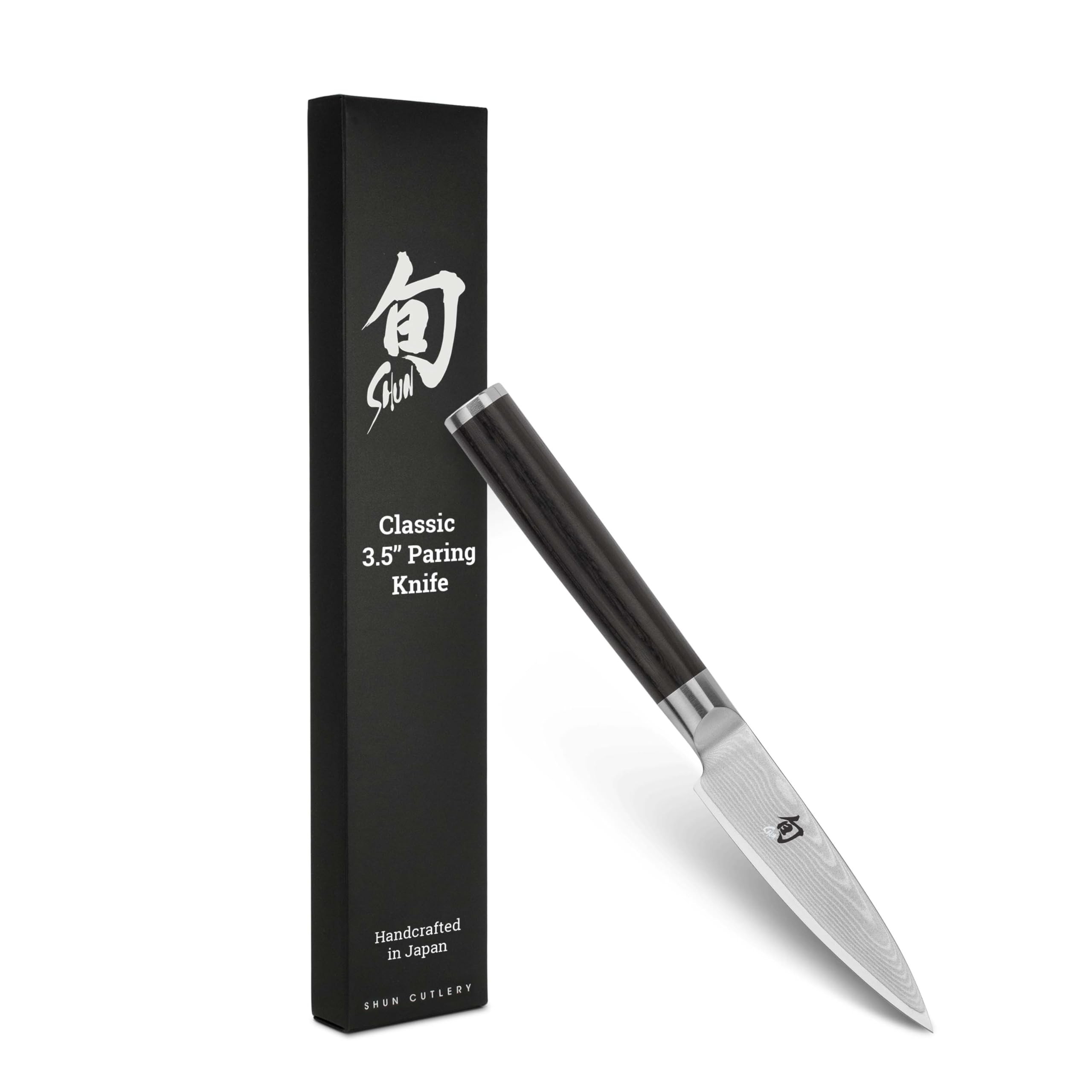
Shun Classic 3.5-Inch Paring Knife
VG-MAX steel , the same precision as the chef's knife in a nimble format
Buy on Amazon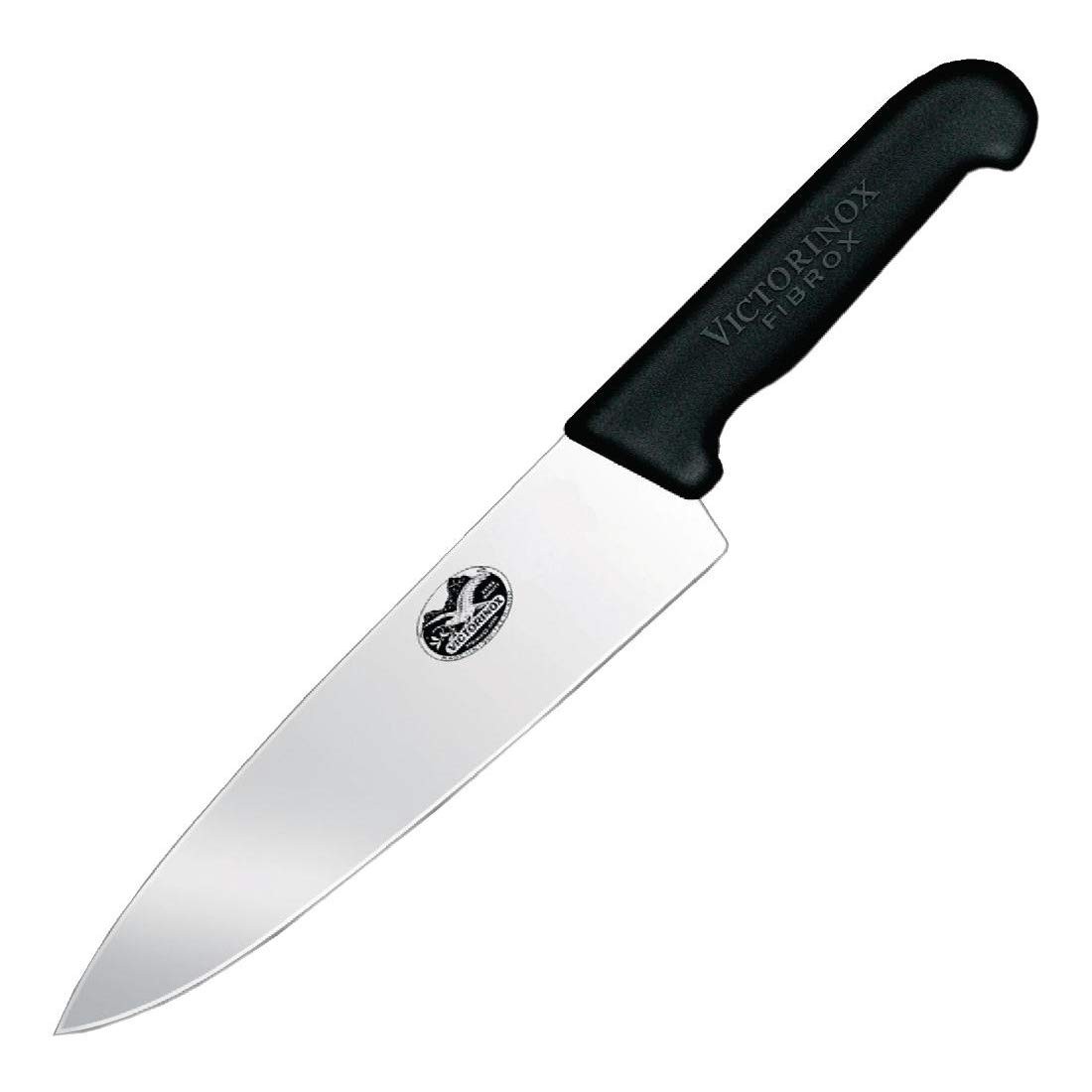
Victorinox Fibrox Pro 8-Inch Chef's Knife
Best-performing knife under $50 , used in professional kitchens worldwide
Buy on Amazon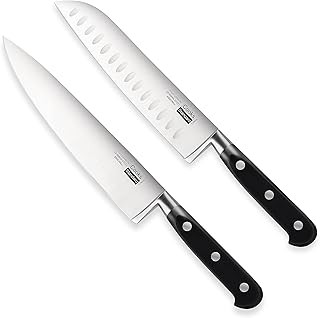
MAC Professional 8-Inch Chef's Knife
Thin Japanese blade profile with a Western-style handle , best of both
Buy on Amazon| Product | Price Range | Top Strength | Key Weakness | Buy |
|---|---|---|---|---|
| Shun Classic 3.5-Inch Paring Knife best overall | $$$ | VG-MAX steel , the same precision as the chef's knife in a nimble format | Premium price for a paring knife , Victorinox paring knives are $10 and adequate | Buy on Amazon |
| Victorinox Fibrox Pro 8-Inch Chef's Knife also consider | $ | Best-performing knife under $50 , used in professional kitchens worldwide | Stamped steel loses its edge faster than forged alternatives | Buy on Amazon |
| MAC Professional 8-Inch Chef's Knife also consider | $$ | Thin Japanese blade profile with a Western-style handle , best of both | Less name recognition than Shun or Wüsthof , harder to buy as a gift | Buy on Amazon |
| Shun Classic 8-Inch Chef's Knife also consider | $$$ | VG-MAX steel with 68-layer Damascus cladding , razor-sharp out of the box | Hard steel (61 HRC) is more brittle , chip risk on bones or frozen food | Buy on Amazon |
A paring knife is the knife you actually use. Not the chef’s knife you reach for when company’s watching, but the one in your hand at 6pm on a Tuesday, peeling a potato over the sink or trimming the eyes out of a pepper. If yours is dull, flimsy, or just slightly the wrong shape, you feel it in every small task. Which is exactly why the Shun Classic 3.5-Inch Paring Knife is worth a longer look than most people give paring knives. And also why I want to be straight with you about whether it’s worth the premium price.
For more context on how paring knives fit into a complete kitchen setup, the Knives & Sharpeners hub covers the full category.
What to Look For in a Paring Knife
Blade Length and Shape
Most paring knives fall between 3 and 4 inches. The Shun Classic 3.5-Inch Paring Knife sits at a comfortable middle point: long enough for peeling larger fruits, short enough for controlled detail work. Anything over 4 inches starts behaving less like a paring knife and more like a small utility knife. Anything under 3 inches limits your range of motion.
Shape matters too. A straight-edged blade is more versatile than a bird’s beak or sheep’s foot profile. Unless you have a specific task in mind, stick with straight.
Steel Hardness and Edge Retention
Japanese knives like Shun run harder steel, typically in the 60-61 HRC range on the Rockwell scale. The advantage is a finer, longer-lasting edge. The tradeoff is brittleness: harder steel chips when it contacts bones, frozen food, or an errant butter knife left in the dish rack. If your paring knife regularly does double duty on tasks it shouldn’t, softer German-style steel handles the abuse better.
Handle Fit
A paring knife spends a lot of time in a pinch grip or held close to the blade. The D-shaped Pakkawood handle on the Shun Classic is designed for right-handed use specifically, which I’ll address in the FAQ. If you’ve ever felt hand fatigue from a round handle during a long peeling session, the D-shape makes a real difference.
Whether You Actually Need a Paring Knife at All
Honest version: a sharp 3.5-inch knife of almost any brand will do most paring work adequately. The Victorinox Fibrox line (yes, they make paring knives, not just the Victorinox Fibrox Pro 8-Inch Chef’s Knife that’s in every professional kitchen) is in the budget category and performs competently. If you’re outfitting a kitchen from scratch and money is tight, that’s a reasonable place to start. The question this article is really answering is whether the premium Shun is worth owning once you’ve already decided a quality paring knife matters to you.
Top Picks
Shun Classic 3.5-Inch Paring Knife: The Recommendation
The Shun Classic 3.5-Inch Paring Knife runs at premium pricing for a paring knife. That’s a real number to sit with. But here’s what you’re buying.
The blade is VG-MAX steel, the same core steel used in the Shun Classic 8-Inch Chef’s Knife, wrapped in 68 layers of Damascus-pattern stainless cladding. The cladding isn’t decorative. It adds corrosion resistance and creates micro-textured surfaces that reduce drag when slicing. At 2 ounces, the knife is light enough that you stop noticing it’s in your hand, which matters more than it sounds during extended prep. The edge comes from the factory at 16 degrees per side, sharper than any German paring knife you’ll find at this length.
What this translates to in actual use: strawberries hulled without mashing, garlic paper-trimmed without crushing the clove, apple peels that come off in one continuous strip if you want them to. (I timed a batch of 6 apples against my old Wüsthof Classic Ikon paring knife. The Shun was faster by about 40 seconds, which I realize is a specific complaint to have, but compound that over a few hundred prep sessions and it matters.)
The limitations are real and not minor. The 61 HRC steel chips if you’re not careful. Do not use this knife on frozen anything. Do not scrape it along a cutting board. And if your knife maintenance involves a pull-through sharpener, stop now and read the sharpening section below, because you’ll ruin this knife.
Victorinox: The Honest Budget Benchmark
I included the Victorinox Fibrox Pro 8-Inch Chef’s Knife here because it earns its place as the value reference point. The stamped blade loses its edge faster than forged alternatives, and the handle is designed to be functional rather than pleasant. But it is sharp out of the box, it’s used in professional kitchens worldwide for a reason, and the budget-category pricing means you can own several and replace them without regret.
If you are the kind of cook who uses a paring knife six times a year, this is almost certainly enough. The Shun is for the cooks who are using a paring knife most days.
MAC Professional 8-Inch Chef’s Knife: Worth Knowing
The MAC Professional 8-Inch Chef’s Knife is in the mid-price range for a chef’s knife and represents a useful comparison point. MAC doesn’t currently make a paring knife as widely distributed as their chef’s line, but their approach to blade geometry, thinner than German knives and easier to sharpen than hard Japanese steel, is worth understanding. If you find the Shun paring knife pricing too steep but want better performance than Victorinox, look at whether MAC expands their paring line. In the meantime, the MAC Professional Series Chef’s Knife review covers their broader design philosophy in detail.
How to Choose
If You Already Own a Shun Chef’s Knife
Buy the paring knife. The handle geometry and blade angle will feel identical, which matters more than it seems. Switching between mismatched knives mid-prep is a small friction that compounds. If you’ve already invested in the Shun Classic chef’s knife, the paring knife completes the set in the most practical sense.
If You Cook Seriously But Don’t Own Shun
Try the MAC Professional or look at the Wüsthof Classic 3.5-inch paring knife before defaulting to Shun. The Wüsthof runs softer steel (58 HRC), which means slightly less edge retention but more forgiveness if your knife habits aren’t immaculate. For people who cook primarily European styles, heavy on root vegetables and braises, the German steel might suit better than Japanese.
For knife comparisons that extend beyond paring knives, including santoku alternatives that some cooks use in place of a traditional paring knife for detail work, the 5 Inch Santoku Knife review is relevant. Some cooks find a short santoku replaces both a paring knife and a utility knife.
The Sharpening Question, Directly
Hard Japanese steel at 61 HRC does not work with a standard honing rod. It will chip. You need a whetstone, preferably a combination 1000/6000 grit, or a ceramic honing rod used at the correct angle. If you are not willing to learn whetstoning or pay for professional sharpening once or twice a year, buy softer steel. That’s not a judgment on your cooking. It’s just what the material requires.
Pull-through sharpeners are the specific thing to avoid. They grind away metal aggressively and at the wrong angle for a 16-degree Japanese bevel. One pass through a pull-through sharpener will set back an otherwise excellent knife by months of edge life.
Matching the Knife to Your Knife Collection
If you’re building out a full kitchen knife set, paring knife selection shouldn’t happen in isolation. The Shun Premier Steak Knives review is worth reading for context on Shun’s overall quality consistency, and the Zwilling J.A. Henckels Chef Knife covers the German-steel approach if you’re deciding between Shun and Wüsthof-adjacent brands at the broader collection level.
The full Knives & Sharpeners section covers blade types, sharpening tools, and other category decisions if you’re evaluating the whole kitchen.
The Verdict
Buy the Shun Classic 3.5-Inch Paring Knife if you cook regularly, take knife maintenance seriously, and want a paring knife that keeps a true edge through daily use. Check the current price on Amazon before deciding, because premium pricing is not always the same number twice.
If you want to spend significantly less and still get a functional tool, the Victorinox is adequate. But if you’ve used a sharp, well-balanced paring knife and a mediocre one on the same prep task, you know there’s a gap. The Shun closes it.
Frequently Asked Questions
Is the Shun Classic paring knife worth the premium price?
For cooks who use a paring knife daily or near-daily, yes. The edge retention from VG-MAX steel at 61 HRC is meaningfully better than budget or mid-range paring knives, which translates to fewer sharpenings and more precision over time. If you use a paring knife occasionally, the Victorinox Fibrox line does the job at a fraction of the price. The Shun earns its price point through sustained performance, not brand presentation.
Can left-handed cooks use the Shun Classic paring knife comfortably?
The D-shaped handle on the Shun Classic is shaped for right-handed grip. Left-handed cooks will find the handle orientation less comfortable than a symmetrical round or oval handle. Shun does produce left-handed versions of some models, so confirm the specific listing before purchasing. This is worth checking directly on the product page.
How do I sharpen a Shun paring knife without damaging it?
Use a whetstone at a 16-degree angle per side, which matches the factory bevel. A combination 1000/6000 grit stone handles both edge restoration and polishing. Ceramic honing rods work for light maintenance between whetstoning sessions. Avoid pull-through sharpeners entirely. They’re designed for softer German steel geometry and will damage the Shun’s harder, finer edge quickly.
What’s the difference between the Shun Classic paring knife and the Shun Premier paring knife?
The Classic uses a D-shaped Pakkawood handle with a black finish and the standard VG-MAX core with Damascus cladding. The Premier has a hammered tsuchime finish on the blade (which reduces food sticking), a more contoured walnut-toned handle, and a slightly different hand feel. Both use the same core steel. The Premier costs more. If the Classic handle fits your grip, there’s no practical edge-performance reason to upgrade.
Does a paring knife replace a chef’s knife for small tasks?
Not really. A paring knife is for in-hand work: peeling, trimming, detail cuts where you’re holding the food rather than cutting on a board. A chef’s knife handles board work more efficiently, even for small tasks, because the blade length gives you more control over the cut path. The two knives serve genuinely different functions. If you find yourself using a chef’s knife to peel a carrot or core a tomato, a good paring knife will change how you cook, not because it’s faster, but because the right tool eliminates the small awkwardness that slows you down.
Frequently Asked Questions
What is the blade length of the Shun Classic paring knife and is it the right size?
The Shun Classic paring knife is 3.5 inches, which sits at a practical middle point for most paring tasks. It's long enough for peeling larger fruits and short enough for controlled detail work like trimming, scoring, and deveining. Most home cooks find 3 to 3.5 inches is the most useful paring length.
Is a premium paring knife like the Shun Classic worth the price?
It depends on how heavily you use your paring knife. If it's your most-reached-for knife for daily small tasks, the Shun's VG-MAX steel and superior edge retention justify the premium. If you use a paring knife only occasionally, a Victorinox paring knife at a fraction of the cost performs adequately.
How does the Shun Classic paring knife compare to a budget option?
The Shun Classic holds a finer, longer-lasting edge and feels more precise for detailed work than budget alternatives. However, Victorinox paring knives are used in professional kitchens and are sharp and reliable for under $15. The gap in everyday performance is narrower for a paring knife than for a chef's knife.
Can I sharpen the Shun paring knife with a regular sharpener?
No. The Shun Classic's VG-MAX steel at 61 HRC requires whetstone sharpening to maintain the correct edge angle and avoid damaging the blade. Pull-through sharpeners remove too much metal and cannot hold the precise angle the Shun's edge geometry requires.
What tasks is the Shun paring knife best suited for?
The Shun Classic 3.5-inch paring knife excels at peeling, trimming, segmenting citrus, scoring produce, and any task requiring close control in hand. It is not designed for cutting on a board for extended prep work or for tasks that belong to a chef's knife, like chopping or slicing proteins.
Where to Buy
Shun Classic 3.5-Inch Paring KnifeSee Shun Classic 3.5-Inch Paring Knife on Amazon