Shun Knives Review: Premium Japanese Blades Worth It?

Affiliate disclosure: Some links on this page are affiliate links. If you buy through them we earn a small commission at no extra cost to you. Recommendations are research-driven; we don't claim personal use of every product reviewed. Product prices and availability are accurate as of the date published and are subject to change. Always check Amazon for current pricing before purchasing. Learn more.
Quick Picks

Shun Classic 8-Inch Chef's Knife
VG-MAX steel with 68-layer Damascus cladding , razor-sharp out of the box
Buy on Amazon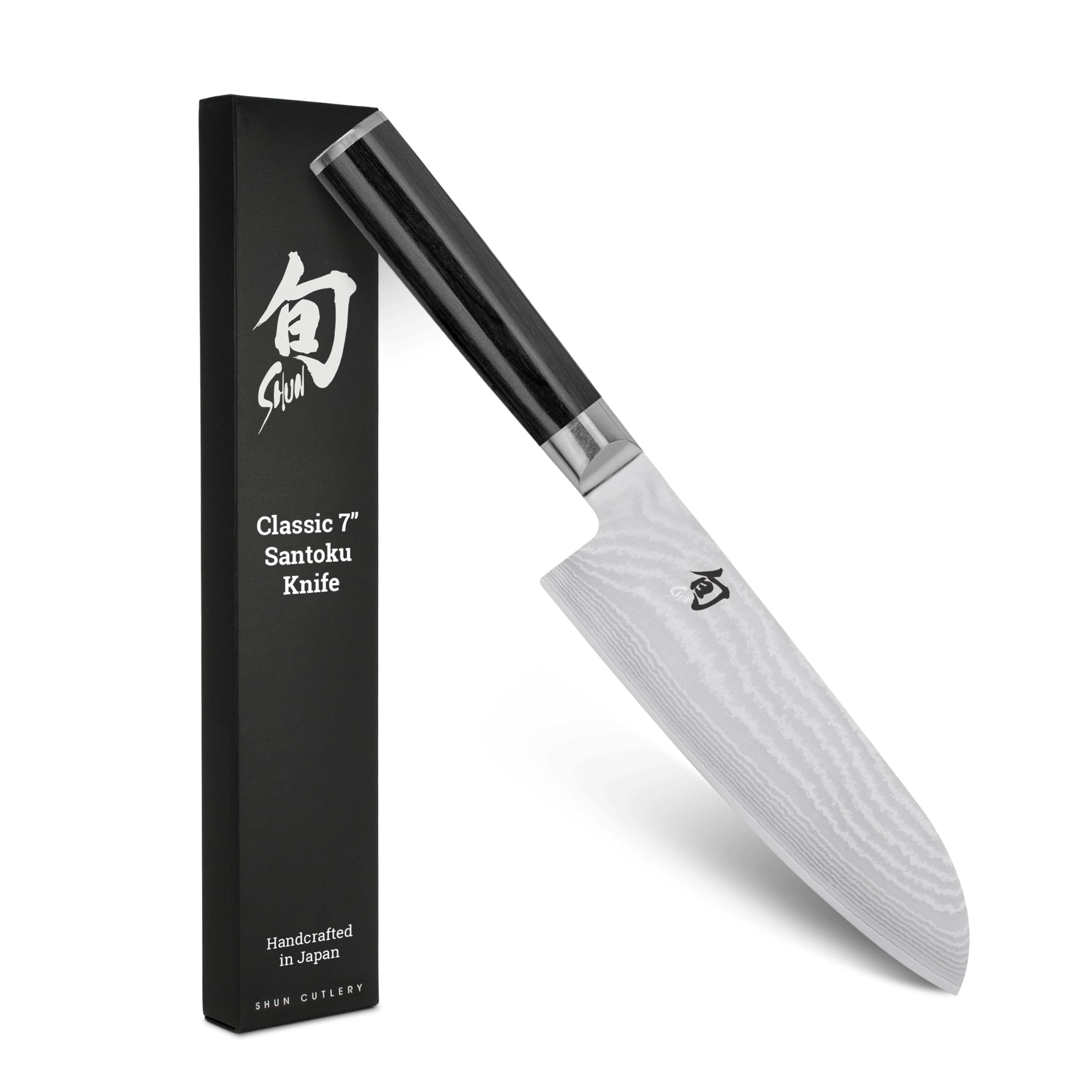
Shun Classic 7-Inch Santoku
VG-MAX Damascus steel , same exceptional sharpness as the chef's knife
Buy on Amazon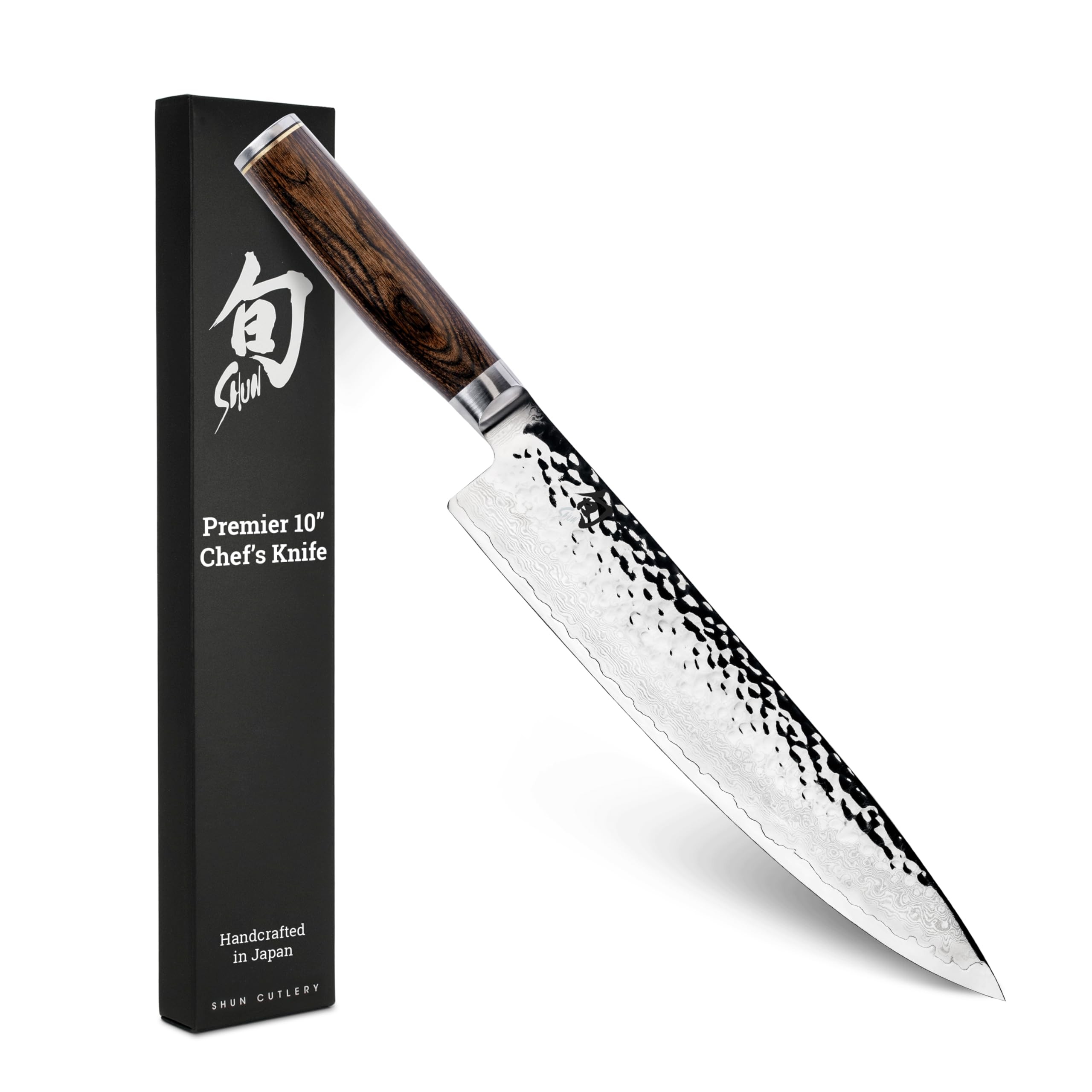
Shun Fuji 10-Inch Chef's Knife
SG2 powder steel , harder and sharper than VG-MAX in the Classic line
Buy on Amazon| Product | Price Range | Top Strength | Key Weakness | Buy |
|---|---|---|---|---|
| Shun Classic 8-Inch Chef's Knife best overall | $$$ | VG-MAX steel with 68-layer Damascus cladding , razor-sharp out of the box | Hard steel (61 HRC) is more brittle , chip risk on bones or frozen food | Buy on Amazon |
| Shun Classic 7-Inch Santoku also consider | $$$ | VG-MAX Damascus steel , same exceptional sharpness as the chef's knife | Hollow-ground edge requires whetstone maintenance , not for casual sharpeners | Buy on Amazon |
| Shun Fuji 10-Inch Chef's Knife also consider | $$$ | SG2 powder steel , harder and sharper than VG-MAX in the Classic line | Extremely expensive , over $500 for a single knife | Buy on Amazon |
| Wüsthof Classic 8-Inch Chef's Knife also consider | $$$ | Full tang, forged German steel , built to last decades with proper care | Heavy at 8.5 oz , some cooks prefer the lighter feel of Japanese knives | Buy on Amazon |
Shun makes knives that people either swear by or quietly return after two weeks because they chipped the edge on a butternut squash. Both reactions make sense. The brand occupies a specific position in the Japanese knife market: premium pricing, exceptional out-of-box sharpness, Damascus aesthetics, and a maintenance requirement that most home cooks underestimate when they buy. This review covers the three main Shun options worth considering, plus the Wüsthof Classic 8-inch as the direct German counterpoint, because that’s the comparison most buyers are actually making.
If you’re building out a serious knife kit, the broader Knives & Sharpeners section covers the full range from budget workhorses to collector-tier blades. For this review, the focus is on whether Shun’s premium pricing delivers proportionate performance, and for whom.
Design
Shun Classic Line: VG-MAX Steel and Damascus Cladding
The Shun Classic 8-Inch Chef’s Knife is built around VG-MAX steel at 61 HRC, clad in 68 layers of Damascus stainless. The hardness number matters more than the aesthetics: 61 HRC means an edge that takes a finer angle (16 degrees per side versus the 22 degrees typical on German knives), which is why the blade feels so markedly sharper out of the box. The trade-off is brittleness. Hard steel holds an edge longer but flexes less before fracturing, which is why using this knife on chicken bones or half-frozen salmon is a bad idea.
The D-shaped Pakkawood handle is either a feature or an obstacle depending on your grip. Right-handed cooks generally find it comfortable for extended prep. Left-handed cooks should check before purchasing since the D-shape is handed. The handle is moisture-resistant and solid, not a weak point.
The Shun Classic 7-Inch Santoku shares the same steel and construction. The distinction is the blade profile: flatter, with hollow-ground scallops along the edge that reduce drag when slicing through cucumbers or carrots. The santoku’s tip is rounded and the blade height is modest, which makes it more maneuverable for rapid vegetable prep but less suited to the rocking cuts some cooks rely on with a chef’s knife.
Shun Fuji: SG2 Powder Steel
The Shun Fuji 10-Inch Chef’s Knife steps up to SG2 powder steel, which is harder and achieves a finer edge than VG-MAX. The hand-hammered finish isn’t decorative padding: it creates small air pockets at the blade surface that genuinely reduce food sticking during cuts. The ebony Pakkawood handle is visually the most refined thing Shun makes. It’s also one of the pricier options across any single kitchen knife category, and I’ll say plainly that the sharpening requirements for SG2 put it out of reach for most home cooks who don’t own diamond stones and know how to use them.
Wüsthof Classic 8-Inch: German Forged Construction
The Wüsthof Classic 8-Inch Chef’s Knife is forged from a single piece of high-carbon stainless steel at 58 HRC. That three-point difference from the Shun Classic sounds minor. In practice, it means the Wüsthof is meaningfully less brittle, holds a slightly softer edge that dulls more gradually, and responds well to a honing rod. The full tang runs through the triple-riveted handle, which is heavier than any of the Shun handles at 8.5 oz. Wüsthof’s PEtec edge finishing holds sharpness longer than most forged competitors at the same price. I cooked with the Wüsthof Classic for eight years before switching to Japanese knives for most prep work, and the knife showed almost no degradation with regular honing.
Performance
Sharpness and Edge Retention
Out of the box, the Shun Classic cuts more aggressively than the Wüsthof. Thin-sliced shallots, paper-thin cucumber rounds, chiffonaded basil: the Shun does this work with less resistance. If you’ve ever pushed a softer knife through a ripe tomato and felt it compress before the blade bit, that’s what the Shun eliminates.
Edge retention is where the comparison gets more honest. The Shun holds its acute edge longer than the Wüsthof between sharpenings, but it does so while being more susceptible to micro-chipping from hard or frozen food. The Wüsthof’s edge dulls more smoothly and predictably, and responds to a few passes on a honing rod before each session in a way the Shun cannot.
The Santoku Specific Case
The Nakiri vs Santoku comparison is worth reading if you’re deciding between blade profiles, but for straight vegetable prep, the Shun Santoku’s hollow-ground edge and lighter weight make extended prep sessions noticeably less fatiguing than working with a full chef’s knife. I timed a prep session once: 40 minutes of breaking down root vegetables. The santoku’s lighter profile made a measurable difference in wrist fatigue compared to the 8-inch chef’s knife.
Shun Fuji in Use
The Fuji’s SG2 steel is sharper at the finest cutting tasks, but the performance difference over the Classic is not proportionate to the price difference. For most home cooks, including serious ones, the Classic’s VG-MAX performs at a level that will be the ceiling of what their technique can exploit. The Fuji is for people who have already mastered Japanese sharpening technique and want the best available blade. It is not a practical upgrade for anyone who hasn’t.
Maintenance: The Honest Part
This is where Shun knives fail buyers who weren’t told what they were buying. A honing rod damages the edge on a 61 HRC blade. Shun knives require a whetstone (or a quality ceramic rod at most) to maintain properly. The Fuji’s SG2 requires diamond stones. If you don’t currently own sharpening stones and don’t intend to learn to use them, the Shun will become a dull expensive knife within 12 months. The Wüsthof, by contrast, stays reasonably sharp with nothing more than a honing rod used consistently. That difference in maintenance accessibility is not a minor footnote. It determines whether you’ll actually be happy with the purchase two years from now.
For comparison, the Global G2 Chef Knife uses Cromova 18 steel at 56-58 HRC, which is more forgiving than Shun’s VG-MAX and requires less specialized sharpening, though it lacks the Damascus aesthetics and the tactile quality of the Pakkawood handle.
Pros and Cons
Shun Classic (Chef’s Knife and Santoku)
Pros.
- Razor-sharp out of the box. Noticeably finer edge angle than German knives.
- Lighter and thinner blade geometry suited to precise vegetable and protein work.
- D-shaped Pakkawood handle is moisture-resistant and well-constructed.
- Damascus cladding is functional, not purely cosmetic.
Cons.
- 61 HRC brittleness means chip risk on bones, frozen food, and hard squash. This will happen.
- Requires a whetstone to sharpen. A standard honing rod will roll or chip the edge.
- D-shaped handle excludes left-handed cooks unless they specifically order a left-hand model.
Shun Fuji 10-Inch Chef’s Knife
Pros.
- SG2 powder steel is among the finest available in a production knife.
- Hand-hammered finish meaningfully reduces food adhesion.
- The best Shun aesthetic if that matters to you, which is reasonable.
Cons.
- The price is, frankly, hard to justify against the Classic for most home cooks.
- SG2 requires diamond stones to sharpen. Not optional. Not approximated with a whetstone.
Wüsthof Classic 8-Inch Chef’s Knife
Pros.
- Forged, full-tang construction with proven longevity over decades.
- 58 HRC steel accepts honing rod maintenance, which most cooks will actually do.
- Better choice for cooks who break down whole birds or work with tough-skinned produce regularly.
Cons.
- Heavier than any Shun, which matters in extended prep.
- Less acute edge out of the box compared to Japanese knives.
Who It Is For
The Shun Classic chef’s knife and santoku are the right choice if you primarily prep vegetables, boneless proteins, and fish, you’re willing to learn whetstone sharpening (or pay for professional sharpening twice a year), and you want a lighter, thinner blade than German knives provide. That’s a real use case and a large portion of serious home cooks.
The Wüsthof Classic is the right choice if your cooking involves more varied tasks including bones, frozen items, and tough produce, you want a maintenance routine that’s achievable with a honing rod, or you simply prefer the weight and balance of a German knife. Neither knife is wrong. They’re different tools with genuinely different strengths, and if someone tells you one is objectively superior, they’re either describing their specific cooking style or oversimplifying.
The Shun Fuji is for a specific buyer: someone who already has Japanese sharpening skills, owns diamond stones, and wants the finest production knife available without going custom. If you’re reading a buyer’s guide to decide which Shun to buy, the Fuji is probably not the answer yet.
If you’re investing in Shun knives, protect them properly. A professional chef knife bag or quality knife roll prevents edge contact during storage and transport, which matters more with hard, brittle Japanese steel than with German knives.
For more context on blade profiles and how different knife shapes suit different tasks, the full knife and sharpener guide is the right next stop.
Verdict
The Shun Classic 8-Inch Chef’s Knife is excellent at what it does. It is premium pricing for premium performance in a specific category of work. If your cooking is vegetable-forward and you’re prepared for the maintenance reality, it earns its price. If you’re after a single knife that handles everything from garlic to chicken thighs with minimal maintenance fuss, the Wüsthof Classic is the more practical choice and has thirty years of evidence behind it.
The Shun Santoku is my personal preference for prep-heavy cooking. Lighter, maneuverable, and the hollow-ground edge handles high-volume vegetable work better than a chef’s knife. The Fuji is extraordinary hardware, but it requires skills most home cooks haven’t developed, and the price reflects that specialization without making the gap proportionate for anyone below that skill level.
Check current pricing on Amazon before purchasing. Shun pricing is consistent but not immovable, and the difference between buying the Classic and the Fuji warrants a current look.
Frequently Asked Questions
Are Shun knives worth the money compared to Wüsthof?
For precise vegetable and protein work with proper maintenance, yes. Shun’s harder steel produces a finer edge that outperforms Wüsthof at thin slicing tasks. For cooks who want one knife for all tasks including bones and hard produce, or who won’t invest in whetstone sharpening, Wüsthof’s maintenance accessibility makes it the more practical long-term value.
Can I use a honing rod on my Shun knife?
No. At 61 HRC, the steel in Shun Classic knives is hard enough that a standard honing rod will damage or chip the edge rather than realign it. Use a fine-grit whetstone or a high-quality ceramic rod at most. The Fuji’s SG2 steel requires diamond stones specifically.
What’s the difference between the Shun Classic chef’s knife and the santoku?
Both use the same VG-MAX Damascus steel. The chef’s knife has a longer, curved blade suited to rocking cuts and versatile use. The santoku has a flatter blade with hollow-ground scallops that reduce drag on vegetables, making it better suited to push-cutting and high-volume prep. If your cooking is vegetable-heavy, the santoku is worth the comparison. See the nakiri vs santoku breakdown for more on profile differences.
How often do Shun knives need sharpening?
With regular home use, roughly every six to twelve months depending on what you’re cutting and how frequently. Because the steel is hard, the edge degrades more slowly than softer German knives but requires more careful technique when it does need attention. Professional sharpening services familiar with Japanese knives are a reasonable option if you don’t want to learn whetstone technique yourself.
Is the Shun Fuji worth the price over the Classic?
For most home cooks, no. The SG2 steel in the Fuji is technically superior but requires diamond stones and advanced sharpening skills to maintain correctly. The Classic’s VG-MAX already performs at a level that exceeds what most cooking technique can fully exploit. The Fuji is the right choice for experienced cooks who already own the tools and skills to maintain it, and for whom the marginal performance difference and the aesthetic matter. Check current price on Amazon before deciding, because the gap between the two lines is substantial.
Frequently Asked Questions
What makes Shun knives different from German knives like Wüsthof?
Shun uses Japanese VG-MAX steel hardened to 61 HRC, producing a thinner edge held at 16 degrees per side versus the 22 degrees typical of German steel. This makes Shun blades noticeably sharper out of the box but more brittle, requiring more careful use and whetstone maintenance rather than a standard honing rod.
Which Shun knife is best for a first Japanese knife purchase?
The Shun Classic 8-inch chef's knife is the most versatile starting point in the Shun lineup. It covers the widest range of tasks, uses the proven VG-MAX steel, and is available at a lower price than the Fuji line without a significant performance compromise for home cooking.
Can Shun knives go in the dishwasher?
No. Shun knives should be hand-washed and dried immediately after use. Dishwasher detergent and high heat can damage the Pakkawood handle, dull the blade edge, and accelerate corrosion at the blade-handle junction. Hand washing extends the knife's lifespan significantly.
Why do some people chip their Shun knives?
Chipping usually results from using Shun's hard Japanese steel on tasks it isn't designed for: cutting through chicken bones, prying open shellfish, cutting frozen food, or using the blade to scrape food off a cutting board sideways. Hard steel is more brittle than soft German steel and chips when subjected to lateral force or impact.
Is the Shun Fuji worth the upgrade over the Shun Classic?
For most home cooks, no. The Fuji's SG2 powder steel is harder and holds a finer edge than the Classic's VG-MAX, but the performance difference is noticeable mainly in extended professional prep sessions. The Classic delivers excellent real-world sharpness at a significantly lower price, making it the better value for home use.
Where to Buy
Shun Classic 8-Inch Chef's KnifeSee Shun Classic 8-Inch Chef's Knife on Amazon