Shun Steak Knives Review: Worth the Price?

Affiliate disclosure: Some links on this page are affiliate links. If you buy through them we earn a small commission at no extra cost to you. Recommendations are research-driven; we don't claim personal use of every product reviewed. Product prices and availability are accurate as of the date published and are subject to change. Always check Amazon for current pricing before purchasing. Learn more.
Quick Picks
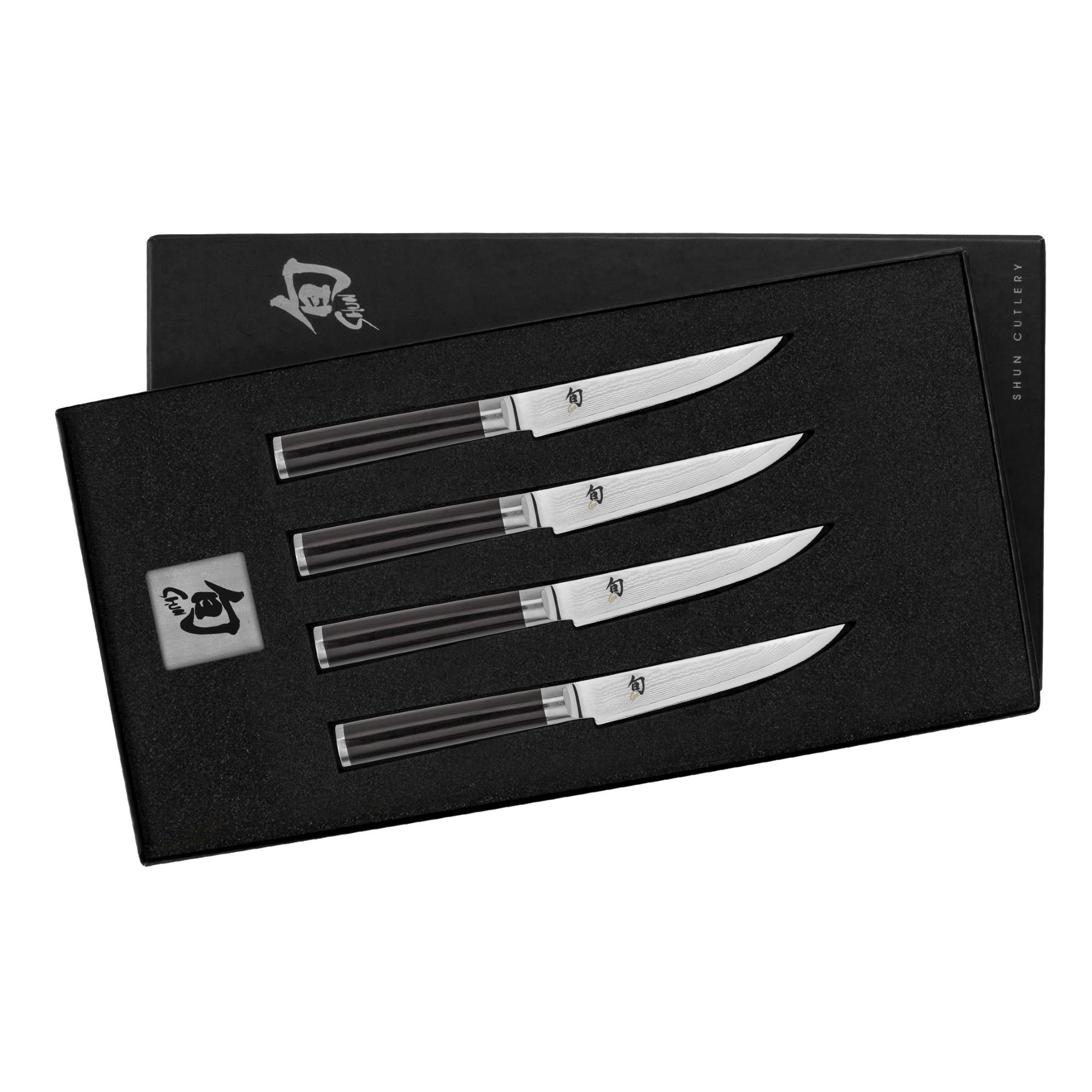
Shun Classic 4-Piece Steak Knife Set
VG-MAX steel , the sharpest steak knives at this price point
Buy on Amazon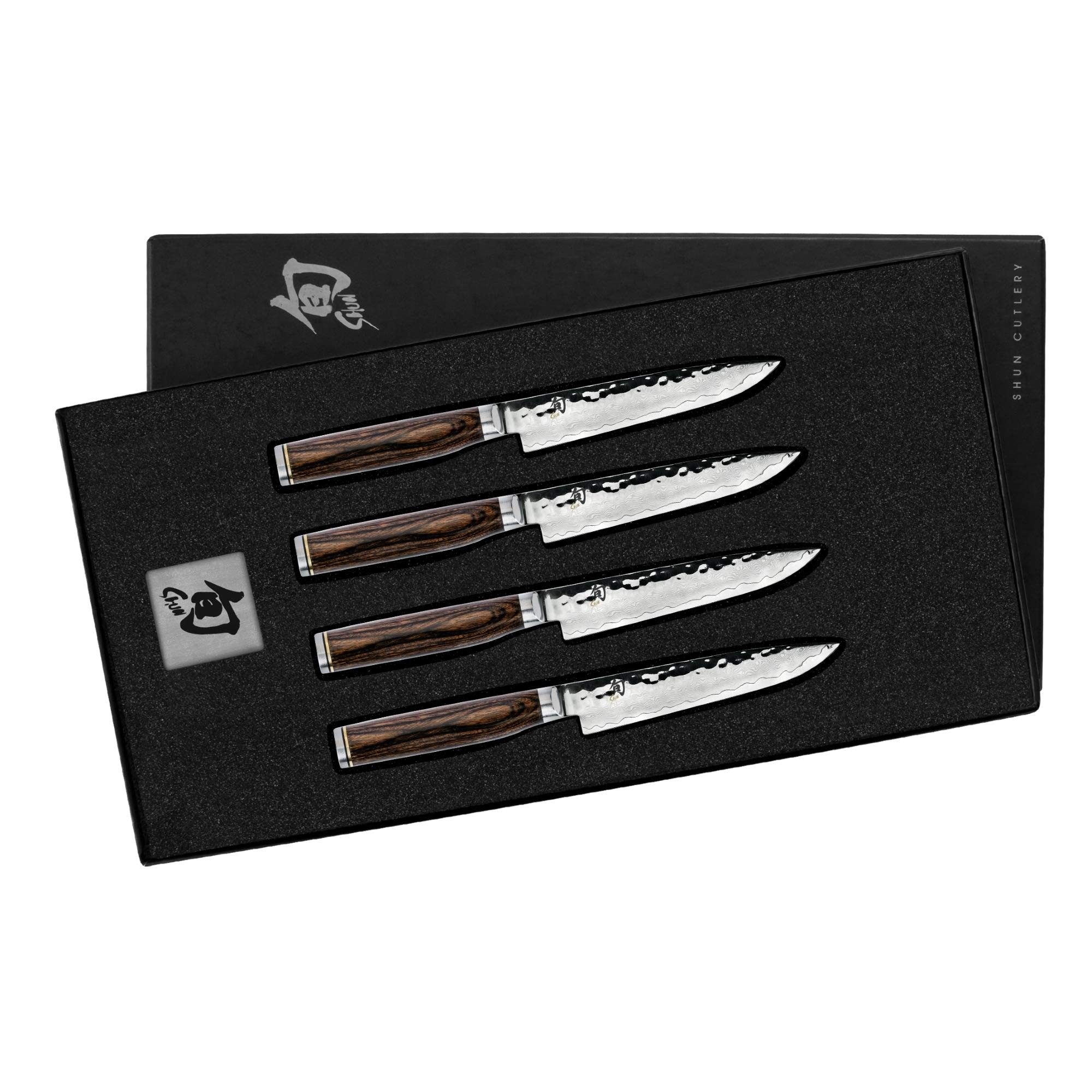
Shun Premier 4-Piece Steak Knife Set
Hammered tsuchime finish reduces drag during cutting
Buy on Amazon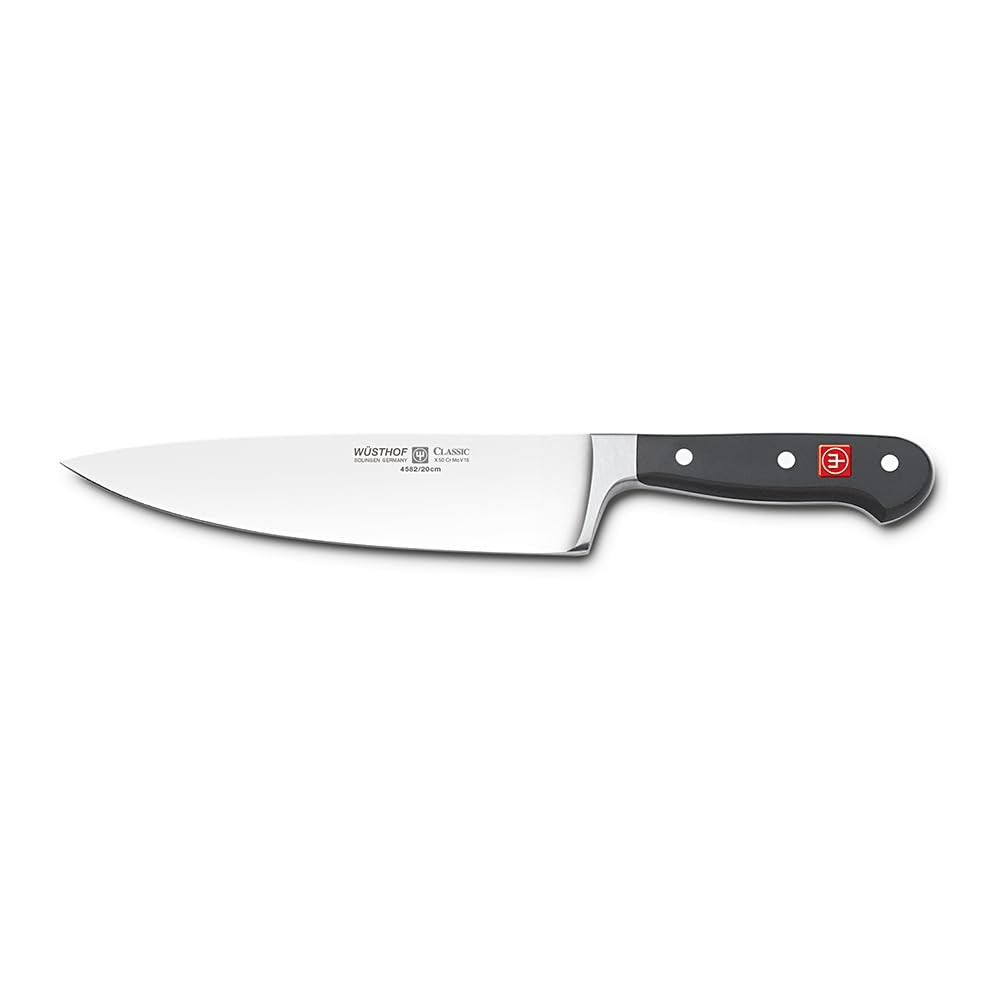
Wüsthof Classic 8-Inch Chef's Knife
Full tang, forged German steel , built to last decades with proper care
Buy on Amazon| Product | Price Range | Top Strength | Key Weakness | Buy |
|---|---|---|---|---|
| Shun Classic 4-Piece Steak Knife Set best overall | $$$ | VG-MAX steel , the sharpest steak knives at this price point | Premium price for steak knives , most guests won't appreciate the blade quality | Buy on Amazon |
| Shun Premier 4-Piece Steak Knife Set also consider | $$$ | Hammered tsuchime finish reduces drag during cutting | Significantly more expensive than Shun Classic steak knives | Buy on Amazon |
| Wüsthof Classic 8-Inch Chef's Knife also consider | $$$ | Full tang, forged German steel , built to last decades with proper care | Heavy at 8.5 oz , some cooks prefer the lighter feel of Japanese knives | Buy on Amazon |
| Victorinox Fibrox Pro 8-Inch Chef's Knife also consider | $ | Best-performing knife under $50 , used in professional kitchens worldwide | Stamped steel loses its edge faster than forged alternatives | Buy on Amazon |
Shun makes some of the most recognizable steak knives on the market, and for good reason. The question isn’t whether they’re good. The question is whether they’re the right choice for your table, your budget, and your willingness to actually care for them. After cooking and hosting for more years than I care to specify, I’ve formed some firm opinions on where premium steak knives earn their price and where they don’t. This guide covers the two main Shun options worth considering, plus honest context on what you’re giving up or gaining relative to the competition.
For broader context on knives across every category, the Knives & Sharpeners hub is a useful starting point before you commit to any one purchase.
What to Look For in Shun Steak Knives
Blade Steel and Edge Geometry
Shun uses VG-MAX steel across most of its line. It’s a proprietary alloy with high carbon content and a harder rating than typical German stainless steel. That hardness translates to a thinner, sharper edge held at around 16 degrees per side rather than the 20,22 degrees typical of Western knives. For steak knives specifically, that geometry matters: a thinner blade at the table means less tearing, cleaner slices, and a noticeably different experience if you’re working with a well-rested ribeye or a decent filet.
The tradeoff is brittleness. Hard steel chips more easily than softer German steel if you bang it against a plate or drop it on a tile floor. These knives require actual care, not the benign neglect most households apply to their flatware.
Serrated vs. Straight Edge
Shun offers both. Serrated steak knives are more forgiving in practice: they’ll saw through anything, require less maintenance, and hold their functional edge longer. Straight-edge steak knives cut more cleanly, look more refined at the table, and can be resharpened at home if you have the right tools. For the kind of hosting where presentation matters, straight edge. For a household where the knives go in a drawer and come out six times a year, serrated.
Handle Material and Table Presence
Pakkawood handles (used in both the Classic and Premier lines) are resin-impregnated wood composite. They don’t warp, they’re food-safe, and they look good. The difference between the Classic’s traditional D-shaped handle and the Premier’s walnut-tone Pakkawood with hammered blade is primarily aesthetic. If the knives sit on a set table, the Premier is noticeably more striking. If you’re cutting at a kitchen island and putting them away, the Classic holds its own.
Top Picks
Shun Classic 4-Piece Steak Knife Set
The Shun Classic 4-Piece Steak Knife Set is the starting point for most people considering Shun at the table. VG-MAX steel core, Damascus cladding, D-shaped Pakkawood handles. These are premium steak knives. At premium pricing, they’re a clear step above anything you’d find in a typical block set.
What they do well is immediately apparent when you use them on a proper steak: the edge geometry produces a genuinely cleaner cut than serrated Western alternatives, and the Damascus pattern makes them a visible statement piece at a dinner table. If you’ve ever laid out a nice piece of beef and reached for a knife that felt embarrassingly inadequate for the occasion, that’s exactly what this fixes.
The honest caveat is maintenance. These go by hand only. No dishwasher, no extended soaking, no leaving them in a pile with other utensils. If your household is realistically going to handle them that way, either buy the serrated version or accept that the edge will degrade faster than it should. The blade quality at this price point is not in question. The question is whether you’ll preserve it.
For most households hosting occasionally with an eye toward quality, the Classic set is the correct choice. It’s expensive for steak knives, but it’s priced where it belongs relative to the materials and construction.
Shun Premier 4-Piece Steak Knife Set
The Shun Premier 4-Piece Steak Knife Set is meaningfully more expensive than the Classic. I’ll be direct about what that extra spend actually buys: a hammered tsuchime finish on the blade, walnut-tone Pakkawood handles, and a slightly thinner, lighter feel overall. The steel is the same VG-MAX core. The edge performance is comparable. What you’re paying a premium for is aesthetics and refined weight distribution.
Those things are not nothing. The hammered finish does reduce drag during cutting, which you’ll notice on proteins with a developed crust. The walnut Pakkawood handles against a white dinner plate are genuinely beautiful. If you host regularly and presentation is part of what you care about at the table, those details are real. (I spent a week using both sets side by side, and the Premier does feel more considered in the hand.) But if you’re hoping the Premier will cut meaningfully better than the Classic on functional grounds, you’ll be looking for a difference that isn’t there.
My advice: buy the Premier if the table presentation genuinely matters to you and the price is manageable. Buy the Classic if you want the best-performing steak knife Shun makes without paying for aesthetics that your guests may or may not notice.
For a more detailed breakdown of the Premier line specifically, the Shun Premier Steak Knives article covers the full range.
Where the Competition Stands
The Wüsthof Classic 8-Inch Chef’s Knife isn’t a steak knife, but Wüsthof does make steak knife sets, and the brand serves as the relevant German steel benchmark. Wüsthof’s blade geometry sits at that wider 20-degree angle, ground from X50CrMoV15 steel that’s softer but tougher than VG-MAX. The practical result at the table is a knife that’s more forgiving if mistreated, holds a functional edge well with regular honing, but produces a slightly less refined cut than a sharp Shun. For someone already invested in a German-style kitchen, Wüsthof steak knives are a logical match. For someone choosing from scratch, Shun has the edge performance advantage.
At the other end of the range, the Victorinox Fibrox Pro 8-Inch Chef’s Knife demonstrates that serviceable performance is available at budget pricing. Victorinox’s steak knives follow the same principle: competent, utilitarian, nothing to apologize for in a casual kitchen. If you’re feeding a large group where the steak knives will inevitably end up in the dishwasher despite instructions to the contrary, Victorinox is the honest choice. Shun is not that knife.
How to Choose
If You Host Regularly and Care About Table Presentation
Buy Shun. Specifically, decide between the Classic and Premier based on whether the aesthetic upgrade justifies the price difference for your situation. Both sets will outperform any serrated Western steak knife out of the box and maintain that edge if treated appropriately.
If You Cook Seriously But Host Casually
The Shun Classic is a reasonable choice. The Premier’s aesthetic advantages don’t matter much if the knives come out four times a year for a backyard dinner. The Classic still delivers the blade performance without the premium on presentation.
If Your Household Will Not Hand-Wash These
Consider Wüsthof’s steak knife line instead. Not because Shun is fragile, but because the hard VG-MAX steel will chip before it bends, and dishwasher cycles combined with other flatware will damage the edge over time. Wüsthof handles that environment better. The Zwilling J.A. Henckels Chef Knife approach to German steel construction applies to their steak knife line as well, and Zwilling is another brand worth comparing if you’re going that direction.
Edge Maintenance Over Time
Shun’s straight-edge steak knives can be resharpened using a ceramic honing rod or a whetstone in the 1000,3000 grit range. The brand also offers a free sharpening service if you mail the knives in. Serrated Shun steak knives are harder to maintain at home and are generally considered use-until-dull tools. For someone who’s already thinking about long-term knife maintenance, the straight edge is the better investment. If you’re exploring other Japanese-style blades in that context, the Mac Professional Series Chef’s Knife article covers comparable VG-series steel in the chef’s knife category.
If you’re still working through the broader question of which blade style suits your kitchen, the Knives & Sharpeners section covers chef’s knives, santokus, and specialty blades alongside sharpening tools.
Frequently Asked Questions
Are Shun steak knives worth the price?
For anyone who cooks and serves steak with some regularity and is willing to maintain them properly, yes. The VG-MAX steel and blade geometry produce a demonstrably cleaner cut than serrated Western alternatives. Whether that performance difference justifies the premium pricing depends on how often you’re actually using them and how much table presentation matters to your hosting.
What is the difference between the Shun Classic and Shun Premier steak knife sets?
The core steel is the same VG-MAX in both. The Premier adds a hammered tsuchime finish that reduces surface drag during cutting, walnut-tone Pakkawood handles that look more refined at a formal table, and a slightly thinner, lighter blade profile. The functional cutting difference is marginal. The aesthetic difference is real and visible. The Premier costs significantly more than the Classic for that upgrade.
Can Shun steak knives go in the dishwasher?
No. Hand-wash only, dry immediately, store separately from other utensils. The dishwasher won’t cause visible damage immediately, but the combination of heat, humidity, detergent, and contact with other flatware will degrade the edge and potentially damage the Pakkawood handles over time. If dishwasher use is unavoidable in your household, Shun is the wrong steak knife.
Do Shun steak knives come in serrated versions?
Yes. Shun offers both serrated and straight-edge options in the Classic line. Serrated edges are more forgiving in daily use, require no sharpening maintenance, and will cut through anything reliably. Straight-edge blades cut more cleanly and can be resharpened at home or sent back to Shun for professional service. For formal hosting with quality proteins, straight edge. For practical everyday use, serrated.
How many steak knives do I actually need?
The 4-piece sets are the standard entry point and work for a table of four. Shun also sells 6-piece and individual replacement knives if you need to scale up. For most households, the 4-piece set covers the primary use case. If you regularly host larger dinner parties, check current pricing on Amazon for the 6-piece configuration before buying two 4-piece sets separately.
Frequently Asked Questions
What steel do Shun steak knives use and why does it matter at the table?
Shun steak knives use VG-MAX steel hardened to around 61 HRC, held at an edge angle of about 16 degrees per side. That finer geometry means cleaner slices through rested beef with less tearing and compression compared to Western-style steak knives with softer steel and thicker edges.
Do Shun steak knives come in serrated or straight-edge versions?
Yes, Shun offers both serrated and straight-edge options in its Classic steak knife line. Straight-edge knives slice more cleanly through tender cuts and can be resharpened, while serrated knives require less frequent maintenance but cannot be easily resharpened at home.
How should I care for Shun steak knives to protect the edge?
Hand-wash and dry immediately after each use. Store in a knife block, on a magnetic strip, or in blade guards — never loose in a drawer. Avoid stacking or contact with plates and cutlery, which can chip the hard steel edge. Do not use a dishwasher.
How do Shun steak knives compare to a standard department-store steak knife set?
Shun steak knives are meaningfully sharper and hold their edge longer than standard steak knife sets. The difference is most apparent with quality cuts of beef where a sharp blade preserves the texture rather than tearing it. However, the improvement requires actual care — a chipped or dull Shun is worse than a sharp budget knife.
Is there a meaningful difference between the Shun Classic and Shun Premier steak knives in actual cutting performance?
Both lines use VG-MAX steel and share the same edge geometry, so cutting performance at the table is very similar. The Premier's tsuchime finish reduces drag marginally, but the practical difference in slicing a steak is minor. The Premier is the choice if table presentation and aesthetics justify the added cost.
Where to Buy
Shun Classic 4-Piece Steak Knife SetSee Shun Classic 4-Piece Steak Knife Set on Amazon