Staub 5 Qt Dutch Oven: What Matters Before You Buy

Affiliate disclosure: Some links on this page are affiliate links. If you buy through them we earn a small commission at no extra cost to you. Recommendations are research-driven; we don't claim personal use of every product reviewed. Product prices and availability are accurate as of the date published and are subject to change. Always check Amazon for current pricing before purchasing. Learn more.

Quick Picks
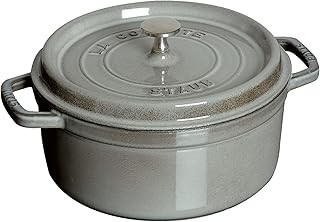
Staub 5.5-Quart Round Cocotte
Self-basting spikes on the lid return moisture back to the food
Buy on Amazon
Le Creuset 5.5-Quart Round Dutch Oven
Even heat distribution eliminates hot spots for slow braises
Buy on Amazon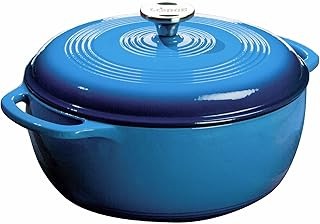
Lodge Enameled Cast Iron Dutch Oven 6-Quart
Enameled interior , no seasoning required, dishwasher safe
Buy on Amazon| Product | Price Range | Top Strength | Key Weakness | Buy |
|---|---|---|---|---|
| Staub 5.5-Quart Round Cocotte best overall | $$$ | Self-basting spikes on the lid return moisture back to the food | Dark interior makes it harder to monitor fond development | Buy on Amazon |
| Le Creuset 5.5-Quart Round Dutch Oven also consider | $$$ | Even heat distribution eliminates hot spots for slow braises | Over $300 at full retail , a significant investment | Buy on Amazon |
| Lodge Enameled Cast Iron Dutch Oven 6-Quart also consider | $$ | Enameled interior , no seasoning required, dishwasher safe | Enamel quality not as refined as Le Creuset , more prone to chipping over time | Buy on Amazon |
| Cuisinart Chef's Classic Enameled Cast Iron 5-Quart Dutch Oven also consider | $$ | Enameled interior at under $100 , significantly cheaper than Le Creuset | Enamel quality noticeably thinner than Le Creuset or Staub | Buy on Amazon |
The 5-quart range is where most serious home cooks spend their money, and for good reason. It’s large enough to braise a short rib dinner for four, small enough to control on a standard burner, and the right size for a round of no-knead bread. If you’re looking at the Staub 5 qt specifically, you’re already in the right neighborhood. But before you commit to one brand or one price point, there are a few real differences worth understanding. Not marketing differences. Actual cooking differences that show up on a Tuesday night.
If you’re newer to enameled cast iron and want background on the category broadly, the Cast Iron hub covers it well. This article focuses on the 5-quart class specifically, with four products that represent the realistic range from budget to premium.
What to Look For
Lid Design
This is the detail that separates Staub from nearly everything else in the category, and it matters more than it sounds. The Staub 5.5-Quart Round Cocotte has a cast iron lid with small spikes on the underside. As steam rises and condenses, it collects on those spikes and drips back down onto the food rather than running toward the rim and escaping. For a long braise, that’s a meaningful difference in moisture retention.
Le Creuset’s lid design is smooth inside, tight-fitting, and effective. It traps moisture well. But it doesn’t actively redirect it the way Staub does. Whether that matters depends on what you’re cooking. For bread baking, it’s largely irrelevant. For a chicken braise that runs three hours, the Staub lid is doing real work.
Interior Finish
Staub uses a black matte enamel interior. It develops a patina over time, handles higher heat without concern, and is genuinely non-stick after a few months of use. The trade-off is visibility. If you’re monitoring fond development during a sear, you’re guessing. The dark surface makes it harder to judge how far along your browning is. (I’ve scorched garlic in mine twice before adjusting my heat habits. Both times were my fault, but the dark interior didn’t help.)
Le Creuset’s interior is a light cream color. You can see exactly what’s happening on the surface. Newer cooks, or anyone who sears frequently and relies on visual cues, will find that easier to work with.
The Lodge and Cuisinart units both use lighter enamel interiors, similar to Le Creuset. They’re easier to read. They’re also more prone to staining over time, which is mostly cosmetic but worth knowing.
Weight and Thermal Mass
Cast iron’s value is in heat retention. All four products here deliver that. But Staub’s walls tend to run slightly thicker than Le Creuset, which means marginally better retention at the top end. For most home cooking, this difference is minor. If you’re doing long, low braises or want the highest even temperature over a three-hour cook, Staub has a small edge. If you want slightly less total weight when moving from stove to oven, Le Creuset is a bit more manageable. The Lodge 6-quart and Cuisinart 5-quart are both competitive on thermal mass at lower prices.
Enamel Quality
Premium pricing in this category is largely justified by enamel quality and longevity. The Le Creuset and Staub enamel is thicker, more durable, and far less prone to chipping than what you get on the Lodge and Cuisinart units. If you’re buying a piece you plan to own for twenty years, that distinction is real. If you’re buying a piece for occasional weekend cooking and don’t want to think about it that hard, the Lodge holds up fine for several years with reasonable care.
Top Picks
Staub 5.5-Quart Round Cocotte
The Staub 5.5-Quart Round Cocotte is the one I reach for most often. The self-basting lid is the reason. For braised short ribs, coq au vin, or any long braise where moisture management matters, that lid does work that the Le Creuset equivalent doesn’t. The black matte interior has developed a reliable patina over time and releases well for most applications.
The cons are real. It’s premium pricing, similar to Le Creuset. And the dark interior is a genuine adjustment. If you’re searing a steak or building a fond-based sauce and you rely on visual color cues, plan for a learning curve. I keep a flashlight on the counter near the stove for the first few minutes of a sear. (That’s not a joke. It works.)
Check current pricing on Amazon before assuming it’s cheaper or more expensive than Le Creuset. The gap shifts depending on color and where you buy.
Le Creuset 5.5-Quart Round Dutch Oven
The Le Creuset 5.5-Quart Round Dutch Oven is the most reviewed Dutch oven on the market, and not because of marketing alone. The even heat distribution is genuinely excellent. Hot spots are nearly nonexistent. The cream interior makes it easy to monitor your fond. The lid is tight and effective for bread baking.
It’s also the piece that comes with a lifetime warranty, which changes the math on premium pricing somewhat. If you buy this once and it lasts thirty years, the per-year cost is lower than replacing a mid-range unit twice. That’s not a sentimental argument. It’s arithmetic. If you’re interested in the full Le Creuset line, including the Provence colorway, Le Creuset Provence has more on the color options available.
The cons come down to price and lid weight. At full retail, it’s a significant investment. And the lid itself is heavy enough that checking on a braise one-handed gets uncomfortable after a while. Minor gripe, but worth knowing if you have any hand strength concerns.
Lodge Enameled Cast Iron Dutch Oven 6-Quart
The Lodge Enameled Cast Iron Dutch Oven 6-Quart costs roughly half what the Le Creuset does, which is the entire reason to consider it. It’s mid-range pricing, it requires no seasoning, it’s dishwasher safe (though hand washing extends enamel life, for what it’s worth), and the thermal mass is competitive with the premium options.
The enamel is thinner. Over time, with regular use, you’ll see that difference. Chips are more likely. The lighter porcelain finish also shows staining more easily than Staub’s black interior. Neither issue is catastrophic, but they’re real. This is a good piece for cooks who want enameled cast iron without the premium investment, and who are willing to replace it eventually rather than own it forever.
Note that this is a 6-quart, not 5.5. The extra capacity is rarely a problem, but if you’re working with a small oven or a compact stovetop, measure your rack clearance first.
Cuisinart Chef’s Classic Enameled Cast Iron 5-Quart Dutch Oven
The Cuisinart Chef’s Classic Enameled Cast Iron 5-Quart Dutch Oven is the budget option in this group. It’s in the budget category on price and performs accordingly. The wide, flat base distributes heat evenly across the bottom, which is better than some units at this price. It’s oven-safe to 500°F, non-reactive, and works well for soups, stews, and occasional braises.
The lid fit is the biggest practical issue. It’s not as precise as the premium options, and some steam escapes during a long braise. For a quick weeknight soup, you won’t notice. For a three-hour braise where moisture retention matters, you will. The enamel is also noticeably thinner than Le Creuset or Staub. This is a reasonable starting point for someone testing whether they’ll actually use a Dutch oven regularly, not a lifetime investment.
How to Choose
If you cook braises and stews regularly and want a piece you’ll own for decades, the Staub or Le Creuset are worth the premium pricing. The choice between them is largely about interior color preference and lid design. Staub if moisture retention in long braises is the priority. Le Creuset if you want a lighter interior and a lifetime warranty with a slightly lighter lid.
If you want enameled cast iron without the premium commitment, the Lodge 6-quart is the honest pick. It’s not as refined, but it performs well and the price difference is substantial. The Cuisinart is a reasonable entry point if budget is the main constraint and your use will be occasional.
One practical note: if you’re building out a cast iron collection more broadly, a Dutch oven pairs well with a Staub 3.5 Qt Braiser for shallower, wider cooks. The two pieces cover most braising and slow-cooking situations between them. And if enameled bakeware interests you alongside the stovetop work, the enameled cast iron baking dish is worth a look. The same heat retention that makes a Dutch oven useful in a braise applies well to roasting.
For tagine-style cooking, the Emile Henry Tagine is a separate category but worth mentioning for cooks who do North African dishes regularly. It handles that specific application better than a standard Dutch oven.
You can find the full breakdown of enameled cast iron options across the category on the cast iron cookware hub, including griddles, braisers, and baking pieces.
Frequently Asked Questions
Is the Staub 5.5-quart worth it compared to Le Creuset?
For most cooks, yes, though the reasoning matters. The Staub self-basting lid returns moisture to the food during a long braise in a way Le Creuset’s smooth lid doesn’t. The black matte interior is harder to monitor visually but develops a better natural patina over time. If you do a lot of long braises, Staub has a functional advantage. If you bake bread or do more sautéing than braising, the difference narrows considerably. Both are premium pricing. Check current pricing on Amazon before assuming one is significantly cheaper than the other.
What’s the difference between a Dutch oven and a cocotte?
Functionally, nothing. “Cocotte” is the French term, used primarily by Staub and Emile Henry. “Dutch oven” is the American convention, used by Le Creuset and Lodge in their marketing. The pieces are identical in design and purpose: a heavy lidded pot for stovetop-to-oven cooking, braising, soups, and bread baking.
Is the Lodge enameled Dutch oven good enough for regular use?
Yes, with realistic expectations. The Lodge Enameled Cast Iron Dutch Oven holds heat well, requires no seasoning, and performs competently for soups, stews, and bread. The enamel is thinner than Le Creuset or Staub, so chipping over time is more likely, especially if you’re not careful with metal utensils or thermal shock. For cooks who want enameled cast iron without the premium price and are comfortable with eventual replacement, Lodge is a solid choice.
Can I use a Dutch oven on an induction cooktop?
All cast iron, enameled or bare, is compatible with induction. The Staub, Le Creuset, Lodge, and Cuisinart units reviewed here will all work on induction without any modification. The one adjustment to make is lower initial heat settings. Cast iron retains heat aggressively, and induction responds faster than gas, so it’s easy to overshoot on induction if you’re used to gas cooking.
How do I clean enameled cast iron without damaging the enamel?
Hand washing with warm water and a soft sponge is the safest method for all four products reviewed here, regardless of whether they’re technically dishwasher safe. Avoid abrasive scrubbers. For stuck food, fill with warm water and let it soak for fifteen minutes before washing. For the Staub’s black interior, Bar Keepers Friend (used sparingly, with a soft cloth) handles any residue without damaging the surface. For Le Creuset’s lighter interior, the same approach works. Thermal shock is the main risk: don’t plunge a hot pan into cold water.
Frequently Asked Questions
What size is the Staub 5 qt cocotte, and how many people does it serve?
The Staub 5.5-quart round cocotte is the standard version in this size class, large enough to braise a whole chicken or a four-pound roast for four people comfortably. It's the most versatile size for households of two to four.
What is the difference between the Staub and Le Creuset 5-quart Dutch ovens?
The most meaningful difference is the lid interior: Staub uses small spikes that redirect condensation back onto the food as a fine mist, which aids moisture retention in long braises. Le Creuset's lid is smooth and tight-fitting. Staub also uses a matte black enamel interior versus Le Creuset's light cream interior, which affects how easily you can monitor fond development.
Is the Staub 5 qt cocotte good for baking no-knead bread?
Yes — the Staub 5.5-quart is one of the most popular vessels for no-knead bread because the heavy lid traps steam during the initial bake, creating the crust you'd normally need a professional oven to achieve. The size accommodates a standard single-loaf recipe without crowding.
How does the Cuisinart enameled cast iron Dutch oven compare to Staub at the 5-quart size?
The Cuisinart enameled Dutch oven costs significantly less than Staub and delivers comparable heat retention. The tradeoff is enamel thickness — Cuisinart's coating is noticeably thinner and more prone to chipping over time with heavy use. For an occasional cook, it's a reasonable value; for daily use, the Staub enamel holds up better.
Does the Staub 5 qt cocotte work on induction cooktops?
Yes — all Staub enameled cast iron cocottes are induction-compatible because the cast iron base is magnetic. No special adapter is needed.
Where to Buy
Staub 5.5-Quart Round CocotteSee Staub 5.5-Quart Round Cocotte on Amazon