Le Creuset Provence Dutch Oven: Worth the Price?

Affiliate disclosure: Some links on this page are affiliate links. If you buy through them we earn a small commission at no extra cost to you. Recommendations are research-driven; we don't claim personal use of every product reviewed. Product prices and availability are accurate as of the date published and are subject to change. Always check Amazon for current pricing before purchasing. Learn more.

Quick Picks

Le Creuset 5.5-Quart Round Dutch Oven
Even heat distribution eliminates hot spots for slow braises
Buy on Amazon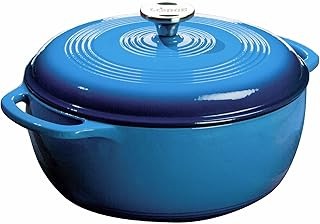
Lodge Enameled Cast Iron Dutch Oven 6-Quart
Enameled interior , no seasoning required, dishwasher safe
Buy on Amazon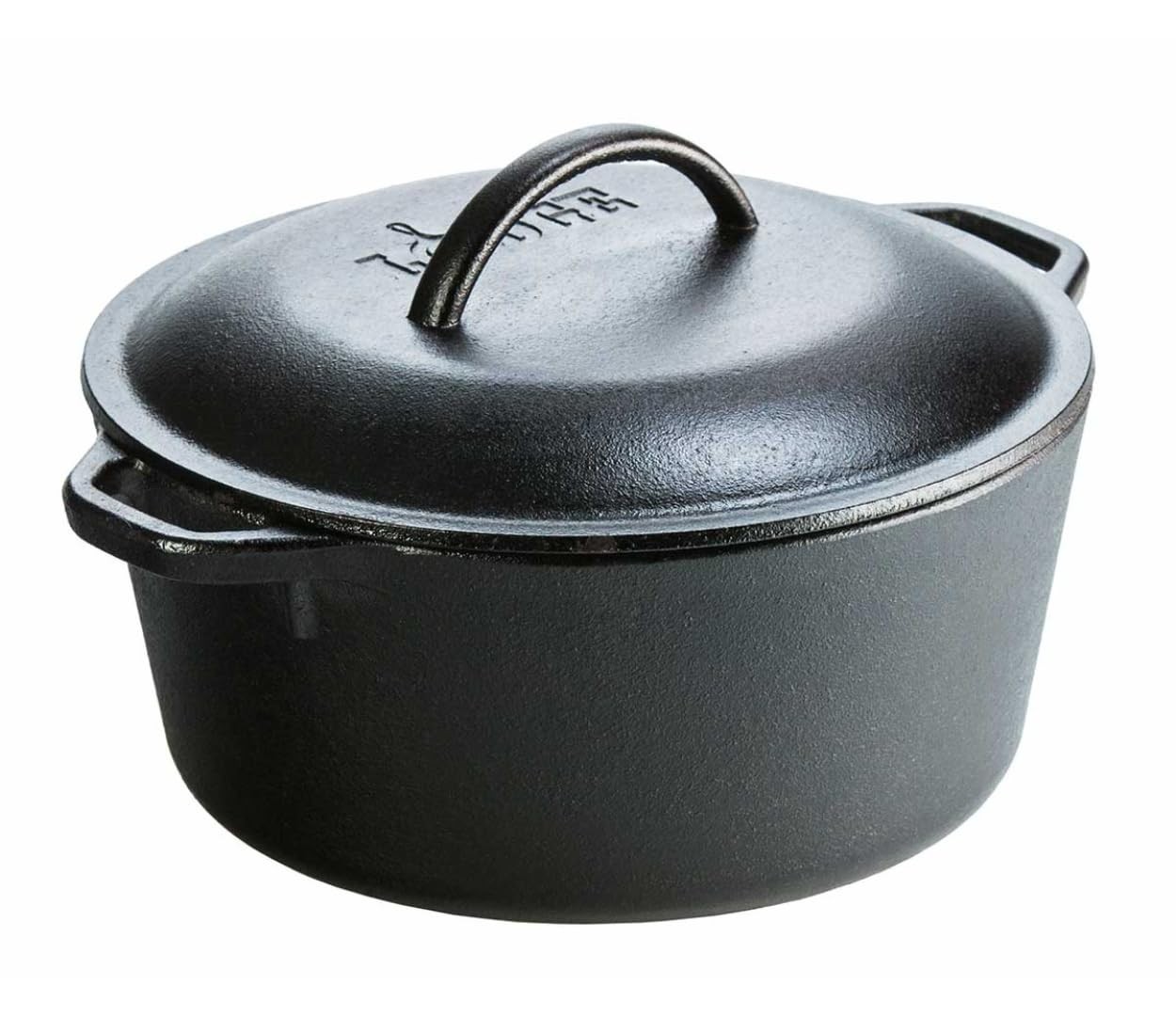
Lodge 6-Quart Cast Iron Dutch Oven
Thick walls retain heat evenly for long braises and stews
Buy on Amazon| Product | Price Range | Top Strength | Key Weakness | Buy |
|---|---|---|---|---|
| Le Creuset 5.5-Quart Round Dutch Oven best overall | $$$ | Even heat distribution eliminates hot spots for slow braises | Over $300 at full retail , a significant investment | Buy on Amazon |
| Lodge Enameled Cast Iron Dutch Oven 6-Quart also consider | $$ | Enameled interior , no seasoning required, dishwasher safe | Enamel quality not as refined as Le Creuset , more prone to chipping over time | Buy on Amazon |
| Lodge 6-Quart Cast Iron Dutch Oven also consider | $ | Thick walls retain heat evenly for long braises and stews | Requires seasoning maintenance , can rust if left wet | Buy on Amazon |
| Staub 5.5-Quart Round Cocotte also consider | $$$ | Self-basting spikes on the lid return moisture back to the food | Dark interior makes it harder to monitor fond development | Buy on Amazon |
| Emile Henry 5.5-Quart Flame Dutch Oven also consider | $$$ | Made from Burgundy clay , lighter than cast iron, excellent heat retention | Not suitable for high-heat searing , clay is best for low-and-slow | Buy on Amazon |
If you’ve searched “Le Creuset Provence” lately, you’re probably already convinced that a quality enameled Dutch oven is worth owning. The question most people actually need answered is whether the Le Creuset is the right one, or whether a less expensive option closes the gap enough to matter. After cooking with several of these pots over a combined fifteen-plus years, I have a clear opinion on that.
A quick note on scope: this guide covers Dutch ovens and cocottes in the 5.5- to 6-quart range, which is the practical sweet spot for households of two to six. If you’re newer to cast iron cookware generally, the Cast Iron hub is a good place to start before committing to any of these.
What to Look For
Enamel Quality
The enamel interior is what separates these pots from bare cast iron, and enamel quality varies more than the marketing suggests. You’re looking for a smooth, consistent glaze without pinholes or visible texture variation. Rough enamel stains faster and provides more surface area for food to grip.
The color matters less than the finish. Some colors show staining more readily than others regardless of enamel thickness. Light interiors (cream or white) show fond buildup clearly, which helps when you’re monitoring a braise. Dark interiors (matte black) hide it entirely. That’s a genuine tradeoff, not a cosmetic one.
Lid Fit
A tight-fitting lid is the functional point of a Dutch oven. If the lid rocks even slightly, you’re losing moisture during long braises. Pick up the lid and check whether it seats flush. Most pots in this category pass, but it’s worth confirming. Some lids include self-basting features. Whether those matter depends entirely on what you cook.
Weight and Capacity
A 5.5-quart cast iron Dutch oven full of braised short ribs weighs somewhere around fifteen pounds when you’re pulling it out of a 325°F oven. That’s not a scare tactic, it’s a planning note. If grip strength or wrist stability is a concern, the ceramic options in this category are worth serious consideration rather than an afterthought.
Price Relative to Use Frequency
If you braise once a week, the math on a premium pot changes considerably. If you braise twice a year, it doesn’t. Be honest about your actual cooking patterns before deciding that the lifetime warranty justifies the spend.
Top Picks
Le Creuset 5.5-Quart Round Dutch Oven
The most-reviewed Dutch oven on the market, and the standard against which the others here are measured. The enamel quality is visibly different from the Lodge enameled version. Thicker, smoother, more resistant to chipping under normal use. Heat distribution is even enough that I’ve never had a hot spot issue on gas or electric.
The 15+ colorways include Marseille and Provence, which is likely how you found this page. The color is genuinely nice. It also has no effect on how the pot cooks. Buy the color you want.
The lid fits flush and retains moisture reliably. For no-knead bread specifically, this pot is close to ideal. The thermal mass is high enough that the initial burst of steam in the first 20 minutes of baking produces a crust that a thinner-walled pot doesn’t match. (Tested side by side with a Lodge, and the difference is real, though not dramatic enough to justify the price on bread alone.)
Pricing is premium. At full retail, this is a significant investment for a single pot. The lifetime warranty is genuine and Le Creuset honors it without much friction. If you keep it for twenty years and use it weekly, the per-use math looks very different than if you’re buying it because it looks good on a shelf. My advice would be to look at your current braising frequency before deciding the warranty argument applies to your situation.
The lid is heavy. More than you’d expect the first time you lift it. Use a dry towel with a firm grip and you’ll be fine, but be deliberate about it.
Staub 5.5-Quart Round Cocotte
The closest direct comparison to the Le Creuset and, depending on what you cook, a legitimate argument for switching. The self-basting spikes on the inside of the lid redistribute condensation back onto the food during slow cooking. For braises and stews with relatively little added liquid, this produces noticeably more self-basted results. For bread baking, it doesn’t matter.
The black matte enamel interior develops a patina over time that functions similarly to a seasoned surface. It also makes fond development harder to monitor. If you’re deglazing a braise and you need to see how much color the bottom has developed, you’re doing it by smell and timing rather than by sight. Some cooks find that a reasonable tradeoff. I don’t, which is a preference rather than a technical objection.
Construction is slightly heavier than Le Creuset of the same capacity. Heat retention is marginally better. For long weekend braises, that difference matters. For weeknight cooking, probably not.
Price is roughly equivalent to Le Creuset. This is not a budget alternative; it’s a lateral move with different strengths. The deciding factor is usually lid design and whether the self-basting function matches your cooking style.
Lodge Enameled Cast Iron Dutch Oven 6-Quart
The middle option, and the one I’d recommend for most buyers who want enameled performance without premium pricing. The enamel interior means no seasoning, no rust concerns, and dishwasher-safe cleanup. The thermal mass is comparable to the Le Creuset. Heat retention across a two-hour braise is not meaningfully different.
Where it falls short is enamel durability over years of use. The porcelain finish is thinner than Le Creuset’s, and chips more readily if you’re careless with metal utensils or let the pot knock around in transit. Staining shows more visibly on the lighter interior. These are real differences, not marketing exaggerations, though they become more relevant after three or four years of regular use than in the first year.
If you’re new to braising and not sure how frequently you’ll actually use a Dutch oven, start here. If you already know you’ll use it two or three times a week for years, the Le Creuset’s enamel durability is probably worth the price difference. At roughly half the cost of Le Creuset, this pot performs well enough that most home cooks will never feel the gap.
Lodge 6-Quart Cast Iron Dutch Oven
The value case, and a legitimate one if esthetics aren’t a priority and you’re willing to manage seasoning. Bare cast iron with pre-seasoning from the factory. Thick walls, excellent heat retention, performs well for long braises and stews. The performance floor for braising is high.
The tradeoffs are real. Seasoning maintenance is ongoing. Leave it wet and it will rust. Cook acidic foods in it regularly and you’ll degrade the seasoning faster than you’d like. It’s also heavier than enameled cast iron of the same capacity, which is relevant to the grip-strength point above.
If you’ve been considering a vintage Lodge cast iron piece for your kitchen, the bare Lodge Dutch oven fits naturally alongside that collection. For buyers who already maintain bare cast iron and don’t need the enameled surface, this is the budget pick with no real performance penalty. For everyone else, the Lodge enameled version is a better fit.
Emile Henry 5.5-Quart Flame Dutch Oven
Made from Burgundy clay rather than cast iron. Meaningfully lighter than any of the above, which matters if you’re cooking with limited grip strength or if the fifteen-pound-pot-full-of-short-ribs scenario was genuinely alarming to read.
Heat retention is good for low-and-slow cooking. The glazed interior is scratch-resistant and easier to maintain than either enamel or bare cast iron. It goes from freezer to oven without thermal shock concerns.
What it won’t do is sear. The clay construction isn’t suited to high-heat work. If you want to brown a chicken in the same pot you finish braising it in, this is the wrong tool. For purely low-and-slow applications, bread baking, and kitchen-to-table presentation, it earns its place.
I’d also point you toward the Emile Henry tagine if slow cooking in clay interests you generally. The tagine format suits certain braises better than a round Dutch oven, and the two pieces work naturally together.
It’s priced in the premium range alongside Le Creuset and Staub. The lighter weight is a genuine differentiator that justifies that price for the right buyer. For everyone else, it’s a specialty piece rather than a primary pot.
How to Choose
If you want the best enameled Dutch oven available and you’ll cook with it frequently for years, the Le Creuset 5.5-Quart Round Dutch Oven is the straightforward answer. The enamel quality, the fit and finish, and the warranty back it up.
If your cooking leans heavily toward slow braises with minimal added liquid and you want passive self-basting, the Staub is worth serious consideration over Le Creuset. Same price range, different strengths.
If you want enameled performance at mid-range pricing and you’re not yet certain how frequently you’ll use a Dutch oven, start with the Lodge Enameled Cast Iron Dutch Oven. It performs well enough that most cooks will never feel the gap, and you can make a more informed upgrade decision after two years of actual use.
If you maintain bare cast iron already and want braising performance at budget pricing, the bare Lodge Dutch oven is the honest pick. No enamel to worry about, strong thermal performance, no premium attached.
If weight is your primary concern, the Emile Henry is the only one in this group that genuinely solves that problem.
The broader cast iron category covers a lot of adjacent ground. If you’re also thinking about enameled cast iron baking dishes or a grill pan to complement a Dutch oven purchase, the Cast Iron hub has both covered.
Frequently Asked Questions
Is Le Creuset Provence a specific product or a color?
Provence is a colorway in Le Creuset’s lineup, a muted blue that has been part of the collection for several years. It’s available across the full range of Le Creuset products, including the 5.5-Quart Round Dutch Oven. If you’re searching for “Le Creuset Provence,” you’re shopping for a specific color rather than a specific product line. Check current availability on Amazon, as colorway stock changes seasonally.
Is a 5.5-quart or 6-quart Dutch oven the right size for a family of four?
For most households of two to six people, a 5.5- to 6-quart pot covers the practical range. A whole chicken fits comfortably. A three-pound pot roast fits with room for vegetables. No-knead bread works well in either size. The difference between 5.5 and 6 quarts is small enough that you should choose based on available cooking options rather than treating the half-quart as a meaningful constraint.
How do I clean a Le Creuset Dutch oven without damaging the enamel?
Warm water and dish soap with a soft sponge handles most cleanup. For stubborn staining, fill the pot with warm water and a small amount of baking soda and let it soak for 15 to 20 minutes before cleaning. Avoid metal scourers, bleach-based cleaners, and abrasive pads. Le Creuset markets a specific enamel cleaner that works well for discoloration that builds up over time. The enamel is durable but not indestructible.
Can I use a Le Creuset Dutch oven on an induction cooktop?
Yes. Le Creuset’s enameled cast iron Dutch ovens are induction-compatible. The cast iron base works on induction surfaces without modification. The Emile Henry Flame Dutch Oven in this guide is also induction-compatible. Check product listings for confirmation before purchasing any pot for induction use, as compatibility is listed in the product specifications.
How does the Le Creuset warranty actually work in practice?
Le Creuset offers a lifetime warranty against manufacturing defects. In practice, this covers enamel that chips or crazes under normal use, casting defects, and lid issues. It does not cover damage from dropping, thermal shock from running cold water over a hot pot, or enamel wear from metal utensils. The process involves contacting Le Creuset directly with a description and photos. Replacement or repair turnaround varies, but the warranty is generally honored without significant dispute for legitimate manufacturing issues.
Frequently Asked Questions
What is Le Creuset Provence and is it a limited color or a standard line?
Provence is one of Le Creuset's signature colors — a medium blue-purple inspired by French lavender fields. It is part of the regular line and typically available year-round, though specific pieces may sell out seasonally.
Is the Le Creuset Dutch oven in Provence worth the premium over Lodge enameled?
For everyday cooks, Lodge enameled gets the job done at half the price. Le Creuset's advantage shows over years of use — the enamel chips less, the fit and finish are better, and the lifetime warranty provides real peace of mind if you're buying once and keeping it forever.
Does color affect the cooking performance of a Le Creuset Dutch oven?
No — color is purely cosmetic on Le Creuset Dutch ovens. The enamel formula and cast iron core are identical across all colors, so Provence performs the same as Flame or any other finish.
Can I put a Le Creuset Provence Dutch oven in the dishwasher?
Le Creuset recommends hand washing to preserve the enamel finish long-term. While it is technically dishwasher-safe, repeated dishwasher cycles can dull the exterior gloss over time, which matters more with a statement color like Provence.
How do I know if a Provence Le Creuset is authentic and not a counterfeit?
Buy only from authorized retailers — Le Creuset's own site, Sur La Table, Williams Sonoma, and Amazon's direct Le Creuset storefront. Authentic pieces have the Le Creuset logo embossed on the bottom and come with a card explaining the limited lifetime warranty.
Where to Buy
Le Creuset 5.5-Quart Round Dutch OvenSee Le Creuset 5.5-Quart Round Dutch Oven on Amazon