Staub Cast Iron Fry Pan: vs Le Creuset and Lodge

Affiliate disclosure: Some links on this page are affiliate links. If you buy through them we earn a small commission at no extra cost to you. Recommendations are research-driven; we don't claim personal use of every product reviewed. Product prices and availability are accurate as of the date published and are subject to change. Always check Amazon for current pricing before purchasing. Learn more.

Quick Picks
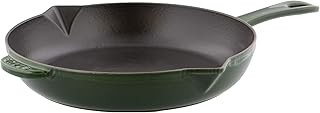
Staub 10-Inch Cast Iron Fry Pan
Ridged bottom promotes searing and fat drainage
Buy on Amazon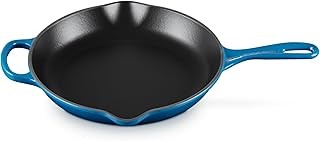
Le Creuset Signature Enameled Cast Iron Skillet 10.25"
Enameled interior , no seasoning required, non-reactive with acidic foods
Buy on Amazon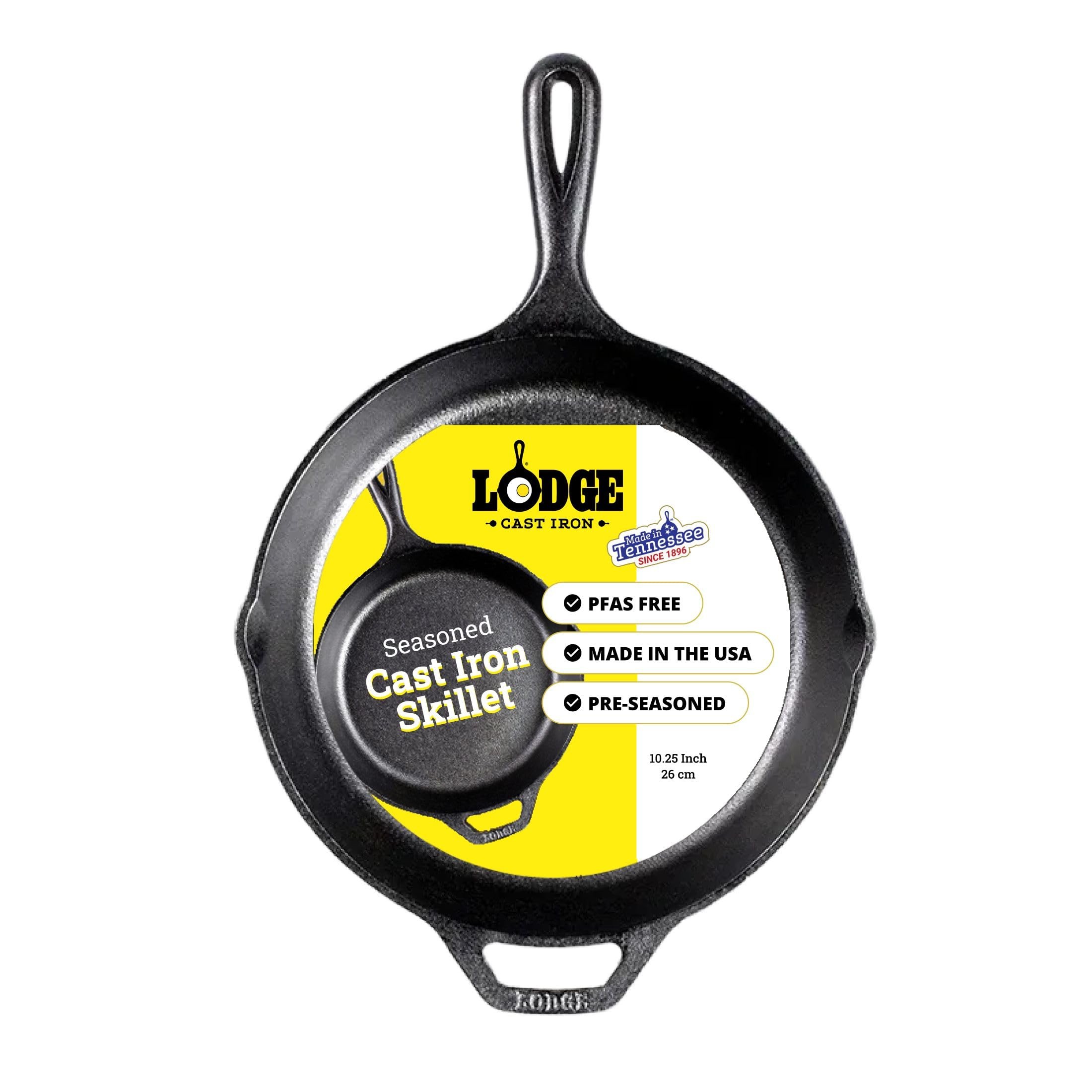
Lodge 12-Inch Cast Iron Skillet
Pre-seasoned and ready to use out of the box
Buy on Amazon| Product | Price Range | Top Strength | Key Weakness | Buy |
|---|---|---|---|---|
| Staub 10-Inch Cast Iron Fry Pan best overall | $$$ | Ridged bottom promotes searing and fat drainage | Dark interior makes it harder to judge caramelization and fond color | Buy on Amazon |
| Le Creuset Signature Enameled Cast Iron Skillet 10.25" also consider | $$$ | Enameled interior , no seasoning required, non-reactive with acidic foods | Significantly more expensive than bare cast iron alternatives | Buy on Amazon |
| Lodge 12-Inch Cast Iron Skillet also consider | $ | Pre-seasoned and ready to use out of the box | Heavy at 8 lbs , awkward for one-handed flipping | Buy on Amazon |
| Lodge Enameled Cast Iron Dutch Oven 6-Quart also consider | $$ | Enameled interior , no seasoning required, dishwasher safe | Enamel quality not as refined as Le Creuset , more prone to chipping over time | Buy on Amazon |
The Staub cast iron fry pan gets recommended constantly, and for the most part, deservedly so. But “Staub vs. Le Creuset” is a real question with a real answer, and the answer depends on one specific thing that most reviews gloss over. I’ve cooked with both. I’ll tell you which one I’d buy again and why the Lodge options deserve more than a token mention at the bottom of the list.
If you’re still orienting yourself in the Cast Iron category, that hub covers the broader landscape. This article is narrower: four specific pans, direct comparisons, and a clear recommendation.
What to Look For in a Cast Iron Fry Pan
Interior Finish
Bare cast iron and enameled cast iron are different tools with different tradeoffs, and conflating them is the source of most buyer regret.
Bare cast iron is reactive. Acid breaks down seasoning and picks up metallic flavor until the seasoning is well established. It requires some maintenance. In return, it gets genuinely hot, builds character over time, and will outlast everything else in your kitchen. The Lodge 12-Inch Cast Iron Skillet is the reference point here.
Enameled cast iron gives you the thermal mass without the reactivity. You can braise tomatoes, deglaze with wine, and drop the pan in the dishwasher. The tradeoff is cost and some attention to enamel care.
Within enameled pans, interior color matters more than most people realize. Le Creuset’s lighter sand-colored interior lets you watch fond develop and catch caramelization before it tips into burning. Staub’s matte black interior does not. That’s not a flaw in the Staub, but it changes how you cook with it.
Weight and Handle Design
Cast iron is heavy. The Lodge 12-Inch Cast Iron Skillet runs around 8 pounds, which is manageable two-handed on a stovetop but awkward when you’re trying to tilt it toward the light to check fond color. (I have done this more than I’d like to admit.) Enameled pieces from Le Creuset are often cited as lighter than bare cast iron of comparable size, which is accurate at the margins but won’t save your wrist if you’re filling the pan.
Handle length and the presence of a helper handle both matter on a 12-inch skillet. Most full-size pans have them. Most 10-inch pans don’t, which is worth knowing before you order.
Oven Temperature Rating
Most home cooking happens well under 450°F, so the Staub 10-Inch Cast Iron Fry Pan’s 900°F oven rating is not the selling point Staub implies it is. It matters for very specific applications, like finishing a steak in a screaming-hot oven or broiling. If that’s part of your regular rotation, it’s a real advantage. If not, it’s a specification to note and move on from.
Top Picks
Staub 10-Inch Cast Iron Fry Pan
The Staub 10-Inch Cast Iron Fry Pan is a premium piece at premium pricing. The matte black enamel interior is more forgiving than Le Creuset’s lighter surface in one specific way: discoloration and staining are effectively invisible. After a year of regular use, a Le Creuset interior shows its history. The Staub doesn’t.
The ridged bottom promotes searing and some fat drainage, which is a real functional difference from a flat-bottomed pan. Whether that matters depends on what you’re cooking. For chicken thighs or pork chops where you want some lift off the fat, it’s genuinely useful. For eggs or anything delicate, I’d want a flat bottom.
The 900°F oven-safe rating is the highest in this class. The matte black interior is the tradeoff: you will need to develop some instinct for timing, because you cannot see caramelization developing the way you can in a Le Creuset. If you’ve cooked on bare cast iron for years, this won’t feel like an adjustment. If you’re coming from stainless (I cooked on All-Clad D3 for about eight years before switching to cast iron) the learning curve is real.
The other practical limitation: no pour spout on the rim. If you’re deglazing and want to pour off the liquid, you’ll manage, but it’s messier than it needs to be. Le Creuset puts spouts on their skillets. Staub doesn’t on this model, and you will notice it.
Best for: Buyers who want the highest heat tolerance in the class, prefer the matte black enamel for low-maintenance appearance, and cook primarily high-heat sears where fond visibility is less critical.
Le Creuset Signature Enameled Cast Iron Skillet 10.25”
The Le Creuset Signature Enameled Cast Iron Skillet costs more than the Staub. That’s the first thing to say. It is the most expensive option in this roundup by a meaningful margin.
What you get for that price: the lighter sand-colored interior that lets you watch a fond build from pale gold to deep brown without guessing. Chip-resistant enamel that, based on my experience, genuinely holds up to years of daily use. A lifetime warranty that Le Creuset actually honors. Pour spouts on both sides of the rim.
The enamel can chip if you drop it on a hard floor or subject it to thermal shock (cold water into a hot pan, for instance). That’s true of all enameled cast iron, Le Creuset included. The chip resistance is better than most, but it’s not indestructible.
If you’re already familiar with Le Creuset’s Dutch oven line, the Williams Sonoma Le Creuset Dutch Oven covers some of the same design philosophy at the pot level. The skillet behaves consistently with that: excellent heat distribution, long-term durability, and the assumption that you’re buying it once.
Best for: Buyers who want maximum visibility while cooking, plan to use the pan for acidic foods regularly, and are buying with a multi-decade horizon in mind.
Lodge 12-Inch Cast Iron Skillet
The Lodge 12-Inch Cast Iron Skillet is in the budget category and is not pretending to be anything else. Pre-seasoned, works on every heat source including induction and campfire, and essentially indestructible with basic care.
The comparison to Le Creuset on a cost-per-decade basis is worth making explicitly. The Lodge costs roughly one-tenth the price of a Le Creuset skillet. If both last 30 years (and both will, treated reasonably), the Lodge is not a compromise. It’s a different product with different characteristics.
Those characteristics include reactivity with acidic foods until seasoning builds up, weight that requires two hands on a full 12-inch pan, and a cooking surface that rewards regular use. The more you cook with bare cast iron, the better it performs. It is the opposite of a pan you use occasionally.
At 8 pounds, the Lodge is the heaviest option here. If that’s a concern, the 10-inch version exists, but I’d look at the 12-inch for primary cooking use. Versatility matters more at that size.
Best for: Buyers who want a first cast iron pan, are comfortable with some maintenance, and would rather not spend premium prices before knowing whether cast iron fits their cooking style.
Lodge Enameled Cast Iron Dutch Oven 6-Quart
The Lodge Enameled Cast Iron Dutch Oven 6-Quart is mid-range pricing and fills a specific gap: enameled performance without the Le Creuset price. The thermal mass is the same as bare Lodge. No seasoning required, dishwasher safe, available in multiple colors.
The enamel quality is the honest limitation. Over time, Lodge’s enamel chips and stains more readily than Le Creuset’s. The lighter interior shows staining that a darker enamel wouldn’t. These are real differences, not imagined ones.
But if you want an enameled Dutch oven for braising and slow cooking and you’re not ready to commit to Le Creuset pricing, the Lodge fills that role adequately. I’d consider it a five-to-ten-year pan rather than a generational one, which is a different category and a reasonable purchase for what it costs.
For buyers looking at enameled pieces more broadly, our coverage of the enameled cast iron baking dish goes into more detail on enamel care and what to expect from the material over time.
Best for: Buyers who want the ease of enameled cast iron at mid-range pricing and accept that it won’t outlast a Le Creuset.
How to Choose
The Staub vs. Le Creuset question comes down to interior color. If you are the kind of cook who watches the pan, judges doneness by appearance, and uses acidic ingredients regularly, the Le Creuset’s lighter interior is a functional advantage. If you cook primarily high-heat proteins, prefer low-maintenance appearance, and want the highest oven rating in the class, the Staub is the better pick.
Both are premium purchases. Neither is wrong.
If you’re buying your first cast iron pan, the bare Lodge is the honest recommendation. Use it for a year. If you find yourself reaching for it constantly, the investment in an enameled premium piece makes more sense. If it sits in the cabinet, you’ll have lost very little.
For buyers who want enamel without the premium price, the Lodge Dutch Oven is the middle path. Manage your expectations on longevity and you’ll be fine.
One practical note on format: if you find yourself wanting to braise in the same pan you sear in, a skillet with taller walls or a Dutch oven handles that better than a standard fry pan. The enameled cast iron griddle is worth looking at if you cook for more than two people regularly and need surface area over depth.
Our broader cast iron cookware guide covers heat sources, seasoning specifics, and what to expect from each finish type over time, if you want more background before deciding.
Frequently Asked Questions
Is the Staub fry pan better than Le Creuset?
For high-heat searing and oven finishing, the Staub has a slight edge on maximum heat tolerance (900°F vs. Le Creuset’s rated limit). For visibility while cooking and use with acidic foods, Le Creuset’s lighter interior is more practical. Neither is objectively better. Your cooking style determines which one is the right pan for your kitchen.
Do Staub and Le Creuset enameled pans require seasoning?
No. The enamel coating on both brands is non-reactive and does not require seasoning. That’s the primary practical advantage of enameled cast iron over bare cast iron. Basic care applies: avoid thermal shock, avoid metal utensils that can scratch the enamel, and follow the manufacturer’s cleaning guidelines.
How does the Lodge cast iron skillet compare to Staub on a budget?
The Lodge bare cast iron skillet is in the budget category, while Staub is premium pricing. They are not directly comparable products: Lodge is bare cast iron requiring seasoning maintenance, Staub is enameled and maintenance-free in that regard. For a first cast iron purchase, Lodge is the better starting point. For buyers who want enameled cast iron with no seasoning requirement, Lodge’s enameled Dutch oven is the mid-range alternative.
Can I use a Staub or Le Creuset skillet on an induction cooktop?
Yes. Both Staub and Le Creuset enameled cast iron pans work on induction cooktops. The Lodge bare cast iron skillet also works on induction. Cast iron is generally one of the most induction-compatible materials available, and none of the pans in this roundup have compatibility issues.
Is enameled cast iron worth the price over bare cast iron?
For cooks who use acidic ingredients frequently, want dishwasher compatibility, or prefer not to maintain a seasoning layer, yes. For cooks who primarily use their cast iron for high-heat searing and are comfortable with basic seasoning maintenance, bare cast iron performs just as well at significantly lower cost. The Le Creuset lifetime warranty does change the long-term math if you plan to use the pan daily for decades. Check current pricing on Amazon for each option before deciding.
Frequently Asked Questions
What makes the Staub cast iron fry pan different from other cast iron skillets?
The Staub cast iron fry pan uses an enameled matte black interior rather than bare seasoned cast iron. This means no reactivity with acidic foods, no required seasoning routine, and a surface that develops a natural patina over time. The ridged bottom also promotes fat drainage and searing contact in a way a smooth surface doesn't.
How does the Staub cast iron fry pan compare to Le Creuset's signature skillet?
The primary difference is interior color: Staub uses a dark matte black enamel, while Le Creuset uses a lighter interior that makes it easier to monitor fond color during searing. Both are enameled cast iron with lifetime warranties. Le Creuset is typically priced higher; the Staub is more forgiving of staining and discoloration over time.
Is the Staub cast iron fry pan dishwasher safe?
Technically yes, but hand-washing is strongly recommended. Repeated dishwasher cycles can dull the enamel finish and shorten the life of the pan. Warm soapy water and a soft brush handle almost everything a cast iron fry pan encounters.
Can the Staub cast iron fry pan replace a bare Lodge skillet?
For most everyday cooking, yes. The enameled Staub offers similar thermal mass and searing capability without the seasoning maintenance that bare cast iron requires. The Lodge 12-inch bare skillet is heavier, less expensive, and runs hotter at the extremes — but for general searing and stovetop-to-oven cooking, the Staub is the more versatile daily tool.
What size Staub cast iron fry pan is best for a household of two to four?
The 10-inch Staub cast iron fry pan is the most practical size for two to four people — large enough to sear four chicken thighs or a two-pound steak, small enough to handle on a standard burner without crowding the cooktop.
Where to Buy
Staub 10-Inch Cast Iron Fry PanSee Staub 10-Inch Cast Iron Fry Pan on Amazon