Staub Dutch Oven 5.5 Qt: Worth the Premium Price?

Affiliate disclosure: Some links on this page are affiliate links. If you buy through them we earn a small commission at no extra cost to you. Recommendations are research-driven; we don't claim personal use of every product reviewed. Product prices and availability are accurate as of the date published and are subject to change. Always check Amazon for current pricing before purchasing. Learn more.

Quick Picks
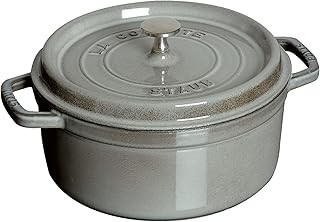
Staub 5.5-Quart Round Cocotte
Self-basting spikes on the lid return moisture back to the food
Buy on Amazon
Le Creuset 5.5-Quart Round Dutch Oven
Even heat distribution eliminates hot spots for slow braises
Buy on Amazon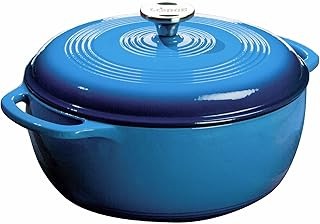
Lodge Enameled Cast Iron Dutch Oven 6-Quart
Enameled interior , no seasoning required, dishwasher safe
Buy on Amazon| Product | Price Range | Top Strength | Key Weakness | Buy |
|---|---|---|---|---|
| Staub 5.5-Quart Round Cocotte best overall | $$$ | Self-basting spikes on the lid return moisture back to the food | Dark interior makes it harder to monitor fond development | Buy on Amazon |
| Le Creuset 5.5-Quart Round Dutch Oven also consider | $$$ | Even heat distribution eliminates hot spots for slow braises | Over $300 at full retail , a significant investment | Buy on Amazon |
| Lodge Enameled Cast Iron Dutch Oven 6-Quart also consider | $$ | Enameled interior , no seasoning required, dishwasher safe | Enamel quality not as refined as Le Creuset , more prone to chipping over time | Buy on Amazon |
| Cuisinart Chef's Classic Enameled Cast Iron 5-Quart Dutch Oven also consider | $$ | Enameled interior at under $100 , significantly cheaper than Le Creuset | Enamel quality noticeably thinner than Le Creuset or Staub | Buy on Amazon |
| Emile Henry 5.5-Quart Flame Dutch Oven also consider | $$$ | Made from Burgundy clay , lighter than cast iron, excellent heat retention | Not suitable for high-heat searing , clay is best for low-and-slow | Buy on Amazon |
The 5.5-quart Dutch oven is the workhorse size for most households. Big enough for a whole chicken, a four-pound braise, or two loaves of no-knead bread baked back to back. Small enough that you’re not wrestling a ten-pound vessel every Tuesday night. If you cook for two to four people with any regularity, this is the size that earns permanent real estate on the stovetop. The question isn’t whether a 5.5-quart enameled cast iron Dutch oven belongs in your kitchen. The question is which one, and whether the premium price on the Staub or Le Creuset is actually justified compared to what Lodge and Cuisinart are selling for significantly less. I’ve cooked with several of these and have opinions.
For broader context on cast iron cookware before you commit to any Dutch oven, the Cast Iron hub on this site covers the category thoroughly.
What to Look For
Lid Fit and Moisture Retention
This matters more than most buyers realize before they’ve botched a four-hour braise by losing steam. A tight lid isn’t optional. Loose lids let moisture escape, which means your braising liquid reduces too fast and your proteins dry out before they’re tender. Test this mentally: if you’re making short ribs or a chicken braise on a Wednesday night and checking at the two-hour mark, you want to lift that lid and find a pot that’s been managing itself.
The Staub design addresses this differently than competitors. The lid has cast spikes on the underside that collect condensed steam and return it directly to the food. Le Creuset traps moisture with a tight-fitting flat lid. Both approaches work. The Staub method is more active about it.
Interior Color and Fond Visibility
Cast iron purists often prefer bare iron, and there’s a reason. You can see fond developing in real time. With enameled Dutch ovens, the interior color matters more than most product descriptions acknowledge. Light-colored interiors (cream, tan) let you see fond forming when you sear meat before braising. Dark interiors do not. The Staub 5.5-Quart Round Cocotte has a black matte interior. Useful for many things, genuinely harder for monitoring sear progress.
Thermal Mass and Heat Retention
Heavier construction holds heat longer after the burner goes off or the oven door opens. For bread baking this matters a great deal. For stovetop braising it matters moderately. For quick weeknight cooking, extra mass is mostly just extra weight to lift.
Enamel Quality
Not all enamel is equal. Premium brands fuse thicker enamel at higher temperatures. Budget brands use thinner coatings that chip more easily, especially around rims and at the lid edge. A chip in enamel is a cosmetic problem at first. Over time, exposed cast iron rusts and the damage spreads. If you’re buying for a decade of use, enamel quality compounds.
Top Picks
Staub 5.5-Quart Round Cocotte
My pick. Not because it’s fashionable or because the matte black looks dramatic on the shelf, though it does. Because the lid engineering is better for the kind of cooking where a Dutch oven actually earns its keep.
The self-basting spikes on the Staub 5.5-Quart Round Cocotte are a practical feature, not a marketing feature. When you’re braising at low heat for three hours, moisture condenses on the lid and those spikes direct it back over the food in a distribution pattern rather than letting it pool and drip at one point. The result is meat that bastes itself. I’ve compared braises done in the Staub against the same recipe in my old All-Clad braiser and the difference in final moisture retention is noticeable.
The black matte enamel interior develops a natural patina over time, similar in behavior to seasoned bare cast iron. It becomes increasingly nonstick with use, and it’s durable. The trade-off is real: you cannot see your fond as clearly as you can in a Le Creuset with the light sand interior. My workaround is to sear proteins in a separate stainless skillet before transferring to the Staub for the long braise. (I realize that’s an extra pan, which not everyone wants.)
The Staub also runs slightly heavier than the Le Creuset at this size. Better heat retention, marginally more awkward if you have wrist or grip issues.
Price is premium. Check current price on Amazon, but expect it to be comparable to the Le Creuset. This is not a budget decision.
Le Creuset 5.5-Quart Round Dutch Oven
The most widely reviewed Dutch oven on the market for a reason. The Le Creuset 5.5-Quart Round Dutch Oven has been in continuous production long enough that there are people cooking with pots their grandmothers bought. The lifetime warranty is not marketing language. Le Creuset honors it, and a pot that lasts forty years changes the arithmetic on what premium pricing actually costs per use.
Even heat distribution is where it earns its reputation. No hot spots, no scorching edges. For no-knead bread specifically, the Le Creuset is one of the best vessels on the market. The tight lid traps steam during the first bake phase, giving you the crust development you’d otherwise only get in a professional oven. If you bake bread more than you braise meat, the Le Creuset’s light interior is a real advantage for monitoring crust color and caramelization.
The available colorways are numerous enough to matter if you care about kitchen aesthetics. My advice would be to ignore the color considerations entirely and focus on the cooking performance, but I appreciate that’s not everyone’s priority.
The full retail price is at the high end of premium. If that’s a barrier, check whether current Amazon pricing reflects any discounts before deciding it’s out of reach.
Lodge Enameled Cast Iron Dutch Oven 6-Quart
The honest middle-ground option. The Lodge Enameled Cast Iron Dutch Oven 6-Quart delivers the same thermal mass as the bare Lodge cast iron that’s been in American kitchens for over a century, in an enameled package that requires no seasoning and tolerates the dishwasher.
At roughly half the price of the Le Creuset, it’s the pick for a buyer who wants enameled cast iron without the premium investment. The trade-offs are real and worth naming plainly. The enamel is thinner and more susceptible to chipping with rough handling. The lighter porcelain shows staining more readily. Over a decade of regular use, a Lodge enameled pot will look significantly more worn than a Le Creuset or Staub bought the same year.
The Lodge is one quart larger than the 5.5-quart options here, which matters if you’re cooking for more than four people or want room for larger cuts. For the enameled cast iron baking dish application where you’re roasting vegetables or doing a sheet-style braise, the extra volume is useful.
If you cook Dutch oven meals twice a month and aren’t looking for a generational purchase, the Lodge is a reasonable choice at mid-range pricing.
Cuisinart Chef’s Classic Enameled Cast Iron 5-Quart Dutch Oven
The Cuisinart Chef’s Classic Enameled Cast Iron 5-Quart Dutch Oven is a budget-category option that performs adequately for occasional use. The wide, flat base distributes heat well across a standard burner, and the porcelain enamel interior is non-reactive and easy to clean. Oven-safe to 500°F, which covers most home cooking applications.
The enamel quality is noticeably thinner than Staub or Le Creuset. Lid fit is imprecise enough that some steam escapes during long braises, which undercuts the core reason to use a Dutch oven in the first place. These are not hypothetical concerns. They show up in regular use.
Buy this if you’re testing whether Dutch oven cooking fits your actual habits before committing to a premium price. Don’t buy it as a permanent solution expecting it to perform at the level of the Staub or Le Creuset. It won’t.
Emile Henry 5.5-Quart Flame Dutch Oven
A different construction category entirely. The Emile Henry 5.5-Quart Flame Dutch Oven is made from Burgundy clay, not cast iron, which makes it significantly lighter than every other option on this list. If lifting a heavy cast iron vessel is a physical concern, the Emile Henry is worth serious consideration.
The glazed interior is highly scratch-resistant and the clay body handles thermal transitions well. Freezer to oven without risk, which is useful for anyone who preps and freezes ahead. For low-and-slow cooking, it performs excellently. The heat retention from the clay body is comparable to cast iron for extended braises.
The limitation is searing. Clay is not appropriate for high-heat searing, so if your process requires browning proteins in the same vessel before braising, this isn’t your pot. Use a separate skillet for the sear, then transfer. The Emile Henry’s Burgundy clay heritage also makes it a natural companion to the Emile Henry tagine approach to low-and-slow cooking.
Premium pricing, lighter construction, specialized application. For the right cook, it’s the right tool.
How to Choose
If you braise regularly and want one pot to do it at the highest level for the next twenty years, the Staub is the pick. The lid engineering is better for long, covered cooking and the patina interior improves with use.
If you bake bread in your Dutch oven and want the light interior for visual monitoring, the Le Creuset is the better choice. The lifetime warranty is real and the even heat distribution is as good as cast iron gets.
If you want enameled cast iron without the premium price and understand you’re making a trade-off on enamel longevity, the Lodge is honest value at mid-range pricing.
If you have grip or wrist limitations, or your cooking runs predominantly toward slow braises and stews with no high-heat requirements, look seriously at the Emile Henry before defaulting to cast iron.
The Cuisinart is for testing the category before committing. Nothing more.
Whatever you choose, cast iron cookware of any type rewards patience. These pots improve with use, and they outlast the trends. More on maintaining and choosing cast iron in the cast iron cookware section of this site.
One additional consideration: if your Dutch oven use extends to stovetop griddle cooking or flat-surface baking, the enameled cast iron griddle handles those tasks in the same material family and pairs well with any of the pots here.
Frequently Asked Questions
Is the Staub 5.5-quart worth the premium price over Lodge?
For regular use, yes. The enamel on the Staub is substantially better quality, meaning it will look and perform better after five or ten years. The self-basting lid design makes a measurable difference in braise quality. If you cook with a Dutch oven weekly, the Staub’s performance and durability justify the price gap. If you cook with it monthly or less, the Lodge is adequate and the Lodge’s mid-range price reflects that use case honestly.
What is the difference between Staub and Le Creuset at 5.5 quarts?
Two meaningful differences. First, the lid. Staub uses cast spikes on the underside to redirect condensed steam back over the food. Le Creuset uses a tight-fitting flat lid that traps moisture without active redistribution. Second, the interior. Staub’s black matte enamel is harder to see fond development in but develops a patina that improves with use. Le Creuset’s light sand interior shows fond clearly, which matters for bread baking and searing in the same vessel. Both are premium products at comparable pricing.
Can I use a 5.5-quart Dutch oven for bread baking?
Yes. The 5.5-quart is the standard size recommended for most no-knead bread recipes. The enclosed environment traps steam during the first bake phase, replicating professional deck oven conditions. Le Creuset’s light interior makes it slightly easier to monitor color development through the bake, though the Staub performs the thermal function equally well. If you’re primarily a bread baker, the Le Creuset’s visual advantage is worth considering.
How do I prevent enamel chipping on a Dutch oven?
Avoid metal utensils against the interior. Avoid thermal shock, meaning don’t put a cold pot directly onto high heat or plunge a hot pot into cold water. The rim is the most vulnerable area; stack pots carefully if they share cabinet space. Premium enamel (Staub, Le Creuset) tolerates more abuse than budget enamel (Cuisinart, and to a lesser extent Lodge) before showing damage, but the same basic habits apply across all brands.
Is 5.5 quarts the right size for a family of four?
For most applications, yes. A 5.5-quart pot comfortably handles a whole chicken, a three- to four-pound bone-in braise, or a full pot of soup or stew for four with leftovers. If you regularly cook for six or more, or if your recipes routinely include large bone-in cuts that need room to sit submerged, look at the 7-quart size. For a household of two to four where the Dutch oven handles weeknight and weekend cooking, 5.5 quarts is the right starting point.
Frequently Asked Questions
Is the Staub 5.5 qt Dutch oven worth the premium over Lodge and Cuisinart?
For cooks who braise regularly and want a piece that holds up for decades, yes. The self-basting lid design, enamel quality, and long-term durability justify the price difference over Lodge and Cuisinart. If you cook casually or just need a Dutch oven for occasional soups and stews, the Lodge enameled 6-quart at a fraction of the price is a rational choice.
How does the Staub 5.5 qt differ from the Le Creuset 5.5 qt Dutch oven?
Both are premium enameled cast iron at similar price points. Staub's distinguishing features are the self-basting spikes on the lid interior and the matte black enamel surface that develops a patina. Le Creuset uses a smooth lid interior and a light cream enamel that makes it easier to see fond development. Neither is objectively better — they reflect different design priorities.
Can the Emile Henry Dutch oven replace a Staub for braising?
Not exactly — Emile Henry uses Burgundy clay rather than cast iron, which makes it lighter but unsuitable for high-heat stovetop searing. If your braise technique starts with a hard sear on the stovetop before moving to the oven, the Staub cast iron handles that transition; the Emile Henry is better suited to low-and-slow oven applications from the start.
Does the Staub 5.5 qt Dutch oven work on induction?
Yes — Staub enameled cast iron is fully induction-compatible. The cast iron base is magnetic, so no adapter is required regardless of cooktop type.
What foods is the Staub 5.5 qt Dutch oven best suited for?
The 5.5-quart is ideal for braised meats (short ribs, chicken, lamb), soups and stews for four to six people, no-knead bread, and one-pot pasta dishes. It's large enough for a whole chicken and small enough to manage on a standard stovetop burner.
Where to Buy
Staub 5.5-Quart Round CocotteSee Staub 5.5-Quart Round Cocotte on Amazon