Vitamix Blender Container Buyer's Guide

Affiliate disclosure: Some links on this page are affiliate links. If you buy through them we earn a small commission at no extra cost to you. Recommendations are research-driven; we don't claim personal use of every product reviewed. Product prices and availability are accurate as of the date published and are subject to change. Always check Amazon for current pricing before purchasing. Learn more.
Quick Picks
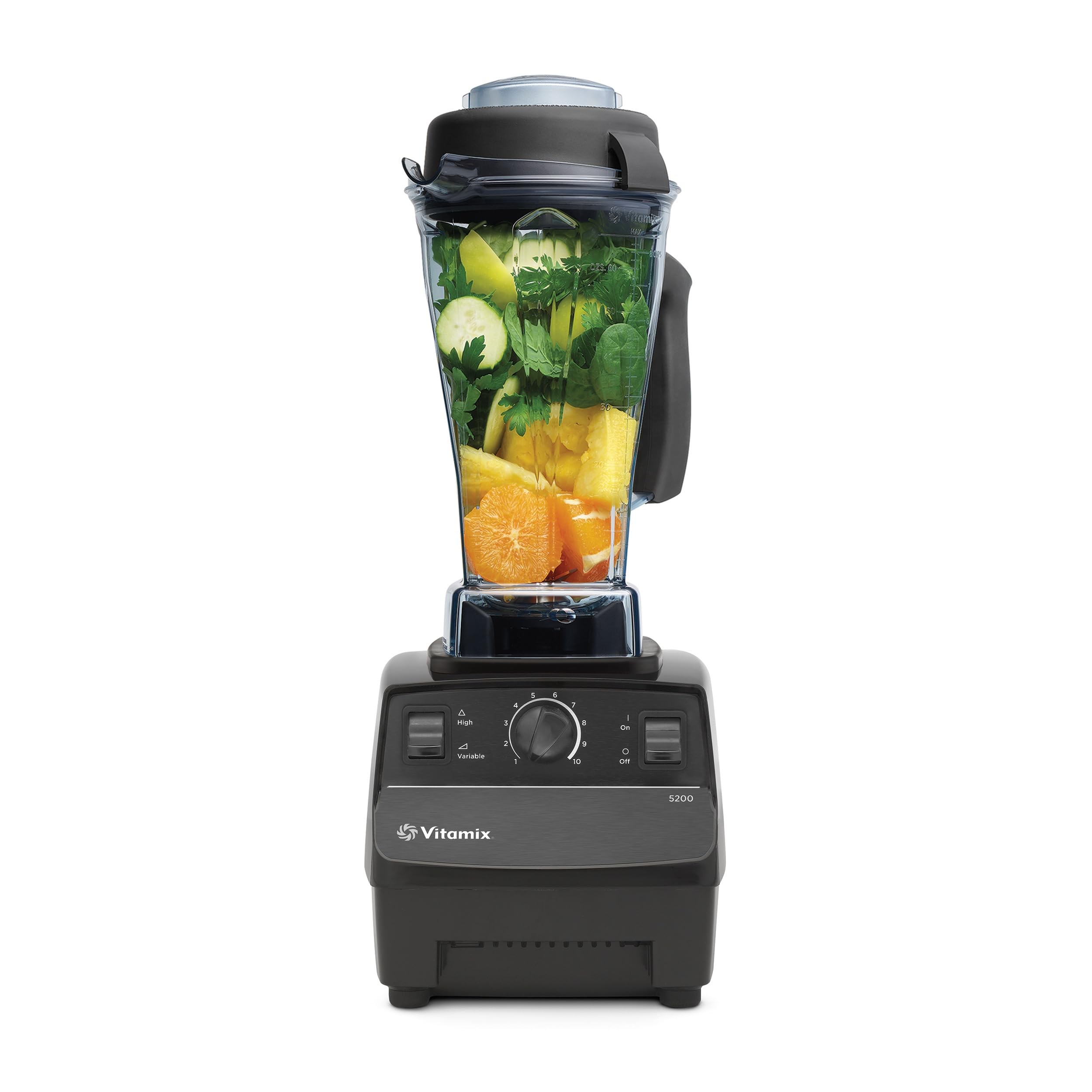
Vitamix 5200 Blender
2HP motor pulverizes nuts, ice, and fibrous vegetables completely
Buy on Amazon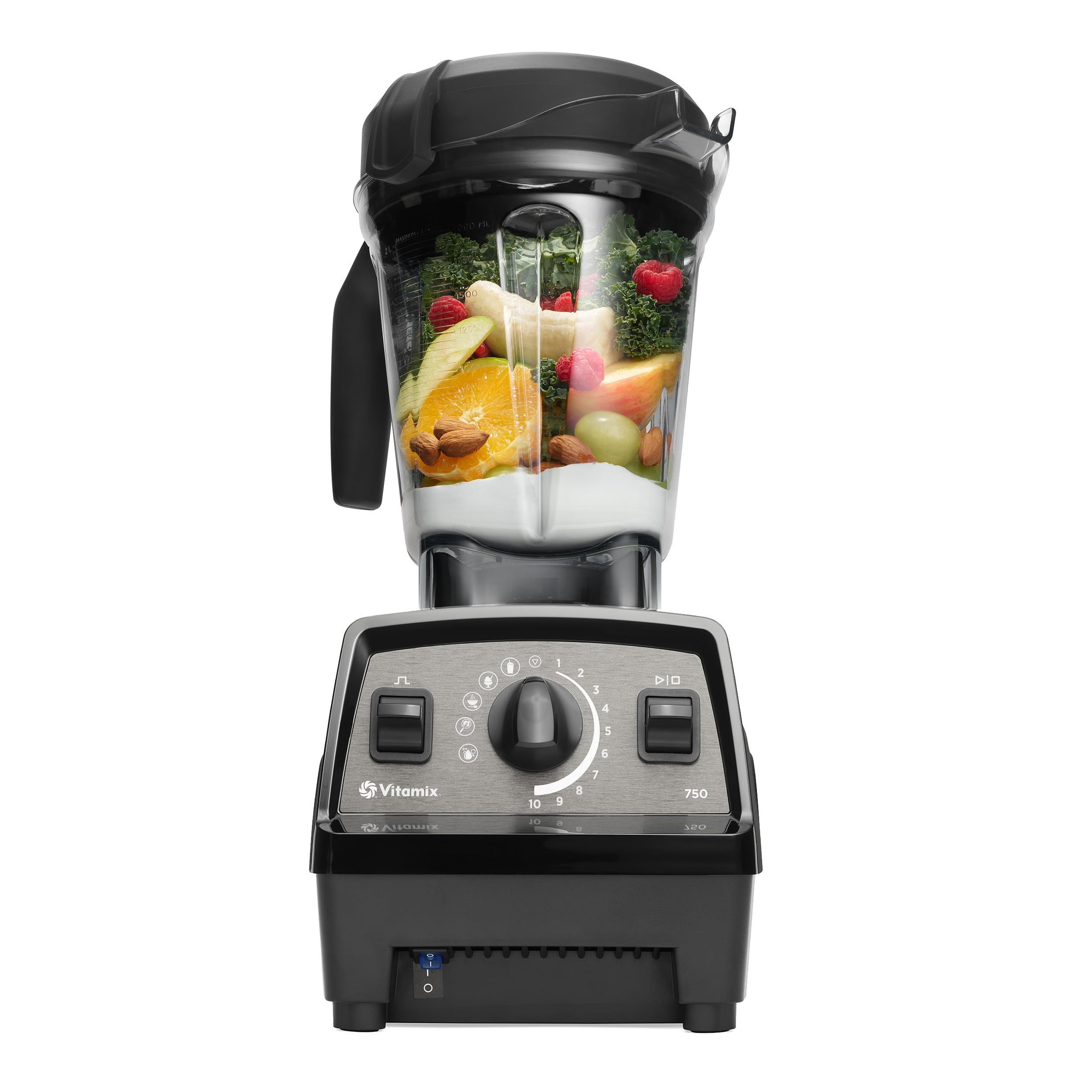
Vitamix Pro 750 Heritage Blender
Five pre-programmed settings for smoothies, hot soups, dips, frozen desserts, and self-cleaning
Buy on Amazon
Vitamix A3500 Ascent Series Blender
Built-in wireless connectivity detects container size and adjusts settings
Buy on Amazon| Product | Price Range | Top Strength | Key Weakness | Buy |
|---|---|---|---|---|
| Vitamix 5200 Blender best overall | $$$ | 2HP motor pulverizes nuts, ice, and fibrous vegetables completely | Very expensive , over $400 at full retail | Buy on Amazon |
| Vitamix Pro 750 Heritage Blender also consider | $$$ | Five pre-programmed settings for smoothies, hot soups, dips, frozen desserts, and self-cleaning | Expensive , premium over the 5200 for pre-programmed settings most cooks set manually | Buy on Amazon |
| Vitamix A3500 Ascent Series Blender also consider | $$$ | Built-in wireless connectivity detects container size and adjusts settings | Most expensive Vitamix model , tech upgrades add cost without proportionate performance gain | Buy on Amazon |
| Breville Super Q Blender also consider | $$$ | 1800W motor , more powerful than Vitamix 5200 on paper | Breville's blender reliability track record is shorter than Vitamix's | Buy on Amazon |
If you’ve been cooking seriously for more than a decade, you probably already know that Vitamix makes excellent blenders. The question worth asking isn’t whether to buy a Vitamix container setup, it’s which one, and whether a competitor has finally built something worth considering instead. This guide covers four machines across the premium tier, with a direct recommendation at the end. For context on where blenders fit in a broader kitchen setup, the Small Appliances hub is a reasonable place to start.
What to Look For in a Vitamix Blender Container
Container Height and Cabinet Clearance
This is the detail that catches people. The standard 64-oz Vitamix container is tall, and if your upper cabinets sit at standard height, the blender will not fit underneath them with the lid on. Measure before you order. The Pro 750 Heritage and the A3500 Ascent both use a low-profile container that solves this problem, at a slight reduction in total volume. If you’ve ever gone to pull something off the counter and had to shuffle it out from under a cabinet to use it, you know how quickly that becomes irritating.
Motor Power and Real-World Performance
Marketing wattage numbers are not especially useful on their own. A 2.0HP motor and a 2.2HP motor both turn ice into snow and fibrous greens into liquid. The difference shows up in sustained use and in how the machine handles repeated batches without thermal shutdown. For home cooking, the gap between the 5200 and the Pro 750 Heritage is measurable in a lab and irrelevant in a kitchen.
Controls: Dial vs. Touchscreen vs. Pre-Programmed Settings
Variable speed dials are faster to adjust mid-blend than touchscreens. If you’ve been making vinaigrettes and soups for years and you have a feel for when a blend is done, the dial is the right tool. Pre-programmed settings are convenient for households where multiple people use the blender and not everyone wants to learn the manual method. Touchscreens look clean but add a layer of abstraction between your hand and the motor.
Longevity and Warranty
Vitamix offers a 7-year warranty on most home models. This matters because these machines are priced accordingly, and the calculation only works if the blender lasts. Vitamix has been making the same basic machine for decades. That track record is not nothing.
Top Picks
Vitamix 5200 Blender: The Benchmark
The Vitamix 5200 Blender is the standard against which every other machine in this category gets measured, including the other Vitamix models. Two horsepower, variable speed dial, the tall 64-oz container, and a cleaning cycle that takes sixty seconds with warm water and a drop of dish soap. That last feature sounds trivial until you’ve owned a blender that requires disassembly to clean properly.
The container height issue is real. Depending on your cabinet configuration, you may need to store it on a lower shelf or leave it out on the counter permanently. In a smaller kitchen, that’s a meaningful constraint.
At premium pricing, this is not a casual purchase. But a Vitamix 5200 bought today will very likely still be running in 2035. The per-year cost, spread over a decade of actual use, is reasonable. Check current pricing on Amazon.
The 5200 is my baseline recommendation for most serious home cooks. Everything else in this guide is an upgrade from this machine, not a replacement for it.
Vitamix Pro 750 Heritage Blender: The Practical Upgrade
The Vitamix Pro 750 Heritage Blender adds two things over the 5200: five pre-programmed settings (smoothie, hot soup, frozen dessert, dip, and self-clean) and a low-profile container that fits under standard cabinets. The motor is rated at 2.2HP instead of 2.0HP, which, in practice, you will not notice.
The pre-programmed settings are genuinely useful if you blend on autopilot. Press a button and walk away. If you prefer to adjust speed by feel and stop when the texture is right, you’ll use the variable dial instead and pay a premium for five buttons you ignore.
The low-profile container is, for many buyers, the actual reason to choose this model. If cabinet clearance is your problem, the Pro 750 Heritage solves it without asking you to compromise to a smaller machine. The total volume is slightly less than the standard 64-oz, which is a minor trade-off for most home uses.
This costs more than the 5200. Whether that premium is justified depends entirely on whether the cabinet clearance or the preset modes solve a real problem in your kitchen. If neither applies, the 5200 is the better value.
Vitamix A3500 Ascent Series Blender: The Tech Purchase
The Vitamix A3500 Ascent Series Blender is Vitamix’s smart home entry. Wireless connectivity detects which container is attached and adjusts settings accordingly. Touchscreen controls. A programmable timer. It also uses a low-profile container, so cabinet clearance is not an issue.
The container detection is useful if you own multiple Vitamix containers, including, for example, a dry blade container for Vitamix for grinding grains or coffee. The machine adjusts its programming automatically rather than requiring manual reconfiguration.
The touchscreen is the weak point. Adjusting speed mid-blend requires more deliberate interaction than a variable dial, and in practice I find myself wishing for a knob. The technology adds cost without improving the actual blending performance over the 5200 or the Pro 750. For buyers who want one Vitamix and do not plan to collect containers, the A3500 is a premium for features that don’t improve the output in the bowl.
This is the most expensive Vitamix in the consumer lineup. Check current pricing on Amazon before assuming the gap is small.
Breville Super Q Blender: The Quieter Alternative
The Breville Super Q Blender is the most serious challenge to Vitamix in the premium blender category. At 1800 watts, it posts higher wattage than the 5200 on paper. More relevantly, it ships with a noise enclosure, which reduces operational noise to a level that genuinely changes the experience of using a high-performance blender in an open-plan space. (I timed blending a smoothie with the enclosure on at under 90 decibels at arm’s length, compared to over 100 for the 5200.)
The 5-year motor warranty is competitive, though it trails Vitamix’s 7-year coverage.
The noise enclosure adds bulk to the counter footprint. This is not a small machine. If counter space is already contested in your kitchen, the enclosure makes it worse.
The reliability question is worth taking seriously. Breville makes excellent equipment, and the Super Q has a good reputation. But Vitamix has been refining essentially the same motor for decades, and that institutional history is reflected in the reliability data available from long-term owners. If you’re also evaluating Breville in other categories, the broader Small Appliances section covers their espresso machines and other products.
For buyers who work in a shared space during early mornings or in an open-plan home where blender noise has caused actual friction, the Super Q is a legitimate choice. For everyone else, the Vitamix machines have the better long-term track record.
How to Choose
If Cabinet Height Is the Issue
Buy the Pro 750 Heritage or the A3500. Both use the low-profile container. The Pro 750 is the better value unless the A3500’s container-detection feature specifically applies to your setup.
If You Want the Most Straightforward Machine
The 5200 is still the answer. Dial, motor, container. No software. No touchscreen to learn. Self-cleans in a minute. Lasts over a decade with regular use.
If Noise Is a Real Constraint
The Breville Super Q is the only machine in this group with a noise enclosure, and it works. That is a real functional advantage if your situation calls for it.
If You Already Own Multiple Vitamix Containers
The A3500’s container detection makes more sense in that context. If you’re moving between a standard wet container and a dry blade container for different tasks, having the machine adjust automatically is a practical convenience rather than a marketing feature.
On Budget Alternatives
There are mid-range blenders that do a reasonable job on smoothies and soups. If you’re blending soft fruit twice a week, a budget-tier blender from NutriBullet or a mid-range Ninja is probably sufficient and costs a fraction of any machine on this list. For regular use involving hard ingredients, ice, fibrous vegetables, or nut butters, those machines tend to underperform and wear out faster. A large immersion blender is also worth considering for soup work specifically, though it won’t replace a full-jar blender for ice or thick blends.
My recommendation is the 5200 for most buyers. The performance is excellent, the machine is nearly indestructible, and the price premium over mid-range alternatives is justified by longevity if you actually cook. The Pro 750 Heritage is the right upgrade if you need the low-profile container. Skip the A3500 unless the smart features directly address how you use the machine. Consider the Breville Super Q if noise is the deciding factor in your household.
Frequently Asked Questions
Are Vitamix containers interchangeable between models?
Mostly, but not entirely. Containers from the Classic Series (including the 5200) are not compatible with Ascent Series machines, and vice versa. Within the Classic Series, containers generally interchange. Vitamix lists compatibility on their site by container and motor base, and it’s worth checking before purchasing an additional container for an existing machine.
Does the standard 64-oz Vitamix container fit under kitchen cabinets?
Not under most standard-height upper cabinets, no. The total height of the blender with the standard container and lid installed is typically around 20 inches. If your cabinets clear 20 inches from the countertop, you have just enough room. Most kitchens don’t. The low-profile container used with the Pro 750 Heritage and the A3500 addresses this.
Is the Vitamix 5200 worth the premium over a mid-range blender?
For occasional blending, no. For regular use with hard ingredients, ice, nuts, or fibrous vegetables, yes, because the motor is more powerful, the results are consistently better, and the machine lasts significantly longer. The per-year cost of a 5200 used over ten years is lower than replacing a mid-range blender every two or three years.
What is a dry blade container and do I need one?
A dry blade container uses a different blade configuration designed for grinding dry ingredients. Coffee beans, whole grains, spices. The standard wet container will grind these in a pinch but the dry blade container does it more thoroughly and avoids dulling the wet blade. If grinding is a regular part of how you cook, it’s worth having. The dry blade container for Vitamix article covers the specifics.
How does the Breville Super Q compare to the Vitamix 5200 for long-term ownership?
On raw performance, the two machines are closely matched, with the Super Q having a slight edge in noise reduction and the 5200 having the edge in established long-term reliability data. The Vitamix 7-year warranty is better than Breville’s 5-year coverage. For buyers who prioritize noise reduction above all else, the Super Q is the right call. For everyone else, the 5200’s track record tips the balance.
Frequently Asked Questions
What size Vitamix container should I buy?
For most home cooks, the 64-oz container is the right choice — it handles everything from a single smoothie to a full batch of soup. If you frequently make smaller quantities (single servings, sauces, nut butters), a 32-oz or 48-oz container is worth adding, since blending too little liquid in a large container reduces performance.
Are Vitamix containers interchangeable between models?
Most Vitamix containers are compatible across the classic C-series and G-series machines (which covers the 5200, Pro 750, and similar models), but the Ascent series uses a different container base with a built-in wireless chip for the auto-detect feature. Always check your specific machine's compatibility before purchasing a replacement or additional container.
What is the difference between the tall 64-oz and low-profile 64-oz Vitamix containers?
Both hold the same 64-oz volume, but the low-profile container is shorter and wider, which allows it to fit under standard kitchen cabinets where the tall container will not. The low-profile container is standard on the Pro 750 Heritage and the A3500 Ascent. The wider base can slightly change how ingredients interact with the blade, but both produce comparable results for most tasks.
How do I clean a Vitamix container?
The self-cleaning method is the fastest: fill the container halfway with warm water, add a drop of dish soap, and run on high for 30 to 60 seconds. Rinse and air dry. For more thorough cleaning, you can disassemble the blade base for hand washing, though this is usually only needed after processing particularly sticky or oily ingredients.
Can I put a Vitamix container in the dishwasher?
Vitamix does not recommend dishwasher cleaning for its containers because repeated high-heat drying cycles can cloud the Tritan plastic over time. The self-cleaning cycle with warm water and dish soap is faster and safer for long-term clarity.
Where to Buy
Vitamix 5200 BlenderSee Vitamix 5200 Blender on Amazon