Vitamix Commercial Blender: Home Performance Guide

Affiliate disclosure: Some links on this page are affiliate links. If you buy through them we earn a small commission at no extra cost to you. Recommendations are research-driven; we don't claim personal use of every product reviewed. Product prices and availability are accurate as of the date published and are subject to change. Always check Amazon for current pricing before purchasing. Learn more.
Quick Picks
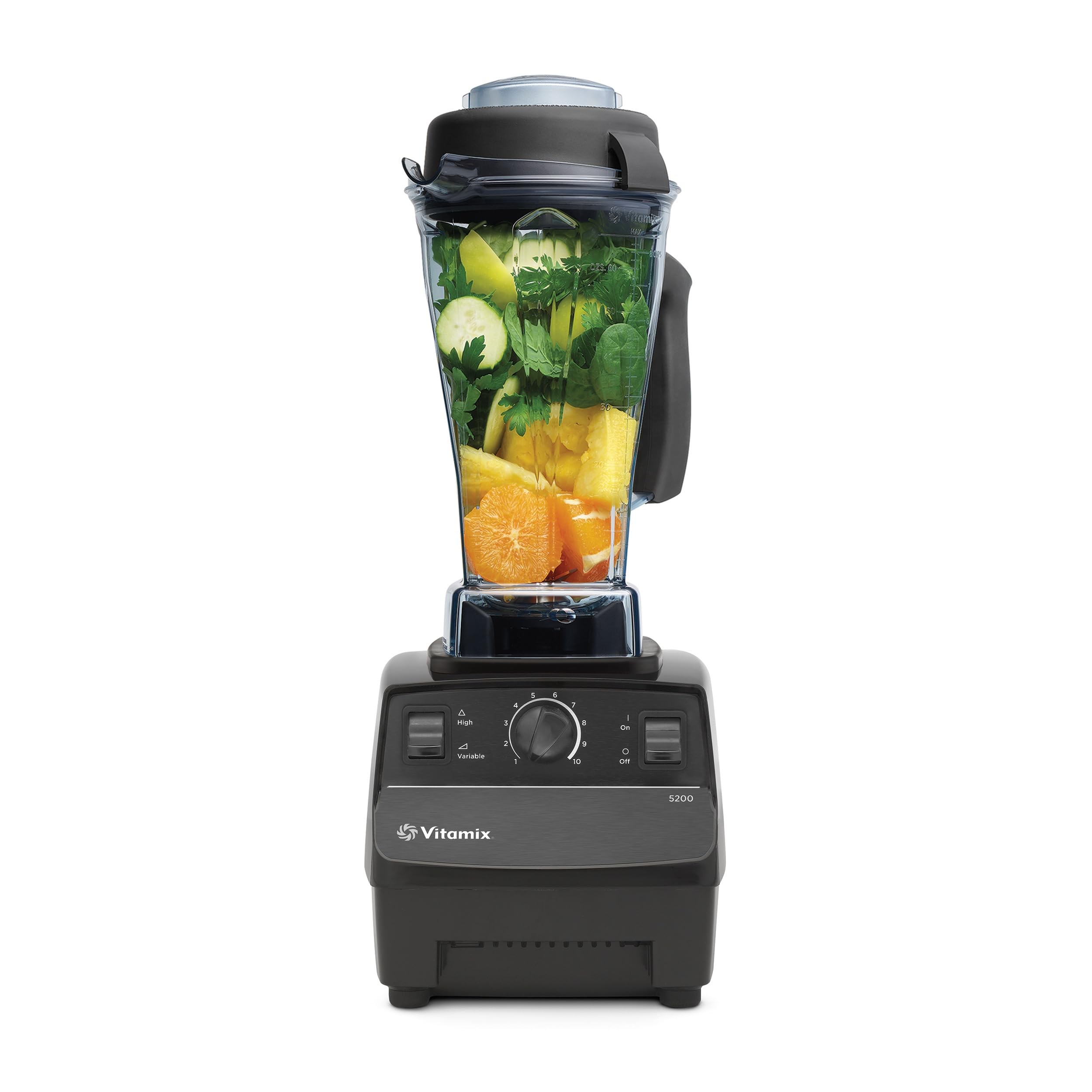
Vitamix 5200 Blender
2HP motor pulverizes nuts, ice, and fibrous vegetables completely
Buy on Amazon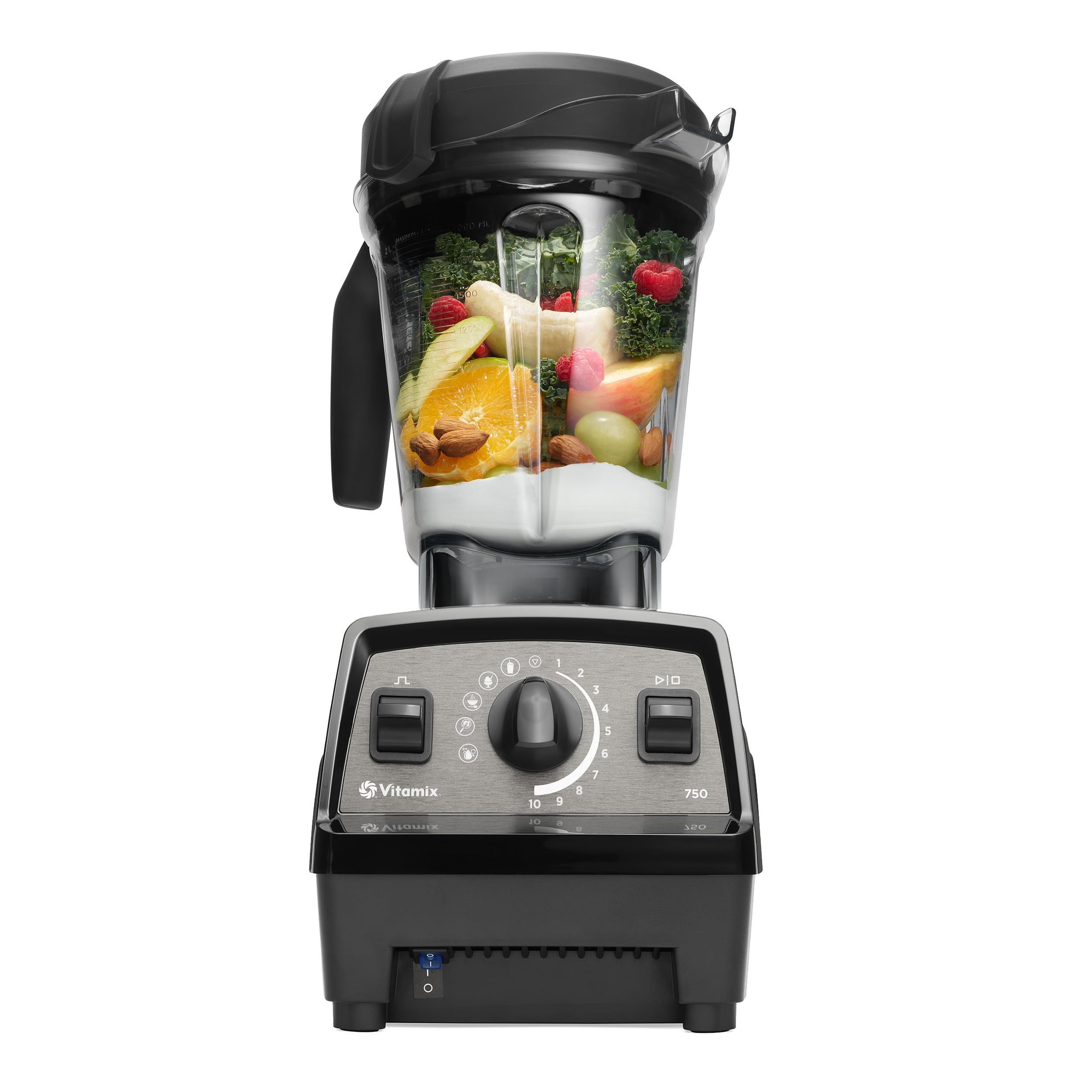
Vitamix Pro 750 Heritage Blender
Five pre-programmed settings for smoothies, hot soups, dips, frozen desserts, and self-cleaning
Buy on Amazon
Vitamix A3500 Ascent Series Blender
Built-in wireless connectivity detects container size and adjusts settings
Buy on Amazon| Product | Price Range | Top Strength | Key Weakness | Buy |
|---|---|---|---|---|
| Vitamix 5200 Blender best overall | $$$ | 2HP motor pulverizes nuts, ice, and fibrous vegetables completely | Very expensive , over $400 at full retail | Buy on Amazon |
| Vitamix Pro 750 Heritage Blender also consider | $$$ | Five pre-programmed settings for smoothies, hot soups, dips, frozen desserts, and self-cleaning | Expensive , premium over the 5200 for pre-programmed settings most cooks set manually | Buy on Amazon |
| Vitamix A3500 Ascent Series Blender also consider | $$$ | Built-in wireless connectivity detects container size and adjusts settings | Most expensive Vitamix model , tech upgrades add cost without proportionate performance gain | Buy on Amazon |
| Breville Super Q Blender also consider | $$$ | 1800W motor , more powerful than Vitamix 5200 on paper | Breville's blender reliability track record is shorter than Vitamix's | Buy on Amazon |
If you’ve ever stood at a blender for three minutes watching it fail to fully process a handful of raw almonds, you already understand why commercial-grade performance matters in a home kitchen. The machines in this category don’t just blend faster. They process completely, and the difference shows up in every bowl of nut butter, every hot soup, every smoothie without a single visible fleck of kale.
The phrase “vitamix commercial blender” gets searched constantly, but what most home cooks are actually looking for is commercial-level performance in a machine that lives on a residential counter. That’s a meaningful distinction. The Vitamix units covered here were designed for exactly that. So was one serious competitor.
For anyone still building out their small appliance setup, the Small Appliances hub is worth a look for context on where a high-performance blender fits relative to everything else on your counter.
What to Look For
Motor Power and What It Actually Means
Manufacturers measure motor power in horsepower or watts, and the numbers can mislead. A 2HP motor running at peak load is not the same as a 2HP motor rated for sustained output. Vitamix motors are rated for continuous duty, which is the same standard applied to commercial equipment. That matters when you’re running the machine for 90 seconds on frozen fruit or a full batch of hot soup.
The floor for serious home use is around 1400 to 1500 watts. Everything in this guide clears that comfortably.
Container Size and Cabinet Clearance
This is where a lot of buyers get surprised. The standard 64-ounce Vitamix container stands roughly 20 inches tall with the lid on. Most standard upper cabinets are mounted 18 inches above the counter. If you plan to leave your blender out, measure before you buy.
Several models now offer low-profile containers that solve this. The tradeoff is usually a few ounces of total capacity.
Controls and Whether Programmability Matters
Variable speed dials give you instant tactile feedback and adjustment mid-blend. Pre-programmed settings are convenient if you make the same things repeatedly, but they don’t add blending capability. A cook who makes soups and smoothies every morning might find pre-sets genuinely useful. A cook who does ten different things with the same machine may find a dial faster.
Noise
High-performance blenders are loud. Most run between 88 and 100 decibels at full speed. If you share a wall, have a sleeping child, or simply hate the noise, a noise enclosure is a real feature, not a marketing add-on.
Top Picks
Vitamix 5200 Blender
The Vitamix 5200 Blender is the benchmark. It has been the benchmark for a long time, and that status is earned rather than inherited.
The 2HP motor handles everything the category promises: nuts blended to butter without grit, ice crushed completely, fibrous vegetables processed smooth. The variable speed dial runs from 1 to 10, with enough gradation to move precisely between textures. Self-cleaning takes about 60 seconds with warm water and a drop of dish soap. I’ve done it hundreds of times and can confirm it’s not marketing copy.
The container is the standard 64-ounce tall design, which means cabinet clearance is a real consideration. If your upper cabinets sit at the standard 18 inches, the machine needs to live elsewhere or be moved each time.
On price: the 5200 sits firmly in the premium band and has for years. It is expensive. What justifies it is longevity. Vitamix machines routinely last a decade or more under serious use, and the 7-year warranty means you’re not absorbing repair costs in the early years. Amortized over ten years, the per-year cost looks considerably more reasonable than the upfront number.
For anyone who wants to expand what the 5200 can do, the dry blade container for Vitamix is worth knowing about. It opens up dry processing for grains and spices that the standard wet container isn’t designed for.
The 5200 is my baseline recommendation in this category. Everything else gets measured against it.
Vitamix Pro 750 Heritage Blender
The Vitamix Pro 750 Heritage Blender is the 5200 with two additions: a 2.2HP motor (a modest step up) and five pre-programmed settings covering smoothies, hot soups, dips, frozen desserts, and self-cleaning. It also ships with a low-profile container, which solves the cabinet clearance problem the 5200 creates.
The cabinet clearance point is not trivial. If you’ve rearranged your counter setup around a tall blender, the low-profile container is a legitimate quality-of-life improvement.
Whether the pre-programmed settings justify the price premium over the 5200 depends entirely on how you cook. The programs run timed cycles at specific speeds. If you make the same smoothie every morning and want to push one button and walk away, that’s useful. If you tend to adjust mid-blend based on what you’re hearing and seeing (which is, frankly, how most experienced cooks operate), the variable dial on the 5200 gives you more control, not less.
The Pro 750 costs more than the 5200. Not dramatically more, but the gap is real. For the low-profile container alone, some buyers will find it worth it. For the pre-programmed settings alone, most won’t.
Vitamix A3500 Ascent Series Blender
The Vitamix A3500 Ascent Series Blender is the most expensive Vitamix in this guide. It adds wireless container detection (the machine reads which container is attached and adjusts settings accordingly), a touchscreen interface, and a programmable timer.
The wireless connectivity is genuinely useful if you own multiple Vitamix containers and switch between them. The machine knowing it has the dry blade container versus the standard wet container is a real convenience. For cooks who own only one container, it’s irrelevant.
The touchscreen is where I have a specific complaint. (Which I realize may say more about my habits than the machine.) A variable dial can be adjusted in half a second without looking at it. A touchscreen requires you to locate the right area, confirm the press registered, and watch for feedback. During active cooking, that’s a slower interaction, not a faster one. The A3500 performs identically to the Pro 750 at the motor level. You’re paying the premium for the interface and the connectivity.
If smart home integration matters to you and you want your blender to fit that ecosystem, the A3500 makes sense. If you want the best blending performance per dollar spent, the 5200 or the Pro 750 gives you that and asks you to pay less for it.
Breville Super Q Blender
The Breville Super Q Blender is the main alternative for buyers who have decided a Vitamix isn’t the right answer.
On paper, its 1800W motor exceeds the 5200’s output. In practice, the blending results are comparable. Where the Super Q has a clear advantage is noise: the built-in noise enclosure genuinely reduces the decibel level to something approaching civilized. If you blend early in the morning or your kitchen is adjacent to a living space, this matters more than motor specifications.
The tradeoff is counter footprint. The noise enclosure adds bulk, and the machine takes up more horizontal space than the Vitamix units. If your counter is already tight, this is a real consideration.
The longer-term question is reliability. Vitamix has 30 years of data on how their machines hold up under sustained home use. Breville’s track record in the high-performance blender category is shorter. The Super Q comes with a 5-year motor warranty, which is among the best in the category and suggests Breville is confident enough in the hardware to back it up. But a warranty is a floor, not a ceiling.
If quiet operation is your primary concern, the Super Q earns its place. If you’re choosing primarily on long-term reliability and performance consistency, the Vitamix 5200 remains the stronger call.
For buyers comparing Breville across product categories, there’s useful context in the Breville vs. DeLonghi espresso machine comparison that gives a sense of where Breville’s engineering tends to be strongest.
How to Choose
Start with cabinet clearance. Measure the space between your counter and your upper cabinets. If it’s under 20 inches, you’re looking at the Pro 750 or the A3500, both of which ship with low-profile containers. The 5200’s container is a non-starter in that space unless you’re willing to store it separately.
If clearance isn’t an issue, the 5200 is the default answer for most buyers. It does everything the category promises, has a reliability track record that justifies the premium pricing, and the variable dial interface is faster in active use than any touchscreen equivalent. If you want to expand its capabilities down the line, the Vitamix Vita-Prep is worth understanding as a reference point for what the commercial Vitamix platform looks like at full specification.
The Pro 750 makes sense if the low-profile container is the deciding factor and you find the pre-programmed settings useful for your actual cooking habits, not hypothetical ones.
The A3500 makes sense if you own or plan to own multiple Vitamix containers and you value the container-detection feature. Otherwise, you’re paying for a touchscreen over a dial, and the dial is better for cooking.
The Breville Super Q makes sense if noise is a genuine daily problem and you’re willing to accept a shorter institutional track record in exchange for quieter operation and a strong warranty.
For context on how a high-performance blender compares to large immersion blender options in terms of practical kitchen use, that article is worth reading before you finalize. The two tools overlap less than people expect, but they’re often weighed against each other.
The full Small Appliances section has additional coverage if you’re outfitting a larger setup.
Frequently Asked Questions
Is a Vitamix actually worth the premium price for home use?
For serious home cooks who use a blender more than twice a week, yes. The motor is rated for continuous duty, which means it doesn’t degrade under sustained use the way consumer-grade motors do. These machines routinely run ten years or more before requiring service. Amortize the premium price over a decade and the annual cost is lower than replacing a mid-range blender every three to four years.
What is the difference between the Vitamix 5200 and the Pro 750?
Two things: the Pro 750 has a slightly more powerful 2.2HP motor (versus the 5200’s 2HP), and it ships with a low-profile container that fits under standard kitchen cabinets. The 5200’s tall container does not. The Pro 750 also adds five pre-programmed settings. The blending performance is comparable. The container and clearance difference is the more practically significant one for most kitchens.
Can a Vitamix replace a food processor?
Partially. A Vitamix handles smooth purees, soups, nut butters, and frozen desserts better than any food processor. It does not handle tasks that require controlled chopping, slicing, or grating. For rough chops, slaws, or shredded vegetables, a food processor is the right tool. Most serious home kitchens eventually have both.
How loud are these blenders, and does the Breville Super Q make a meaningful difference?
Standard high-performance blenders run between 88 and 100 decibels at full speed, which is roughly in the range of a lawn mower at close range. The Breville Super Q’s noise enclosure brings this down to approximately 69 to 75 decibels depending on the load, which is substantially more livable. If you blend in an open-plan space or early in the morning, that difference is noticeable. Check current price on Amazon for the Super Q if noise is your primary consideration.
Do Vitamix blenders work for hot soups, or is that a marketing claim?
They work. The motor generates enough friction to bring a blended liquid from room temperature to steaming over a 4 to 6 minute run at full speed. (I timed this with a 32-ounce batch of butternut squash puree.) The result is a genuinely hot soup from raw cooked ingredients without a separate heating step. It is not marketing copy, though the time required is longer than simply using a pot. Most cooks pre-heat their ingredients and use the Vitamix to finish and smooth rather than heat from cold.
Frequently Asked Questions
What makes a Vitamix a commercial-grade blender?
Vitamix motors are rated for continuous duty rather than peak output, which is the same standard applied to commercial kitchen equipment. This means the motor sustains its rated horsepower under sustained load — blending a full container of frozen fruit for 90 seconds — without overheating or requiring rest cycles the way most consumer blenders do.
Can I use a Vitamix commercial blender at home every day?
Yes, and that is exactly what models like the 5200 and Pro 750 Heritage are designed for. They are durable enough to handle daily use for years — the secondhand market for Vitamix machines over a decade old is active precisely because these motors hold up. Regular cleaning after use is the only maintenance most home cooks need to perform.
Is a Vitamix good for making nut butter?
Vitamix machines excel at nut butter. The high-speed motor can process raw almonds, cashews, or peanuts from whole nuts to smooth butter in two to three minutes. No consumer blender in the mid-range category can replicate this without stalling or overheating. A tamper is useful for pushing contents toward the blade during thick processing.
How loud are Vitamix commercial-grade blenders?
Vitamix blenders without a noise enclosure run around 88 to 90 decibels at full speed — comparable to a food processor and noticeably louder than a stand mixer. The Breville Super Q includes a sound enclosure that meaningfully reduces noise. If you work from home or have thin walls between your kitchen and living area, noise is a real factor worth weighing.
What is the warranty on a Vitamix blender?
The Vitamix 5200 and Pro 750 Heritage both come with a 7-year full warranty covering the motor, container, and all parts including blades. The A3500 Ascent series carries a 10-year warranty. Vitamix honors these warranties with relatively straightforward customer service, which contributes meaningfully to the long-term value of these machines.
Where to Buy
Vitamix 5200 BlenderSee Vitamix 5200 Blender on Amazon