Chef's Choice 15 Trizor XV Sharpener Review & Guide

Affiliate disclosure: Some links on this page are affiliate links. If you buy through them we earn a small commission at no extra cost to you. Recommendations are research-driven; we don't claim personal use of every product reviewed. Product prices and availability are accurate as of the date published and are subject to change. Always check Amazon for current pricing before purchasing. Learn more.
Quick Picks
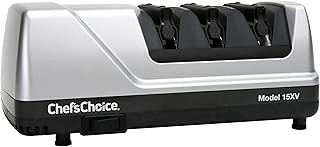
Chef'sChoice 15 Trizor XV Electric Knife Sharpener
Converts knives from 20° factory edge to a sharper 15° edge in three stages
Buy on Amazon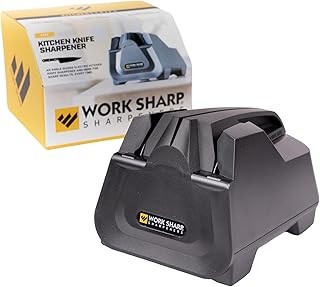
Work Sharp Culinary E5 Electric Knife Sharpener
Flexible abrasive belts remove less metal than rigid wheels , extends blade life
Buy on Amazon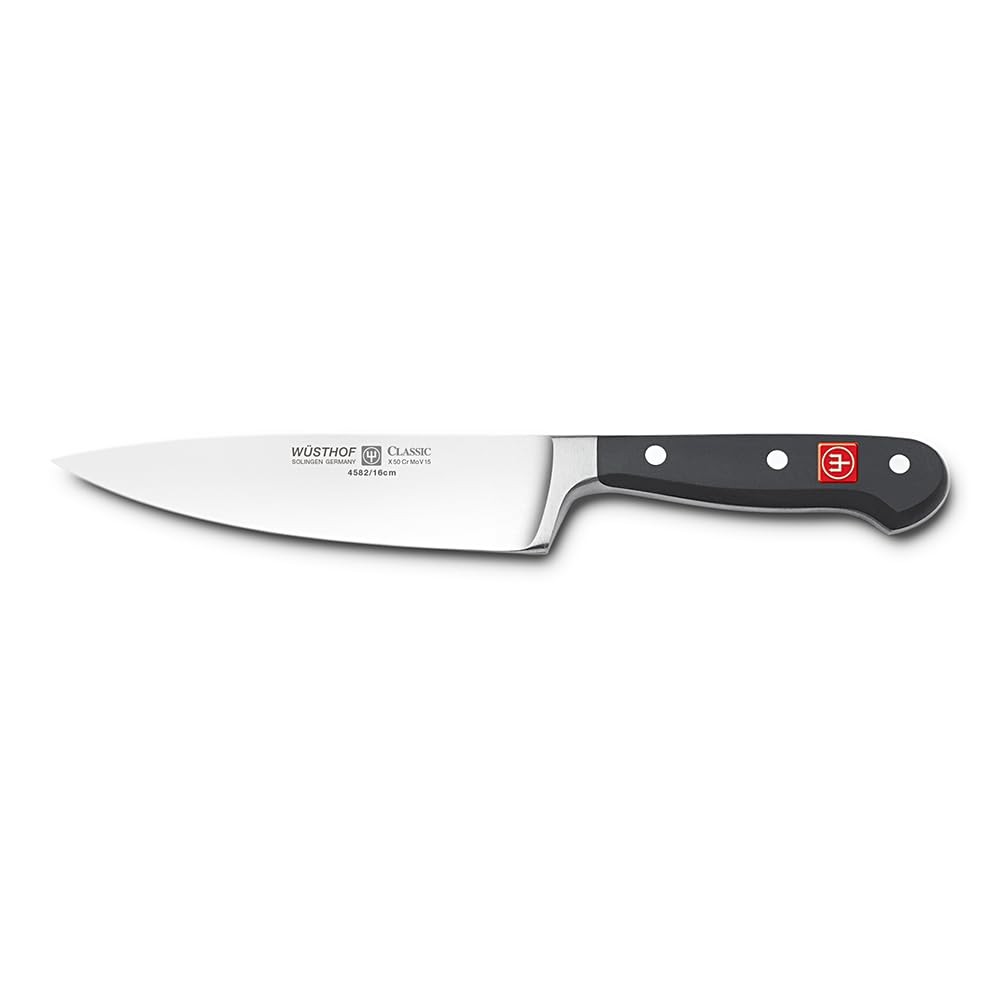
Wüsthof Knife Honing Steel 10-Inch
Regular honing maintains edge alignment between sharpenings
Buy on Amazon| Product | Price Range | Top Strength | Key Weakness | Buy |
|---|---|---|---|---|
| Chef'sChoice 15 Trizor XV Electric Knife Sharpener best overall | $$ | Converts knives from 20° factory edge to a sharper 15° edge in three stages | Removes more metal per sharpening than a whetstone , reduces blade lifespan over years | Buy on Amazon |
| Work Sharp Culinary E5 Electric Knife Sharpener also consider | $$ | Flexible abrasive belts remove less metal than rigid wheels , extends blade life | Learning curve to get consistent results on first use | Buy on Amazon |
| Wüsthof Knife Honing Steel 10-Inch also consider | $$ | Regular honing maintains edge alignment between sharpenings | Not suitable for harder Japanese steel above 60 HRC , use a ceramic rod instead | Buy on Amazon |
| Victorinox Fibrox Pro 8-Inch Chef's Knife also consider | $ | Best-performing knife under $50 , used in professional kitchens worldwide | Stamped steel loses its edge faster than forged alternatives | Buy on Amazon |
| Shun Classic 8-Inch Chef's Knife also consider | $$$ | VG-MAX steel with 68-layer Damascus cladding , razor-sharp out of the box | Hard steel (61 HRC) is more brittle , chip risk on bones or frozen food | Buy on Amazon |
If you own a decent chef’s knife and you’ve been ignoring its edge for the past year, this article is the intervention you probably needed. Sharpening is the most neglected part of knife ownership, and it’s also one of the few areas where the right equipment genuinely separates a functional kitchen from a frustrating one. This guide focuses on the Chef’sChoice 15 Trizor XV Electric Knife Sharpener as its centerpiece, but it also covers the sharpening ecosystem around it: what to pair it with, what to consider instead, and which knives are worth sharpening in the first place. For a broader look at blade selection and maintenance tools, the Knives & Sharpeners hub is the right place to start.
What to Look For in a Knife Sharpener
The Honing vs. Sharpening Distinction
This trips up a lot of buyers. Honing realigns the edge of a blade that’s rolled or bent from use. Sharpening actually removes metal to create a new edge. A Wüsthof 10-Inch Honing Steel does the first job. The Chef’sChoice 15 Trizor XV does the second. Using them correctly means understanding that a honing steel used weekly on your German knives will reduce how often you need to sharpen, which matters because every sharpening session removes material from the blade.
One caveat worth making explicit. Honing steels are appropriate for German-style blades in the 56-60 HRC range. If you own a harder Japanese knife like the Shun Classic 8-Inch Chef’s Knife at 61 HRC, a ridged steel rod can chip the edge rather than align it. Ceramic rods or whetstones are the correct maintenance tools for those blades.
Edge Angle
Western knives leave the factory at 20 degrees per side. Most Japanese knives are ground to 15 degrees or less, which produces a thinner, sharper edge better suited for precise work. The Chef’sChoice 15 Trizor XV is named for a reason. It converts Western blades from a 20-degree factory edge to a 15-degree XV edge across three sharpening stages. Once converted, your Wüsthof or Henckels will hold a sharper angle than it had new. (I’ve done this with a Wüsthof Classic 8-inch that’s been in this kitchen since 2014, and the difference after conversion was noticeable in the first week of regular use.)
Metal Removal Rate
This is where electric sharpeners draw legitimate criticism. Rigid abrasive wheels remove more metal per pass than flexible belt systems or whetstones. Over several years of quarterly sharpening, that adds up. A knife sharpened 20 times on an electric wheel has measurably less blade height than one maintained on a whetstone by someone who knows what they’re doing. The tradeoff is skill and time. Whetstones require practice to use at a consistent angle. If you’re willing to put in that work, your blades will last longer. If you want consistent results without a learning curve, the electric sharpener wins on practicality.
Who’s Sharpening What
The right sharpener depends on what you own. A budget stamped blade like the Victorinox Fibrox Pro 8-Inch Chef’s Knife is a capable workhorse, but it loses its edge faster than a forged knife and costs a fraction of the premium options. Running an inexpensive knife through a belt sharpener designed to preserve high-end blade geometry is overkill. Running a hand-sharpened Shun through rigid abrasive wheels is a mistake in the other direction.
Top Picks
Chef’sChoice 15 Trizor XV: The Benchmark
The Chef’sChoice 15 Trizor XV Electric Knife Sharpener sits at mid-range pricing for electric sharpeners and has occupied the top of this category for years. The three-stage system uses diamond abrasives in stages one and two to grind and bevel the edge, then a flexible stropping disk in stage three to finish and polish. The result is a Trizor XV edge, Chef’sChoice’s term for a 15-degree, triple-bevel profile that holds well and cuts cleanly.
The consistency is the main argument for it. Slide the blade through the guided slot, maintain light pressure, repeat the recommended number of passes per stage. The angle is handled by the machine. For anyone who has tried to maintain a consistent 15-degree angle freehand on a whetstone and failed, that matters.
The legitimate downsides. Rigid diamond wheels remove more metal than belts. The guided slots don’t accommodate single-bevel Japanese knives, which require hand sharpening regardless. And if you own a knife with a full bolster that extends to the heel, the Trizor XV will not sharpen that last inch without a workaround.
For most home cooks with a set of Western-style knives, those limitations won’t come up. Check current price on Amazon.
Work Sharp Culinary E5: The Belt Alternative
If you own one or two quality knives and you’re thinking about blade longevity across a decade of use, the Work Sharp Culinary E5 Electric Knife Sharpener is the more conservative choice. It uses flexible abrasive belts rather than rigid wheels, which removes less metal per sharpening session. It also offers adjustable guides for both 20-degree Western and 15-degree Japanese angles, plus a stropping belt for finishing.
The tradeoff is a slightly higher learning curve on first use. The belt system is more forgiving of technique than rigid wheels, but you’ll need a session or two to understand how much pressure to apply and how many passes a given blade actually needs. The belts also wear out and need replacement after extended use, which is an ongoing cost but not an unreasonable one.
Compared to the Chef’sChoice 15 Trizor XV, the E5 is similarly priced at mid-range. For someone who owns a MAC Professional Series knife or a quality Zwilling, and plans to own it for fifteen years, the belt system’s lower metal removal rate is worth the minor additional effort. You can read more about quality knife options worth protecting in the Knives & Sharpeners section.
Wüsthof Honing Steel: The Weekly Maintenance Tool
The Wüsthof 10-Inch Honing Steel doesn’t sharpen your knives. It’s worth stating that plainly because honing steels are sold as sharpening accessories and the packaging rarely clarifies the distinction. What it does is realign the edge between sharpenings, which extends the interval between those sessions. For German-style blades used regularly, a weekly pass on the honing steel before or after cooking is the single best maintenance habit you can build.
Priced at mid-range, this is not an area to go budget. A poorly weighted or rough-surfaced honing rod will damage a blade rather than help it. The Wüsthof is well-balanced, the ridged surface is appropriately calibrated for softer Western steel, and the handle is comfortable for repeated use. Don’t use it on hard Japanese blades. That’s not what it’s built for.
The Knives Worth Sharpening
The Victorinox Fibrox Pro 8-Inch Chef’s Knife is the best-performing budget knife available, and it sharpens well on the Chef’sChoice 15 Trizor XV. Its stamped steel loses an edge faster than forged alternatives, but it’s honest about what it is. For anyone building out a first serious kitchen, it’s the right place to start before spending more.
The Shun Classic 8-Inch Chef’s Knife is the other end of that range. VG-MAX steel, 68-layer Damascus cladding, and a factory edge that comes out of the box sharper than most home cooks have ever felt. The hard steel holds that edge longer than German alternatives, but chips on impact with bones or frozen food. Sharpening requires a whetstone or fine ceramic rod, not an electric sharpener with rigid wheels. If you own a Shun and you’ve been running it through an electric sharpener, stop doing that.
For those comparing Japanese blade options across price points, articles on the MAC Professional Series Chef’s Knife and the Zwilling J.A. Henckels Chef Knife cover those ends of the spectrum in more detail.
How to Choose
The actual decision here isn’t complicated, but it depends on which knives you own.
If you have a block of Western-style knives and you want a reliable, repeatable sharpening result with no technique required, buy the Chef’sChoice 15 Trizor XV and pair it with the Wüsthof honing steel for weekly maintenance. That combination covers the full maintenance cycle and produces consistent edges without a learning curve.
If you own one or two high-quality knives and you’re thinking about ownership across a decade or more, the Work Sharp Culinary E5’s belt system is the smarter long-term choice. The lower metal removal rate preserves blade geometry over time. Budget a session or two to get comfortable with it.
If you own hard Japanese knives above 60 HRC, electric sharpeners with rigid wheels are the wrong tool. A good whetstone (1000/6000 grit combination is a reasonable starting point) and a ceramic honing rod are the correct maintenance pair. The Shun Classic, and similar blades like the ones covered in the Shun Steak Knives article, fall into this category.
The Victorinox Fibrox Pro doesn’t require a premium sharpening strategy. The Chef’sChoice 15 Trizor XV handles it fine and the result is a budget knife performing noticeably better than it arrived. (Which I realize sounds like a low bar, but in a kitchen where knives have been ignored for years, it’s a meaningful one.)
One note on timing. Sharpen before the knife is dull, not after. A blade that’s already struggling to cut a tomato cleanly needs more passes and more metal removal to restore. Sharpening a blade that’s slightly degraded keeps the sessions shorter and the blade loss smaller over time.
Frequently Asked Questions
Does the Chef’sChoice 15 Trizor XV work on Japanese knives?
It works on double-bevel Japanese knives, meaning blades sharpened on both sides at a consistent angle. It does not work on single-bevel Japanese knives, which are sharpened only on one side and require hand sharpening on a whetstone. If you own a hard Japanese blade above 60 HRC, check the manufacturer’s sharpening recommendations before using any electric sharpener with rigid abrasive wheels. The Shun Classic, for example, is better maintained on a whetstone.
How often should I sharpen my knives with the Chef’sChoice 15 Trizor XV?
For a home cook using knives daily, two to four times per year is a reasonable interval. The more relevant question is how often you’re honing. Regular use of a honing steel on Western-style blades extends the interval between sharpenings by realigning the edge before it degrades significantly. If you’re honing weekly, quarterly sharpening is usually sufficient.
Is the Work Sharp Culinary E5 worth the extra effort compared to the Chef’sChoice?
If blade longevity matters to you, yes. The belt system’s lower metal removal rate is the meaningful differentiator. For someone with a single quality knife they plan to use for decades, preserving that blade geometry over 20 or 30 sharpening sessions is worth the modest additional effort of learning the E5. For someone with a full block of mid-grade Western knives, the Chef’sChoice’s simplicity and consistency is the better practical choice.
Can I use a honing steel on my Shun or other hard Japanese knives?
A standard ridged honing steel is not appropriate for Japanese blades above 60 HRC. The hard steel is more brittle than German alternatives, and a ridged rod can chip the edge rather than align it. Use a smooth ceramic rod or a leather strop for edge maintenance between whetstone sessions.
What’s the difference between a budget knife like the Victorinox and a premium knife like the Shun, once you factor in sharpening?
The Victorinox Fibrox Pro loses its edge faster than the Shun Classic and requires more frequent sharpening, but it’s also more tolerant of electric sharpeners and rough use. The Shun holds its edge longer, cuts more precisely on fine work, but requires more careful maintenance and chips if used on hard foods. Both are legitimate choices for different priorities. If you’re building a first kit and want a competent all-purpose knife without committing to careful maintenance habits, the Victorinox is the honest recommendation. If precise vegetable work matters and you’re willing to maintain the blade properly, the Shun earns its premium price.
Frequently Asked Questions
What edge angle does the Chef's Choice 15 Trizor XV sharpen knives to?
The Trizor XV sharpens knives to a 15-degree edge per side, converting standard Western knives that typically come from the factory at 20 degrees. This produces a sharper cutting edge, though it permanently changes the blade geometry — you cannot restore the original 20-degree angle.
Will the Chef's Choice 15 Trizor XV work on Japanese knives?
Yes. The Trizor XV is designed to work on both Western and Asian-style blades. It converts any knife to a 15-degree edge, which is the standard angle for most Japanese knives. This makes it versatile for mixed-knife households.
Does the Chef's Choice 15 remove a lot of metal from the blade?
Yes, more than a whetstone. The electric sharpening wheels are efficient but aggressive — over years of regular use, the cumulative metal removal shortens blade life more than hand sharpening methods. This is a meaningful tradeoff for expensive knives.
How often should I use the Chef's Choice 15 Trizor XV on my knives?
The Trizor XV is designed for periodic resharpening, not daily use. For daily edge maintenance between sharpenings, use a honing steel or ceramic rod to realign the edge without removing metal. Sharpen with the electric machine only when honing no longer restores the edge.
Is the Chef's Choice 15 Trizor XV worth the price?
For most home cooks with a few good knives, yes. It produces a consistently sharp 15-degree edge without requiring whetstone skill, and the three-stage system is effective. If you own high-end Japanese knives and want to minimize metal removal, a belt-based sharpener like the Work Sharp E5 is a gentler alternative.
Where to Buy
Chef'sChoice 15 Trizor XV Electric Knife SharpenerSee Chef'sChoice 15 Trizor XV Electric Kn… on Amazon