Emile Henry Lasagna Baking Dish Review & Alternatives

Affiliate disclosure: Some links on this page are affiliate links. If you buy through them we earn a small commission at no extra cost to you. Recommendations are research-driven; we don't claim personal use of every product reviewed. Product prices and availability are accurate as of the date published and are subject to change. Always check Amazon for current pricing before purchasing. Learn more.
Quick Picks
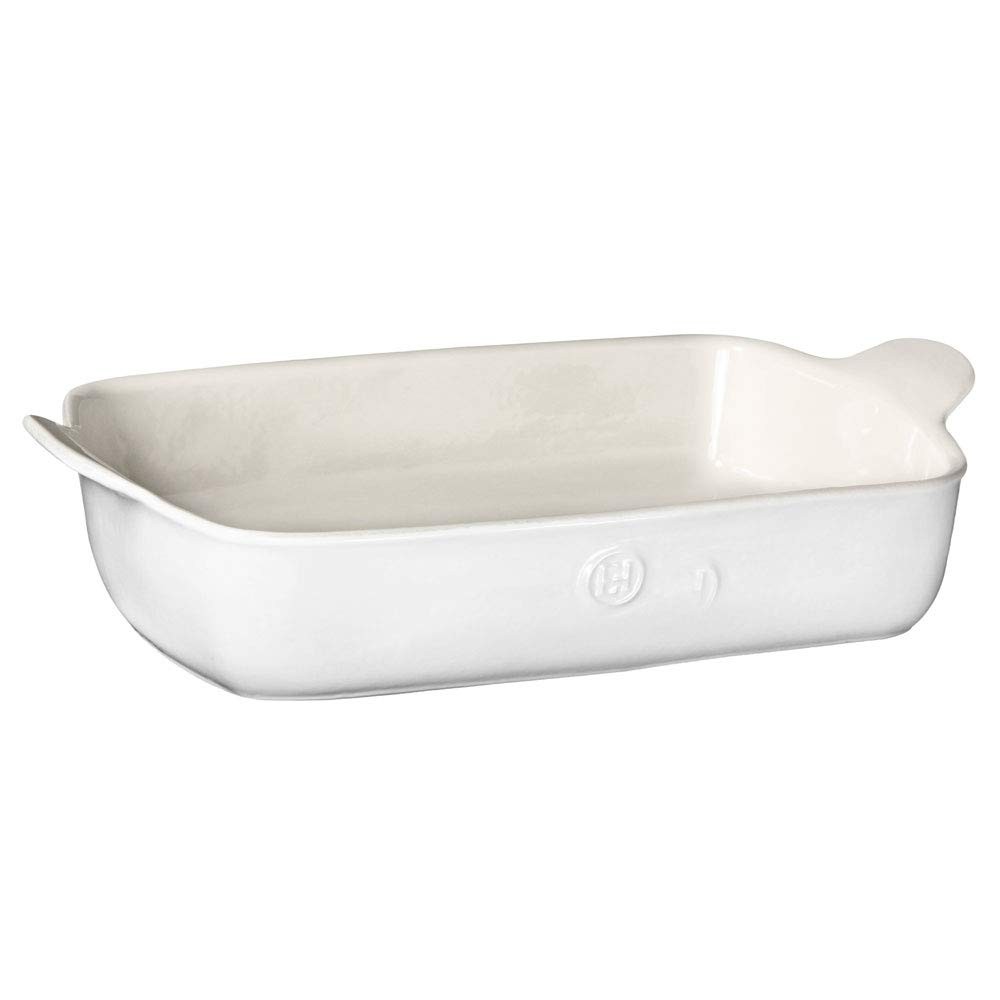
Emile Henry Flame Lasagna Dish
Ceramic construction distributes heat evenly , eliminates burnt edges
Buy on Amazon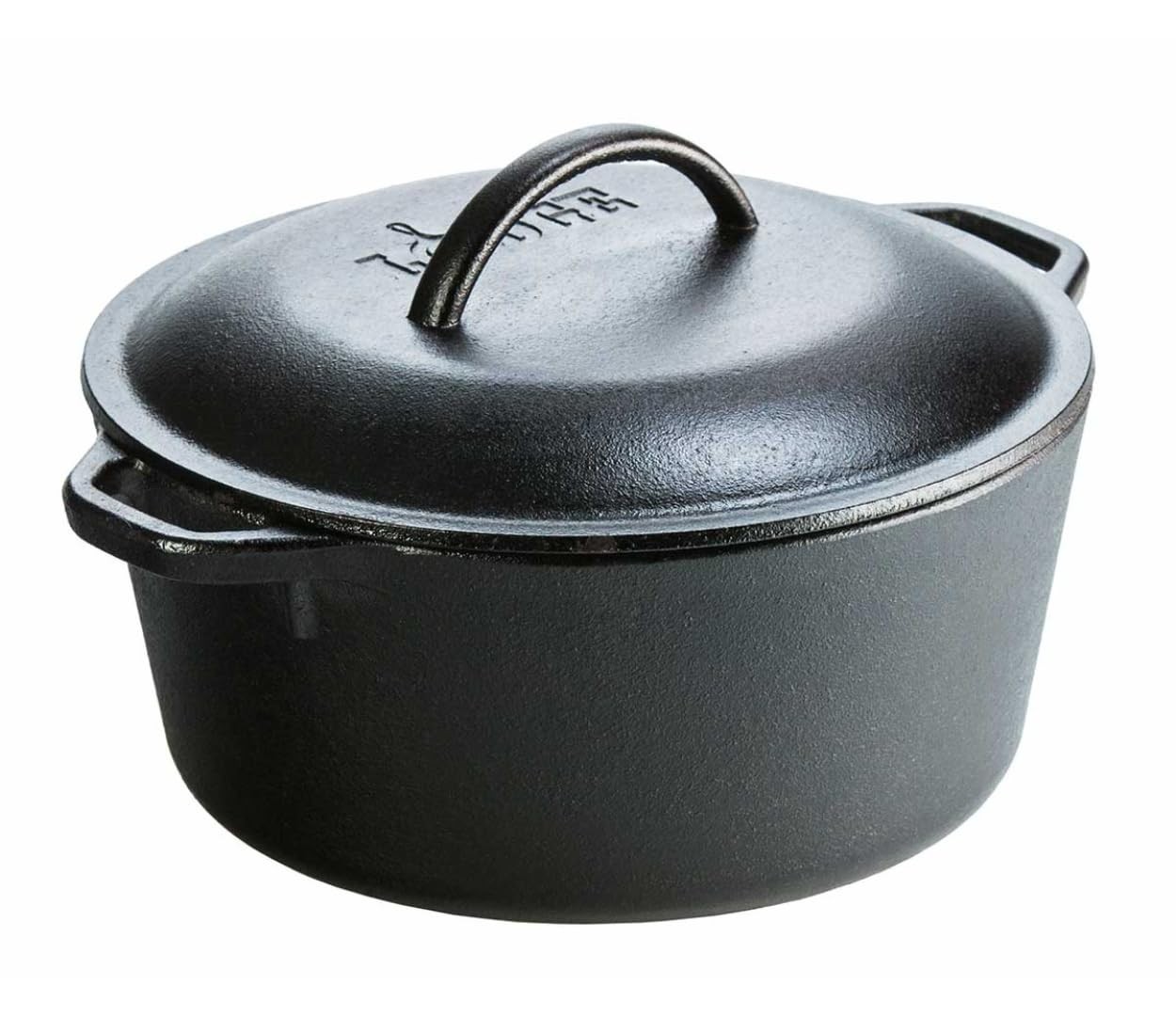
Lodge 6-Quart Cast Iron Dutch Oven
Thick walls retain heat evenly for long braises and stews
Buy on Amazon
Le Creuset 5.5-Quart Round Dutch Oven
Even heat distribution eliminates hot spots for slow braises
Buy on Amazon| Product | Price Range | Top Strength | Key Weakness | Buy |
|---|---|---|---|---|
| Emile Henry Flame Lasagna Dish best overall | $$$ | Ceramic construction distributes heat evenly , eliminates burnt edges | More expensive than glass or metal baking dishes with similar function | Buy on Amazon |
| Lodge 6-Quart Cast Iron Dutch Oven also consider | $ | Thick walls retain heat evenly for long braises and stews | Requires seasoning maintenance , can rust if left wet | Buy on Amazon |
| Le Creuset 5.5-Quart Round Dutch Oven also consider | $$$ | Even heat distribution eliminates hot spots for slow braises | Over $300 at full retail , a significant investment | Buy on Amazon |
| Emile Henry 9-Inch Pie Dish also consider | $$ | Ceramic conducts heat evenly , eliminates soggy bottom crusts | More expensive than glass pie plates with similar results | Buy on Amazon |
Ceramic baking dishes occupy a strange middle ground in most kitchen conversations. They’re not as flashy as cast iron, not as cheap as glass, and not as versatile as stainless. But if you’ve ever pulled a lasagna out of the oven with burnt edges and a watery center, you already know the argument for getting the material right. The Emile Henry Flame Lasagna Dish is the product most serious home cooks land on after cycling through the alternatives, and this guide explains why, along with what else deserves space in this conversation.
A note on scope: this article focuses on baking dishes and the ceramic-versus-everything-else debate, but if Dutch ovens and braising vessels are also on your list, the Cast Iron section covers that ground in depth.
What to Look For in a Lasagna Baking Dish
Heat Distribution
This is the one that matters most. Glass heats unevenly and holds hot spots. Metal conducts fast and can scorch the bottom before the center sets. Ceramic, particularly the Burgundy clay Emile Henry uses, absorbs heat gradually and radiates it evenly across the entire surface. The practical difference: your pasta layers cook through without the edges crisping before the middle bubbles.
Temperature Range and Thermal Shock Resistance
A dish that cracks going from freezer to oven is not a baking dish, it’s a liability. The Emile Henry Flame series is rated from freezer temperature to 520°F without thermal shock issues. For anyone who assembles lasagna the night before, refrigerates it, and bakes it cold the next evening, that rating matters more than it might sound.
Handle Design and Weight
This is a complaint I have heard made vaguely. Let me be specific: the Emile Henry Flame Lasagna Dish weighs noticeably more than a standard glass Pyrex 9x13. When it’s full of lasagna and hot, the handles need to be wide enough to grip through oven mitts without the dish shifting. The Emile Henry handles are adequate, but anyone with smaller hands or wrist issues should note the weight before buying.
Appearance on the Table
If you’re serving directly from the dish, and with lasagna you usually are, the dish needs to look like it belongs on a table. Glass baking dishes look like baking dishes. The Emile Henry, in its matte glazed finish, looks like serving ware. That’s not a minor point if you’re hosting.
Top Picks
Emile Henry Flame Lasagna Dish
The Emile Henry Flame Lasagna Dish is the primary recommendation here, and the reasoning is straightforward.
Emile Henry has been producing ceramic cookware in Marcigny, France since 1850. The Flame series uses a specific Burgundy clay composition that allows it to go from freezer to broiler without cracking, a claim that matters because competitors in this category, including some well-regarded stoneware brands, have more limited temperature ranges. The dish handles up to 520°F, broiler use included.
The heat distribution is the actual functional advantage. Glass dishes, including the Pyrex 9x13 that most people use as a reference point, heat unevenly because glass is a poor thermal conductor. You get hotter edges and a cooler center. If you’ve compensated for this by rotating the dish halfway through baking, that’s the problem this solves. The ceramic construction radiates heat from all surfaces, and the result is a more evenly cooked dish with consistent browning top to bottom.
The glaze is scratch-resistant and dishwasher safe. In practice, I handwash it, but the option matters for cleanup after a dinner party when the last thing anyone wants to do is scrub baked-on cheese by hand.
The honest downsides. This sits in the premium price band. Checking current price on Amazon is worthwhile because it fluctuates, but it’s meaningfully more expensive than a glass Pyrex or a basic ceramic baking dish from a grocery store housewares section. Whether that premium is justified depends on how often you bake dishes like this and whether uneven browning is a problem you’ve actually experienced.
Weight is the other real objection. Full of lasagna, this dish is heavy. Oven mitts that work fine with a glass dish may feel less secure with this one because the added weight shifts the balance. That’s not a safety concern if you’re paying attention, but it’s a real handling difference worth knowing about.
If you want to see how this format compares to enameled cast iron for baked pasta dishes, the enameled cast iron baking dish guide covers that comparison directly.
For the Emile Henry brand more broadly, including how their ceramic construction performs in a very different cooking application, the Emile Henry Tagine review covers the same Flame series clay in a slow-cook context.
Verdict: The best ceramic lasagna dish currently available for home cooks who bake layered pasta dishes regularly and want a result they can serve at a table without apology.
Lodge 6-Quart Cast Iron Dutch Oven
The Lodge 6-Quart Cast Iron Dutch Oven is not a lasagna dish. I’m including it here because buyers who arrive at this article are often also weighing braising vessels and Dutch ovens, and this deserves a direct answer.
For braising, long stews, and no-knead bread, the Lodge 6-Qt performs at a level that its budget-tier price has no business suggesting. The thick cast iron walls retain heat longer than virtually anything in the kitchen. Pre-seasoned from the factory, it requires no enamel coating, which also means no enamel to chip.
The practical reality of bare cast iron ownership is maintenance. Left wet, it rusts. Washed with soap too aggressively, the seasoning degrades. For buyers who find that objectionable, the Le Creuset option below is the alternative. For buyers who don’t mind ten seconds of drying and a light oil wipe, the Lodge earns its reputation. If you’re interested in the history and durability of older Lodge pieces specifically, the vintage Lodge cast iron cookware guide is useful context.
Verdict: The value case for cast iron braising. Not for lasagna, not for buyers who want enamel, but the best budget braising vessel available.
Le Creuset 5.5-Quart Round Dutch Oven
The Le Creuset 5.5-Quart Round Dutch Oven is the most reviewed Dutch oven on the market, and it earned that position.
The enameled cast iron construction distributes heat as evenly as bare cast iron but adds the non-reactive enamel interior, which means acidic dishes like tomato braises don’t interact with the cooking surface. The tight-fitting lid traps moisture effectively, which matters for no-knead bread and long braises where evaporation would otherwise concentrate flavors unpredictably.
The price objection is the one everyone raises, and it’s legitimate. This sits firmly in the premium category, among the pricier options in this class. The counterargument is the lifetime warranty and the simple math of ownership. A Le Creuset Dutch oven purchased today will, with normal use, outlast most of the other equipment in the kitchen. Amortized over twenty years, the premium shrinks considerably. (I have owned mine for eleven years and it looks, functionally, like it did when it arrived.)
The 15-plus colorways are a real differentiator if aesthetics factor into your decision. The available colors for the Lodge are limited to what the iron looks like.
Verdict: Justified at its price point for buyers who will use it regularly and keep it for decades. Not justified for occasional cooks who primarily need braising capacity.
Emile Henry 9-Inch Pie Dish
The Emile Henry 9-Inch Pie Dish appears here because it shares the same ceramic construction and addresses a problem specific to pie baking that glass doesn’t solve as well.
Soggy bottom crusts are almost entirely a heat distribution problem. Glass conducts slowly and unevenly. The Emile Henry ceramic heats the bottom crust more consistently, which produces better browning and a crisper base without requiring a separate pizza stone or pre-heating maneuver.
The fluted rim is a functional feature, not just decorative. It grips pastry edges, which gives a cleaner crimp than the smooth rim of most glass pie plates. The glaze is dishwasher safe and scratch-resistant, and the mid-range price makes it a reasonable upgrade from a basic glass plate without requiring a premium commitment.
This lands in the mid price band. It costs more than a standard Pyrex pie plate but considerably less than the Dutch ovens discussed above. For regular pie bakers, the crust improvement alone is worth the difference.
Verdict: A specific upgrade for pie bakers who have experienced the soggy bottom problem and want to fix it without a complex workaround.
How to Choose
If you bake lasagna, baked pasta, or gratins regularly, the Emile Henry Flame Lasagna Dish is the right tool. The heat distribution improvement over glass is real and the temperature range is broad enough to accommodate the freeze-then-bake workflow most home cooks use.
If braising and stovetop-to-oven cooking is the priority, the choice is between the Lodge and Le Creuset Dutch ovens. The Lodge is the right answer for buyers who want braising performance without the premium and are comfortable with cast iron maintenance. The Le Creuset is the right answer for buyers who want enamel, color options, and a lifetime warranty, and who will own it long enough for the math to work in their favor.
The pie dish is a separate decision entirely. If soggy crusts are a recurring problem, the Emile Henry 9-Inch Pie Dish fixes it at mid-range pricing.
For broader context on cast iron and enameled cookware, including grill pans and specialty pieces in this material category, the cast iron cookware section covers the full range. And if you want a focused review of the Emile Henry lasagna dish before purchasing, the Emile Henry Lasagna Dish review goes deeper on that single product.
Frequently Asked Questions
Is the Emile Henry Lasagna Dish worth the premium over glass?
For regular bakers, yes. The ceramic construction distributes heat more evenly than glass, which eliminates the hot-edge, cool-center problem that causes uneven browning in glass dishes. The thermal shock resistance also allows freezer-to-oven use without cracking. If you bake layered dishes like lasagna or gratin once a month or more, the difference in results is noticeable and consistent. For occasional baking, the premium is harder to justify.
Can the Emile Henry Flame Lasagna Dish go under the broiler?
Yes. The Flame series is rated to 520°F and is broiler-safe. This is one of the features that separates it from standard stoneware baking dishes, which often have lower temperature ceilings and are not rated for broiler use. Check the specific instructions on your unit, but the Flame line is designed for high-heat applications.
How does ceramic compare to enameled cast iron for baking lasagna?
Both distribute heat evenly and are non-reactive. Enameled cast iron is heavier and retains heat longer, which can mean the dish stays hotter at the table but also takes longer to cool for cleanup. Ceramic is lighter (though still heavier than glass), heats slightly more quickly, and is typically easier to serve from. For baked pasta specifically, ceramic is the more practical choice. For applications that cross over between stovetop and oven, enameled cast iron has the advantage.
Is the Lodge Dutch Oven a substitute for the Emile Henry Lasagna Dish?
No. A Dutch oven and a baking dish serve different functions. The Lodge 6-Qt is a braising and stovetop vessel. It’s not designed for flat baked dishes like lasagna or gratin, and the geometry is wrong for those applications. If you need both a baking dish and a Dutch oven, they are separate purchases.
How do I clean the Emile Henry Lasagna Dish after baked-on cheese?
Soak it in warm water for twenty minutes before scrubbing. The glaze is scratch-resistant, so a standard non-scratch scrubber works without damaging the surface. It’s dishwasher safe, though soaking first will handle most baked-on residue more effectively than a dishwasher cycle alone. Avoid abrasive scouring pads, which can dull the glaze surface over time even if they don’t scratch through it.
Frequently Asked Questions
Why does the Emile Henry lasagna dish cost more than a glass pan, and is it worth it?
Emile Henry's Burgundy clay distributes heat more evenly than glass, which eliminates the burnt-edge, undercooked-center problem common with glass baking dishes. If you make lasagna or layered casseroles regularly, the even heat distribution and long-term durability justify the price difference. For occasional use, a glass pan is adequate.
Can I assemble lasagna the night before and bake it straight from the refrigerator in the Emile Henry dish?
Yes. The Emile Henry Flame Lasagna Dish is rated from freezer temperature to 520°F without cracking from thermal shock, so going from refrigerator to a preheated oven is well within its design range. This is one of the practical advantages it has over glass, which is more vulnerable to rapid temperature changes.
What size is the Emile Henry Flame Lasagna Dish, and how many servings does it hold?
The standard Emile Henry lasagna dish measures approximately 13 by 9 inches and holds enough for 6 to 8 servings of a standard layered lasagna. It's sized to accommodate most lasagna recipes written for a 9x13 pan without modification.
Is the Emile Henry lasagna dish broiler-safe?
It is oven-safe to 520°F, which covers most home broiler tasks at the lower rack position. However, for very close-range broiling on the top rack of a broiler-drawer oven, check Emile Henry's current guidance, as extreme direct radiant heat may exceed the designed range.
How does Emile Henry ceramic compare to a cast iron Dutch oven for baking lasagna?
A Dutch oven is the wrong shape for lasagna — its high sides trap steam and make layering difficult. The Emile Henry lasagna dish's low profile and wide surface area allow even browning on top while the ceramic base conducts steady heat from below. For lasagna and similar baked pasta dishes, an open baking dish is the right tool regardless of material.
Where to Buy
Emile Henry Flame Lasagna DishSee Emile Henry Flame Lasagna Dish on Amazon