Emile Henry Casserole: Worth the Investment?

Affiliate disclosure: Some links on this page are affiliate links. If you buy through them we earn a small commission at no extra cost to you. Recommendations are research-driven; we don't claim personal use of every product reviewed. Product prices and availability are accurate as of the date published and are subject to change. Always check Amazon for current pricing before purchasing. Learn more.
Quick Picks
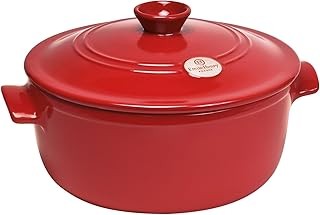
Emile Henry 5.5-Quart Flame Dutch Oven
Made from Burgundy clay , lighter than cast iron, excellent heat retention
Buy on Amazon
Le Creuset 5.5-Quart Round Dutch Oven
Even heat distribution eliminates hot spots for slow braises
Buy on Amazon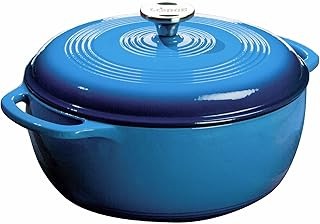
Lodge Enameled Cast Iron Dutch Oven 6-Quart
Enameled interior , no seasoning required, dishwasher safe
Buy on Amazon| Product | Price Range | Top Strength | Key Weakness | Buy |
|---|---|---|---|---|
| Emile Henry 5.5-Quart Flame Dutch Oven best overall | $$$ | Made from Burgundy clay , lighter than cast iron, excellent heat retention | Not suitable for high-heat searing , clay is best for low-and-slow | Buy on Amazon |
| Le Creuset 5.5-Quart Round Dutch Oven also consider | $$$ | Even heat distribution eliminates hot spots for slow braises | Over $300 at full retail , a significant investment | Buy on Amazon |
| Lodge Enameled Cast Iron Dutch Oven 6-Quart also consider | $$ | Enameled interior , no seasoning required, dishwasher safe | Enamel quality not as refined as Le Creuset , more prone to chipping over time | Buy on Amazon |
| Staub 5.5-Quart Round Cocotte also consider | $$$ | Self-basting spikes on the lid return moisture back to the food | Dark interior makes it harder to monitor fond development | Buy on Amazon |
If you’ve spent any time in the Cast Iron section of this site, you already know the category rewards patience more than it rewards impulse buying. An Emile Henry casserole occupies a particular corner of that world: clay construction, lighter weight, and a glazed surface that handles braises and bread with real competence. But Emile Henry doesn’t exist in a vacuum. Le Creuset, Staub, and Lodge all compete for the same spot in your cabinet, and at these price points the differences matter enough to get right before you buy.
This guide covers four Dutch ovens worth considering. One recommendation at the end. No hedging.
What to Look For in a Casserole or Dutch Oven
Material: Clay vs. Enameled Cast Iron
The core question is whether you want ceramic clay or enameled cast iron. Emile Henry builds its Flame line from Burgundy clay, which heats differently than cast iron. It warms more gradually and holds steady temperatures well, which suits slow braises and no-knead bread. It will not handle a screaming-hot sear on a gas burner. If searing followed by a braise is your typical sequence, clay is the wrong choice.
Enameled cast iron, used by Le Creuset, Staub, and Lodge’s enameled line, handles higher initial heat and retains it longer due to sheer thermal mass. The tradeoff is weight. A 5.5-quart Le Creuset runs around 13 pounds empty. If you have grip or wrist issues, that matters before you add three pounds of short ribs and braising liquid.
Size and Capacity
A 5.5-quart Dutch oven handles a 4-pound chicken, a standard braised short rib recipe for four, or the most common no-knead bread formulas without issue. The Lodge option covered here is 6-quart, which gives a modest extra margin. For most households cooking two to six people, 5.5 to 6 quarts is the practical range. Go smaller and you’re compromising batch size. Go larger and you’re managing an unwieldy pot on a regular basis.
Lid Design
This is where Staub separates itself from the field. The self-basting spike design on the Staub cocotte lid returns condensed moisture back over the food rather than letting it pool at the edges. For long braises where you’re trying to keep meat moist over two-plus hours, that mechanical difference is real. Le Creuset’s lid is tight-fitting and well-made but flat on the interior. Worth understanding before you decide.
Interior Color and Surface
Staub uses a black matte enamel interior that develops a patina over time and handles high-heat searing better than light-colored interiors. The downside is that monitoring fond development (the brown bits that form the base of any decent pan sauce) requires more attention since everything is dark against a dark background. Le Creuset’s cream interior shows you exactly what’s happening, which I find useful enough that it factors into my daily preference. (I realize “interior color” sounds like a minor point until you’ve burned fond twice in the same week.)
Top Picks
Emile Henry 5.5-Quart Flame Dutch Oven
Made from Burgundy clay fired to high temperatures, this casserole sits in the premium price band but arrives at that price from a different direction than the enameled cast iron alternatives. It weighs meaningfully less than the Le Creuset or Staub equivalents, which is not a trivial point. If you’ve ever tried to muscle a full Dutch oven out of an oven with one hand while the other steadies a rack, lighter matters.
The glazed interior is genuinely scratch-resistant and resistant to thermal shock. You can move it from a cold refrigerator directly into a preheated oven without worrying about cracking, which is more than you can confidently say about older ceramic bakeware. It works on gas, electric, and induction with the proper flame diffuser, and goes into a dishwasher, though hand washing is sensible for any piece at this price.
The limitations are real. High-heat searing is not appropriate for clay, and if you drop this on a tile floor, the outcome is worse than it would be with cast iron. For low-and-slow cooking, artisan bread baking, and soups, it performs without complaint. It pairs naturally with other Emile Henry pieces, and if you’ve looked at the Emile Henry Tagine for slow-cooked Moroccan dishes, the same clay logic applies here.
The lighter weight makes this a serious consideration for anyone who finds a full cast iron Dutch oven difficult to handle. That’s not a consolation prize. That’s the actual reason to choose it.
Le Creuset 5.5-Quart Round Dutch Oven
The most-reviewed Dutch oven on the market, and it earned that position. Premium pricing, full stop. The price objection comes up constantly and it deserves a direct answer: Le Creuset offers a lifetime warranty and manufactures pieces that routinely last 30-plus years with normal care. If you’re comparing it to the Lodge option on a per-year cost basis, the math compresses considerably.
Even heat distribution is the headline feature here, and it delivers. Hot spots are not a problem. The cream enamel interior lets you watch your fond develop without guessing. The tight-fitting lid traps moisture effectively for no-knead bread, and a loaf baked in this pot has a crust that genuinely competes with what a bread baker gets from a professional deck oven. The lid is heavy and requires deliberate handling when checking food, but that weight is what creates the seal.
Available in over 15 colorways, which is either irrelevant or important depending on your kitchen situation. Mine is a 12-year-old Marseille blue that still looks like it came out of the box six months ago.
If you’re choosing between Le Creuset and the Staub 3.5 Qt Braiser for different cooking tasks, the Dutch oven wins for bread and full braises. The braiser wins for lower-profile cooking where wide surface area matters.
Lodge Enameled Cast Iron Dutch Oven 6-Quart
The middle option between bare cast iron and premium enameled. Mid-range pricing, same thermal mass as any other cast iron Dutch oven, and no seasoning required. For buyers who want enameled convenience without the Le Creuset price, this is the straightforward answer.
The enamel quality is serviceable but not refined. Over years of regular use, chipping becomes a real possibility, particularly if you’re moving the pot in and out of a dishwasher regularly. The lighter porcelain finish also shows staining more than the Staub’s dark interior. Neither of these issues is disqualifying if you’re realistic about what mid-range pricing buys.
Worth noting: this is a 6-quart piece while the Le Creuset and Staub options are 5.5-quart. The extra half-quart of capacity occasionally matters for large batch cooking, and for families regularly cooking for five or six, the size difference tips the practical decision.
Staub 5.5-Quart Round Cocotte
Staub sits at premium pricing, comparable to Le Creuset. The self-basting lid spikes are the functional differentiator and they work as advertised. During a three-hour short rib braise, moisture that would otherwise collect and slide off the lid interior instead drops back onto the meat. The practical result is more evenly moist braised protein without the need to baste manually during cooking.
The black matte enamel interior handles searing heat without the scorching risk that comes with lighter enamel surfaces, and it develops a seasoned patina over time that improves performance. The tradeoff, as mentioned, is visibility during cooking. Monitoring fond development in a dark interior requires experience or attentiveness. Neither is a problem for a practiced cook, but it’s a real adjustment if you’re switching from a cream-interior pan.
Slightly heavier construction than Le Creuset means better heat retention for long cooking sessions. For the same price range, you’re trading Le Creuset’s visibility advantage for Staub’s moisture-return lid and higher searing tolerance. That’s the real decision between these two.
If you’re building out a broader enameled collection, the Staub Pumpkin Cocotte and a standard round cocotte cover different functional and presentational needs, though the pumpkin piece is more novelty than daily utility.
How to Choose
One recommendation: the Le Creuset 5.5-Quart Round Dutch Oven is the best all-around Dutch oven in this group for most cooks. The even heat distribution, cream interior visibility, tight lid, and lifetime warranty combine into a piece that handles bread, braises, soups, and stews without compromise. The price is high. It’s also a one-time purchase for most people who buy it.
The Emile Henry 5.5-Quart Flame Dutch Oven is the right answer if weight is a genuine constraint or if your cooking runs almost entirely toward slow, low-heat work. Clay is not inferior to cast iron in that context. It’s a different material with different strengths, and for a baker who wants lighter handling and doesn’t need searing capability, it’s the better fit.
The Staub 5.5-Quart Round Cocotte wins if long braises are your primary use and you value the self-basting lid over interior visibility. It’s the more specialized choice of the premium cast iron options.
The Lodge Enameled Cast Iron Dutch Oven earns its place for buyers who want enameled cast iron performance without premium pricing and are realistic about enamel longevity at that price point.
For broader context on enameled cookware performance and care, the Cast Iron hub covers material differences across the full category, including flat pieces like the enameled cast iron griddle where the same enamel durability questions apply.
Check current pricing on Amazon before buying. These pieces move around in price more than you’d expect.
Frequently Asked Questions
Is an Emile Henry casserole the same as a Dutch oven?
Functionally, yes. The term “casserole” is more common in European markets for the same covered braising pot that Americans call a Dutch oven. Emile Henry’s Flame Dutch Oven is a direct equivalent in terms of use. The material difference, Burgundy clay versus cast iron, affects heat behavior and weight but not the type of cooking it handles.
Can you use an Emile Henry casserole on an induction cooktop?
Not directly. Emile Henry’s Flame pieces are not induction-compatible on their own because clay is not magnetic. A cast iron induction diffuser plate placed between the burner and the pot works, though it adds a step and some heat inefficiency. If induction compatibility is a regular need, enameled cast iron from Le Creuset, Staub, or Lodge is the more practical choice.
How do Le Creuset and Staub Dutch ovens actually differ in daily use?
The two most noticeable differences are the lid and the interior color. Staub’s lid has self-basting spikes that return moisture to food during long cooking. Le Creuset’s lid is flat inside and seals tightly but doesn’t actively redirect condensation. Le Creuset’s cream interior makes it easy to see fond development and browning. Staub’s black interior does not. Both produce excellent results. The choice depends on whether you prioritize visibility or moisture return.
Is the Lodge enameled Dutch oven worth buying over bare cast iron?
For most home cooks, yes. The enameled interior requires no seasoning, handles acidic ingredients like tomatoes and wine without concern (bare cast iron is reactive with acids), and cleans more easily. The thermal performance is identical to bare Lodge since the underlying material is the same. The only meaningful tradeoff is enamel longevity, which is lower than premium brands at Lodge’s price point, and the inability to build the kind of well-seasoned surface that bare cast iron develops over years of use.
What size Dutch oven works best for a family of four?
A 5.5-quart Dutch oven handles most recipes written for four to six people without issue. It fits a standard roasting chicken, a full batch of beef stew, and the most common no-knead bread formulas. If you regularly cook for six or more, or want the flexibility for large batch soups, the Lodge 6-quart option gives practical extra room. Going above 7 quarts starts to create handling and storage challenges that most home kitchens don’t need.
Frequently Asked Questions
Can you sear in an Emile Henry casserole before braising?
No. Emile Henry's Burgundy clay is not rated for the high heat required to sear proteins effectively. Attempting a high-heat sear risks cracking the clay or damaging the glaze. If your recipe calls for searing followed by a braise, use a stainless or cast iron pan for the sear, then transfer to the Emile Henry for the low-and-slow portion.
Is an Emile Henry casserole lighter than a Le Creuset Dutch oven?
Yes, meaningfully so. Emile Henry clay is lighter than enameled cast iron, which matters when you're lifting a full vessel of braised short ribs or soup. A 5.5-quart Le Creuset runs around 13 pounds empty; the comparable Emile Henry Flame Dutch oven is noticeably lighter, which is a practical advantage for anyone with grip or wrist concerns.
How does the Emile Henry Flame casserole compare to Staub for braising?
Staub's self-basting lid spikes return condensation to the braise more actively, which can produce slightly moister results in long cooks. Emile Henry's lid fits well but doesn't have that feature. Staub is enameled cast iron and handles higher heat; Emile Henry is better suited to lower, steadier temperatures. Both produce excellent braises, but the Staub is more versatile across cooking tasks.
Is the Lodge enameled Dutch oven a good budget alternative to Emile Henry or Le Creuset?
For the price, Lodge enameled cast iron is hard to beat in terms of thermal performance. The enamel quality isn't as refined as Le Creuset and is more prone to chipping over several years of heavy use, but for a household that braises once or twice a month and wants enameled cast iron without the premium cost, Lodge is a reasonable choice.
What size Emile Henry casserole should I buy for weeknight cooking?
A 4.2-quart size handles most weeknight braises and soups for two to four people without being excessively heavy or taking up too much oven space. If you frequently cook for six or regularly make large batches for the freezer, step up to the 5.5-quart. The 3-quart is better suited to side dishes and smaller households.
Where to Buy
Emile Henry 5.5-Quart Flame Dutch OvenSee Emile Henry 5.5-Quart Flame Dutch Oven on Amazon