Induction Nonstick Cookware: What to Know Before Buying

Affiliate disclosure: Some links on this page are affiliate links. If you buy through them we earn a small commission at no extra cost to you. Recommendations are research-driven; we don't claim personal use of every product reviewed. Product prices and availability are accurate as of the date published and are subject to change. Always check Amazon for current pricing before purchasing. Learn more.
Quick Picks
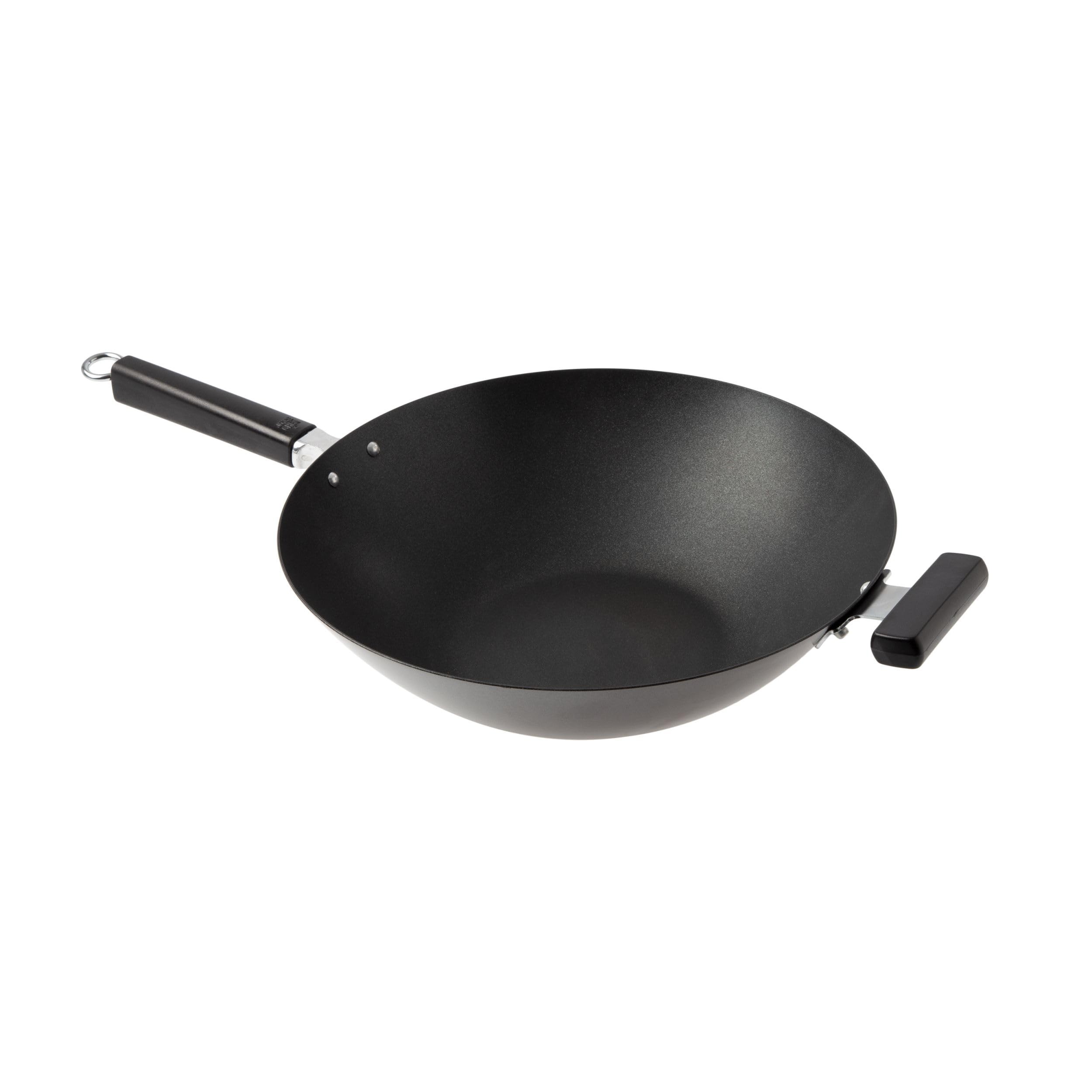
Joyce Chen 14-Inch Nonstick Wok with Flat Bottom
Flat bottom sits stably on induction and electric cooktops
Buy on Amazon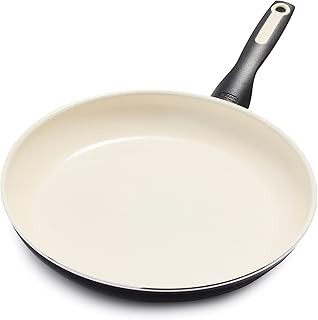
GreenPan GP5 Ceramic Nonstick 12" Skillet
Thermolon Minerals ceramic coating , PFAS-free and scratch-resistant
Buy on Amazon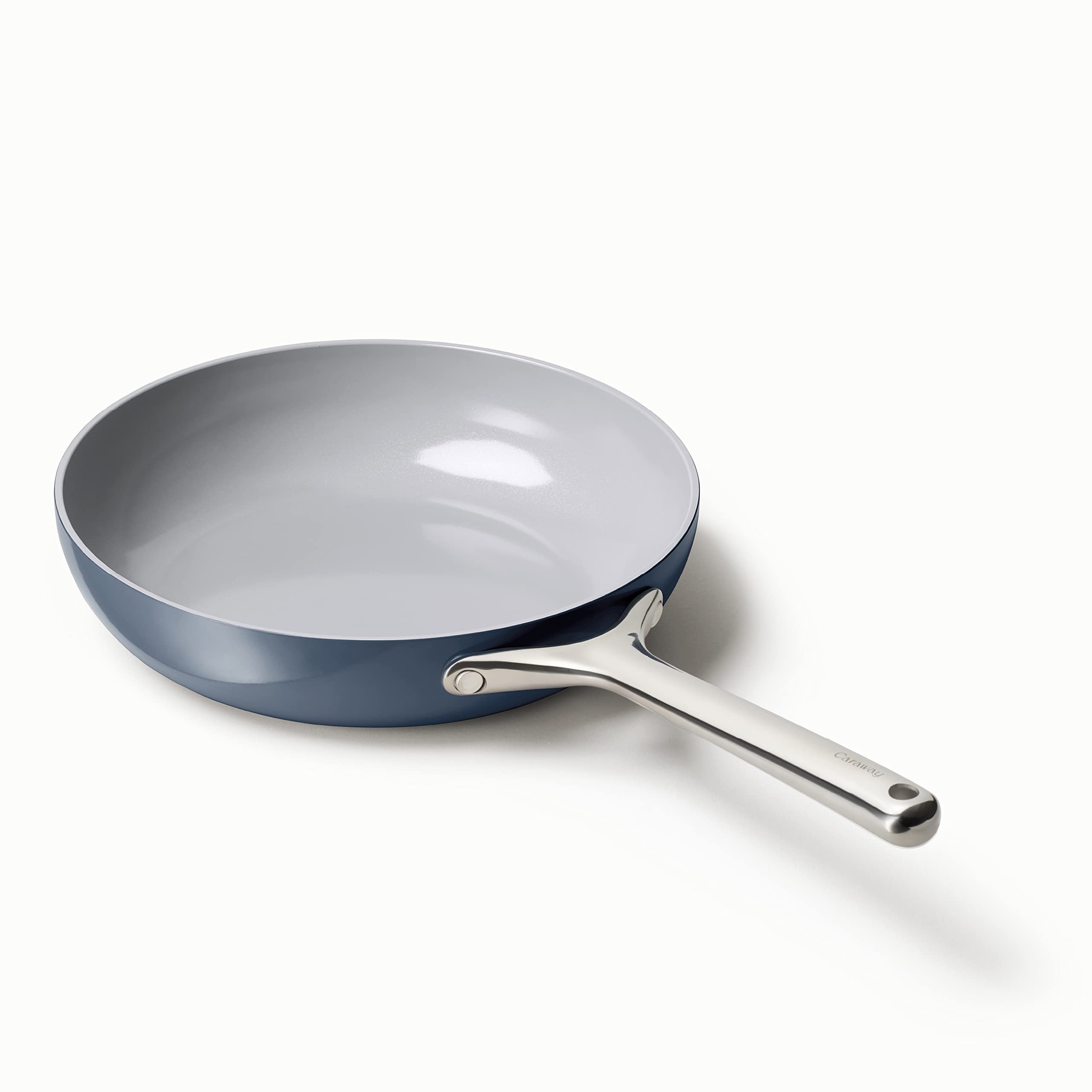
Caraway Ceramic Nonstick Frying Pan 10.5"
Ceramic-coated , PTFE and PFOA-free
Buy on Amazon| Product | Price Range | Top Strength | Key Weakness | Buy |
|---|---|---|---|---|
| Joyce Chen 14-Inch Nonstick Wok with Flat Bottom best overall | $ | Flat bottom sits stably on induction and electric cooktops | Nonstick coating limits maximum heat , traditional wok cooking ideally requires higher temperatures | Buy on Amazon |
| GreenPan GP5 Ceramic Nonstick 12" Skillet also consider | $$ | Thermolon Minerals ceramic coating , PFAS-free and scratch-resistant | Coating still degrades faster than PTFE with high-heat cooking | Buy on Amazon |
| Caraway Ceramic Nonstick Frying Pan 10.5" also consider | $$ | Ceramic-coated , PTFE and PFOA-free | Ceramic coating degrades faster than PTFE with high-heat or metal utensil use | Buy on Amazon |
| HexClad 12-Inch Hybrid Stainless/Nonstick Pan also consider | $$$ | Hybrid hexagonal surface combines stainless searing with nonstick release | Very expensive for a nonstick-category pan | Buy on Amazon |
| Viking Culinary Hard Anodized Nonstick 10-Inch Fry Pan also consider | $$ | Hard anodized exterior is more durable than standard aluminum | PTFE coating will eventually degrade with use | Buy on Amazon |
Induction cooking puts a hard constraint on your cookware that most buyers don’t think about until they’ve already bought the wrong pan. The cooktop doesn’t heat by contact or radiant heat. It generates a magnetic field, and if your pan’s base doesn’t respond to that field, nothing happens. So before you pick a coating, a brand, or a price point, the pan has to be induction-compatible at all. That’s the starting filter. Everything else comes after.
What comes after matters a lot, though. Nonstick cookware for induction spans a wide range of coating types, construction methods, and price bands. Some of it is worth buying. Some of it is marketed to sound worth buying, which is different. This guide covers five specific pans across that range, gives you a direct recommendation, and doesn’t soften the verdicts. If you want more context on the full category, the Nonstick & Ceramic hub is a good place to start.
What to Look For
Induction Compatibility First
A pan works on induction if it has a ferromagnetic base, meaning a magnet sticks to the bottom. Most stainless steel and cast iron qualify. Most pure aluminum doesn’t, which is why induction-compatible nonstick pans typically have a stainless steel disc bonded to the base, or a hard anodized aluminum body with a magnetic layer added. If the product listing doesn’t say “induction compatible” explicitly, verify with a magnet before purchasing.
Flat base matters more on induction than on gas. A warped pan loses contact with the field and heats unevenly. This comes up later with the wok.
Coating Type: PTFE vs. Ceramic
PTFE (what most people still call Teflon, though that’s a DuPont brand name) is the more durable nonstick coating at comparable price points. It degrades with high heat above roughly 500°F and releases fumes if you overheat an empty pan significantly past that. In normal use, it outlasts ceramic coatings.
Ceramic coatings like GreenPan’s Thermolon are PFAS-free and PTFE-free, which matters to some buyers for health or environmental reasons. They perform well initially, but they lose release properties faster with regular high-heat use. The tradeoff is real and worth making eyes open.
Construction
Hard anodized aluminum bodies heat more evenly and resist exterior damage better than standard aluminum. For induction, look for a fully clad base or a thick bonded disc at minimum. Thin stamped aluminum pans with a nonstick coating are inexpensive, and they perform like it.
Handle design matters more than most reviews acknowledge. A handle that conducts heat or becomes uncomfortable after twelve minutes of sautéing a weeknight dinner is a problem you’ll notice three times a week.
Top Picks
Joyce Chen 14-Inch Nonstick Wok with Flat Bottom , Best for Stir-Frying on Induction
The flat-bottom-versus-round-bottom debate for wok cooking on induction has one clear answer: flat bottom. Round-bottom woks don’t make stable contact with an induction cooktop’s flat surface. A wok ring doesn’t solve this because induction requires direct contact, not proximity. The Joyce Chen 14-inch resolves this by design.
This is budget-category pricing, and it shows in one specific way: the nonstick coating limits you to medium-high heat when traditional wok cooking prefers extremely high heat. If you’ve cooked at a restaurant or on a high-BTU outdoor gas burner, you know what true wok hei smells like. This pan won’t get you there. For home induction stir-frying, where your burner’s output is already lower than a commercial gas flame, it’s an honest compromise.
What works is the lightweight construction. One-handed vegetable tossing over an induction burner is realistic with this pan in a way it isn’t with a seasoned carbon steel wok of similar diameter. Flat base is stable. Nonstick surface cleans easily. For an induction household that stir-fries regularly, it earns its place.
GreenPan GP5 Ceramic Nonstick 12” Skillet , Best Ceramic Nonstick for Most Buyers
Mid-range pricing, PFAS-free Thermolon Minerals coating, oven-safe to 600°F. The 600°F oven rating is higher than most ceramic nonstick pans advertise, and the hard anodized exterior is more durable than typical ceramic skillets in this price band.
The comparison that matters here is GreenPan versus Caraway. The GP5 costs less than the Caraway 10.5-inch and gives you a larger cooking surface. If your priority is ceramic coating without PTFE and you’re not buying into the Caraway aesthetic or organization system, the GP5 is the more practical choice. Coating durability at this price point is similar between the two brands.
The handle complaint is real. On longer braises or sautés, the handle angle and material become noticeable. It’s not a dealbreaker, but if you have any issues with grip fatigue, handle this one in a store before buying if possible.
Caraway Ceramic Nonstick Frying Pan 10.5” , For Buyers Who Want Caraway Without the Full Set
The full Caraway cookware set gets significant marketing attention, and the brand’s PTFE-free position resonates with a specific buyer. If you’ve looked into Caraway cookware and seen some of the critical feedback, most of it comes down to coating longevity. Ceramic degrades faster than PTFE. That’s not a Caraway-specific failure. It’s a category reality.
What the Caraway 10.5-inch does well is construction and induction compatibility. The magnetic stainless steel base works reliably on induction, and the 550°F oven rating is competitive. For buyers who want a single PTFE-free skillet for induction use at this size, this is a sensible entry point into the brand.
It’s more expensive than the GreenPan GP5 for a smaller pan. That math only works in Caraway’s favor if the brand or the size specifically fits your needs. If you want to know more about how Caraway sources and manufactures these pans, where Caraway pans are made is worth reading before you buy.
Viking Culinary Hard Anodized Nonstick 10-Inch Fry Pan , Best PTFE Nonstick for Induction
This is the straightforward choice. Mid-range pricing, PTFE coating, hard anodized body, induction compatible. The PTFE coating will outlast a ceramic coating at this price point in regular daily use. That’s not a preference statement, it’s a durability reality backed by three decades of watching people return cookware.
Viking’s brand recognition in this category runs below All-Clad or Calphalon, which keeps the price reasonable. The 400°F oven limit is lower than some competitors, which matters if you start dishes on the stovetop and finish them in a hot oven. Worth knowing before you buy.
Comparing this to the GreenPan GP5: if coating type is your deciding factor, PTFE or ceramic, that decision should drive you here or to the GreenPan respectively. The Viking is not meaningfully better constructed than the GreenPan. The coating is just more durable in the long run.
HexClad 12-Inch Hybrid Stainless/Nonstick Pan , Premium Hybrid, But Understand What You’re Buying
Premium-category pricing, and I’ll be direct about what that buys you. The HexClad hybrid surface uses a hexagonal pattern where the raised peaks are stainless steel and the valleys carry PTFE nonstick. Metal utensils can be used because they contact the stainless peaks rather than the coating. Oven-safe to 500°F, lifetime warranty.
The honest question for a nonstick buyer is whether this is better than owning one good stainless pan and one dedicated nonstick. My answer is: probably not, but HexClad solves a specific problem. If you cook in a kitchen where two pans feel like one too many, or where you want one pan that can sear and release without swapping, the hybrid approach makes practical sense. If you’re already comfortable with a separate All-Clad D3 or a Demeyere skillet for searing, this doesn’t replace either of those cleanly.
The weight is real. This is not an everyday light-use pan. For what it does, check current price on Amazon before committing, because the premium here is significant. If you’re going deep into the HexClad ecosystem, their baking sheet and utensil set extend the same design logic.
How to Choose
Start with the constraint: what are you cooking, how often, and do you care about coating type?
If you stir-fry regularly on induction, the Joyce Chen wok is the only pan in this group built for that motion and that cooking method. Buy it alongside a skillet, not instead of one.
If coating type matters to you, either for health reasons or because PFAS-free is a priority, choose between the GreenPan GP5 and the Caraway 10.5-inch. The GP5 is the better value. The Caraway makes sense if you specifically want that size or are already building toward a Caraway kitchen.
If you want the most durable nonstick coating for daily induction cooking at mid-range pricing, the Viking Culinary is the practical answer. PTFE in a hard anodized body, induction compatible, no marketing premium.
If you cook at a level where you legitimately need one pan to do everything, and price is secondary, look at the HexClad. Otherwise, two dedicated pans will serve you better at lower total cost.
For a broader look at how these pans sit within the larger nonstick category, including griddles and specialty pieces, the Nonstick & Ceramic section has more. If a flat cooking surface for induction is also on your list, the induction cookware griddle guide covers that separately.
Frequently Asked Questions
How do I know if a nonstick pan works on induction?
Hold a refrigerator magnet to the bottom of the pan. If it sticks firmly, the pan is induction compatible. If it doesn’t stick or barely grips, it won’t work. Most product listings will also state induction compatibility directly, but the magnet test works in a store or on a pan you already own.
Is ceramic nonstick safer than PTFE on an induction cooktop?
Induction doesn’t change the safety profile of either coating. PTFE releases fumes if overheated significantly above 500°F on any heat source. Ceramic coatings are PFAS-free and don’t carry that risk. In normal induction cooking where you’re not preheating an empty pan on maximum power for extended periods, both coatings are safe. The difference is meaningful mainly for buyers who run hot or occasionally forget a pan on the burner.
Why does my induction-compatible nonstick pan heat unevenly?
Usually a base issue. A thin stamped aluminum base with a single bonded disc transmits heat differently than a fully clad body. Warping from thermal shock, putting a hot pan under cold water, also causes uneven contact with the induction surface. Check whether the base is sitting flat by looking across the bottom of the pan when it’s cool.
Can I use metal utensils on nonstick pans for induction?
On standard PTFE or ceramic nonstick, no. Metal utensils scratch the coating. The HexClad hybrid is the exception in this group because the stainless peaks in the hex pattern absorb metal contact instead of the coating. For every other pan covered here, use silicone, wood, or nylon.
How long should a nonstick pan last with regular induction use?
With daily use, a ceramic nonstick coating typically holds its release properties for one to two years before noticeable degradation. PTFE lasts longer, often three to five years with proper care, meaning no metal utensils, no dishwasher, no overheating. (I realize the range is wide, but it genuinely depends on how hot you cook and how you clean the pan.) When food starts sticking consistently on a properly preheated pan with fat, the coating is done regardless of brand.
Frequently Asked Questions
How do I know if my nonstick pan is induction compatible?
Hold a magnet to the bottom of the pan. If it adheres firmly, the pan has a ferromagnetic base and will work on induction. Product listings should also say 'induction compatible' explicitly — if they don't, that's a red flag worth verifying before purchasing.
Why does my induction-compatible nonstick pan heat unevenly?
Most nonstick pans for induction use a thin magnetic disc bonded to an aluminum base. If the disc is small or poorly bonded, heat radiates unevenly from the center outward. Pans with hard-anodized aluminum construction and full-diameter magnetic bases perform more evenly than those with small center discs.
What nonstick coating lasts longest on an induction cooktop?
PTFE nonstick (Teflon-style) lasts longer than ceramic coatings under typical cooking conditions. Ceramic coatings are PFAS-free and appeal to buyers avoiding synthetic polymers, but they degrade faster at high heat and lose release quality within 1-3 years. PTFE used properly at medium heat can last 3-5 years.
Can I use a wok on an induction cooktop?
Yes, but you need a flat-bottom wok specifically designed for induction. Traditional round-bottom woks lose contact with the induction field and will not heat properly. A flat-bottom hard-anodized nonstick wok sits stably on the cooktop surface and works well for stir-frying on induction.
Is ceramic or PTFE nonstick better for induction cooking?
PTFE is more durable at the temperatures induction cooktops generate, particularly if you cook at medium-high heat frequently. Ceramic coatings are a better choice if avoiding PFAS compounds is a priority and you cook primarily at medium heat. Both work on induction; the decision is about coating durability and material preferences.
Where to Buy
Joyce Chen 14-Inch Nonstick Wok with Flat BottomSee Joyce Chen 14-Inch Nonstick Wok with … on Amazon