Le Creuset Dutch Oven at Sur La Table: Buying Guide

Affiliate disclosure: Some links on this page are affiliate links. If you buy through them we earn a small commission at no extra cost to you. Recommendations are research-driven; we don't claim personal use of every product reviewed. Product prices and availability are accurate as of the date published and are subject to change. Always check Amazon for current pricing before purchasing. Learn more.

Quick Picks

Le Creuset 5.5-Quart Round Dutch Oven
Even heat distribution eliminates hot spots for slow braises
Buy on Amazon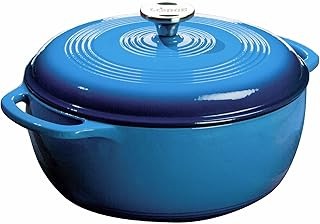
Lodge Enameled Cast Iron Dutch Oven 6-Quart
Enameled interior , no seasoning required, dishwasher safe
Buy on Amazon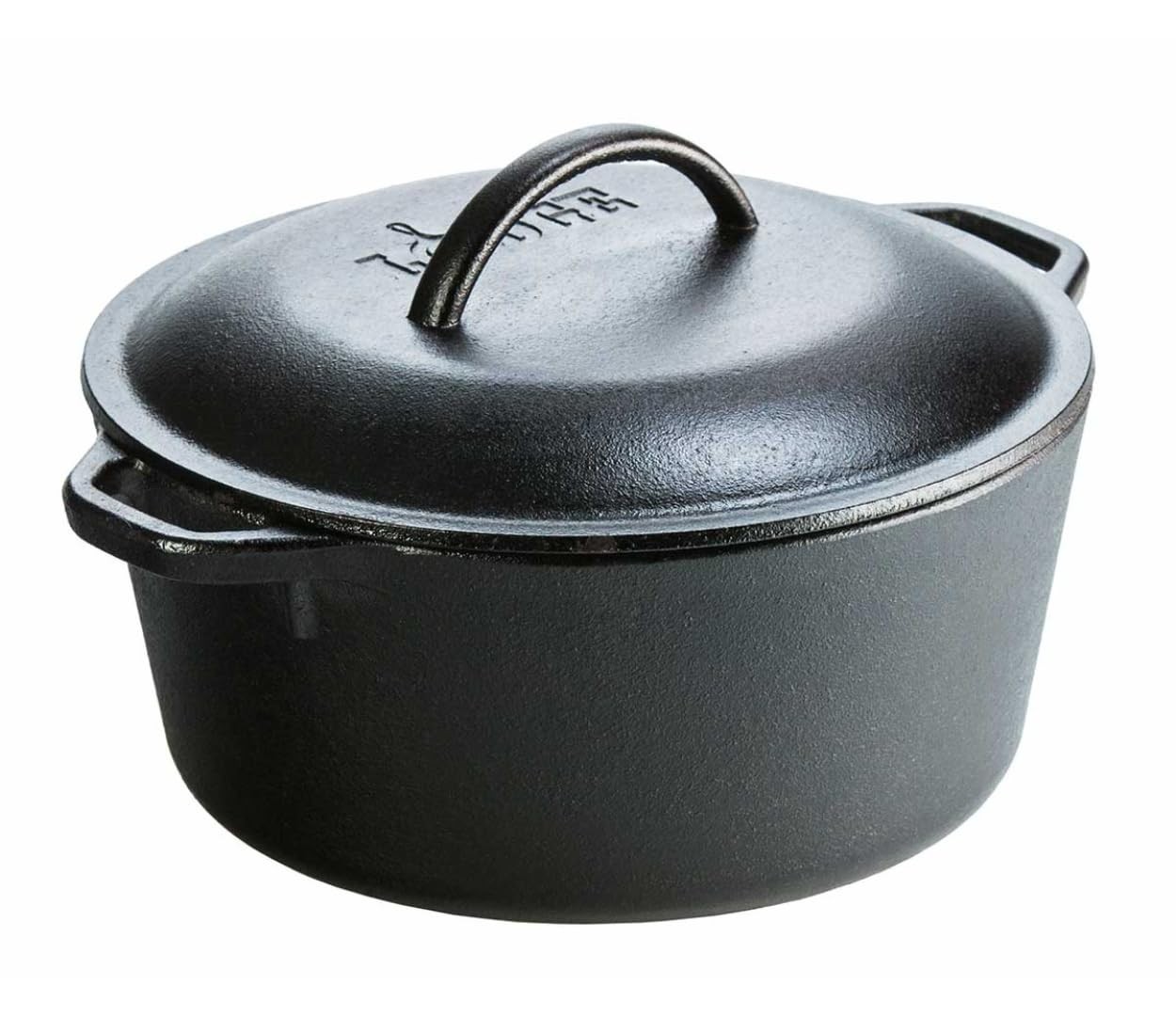
Lodge 6-Quart Cast Iron Dutch Oven
Thick walls retain heat evenly for long braises and stews
Buy on Amazon| Product | Price Range | Top Strength | Key Weakness | Buy |
|---|---|---|---|---|
| Le Creuset 5.5-Quart Round Dutch Oven best overall | $$$ | Even heat distribution eliminates hot spots for slow braises | Over $300 at full retail , a significant investment | Buy on Amazon |
| Lodge Enameled Cast Iron Dutch Oven 6-Quart also consider | $$ | Enameled interior , no seasoning required, dishwasher safe | Enamel quality not as refined as Le Creuset , more prone to chipping over time | Buy on Amazon |
| Lodge 6-Quart Cast Iron Dutch Oven also consider | $ | Thick walls retain heat evenly for long braises and stews | Requires seasoning maintenance , can rust if left wet | Buy on Amazon |
| Staub 5.5-Quart Round Cocotte also consider | $$$ | Self-basting spikes on the lid return moisture back to the food | Dark interior makes it harder to monitor fond development | Buy on Amazon |
| Emile Henry 5.5-Quart Flame Dutch Oven also consider | $$$ | Made from Burgundy clay , lighter than cast iron, excellent heat retention | Not suitable for high-heat searing , clay is best for low-and-slow | Buy on Amazon |
If you’re searching “Le Creuset Dutch oven Sur La Table,” you’re probably already past the research phase and circling toward a purchase. That’s a reasonable place to be. Le Creuset sells through Sur La Table, through Amazon, through their own site, and through a handful of other retailers, and the pricing and availability shift constantly. Before you commit to a specific channel, it’s worth knowing exactly which pot you’re buying and whether it’s the right one for your kitchen. For context on how Dutch ovens fit into the broader cast iron category, the Cast Iron hub covers the full landscape, including bare versus enameled options.
This article covers five Dutch ovens across three price bands. One of them is the right choice for most buyers. I’ll tell you which one, and I’ll tell you why the others might be better or worse for your specific situation.
What to Look For
Capacity and Shape
A 5.5-quart round Dutch oven handles most household cooking tasks. It fits a 4-pound chicken, a full batch of no-knead bread, and enough chili for six without struggling. Go up to 6 quarts if you regularly cook for more than four people or want the extra clearance for larger cuts of meat. Oval shapes exist and are genuinely useful for whole roasts, but they heat less evenly on a round gas burner. Round is the default for a reason.
Enamel Quality
The enamel interior is the difference between a Dutch oven you maintain and one you just use. High-quality enamel resists chipping, doesn’t absorb flavors, and doesn’t require any seasoning. The variation across brands is real. The Le Creuset and Staub interiors perform noticeably differently from the Lodge enameled version over years of hard use. Not worse enough to disqualify Lodge, but different enough that it matters if you’re planning to use the pot four times a week for the next decade.
Lid Fit
A loose lid loses moisture. In a braise running three hours, that matters. The tighter the seal, the less you have to add liquid back. Press the lid down before buying if you’re in a store, or check return policies carefully if you’re ordering online. A lid that rocks is a problem.
Weight
This one gets less attention than it deserves. A fully loaded 5.5-quart Dutch oven can approach 15 pounds. If you have any issues with grip strength or wrist mobility, lifting that out of a 450-degree oven is a real safety consideration, not an abstract one. The Emile Henry addressed below is meaningfully lighter. Worth knowing before you default to cast iron.
Top Picks
Le Creuset 5.5-Quart Round Dutch Oven: The Standard
The Le Creuset 5.5-Quart Round Dutch Oven is the most reviewed Dutch oven on the market, and it earned that position. Even heat distribution across the entire cooking surface eliminates the hot spots that ruin a slow braise. The sand-colored enameled interior lets you monitor fond development as it happens. The lid sits tight enough that moisture returns to the pot rather than escaping.
The price is premium, and I won’t pretend otherwise. Check current price on Amazon, but expect to pay a significant premium over the Lodge options. The counterargument is the lifetime warranty and the math behind it. If you use this pot twice a week and it lasts twenty years, the per-use cost is low. I’ve had my Le Creuset for eleven years without a chip, a crack, or any meaningful degradation. If you’re comparing to the Williams Sonoma Le Creuset Dutch Oven version, the pot itself is identical. The difference is retailer pricing and available colorways, not the cookware.
The heavy lid is the one complaint worth taking seriously. It requires genuine care when checking on food in a hot oven. Not a dealbreaker, but a daily reality.
Staub 5.5-Quart Round Cocotte: The Technical Case
The Staub 5.5-Quart Round Cocotte is at a similar price point to the Le Creuset and competes directly with it on performance. The differentiator is the lid. Staub uses small spikes on the underside that collect condensation and redistribute it back over the food rather than letting it drip from a single point. For self-basting braises and stews, this produces a more evenly moistened result.
The black matte enamel interior is the trade-off. It develops a natural patina over time, which is functionally fine, but it makes it harder to see fond as it builds. If you’re a careful cook who monitors color development closely, that’s a real inconvenience. (I switched back to Le Creuset partly for this reason, which I realize is a specific complaint that won’t bother everyone.) If you cook heavily braised dishes where total moisture retention matters more than fond visibility, Staub is arguably the better technical choice. Those interested in Staub’s more specialized shapes might also look at the Staub Pumpkin Cocotte for a sense of the brand’s range.
Lodge Enameled Cast Iron Dutch Oven 6-Quart: The Middle Ground
The Lodge Enameled Cast Iron Dutch Oven 6-Quart is mid-range pricing and delivers most of what the premium options offer. Same thermal mass, same braising capability, no seasoning required. The extra quart of capacity is a genuine advantage for larger batches.
The enamel is thinner than Le Creuset and Staub, and over years of regular use it shows it. Chipping is more likely, and the lighter interior stains more visibly. If you’re buying this as a starter Dutch oven or as a dedicated bread pot that won’t see heavy stovetop searing, it’s a strong choice. If you’re expecting it to perform like Le Creuset for the next fifteen years, manage expectations. Lodge’s enameled line also extends to other formats worth knowing about, including an enameled cast iron baking dish if you’re building out a set.
Lodge 6-Quart Cast Iron Dutch Oven: The Value Case
The Lodge 6-Quart Cast Iron Dutch Oven is budget pricing and doesn’t pretend to be anything else. Thick walls, excellent heat retention, pre-seasoned, and essentially indestructible if maintained. The braising performance competes with pots costing three to four times as much.
The maintenance requirement is real. Bare cast iron rusts when left wet. The seasoning needs periodic attention. If you already own and use bare Lodge skillets, you know this routine and it doesn’t faze you. If you were hoping for something more hands-off, this isn’t it. This pot is also considerably heavier than the enameled versions, which matters when full of liquid.
Emile Henry 5.5-Quart Flame Dutch Oven: The Lighter Option
The Emile Henry 5.5-Quart Flame Dutch Oven is premium pricing for a fundamentally different material. Burgundy clay is lighter than cast iron, heats evenly, and holds temperature well for low-and-slow cooking. The glazed interior is scratch-resistant and requires no seasoning. Moving it from freezer to oven without thermal shock risk is a practical advantage if you batch-cook and freeze.
The limitation is searing. Clay cannot handle the high heat that gives you a proper crust on meat before a braise. If your process involves building fond on the stovetop before adding liquid, this isn’t the pot for that. For bread baking and long, gentle braises, it performs excellently. Emile Henry’s clay-based approach extends well to other formats, and their tagine is worth looking at if slow-cooked Moroccan-style dishes are part of your regular rotation. My advice would be to pair this with a cast iron skillet for searing rather than expecting one pot to do everything.
How to Choose
Start with your budget. If premium pricing isn’t a concern, the Le Creuset 5.5-Quart wins on enamel quality, warranty, and overall track record. Get it in whatever color you’ll actually like looking at, because you’ll see it constantly.
If you want the moisture-retention advantage over the Le Creuset and you cook mostly braises and stews rather than bread, the Staub is the better technical choice at the same price.
If you’re buying your first serious Dutch oven and aren’t ready to commit to premium pricing, the Lodge Enameled 6-Quart gives you the core capability at mid-range pricing. Expect to replace it eventually, but it will work well in the meantime.
If you already use bare cast iron and prefer cooking without enamel, the bare Lodge 6-Quart is the most cost-effective braising vessel available. The performance is there. The aesthetics aren’t.
If weight is a genuine concern, the Emile Henry is the clearest answer. It gives up searing performance and drop-resistance in exchange for being meaningfully easier to handle. The broader world of enameled cast iron cookware offers additional options in this direction as well.
One situation that comes up: buyers who want the Le Creuset but are weighing retail channels. Sur La Table, Williams Sonoma, Amazon, and Le Creuset’s own site all carry the same pot. Pricing varies and runs promotions on different schedules. Checking Amazon’s current pricing alongside your preferred retail option takes two minutes and occasionally saves you real money on a purchase this significant.
Frequently Asked Questions
Is buying Le Creuset at Sur La Table worth it versus buying on Amazon?
The pot is identical regardless of where you buy it. Sur La Table and Amazon both carry authentic Le Creuset products. The difference is price, which fluctuates, and in-person inspection, which Sur La Table allows. If you want to handle the pot before buying, the store visit is worth it. If you’re comfortable ordering online, check current price on Amazon, compare to the Sur La Table listing, and buy from whichever is cheaper at that moment.
How does Staub compare to Le Creuset for bread baking?
Both work well for no-knead bread. The tight lid fit on the Le Creuset traps steam effectively, which is what bread baking needs. Staub’s self-basting lid design is less relevant here because you’re not trying to baste bread. Either pot will produce a good loaf. If bread is your primary use case, the light-colored Le Creuset interior makes it easier to monitor the bottom crust without removing the lid.
Does the Lodge Enameled Dutch Oven hold up over years of regular cooking?
Over moderate use, it holds up adequately. Over heavy daily use, the enamel shows wear sooner than Le Creuset. The interior stains more readily and chipping is more common after two to three years of frequent cooking. It’s a capable pot for its price point and is not marketed as a lifetime purchase the way Le Creuset is.
Can the Emile Henry Dutch Oven be used on a gas stovetop for searing?
No. The Emile Henry Flame line is rated for stovetop use at low to medium heat, but it cannot handle the high heat required for searing. Attempting to sear at high heat risks cracking the clay. If your cooking process requires building fond before adding braising liquid, use a cast iron or stainless pan for the sear, then transfer to the Emile Henry for the braise.
What size Dutch oven should I buy for a family of four?
A 5.5-quart handles four people comfortably for most recipes. It fits a whole chicken, a standard bread dough, and enough soup or stew for dinner with leftovers. If you regularly cook for six or more, step up to a 6 or 7-quart. The Lodge options covered here are 6-quart, which gives a bit more room. Le Creuset and Staub also make larger sizes, though the 5.5-quart remains the most versatile for household cooking.
Frequently Asked Questions
Is the Le Creuset Dutch oven at Sur La Table the same as on Amazon or Le Creuset's own site?
Yes — Le Creuset sells the same authenticated products through all authorized retailers including Sur La Table, Amazon, and their own site. The difference is pricing, availability of specific colors, and any retailer-exclusive promotions or return policies.
What size Le Creuset Dutch oven should I buy for a family of four?
The 5.5-quart round Dutch oven is the most versatile size for a family of four, handling everything from soups and braises to no-knead bread. If you regularly cook for six or more, the 7.25-quart is worth the upgrade.
Does Sur La Table price-match Le Creuset?
Sur La Table does not have a standing price-match policy, but they do run periodic sales and Le Creuset events where select pieces are discounted. Signing up for their email list is the most reliable way to catch those promotions.
How does the Le Creuset Dutch oven compare to Lodge enameled at half the price?
Both will braise and bake bread effectively, but Le Creuset's enamel is smoother, more chip-resistant, and backed by a lifetime warranty. Lodge enameled is a solid budget pick, though long-term durability and interior finish quality are noticeably lower.
Can I use a Le Creuset Dutch oven on an induction cooktop?
Yes, Le Creuset enameled cast iron Dutch ovens are fully compatible with induction, gas, electric, and ceramic cooktops, as well as oven use up to 500°F with the standard knob.
Where to Buy
Le Creuset 5.5-Quart Round Dutch OvenSee Le Creuset 5.5-Quart Round Dutch Oven on Amazon