Lodge Cast Iron Square Grill Pan: Worth It?

Affiliate disclosure: Some links on this page are affiliate links. If you buy through them we earn a small commission at no extra cost to you. Recommendations are research-driven; we don't claim personal use of every product reviewed. Product prices and availability are accurate as of the date published and are subject to change. Always check Amazon for current pricing before purchasing. Learn more.
Quick Picks
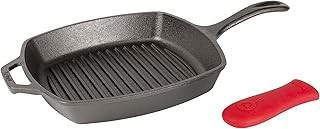
Lodge 10.5-Inch Square Cast Iron Grill Pan
Raised ridges produce grill marks and drain fat away from food
Buy on Amazon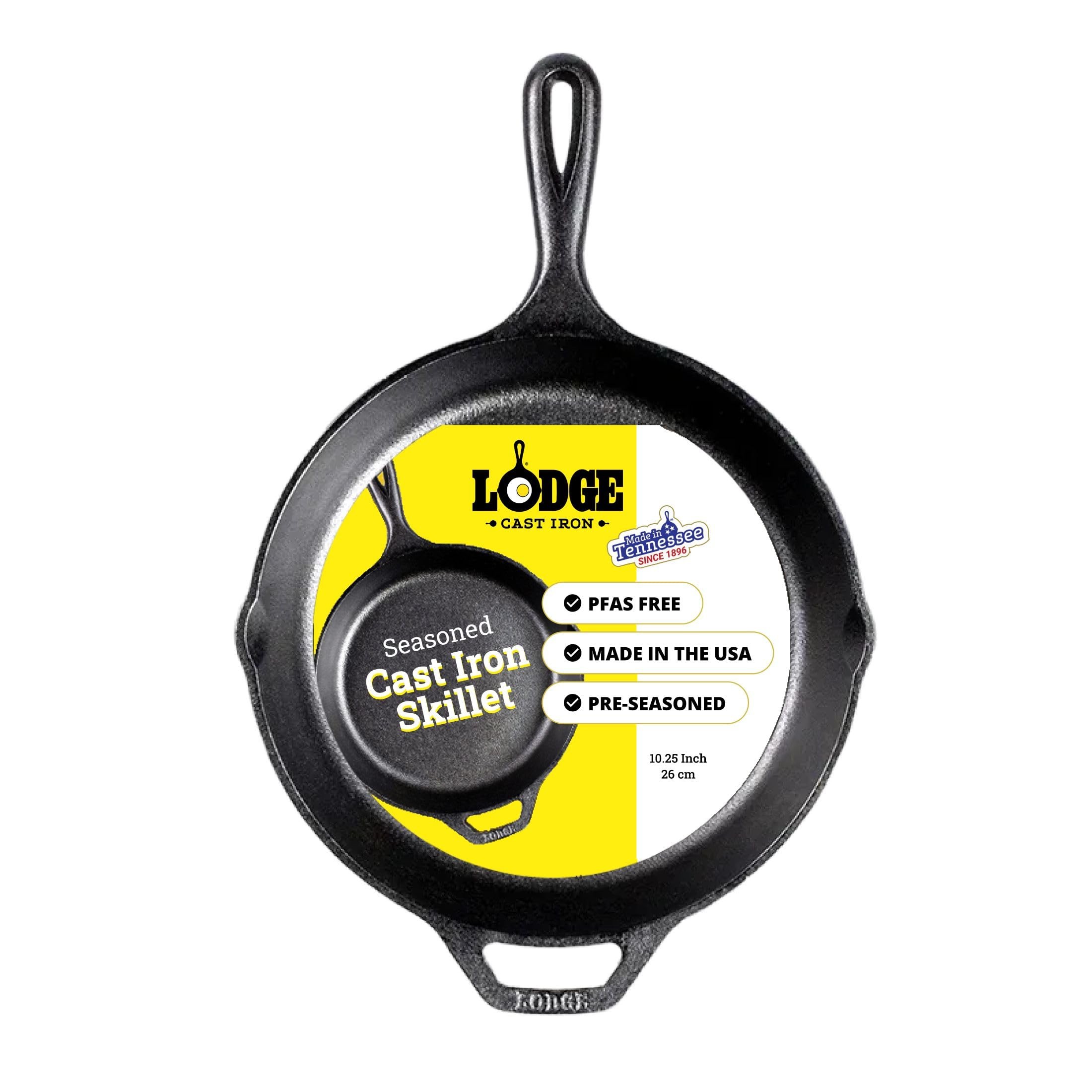
Lodge 12-Inch Cast Iron Skillet
Pre-seasoned and ready to use out of the box
Buy on Amazon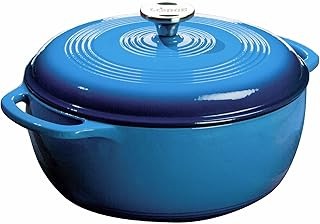
Lodge Enameled Cast Iron Dutch Oven 6-Quart
Enameled interior , no seasoning required, dishwasher safe
Buy on Amazon| Product | Price Range | Top Strength | Key Weakness | Buy |
|---|---|---|---|---|
| Lodge 10.5-Inch Square Cast Iron Grill Pan best overall | $ | Raised ridges produce grill marks and drain fat away from food | Ridged surface is harder to clean than a flat skillet | Buy on Amazon |
| Lodge 12-Inch Cast Iron Skillet also consider | $ | Pre-seasoned and ready to use out of the box | Heavy at 8 lbs , awkward for one-handed flipping | Buy on Amazon |
| Lodge Enameled Cast Iron Dutch Oven 6-Quart also consider | $$ | Enameled interior , no seasoning required, dishwasher safe | Enamel quality not as refined as Le Creuset , more prone to chipping over time | Buy on Amazon |
| Le Creuset Signature Enameled Cast Iron Skillet 10.25" also consider | $$$ | Enameled interior , no seasoning required, non-reactive with acidic foods | Significantly more expensive than bare cast iron alternatives | Buy on Amazon |
If you’ve searched “lodge cast iron square grill pan” and ended up on a page trying to sell you a set of twelve pans, I understand the frustration. This is a more specific question than it looks. You want grill marks indoors, you want to cook chicken or a steak without firing up the outdoor grill, and you’re wondering whether the square format actually matters or whether you should just buy a regular skillet.
I’ve been cooking on cast iron for most of my adult life, and I’ve had enough of both formats in this kitchen to give you a direct answer. My full notes on cast iron cookware across all formats live in the Cast Iron hub if you want the broader picture. What follows is focused on what I’d recommend, why, and who the alternatives are actually suited to.
What to Look For in a Cast Iron Grill Pan
The square format is not marketing. A square pan gives you usable corner-to-corner space that accommodates two chicken breasts, a full fish fillet, or four burger patties in a way a round pan simply doesn’t. If you’ve ever watched one chicken breast hang over the ridge of a round grill pan while the other sits flat, that’s the shape problem the square solves.
The ridges are the other variable. Higher, more widely spaced ridges drain fat more aggressively and produce more pronounced grill marks, which matters for visual presentation. Narrower, lower ridges stay in contact with more surface area and produce a result closer to a flat sear. Neither is wrong. Know which outcome you want.
Heat Distribution
Cast iron heats unevenly at first and then evenly once it’s fully saturated. The corners of a square pan are the last to come up to temperature and the first to drop. For grill pan cooking, this is less of a problem than it sounds because most of what you’re cooking sits across the center ridges, not wedged into a corner. But be aware that corner-placed food will cook slower.
Weight and Handle
A 10.5-inch cast iron grill pan runs between 4.5 and 5.5 pounds. That’s lighter than a 12-inch flat skillet, but it’s still cast iron. If you’re doing any flipping or tilting to drain pooled fat, you want a long handle and ideally a helper handle on the opposite side. Check for that second handle before buying.
Seasoning and Surface Maintenance
Pre-seasoned cast iron is not non-stick cast iron. The ridged surface catches food more than a flat skillet, and cleaning between ridges requires a stiff brush and some attention. If you’re not willing to do that, an enameled cast iron griddle might suit you better. The enamel makes cleanup significantly easier, at a tradeoff in seasoning buildup over time.
Top Picks
Lodge 10.5-Inch Square Cast Iron Grill Pan
The Lodge 10.5-Inch Square Cast Iron Grill Pan is the correct answer to the original question. I’ve used this pan for years, and it does what it claims without any drama about it.
The ridges are pronounced enough to produce visible sear marks and to lift food away from accumulated fat. If you’re cooking bone-in chicken thighs, the fat rendering off those thighs drains to the valleys between the ridges rather than pooling under the food. That’s not trivial. It’s the difference between grilled texture and steamed-in-its-own-fat texture, which is not what you were going for.
The square footprint is genuinely useful. Two full chicken breasts fit side by side without crowding. A standard ribeye fits without the tail hanging over the edge. The pan is pre-seasoned and works on gas, electric, induction, an outdoor grill if you want concentrated heat, and a campfire. This is a budget-priced pan (check current price on Amazon) and it will outlast anything you paid more for if you keep it dry and oil it occasionally.
The two real complaints. First, the ridged surface is more work to clean than a flat skillet. A Lodge pan brush and some hot water handles it, but it takes longer and requires more attention than a smooth surface. Second, the corners heat less evenly than the center. For most grill pan cooking this is a non-issue, but be aware of it.
This is my recommendation for most people reading this article.
Lodge 12-Inch Cast Iron Skillet
The Lodge 12-Inch Cast Iron Skillet is not a grill pan. I’m including it because if your real goal is better searing rather than grill marks specifically, this is what you should buy instead. Or in addition.
A flat 12-inch skillet produces a superior full-contact sear on a steak or chicken breast compared to any grill pan. No grill marks, but more Maillard reaction across the full surface area of the protein. If that outcome matters to you more than the visual, the flat skillet is the more versatile tool.
At budget pricing, this is the value benchmark in bare cast iron. I’ve made the comparison to Le Creuset on price-per-decade before and it holds. If you buy this pan, use it correctly, and build up the seasoning properly, you’re looking at a cooking surface that will still be in someone’s kitchen after you’re gone. (That is either appealing or it isn’t, and I think you already know which camp you’re in.)
The 8-pound weight is real. One-handed flipping is awkward. Acidic foods, tomato sauces, wine braises, require a well-seasoned surface or you’ll get metallic flavor transfer. It’s reactive until you’ve cooked enough fat into it.
Lodge Enameled Cast Iron Dutch Oven 6-Quart
The Lodge Enameled Cast Iron Dutch Oven 6-Quart is not a grill pan either, but it belongs in this comparison because it addresses the bare cast iron maintenance question directly. If the reason you’re hesitating on bare cast iron is the seasoning and cleaning requirements, the enameled version removes those concerns.
The enameled interior needs no seasoning, handles acidic foods without any metallic transfer, and is technically dishwasher safe (though I’d hand-wash it anyway to protect the enamel). The thermal mass is identical to bare Lodge. Braising a chicken, making a long-cooked bean dish, baking bread in it: all of these work the same as they would in any other cast iron dutch oven. This is mid-range pricing, which puts it at roughly half the cost of a comparable Le Creuset, and that price gap is meaningful.
The enamel quality is not at Le Creuset’s level. Over time, chipping is more common, and the lighter porcelain interior stains more visibly than the dark interior of a Staub or the more refined finish on a Le Creuset. For a deeper look at how these compare on braise performance, the review of the Staub 3.5 Qt Braiser is worth reading alongside this one.
For buyers who want enameled cast iron without the premium price, this is the sensible option. Manage your expectations on longevity relative to Le Creuset, but the core cooking performance is there.
Le Creuset Signature Enameled Cast Iron Skillet 10.25”
The Le Creuset Signature Enameled Cast Iron Skillet 10.25” is the premium enameled skillet benchmark. It is significantly more expensive than any bare cast iron alternative. The enamel is more chip-resistant than Lodge’s enameled line, and the lifetime warranty is real and Le Creuset honors it. The interior surface is non-reactive, which means you can cook a pan sauce with wine reductions without worrying about anything you’d worry about with bare iron.
Compared directly to Staub, the Le Creuset has a lighter-colored interior, which makes it easier to see fond development as you cook. The Staub’s black matte interior is better for avoiding staining but makes it harder to judge browning by eye. That’s a genuine functional difference, not just aesthetics, and Le Creuset’s design choice is defensible. If you want more context on Staub’s approach to enameled cast iron, the Le Creuset Provence review covers the full Le Creuset line in more detail.
At premium pricing, this is a long-term purchase. If that’s a number you can absorb and you want enameled cast iron that doesn’t need any management over decades, it’s worth it. If it isn’t, the Lodge enameled option at mid-range pricing will do the job and you can reassess when the enamel eventually chips.
How to Choose
Start with what you’re actually trying to cook. If the answer involves grill marks, char lines on vegetables, or indoor grilling for chicken and steak, the Lodge 10.5-Inch Square Cast Iron Grill Pan is the right tool. It’s at budget pricing, it does the specific job well, and the cleaning overhead is manageable.
If you want a flat sear with maximum surface contact, or you’re building a first cast iron collection and can only have one pan, the 12-inch Lodge flat skillet is more versatile. Get the grill pan when you want the second tool.
If your hesitation about cast iron is the maintenance requirements, bare iron is not the answer. The Lodge enameled dutch oven removes the seasoning variable at a reasonable price. The Le Creuset skillet removes it at a premium price with a better enamel quality guarantee. Neither is wrong. They serve different budgets and different tolerances for long-term replacement costs.
For anyone building out a cast iron setup more systematically, the broader resources in our cast iron cookware coverage cover griddles, baking dishes, and specialty pieces like the enameled cast iron baking dish that round out a full kitchen setup.
My actual recommendation: buy the Lodge square grill pan if that’s what you came here looking for. It’s the answer to the question you asked, at a price that makes the question easy to answer.
Frequently Asked Questions
Is the Lodge square grill pan worth it compared to a regular round grill pan?
The square format gives you more usable cooking area, particularly for items like chicken breasts or fish that don’t fit neatly into a circle. Two average-sized chicken breasts fit side by side in the 10.5-inch square pan without crowding. In a standard round grill pan of similar diameter, at least one piece will hang over the edge or won’t sit flat on the ridges. If you’re cooking for two people regularly, the square format earns its keep.
How do I clean a cast iron grill pan with ridges?
Use a stiff cast iron brush (Lodge makes one that fits the ridges reasonably well) with hot water immediately after cooking while the pan is still warm. For stubborn residue between ridges, a small amount of coarse kosher salt with the brush helps. Dry it completely on the burner over low heat, and apply a very thin coat of neutral oil before storing. The ridges add time to this process compared to a flat skillet. Budget an extra two or three minutes.
Can I use the Lodge square grill pan on an induction cooktop?
Yes. Cast iron is magnetic and works on induction cooktops without any modification. The pan heats more slowly on induction than on gas in my experience (I timed this), but it reaches and holds temperature the same way. Preheat it for at least five minutes before adding food, same as you would on any other heat source.
What’s the difference between the Lodge enameled dutch oven and Le Creuset at this price difference?
The core cooking performance is comparable. The difference is in enamel quality and longevity. Le Creuset’s enamel is harder, more resistant to chipping, and the interior finish is more refined. Lodge’s enameled line performs well for a number of years but is more prone to chipping over time, particularly if you’re using metal utensils or subjecting it to thermal shock. If you cook acidic dishes frequently and want a long-term piece, the Le Creuset price is defensible. If you want enameled cast iron at a more accessible price and accept you may be replacing it eventually, Lodge’s enameled line is the reasonable choice.
Do I need to season a Lodge cast iron grill pan before using it?
Lodge ships its cast iron pre-seasoned with vegetable oil applied at the factory. You can cook with it out of the box. That initial seasoning is a starting point, not a finished surface. The pan will improve with use over the first several months as fat polymerizes into the iron with each cook. Avoid soap for the first few months, keep it dry, and oil it lightly after each wash. After a year of regular use, the seasoning will be noticeably more developed and the surface will perform better than it did when new.
Frequently Asked Questions
Does the square shape of the Lodge grill pan actually matter, or is a round grill pan just as good?
The square shape matters for cooking two full portions simultaneously. A round grill pan forces awkward angles for chicken breasts, fish fillets, or multiple burgers — the square corners provide usable cooking area that a round pan wastes.
How do I clean the Lodge cast iron square grill pan between the ridges?
A stiff-bristled brush or Lodge's dedicated grill pan scraper reaches between ridges most effectively. Clean the pan while it's still warm, avoid soaking, rinse, dry immediately over low heat, and apply a thin coat of oil before storing.
Will a Lodge cast iron square grill pan produce real grill marks indoors?
Yes — the raised ridges char lines into food the same way an outdoor grill grate does. The marks are more pronounced when the pan is fully preheated for several minutes over medium-high heat before food goes in.
Is the Lodge square grill pan better for steaks or chicken?
It works for both, but it excels with chicken breasts, fish, and vegetables where the shape advantage is clearest. For steaks, a flat skillet is often preferred because full contact produces a better crust — grill marks sacrifice surface coverage for appearance.
Does the Lodge cast iron square grill pan work on induction cooktops?
Yes — Lodge bare cast iron is induction compatible because it is magnetic. The square grill pan works on induction, gas, electric, and ceramic cooktops, as well as in the oven.
Where to Buy
Lodge 10.5-Inch Square Cast Iron Grill PanSee Lodge 10.5-Inch Square Cast Iron Gril… on Amazon