Lodge Enameled Cast Iron Cookware: A Buyer's Guide

Affiliate disclosure: Some links on this page are affiliate links. If you buy through them we earn a small commission at no extra cost to you. Recommendations are research-driven; we don't claim personal use of every product reviewed. Product prices and availability are accurate as of the date published and are subject to change. Always check Amazon for current pricing before purchasing. Learn more.
Quick Picks
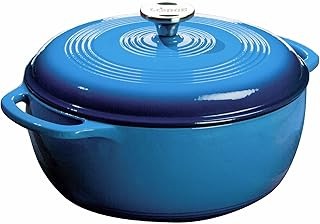
Lodge Enameled Cast Iron Dutch Oven 6-Quart
Enameled interior , no seasoning required, dishwasher safe
Buy on Amazon
Le Creuset 5.5-Quart Round Dutch Oven
Even heat distribution eliminates hot spots for slow braises
Buy on Amazon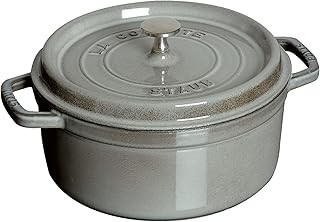
Staub 5.5-Quart Round Cocotte
Self-basting spikes on the lid return moisture back to the food
Buy on Amazon| Product | Price Range | Top Strength | Key Weakness | Buy |
|---|---|---|---|---|
| Lodge Enameled Cast Iron Dutch Oven 6-Quart best overall | $$ | Enameled interior , no seasoning required, dishwasher safe | Enamel quality not as refined as Le Creuset , more prone to chipping over time | Buy on Amazon |
| Le Creuset 5.5-Quart Round Dutch Oven also consider | $$$ | Even heat distribution eliminates hot spots for slow braises | Over $300 at full retail , a significant investment | Buy on Amazon |
| Staub 5.5-Quart Round Cocotte also consider | $$$ | Self-basting spikes on the lid return moisture back to the food | Dark interior makes it harder to monitor fond development | Buy on Amazon |
| Cuisinart Chef's Classic Enameled Cast Iron 5-Quart Dutch Oven also consider | $$ | Enameled interior at under $100 , significantly cheaper than Le Creuset | Enamel quality noticeably thinner than Le Creuset or Staub | Buy on Amazon |
Enameled cast iron is one of those categories where the price range is genuinely wide and the quality differences are real. You can spend roughly six times more on a Le Creuset than on a Lodge and get a noticeably different product. Whether that difference matters to how you actually cook is a separate question, and one I’ll try to answer directly. If you’re working through the broader world of cast iron options, the Cast Iron hub has a full overview of what’s available.
This guide covers four Dutch ovens across the mid and premium price bands. I’ve cooked with all four over the past several years and have opinions about all of them.
What to Look For
Enamel Quality
The enamel coating is doing two jobs: protecting the cast iron from moisture and giving you a non-reactive cooking surface that doesn’t need seasoning. The difference between budget and premium enamel isn’t marketing language. It’s visible in how the finish sits on the rim, how resistant it is to chipping when a lid comes down hard, and how it holds up after five years of use. Thinner enamel shows staining faster and chips earlier, typically starting at the rim.
If you’ve ever picked up a chip of white enamel in a braise and spent ten minutes wondering where it came from, you understand why this matters.
Lid Fit
A tight lid matters most for two applications: no-knead bread (where trapped steam creates the crust) and long braises (where moisture loss affects both the texture of the meat and how much the liquid reduces). Test a lid before you buy if you can. If you’re buying online, the Staub and Le Creuset lids are both reliably tight. Budget options vary.
Interior Color
This is more practical than it sounds. A light cream or white interior lets you monitor fond development as it happens. Fond is the brown bits that build up on the bottom during searing and early braising, and reading it correctly is how you know when to deglaze. A dark interior, like the black matte enamel inside a Staub, makes that harder. Not impossible, just harder. (I’ve burned fond in a Staub more than once before adjusting my timing.)
Weight and Handle Design
Cast iron Dutch ovens are heavy before you add food. A 6-quart filled with a pork shoulder and braising liquid is a serious lift. Look for large, wide loop handles that give you a secure grip with oven mitts on. Some lids are heavy enough that you’ll want to think about where you’re setting them down while you check the braise.
Size
A 5 to 6-quart Dutch oven handles most household cooking tasks. A whole chicken fits. A three-pound braise fits. A no-knead bread loaf fits. If you regularly cook for more than six people, a 7-quart makes sense. The products below are all in the 5.5 to 6-quart range.
Top Picks
Lodge Enameled Cast Iron Dutch Oven 6-Quart
Lodge’s enameled line sits at mid-range pricing and delivers the same thermal mass you’d get from any bare Lodge for considerably less than the French premium brands. The enamel interior means no seasoning, no rust concerns, and yes, dishwasher safe if that’s a priority for you.
The tradeoff is real, though. The porcelain finish is thinner than Le Creuset or Staub, and it shows. After two years of regular use, I started seeing minor staining on the interior that wouldn’t wipe off cleanly. Chipping is possible if you’re not careful about banging the lid. Available in multiple colors, which matters more to some cooks than others.
For a buyer who wants the convenience of enameled cast iron without the premium price, this is the honest recommendation. It’s not a lifetime piece the way Le Creuset is, but it performs well for everyday cooking and the price difference is substantial.
Le Creuset 5.5-Quart Round Dutch Oven
Le Creuset is premium pricing, full stop. It costs roughly three times the Lodge enameled Dutch oven. The lifetime warranty is real, and if you actually keep and use a piece for twenty or thirty years, the math on cost-per-use improves considerably. Whether that framing convinces you depends on how you think about kitchen equipment. I find it convincing. Others don’t.
What you get for the price. Even, consistent heat distribution that eliminates hot spots. A lid that fits tightly enough for no-knead bread without any adjustments. An enamel finish that, after eight years of use on the unit I own, shows no chipping and minimal staining. Available in over fifteen colorways, which I mention because some people genuinely care about this and there’s no reason to pretend otherwise.
The lid is heavy. If you have any wrist or grip concerns, check the lid weight before committing. It’s not a minor inconvenience.
For more on the color options and where Le Creuset sits in the broader enameled cookware market, the Le Creuset Provence review covers the specific line in detail.
Staub 5.5-Quart Round Cocotte
Staub is also premium pricing, landing close to Le Creuset on price. The comparison between the two comes down to lid design and interior finish, and those differences are meaningful depending on what you cook.
The Staub lid has self-basting spikes on the interior that collect condensation and drip it back down onto the food in a more distributed pattern than a smooth lid. For long, low braises where you want the meat basted continuously without lifting the lid, this works. The construction is slightly heavier than Le Creuset, which means marginally better heat retention once the pot is up to temperature.
The black matte enamel interior develops a natural patina over time, which is fine functionally but does make it harder to read fond. If you’re a confident braiser who doesn’t need to visually monitor the bottom of the pot, this is a non-issue. If you’re still building that skill, the lighter Le Creuset interior is more forgiving.
The Staub Pumpkin Cocotte review goes into the Staub brand more specifically, including the design differences across the line.
Cuisinart Chef’s Classic Enameled Cast Iron 5-Quart Dutch Oven
This is the budget enameled Dutch oven in this group. It’s priced well below the Lodge unit and significantly below the premium brands. The enamel interior is non-reactive, the wide flat base distributes heat reasonably well, and it’s oven-safe to 500°F, which covers everything most home cooks do.
The enamel is noticeably thinner than anything else on this list. The lid fit is imprecise enough that steam escapes during long braises, which affects moisture retention in ways you’ll notice in the finished dish. For occasional use, a gift, or someone testing whether they like enameled cast iron before spending more, this makes sense. As a daily workhorse, it won’t hold up the way the Lodge unit does, let alone Le Creuset or Staub.
How to Choose
If budget is the constraint, the Lodge enameled 6-quart is the better mid-range buy over the Cuisinart. The enamel is thicker, the lid fits better, and it will last longer under regular use.
If you cook frequently and want something that improves with use rather than degrades, the Le Creuset or Staub are worth the premium pricing. Between those two. Le Creuset for visibility and straightforward use. Staub for long braises where the self-basting lid function is a genuine advantage, though I’ll acknowledge that advantage is marginal if you’re lifting the lid every thirty minutes anyway.
The Cuisinart makes sense as a first enameled Dutch oven when you’re not sure how much use it will get. If you find yourself reaching for it three times a week, replace it with the Lodge or Le Creuset within a year or two. The enamel will tell you when it’s time.
A note on care: enameled cast iron is more forgiving than bare cast iron, but it’s not indestructible. Avoid thermal shock (cold water on a hot pot), use silicone or wooden utensils to protect the enamel, and store lids separately if you’re stacking. If you’re also looking at flat cooking surfaces, the enameled cast iron griddle review covers that side of the category, and the enameled cast iron baking dish is worth reading if you’re considering baking applications.
For current pricing on any of these, check the Amazon listings directly. Prices on enameled cast iron shift more than you’d expect, and Le Creuset in particular runs periodic sales that close the gap with Lodge somewhat.
The full picture on cast iron cookware, including bare versus enameled comparisons, is in the Cast Iron section.
Frequently Asked Questions
Is Lodge enameled cast iron as good as Le Creuset?
For everyday cooking, Lodge enameled cast iron performs competently at a fraction of the price. The thermal mass is comparable. The difference shows up in enamel durability over years of use, lid fit precision, and long-term resistance to chipping and staining. Le Creuset’s finish is noticeably higher quality and the lifetime warranty backs that claim. If you use a Dutch oven frequently and plan to keep it for ten or more years, Le Creuset justifies the premium. For lighter use, Lodge is a reasonable choice.
Does enameled cast iron need to be seasoned?
No. The enamel coating replaces the seasoning layer that bare cast iron requires. The interior is non-reactive and non-stick enough for most applications without any preparation. The Staub black matte interior will develop a light patina with use, which improves its non-stick properties, but that happens naturally and doesn’t require any special treatment.
Can I use enameled cast iron on an induction cooktop?
Yes. Cast iron is compatible with induction regardless of whether it’s enameled or bare. The enamel coating doesn’t affect magnetic conductivity. Verify the flat base sits correctly on your induction surface, particularly with Lodge, where the base can occasionally have minor irregularities from casting.
Why does my enameled Dutch oven show brown stains that won’t wash off?
Staining on the light enamel interior is common with high-heat cooking and acidic ingredients. A paste of baking soda and water left to sit for 15 to 20 minutes removes most staining without damaging the enamel. Bar Keepers Friend on a damp cloth also works. Avoid steel wool or abrasive scrubbers. If staining persists, it’s cosmetic and doesn’t affect cooking performance.
What size Dutch oven should I buy?
A 5 to 6-quart Dutch oven handles the widest range of household cooking tasks. A whole 3.5-pound chicken fits. Standard bread recipes fit. Braises for four to six people fit. The 5.5-quart Le Creuset and Staub units in this guide are the sizes I’d recommend for most cooks. Go to 7-quart if you regularly cook for more than six people or make large batches for freezing.
Frequently Asked Questions
Does Lodge enameled cast iron need to be seasoned like bare cast iron?
No — the whole point of enameled cast iron is that the enamel coating replaces seasoning. You can cook acidic foods like tomatoes and wine sauces in it from day one without worrying about stripping a seasoning layer.
How does Lodge enameled cast iron compare to Le Creuset at twice the price?
Both perform well for braising and baking, but Le Creuset's enamel is noticeably smoother, more chip-resistant, and backed by a lifetime warranty. Lodge enameled is the right choice for budget-conscious buyers; Le Creuset is the better long-term investment if you can afford it.
Is Lodge enameled cast iron dishwasher safe?
Lodge says their enameled cast iron is dishwasher safe, though hand washing is recommended to preserve the enamel and extend the life of the finish. Repeated dishwasher cycles can degrade the exterior gloss over time.
What should I look for when shopping for Lodge enameled cast iron?
Focus on enamel thickness and rim quality — budget enameled cookware tends to chip first at the rim. Also check lid fit, as a tighter seal retains more moisture during braises and slow cooks.
Can Lodge enameled cast iron Dutch ovens go in the oven?
Yes — Lodge enameled Dutch ovens are oven safe, though the specific maximum temperature depends on the model and handle construction. Check the product specs for your piece, as some phenolic handles limit oven use to 400°F or lower.
Where to Buy
Lodge Enameled Cast Iron Dutch Oven 6-QuartSee Lodge Enameled Cast Iron Dutch Oven 6… on Amazon