HexClad Promo Code Guide: Skip the Codes, Buy Smart

Affiliate disclosure: Some links on this page are affiliate links. If you buy through them we earn a small commission at no extra cost to you. Recommendations are research-driven; we don't claim personal use of every product reviewed. Product prices and availability are accurate as of the date published and are subject to change. Always check Amazon for current pricing before purchasing. Learn more.
Quick Picks
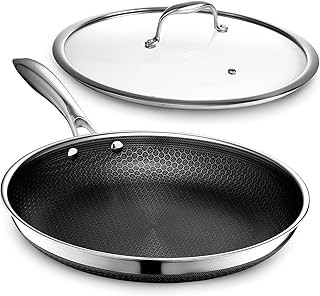
HexClad 12-Inch Hybrid Stainless/Nonstick Pan
Hybrid hexagonal surface combines stainless searing with nonstick release
Buy on Amazon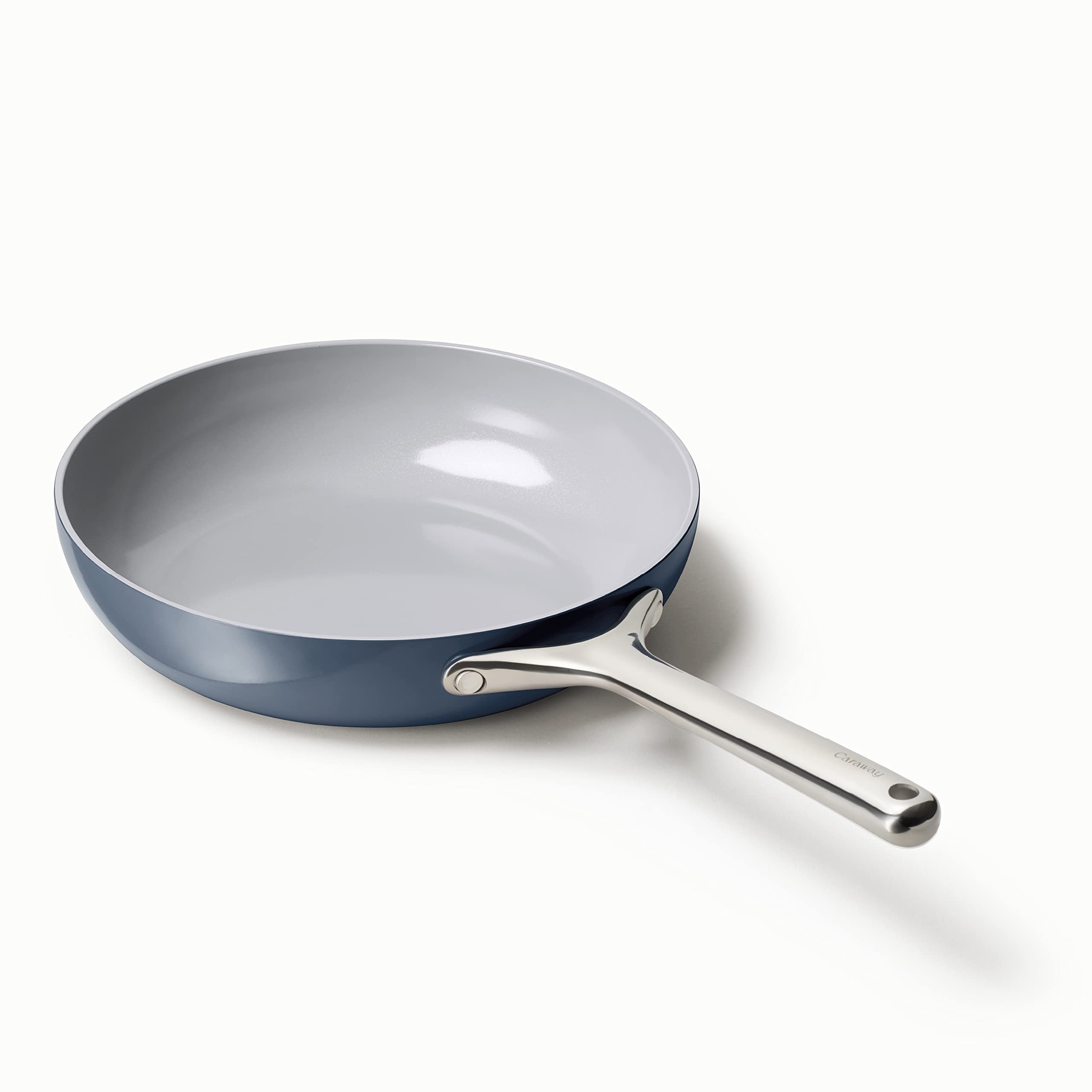
Caraway Ceramic Nonstick Frying Pan 10.5"
Ceramic-coated , PTFE and PFOA-free
Buy on Amazon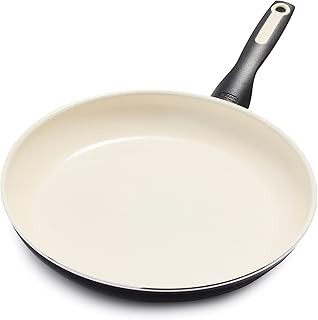
GreenPan GP5 Ceramic Nonstick 12" Skillet
Thermolon Minerals ceramic coating , PFAS-free and scratch-resistant
Buy on Amazon| Product | Price Range | Top Strength | Key Weakness | Buy |
|---|---|---|---|---|
| HexClad 12-Inch Hybrid Stainless/Nonstick Pan best overall | $$$ | Hybrid hexagonal surface combines stainless searing with nonstick release | Very expensive for a nonstick-category pan | Buy on Amazon |
| Caraway Ceramic Nonstick Frying Pan 10.5" also consider | $$ | Ceramic-coated , PTFE and PFOA-free | Ceramic coating degrades faster than PTFE with high-heat or metal utensil use | Buy on Amazon |
| GreenPan GP5 Ceramic Nonstick 12" Skillet also consider | $$ | Thermolon Minerals ceramic coating , PFAS-free and scratch-resistant | Coating still degrades faster than PTFE with high-heat cooking | Buy on Amazon |
| Viking Culinary Hard Anodized Nonstick 10-Inch Fry Pan also consider | $$ | Hard anodized exterior is more durable than standard aluminum | PTFE coating will eventually degrade with use | Buy on Amazon |
If you landed here searching for a HexClad promo code, I’ll tell you upfront: meaningful discount codes for HexClad are rare, short-lived, and usually not worth waiting for. What actually saves you money is deciding whether you need HexClad at all before you buy it. That’s what this guide does. I’ve cooked with hybrid, ceramic, and traditional PTFE nonstick pans long enough to have opinions about which category earns its price and which is mostly marketing. The four pans below cover the full range of what’s available in Nonstick & Ceramic cookware right now, and I’ll tell you which one I’d actually put money toward.
What to Look For in a Nonstick or Hybrid Pan
Coating Type Determines Durability More Than Any Other Factor
There are three coating technologies in this category: PTFE (traditional nonstick, including Teflon-style coatings), ceramic (PFAS-free, typically Thermolon or similar), and hybrid surfaces like HexClad’s hexagonal pattern that combine exposed stainless peaks with nonstick valleys. Each degrades differently.
PTFE coatings are the most durable day-to-day. Used properly, they last three to five years in a working kitchen. The failure mode is predictable: the coating scratches or flakes if you use metal utensils, and it degrades faster if you cook over high heat repeatedly.
Ceramic coatings are PTFE- and PFAS-free, which matters to some buyers. The tradeoff is that ceramic degrades faster than PTFE under the same conditions. If you’ve ever had a “green” nonstick pan stop releasing eggs after about eighteen months of regular use, that’s the coating wearing down. It’s not a defect, it’s just the material.
Hybrid surfaces like HexClad’s work differently. The stainless peaks take the mechanical abuse from utensils, and the nonstick valleys handle release. In theory, this extends coating life. In practice, it also means less total nonstick surface contact, so release isn’t as frictionless as a dedicated PTFE pan.
Weight and Heat Response
Nonstick pans are generally lighter than stainless, and that’s partly the point. If you want a pan you can use one-handed every morning without thinking about it, weight matters. Hard anodized construction adds some mass but improves heat distribution. Hybrid pans like HexClad are meaningfully heavier than standard nonstick.
Induction Compatibility
Not every nonstick pan works on induction. If you have an induction range, check for a magnetic stainless base before buying. All four pans below are induction-compatible, but it’s worth confirming because not every pan in these brands’ lineups qualifies.
Top Picks
HexClad 12-Inch Hybrid Stainless/Nonstick Pan
HexClad 12-Inch Hybrid Stainless/Nonstick Pan is the premium option here, and at premium pricing, it needs to earn that position.
The hybrid hexagonal surface does what HexClad claims. The stainless peaks mean you can use metal utensils without scraping the nonstick coating, and the pan can genuinely sear. I’ve gotten a credible crust on chicken thighs in this pan, which you cannot do in a standard PTFE nonstick. The oven-safe rating to 500°F is real and useful. The lifetime warranty is a differentiator.
Here’s the honest question to ask yourself before buying: do you actually need one pan to do both jobs, or do you need two good pans? A dedicated 12-inch PTFE nonstick, which you can find in the mid-range category, handles eggs, fish, and delicate proteins better than any hybrid surface. A dedicated stainless skillet, comparable to the All-Clad D3 that I cooked with for eight years before switching, sears better than HexClad. The hybrid sits between those two tools rather than replacing either one of them completely.
If you’ve committed to building a minimal pan collection and want a single skillet that can do more than standard nonstick without full stainless technique requirements, HexClad earns its position. If you’re buying it because you saw it on a cooking show and it looked sleek, the price will sting once you realize it lives on your stovetop like any other pan. Check current price on Amazon. It’s also worth knowing the pan pairs well with HexClad’s own tools, including their HexClad Utensil Set, which is designed to handle the hex surface without issues.
Caraway Ceramic Nonstick Frying Pan 10.5”
Caraway Ceramic Nonstick Frying Pan is the entry point for buyers who want the Caraway system without committing to the full set. Mid-range pricing for a 10.5-inch pan, which positions it against the GreenPan below.
The ceramic coating is PTFE- and PFOA-free. The magnetic stainless base works on induction. The 550°F oven-safe rating is higher than most ceramic competitors. Caraway’s build quality feels considered, and the pan heats evenly across the base.
The durability question is the one buyers get wrong most often. Ceramic coatings are not more durable than PTFE. They degrade faster under high heat and cannot tolerate metal utensils the way PTFE can. If you want to understand the Caraway trade-offs before buying, our piece on Caraway cookware bad reviews covers the specific failure patterns buyers report after extended use.
For low-to-medium heat cooking, eggs, crepes, sautéed vegetables, the Caraway performs well. Keep it away from sustained high heat and use wood or silicone utensils, and you’ll extend the coating life meaningfully. Ignore those rules, and ceramic degrades faster than PTFE under identical conditions. Check current price on Amazon.
GreenPan GP5 Ceramic Nonstick 12” Skillet
GreenPan GP5 Ceramic Nonstick 12” Skillet covers more surface area at mid-range pricing, making it the better comparison point against Caraway for buyers choosing between ceramic options.
The Thermolon Minerals coating is PFAS-free and GreenPan’s most scratch-resistant formulation. The hard anodized exterior distributes heat better than standard aluminum, and the 600°F oven-safe rating leads this category. For a ceramic pan, those are real specs.
Against the Caraway, the GP5 is the more practical choice for a 12-inch cooking surface. The Caraway is 10.5 inches, which sounds close but shows up when you’re sautéing a full portion of vegetables and they’re falling over the edge. (I have done this, more than once, which I realize is a specific complaint.) The GreenPan handle is functional but becomes uncomfortable during longer cooking sessions, which isn’t a problem if you’re doing a quick weeknight sauté but matters for a 30-minute braise.
Both ceramic options will outlast their coating if you stay below medium-high heat and avoid metal utensils. Neither will match the longevity of the Viking below for heavy daily use. Check current price on Amazon.
Viking Culinary Hard Anodized Nonstick 10-Inch Fry Pan
Viking Culinary Hard Anodized Nonstick 10-Inch Fry Pan is the practical choice for anyone who wants reliable nonstick performance without the ceramic trade-offs.
PTFE coating is more durable than ceramic at this price point. That’s not a matter of opinion, it’s how the materials behave under heat and abrasion. If you cook eggs every morning and want the pan to still work properly two years from now, PTFE outperforms ceramic under real kitchen conditions. The hard anodized exterior improves on standard aluminum for even heating and scratch resistance on the outside of the pan.
Viking’s brand recognition in nonstick is lower than Calphalon or All-Clad, and that’s a fair observation. It does not affect how the pan performs. The 400°F oven-safe limit is the lowest of the four options here, though most tasks that require a nonstick pan don’t need oven temperatures above 400°F. Induction compatible.
If you’re shopping for an induction cooktop and want a reliable PTFE skillet for everyday use, this is where I’d spend money at mid-range pricing. For more induction-specific guidance on what surfaces work and which ones to skip, our induction cookware griddle review covers the heat distribution differences in detail. Check current price on Amazon.
How to Choose
Buy HexClad if you want a single pan that can handle both searing and nonstick cooking and you’re prepared to pay premium pricing for that versatility. Buy it because you’ve thought about your pan collection, not because of a marketing pitch. It also works well paired with the HexClad baking sheet if you’re building out a cohesive HexClad kitchen.
Buy Caraway or GreenPan if PTFE-free cooking is a priority and you’re disciplined about keeping nonstick pans away from high heat. Between the two, Caraway makes sense for a 10.5-inch everyday pan with induction capability. GreenPan makes more sense if you need 12 inches and a slightly higher oven rating. If sourcing and manufacturing matter to your purchase decision, our article on where Caraway pans are made covers the production details.
Buy Viking if you want the most durable nonstick coating for daily use at mid-range pricing. PTFE will degrade eventually, but it will outlast ceramic under equivalent cooking conditions, and the hard anodized construction makes this a solid long-term kitchen tool without premium pricing.
One category I’d push back on: if you’re chasing a HexClad promo code because you’re not sure the price is justified, that uncertainty is worth listening to. HexClad makes a well-built product. It does not replace dedicated cookware if your cooking requires dedicated cookware. The best place to get oriented on the full range of options in this class is the Nonstick & Ceramic hub, which covers the broader category beyond these four pans.
Frequently Asked Questions
Does a HexClad promo code actually make the pan worth buying?
Occasionally HexClad releases limited discounts through their website or promotional periods. When they appear, they’re modest and expire quickly. Whether the pan is worth buying has nothing to do with the discount. At premium pricing with or without a code, HexClad makes sense for a specific buyer who wants hybrid sear-plus-nonstick performance in one pan. If that buyer is you, the full price is justifiable. If you’re waiting for a code to make an uncertain purchase feel more confident, buy the Viking or GreenPan instead and spend the difference on something else.
How long does HexClad’s nonstick coating actually last?
HexClad’s hybrid surface holds up longer than standard ceramic or even most PTFE coatings under normal use because the stainless peaks absorb the utensil and abrasion wear instead of the coating itself. With reasonable care, including occasional seasoning and avoiding cooking spray residue buildup, most users report four to six years of solid performance. The lifetime warranty covers manufacturing defects, not coating wear from normal use, so read the terms before assuming it covers everything.
Is ceramic nonstick actually safer than PTFE?
The PTFE used in modern nonstick pans, manufactured without PFOA since 2013, has not been shown to pose health risks at normal cooking temperatures. The concern with older Teflon-style coatings was PFOA in the manufacturing process, not PTFE itself. Ceramic coatings are genuinely PFAS-free, which some buyers prefer regardless of current regulatory science. If that matters to your buying decision, Caraway and GreenPan are the right choices. If durability is your primary concern, PTFE is the more practical material.
What’s the real difference between Caraway and GreenPan?
Both use PTFE-free ceramic coatings and both are induction compatible. Caraway emphasizes design, offers a coordinated storage system, and targets buyers building a complete kitchen aesthetic. GreenPan focuses on coating technology, and the GP5’s Thermolon Minerals formulation is among the more scratch-resistant ceramic options available at mid-range pricing. Caraway is 10.5 inches, GreenPan is 12 inches. For a working kitchen where aesthetics are secondary to function, GreenPan gives you more surface area at comparable or lower pricing. For a kitchen where the pan will sit on display on a magnetic rack, Caraway is the better-looking object.
Can any of these pans go in the dishwasher?
Technically, most of them claim dishwasher compatibility. In practice, dishwasher detergent and heat cycles degrade nonstick coatings faster than hand washing, regardless of what the manufacturer says. This applies to PTFE, ceramic, and hybrid surfaces. If you want your pan to last anywhere near its rated lifespan, hand wash with warm soapy water. Five minutes of washing is not the barrier between you and a clean pan, and your coating will last noticeably longer.
Frequently Asked Questions
Does HexClad offer discount codes or promo codes?
HexClad occasionally offers limited-time promotions, especially around Black Friday, Cyber Monday, and holiday gifting seasons, but publicly circulating promo codes are rarely valid. The best discounts come from direct HexClad email lists or bundled set pricing.
Is HexClad worth the price without a discount code?
HexClad is worth full price if you specifically want a metal utensil-safe hybrid pan that can sear and release without switching cookware. If you only need standard nonstick performance, ceramic or PTFE pans from GreenPan or Viking deliver comparable release at significantly lower cost.
What is HexClad's hybrid surface technology?
HexClad uses a laser-etched hexagonal pattern that creates a surface of stainless steel peaks and nonstick valleys. The peaks handle browning and searing while the valleys provide nonstick release — and the peaks also shield the nonstick valleys from metal utensil contact.
How long does HexClad's nonstick coating last?
HexClad's hybrid nonstick valleys are protected by the raised stainless peaks, which extends coating life compared to exposed PTFE surfaces. With normal use and hand washing, the nonstick performance should remain effective for 5 or more years, though high-heat repeated use will accelerate wear.
What is the best alternative to HexClad if I don't want to pay full price?
GreenPan GP5 offers PFAS-free ceramic nonstick with hard anodized construction at a significantly lower price and is a strong alternative for everyday cooking. For PTFE durability without ceramic trade-offs, Viking Culinary Hard Anodized is the value pick.
Where to Buy
HexClad 12-Inch Hybrid Stainless/Nonstick PanSee HexClad 12-Inch Hybrid Stainless/Nons… on Amazon