Shun Kaji Knives Buyer Guide: Worth the Premium?

Affiliate disclosure: Some links on this page are affiliate links. If you buy through them we earn a small commission at no extra cost to you. Recommendations are research-driven; we don't claim personal use of every product reviewed. Product prices and availability are accurate as of the date published and are subject to change. Always check Amazon for current pricing before purchasing. Learn more.
Quick Picks
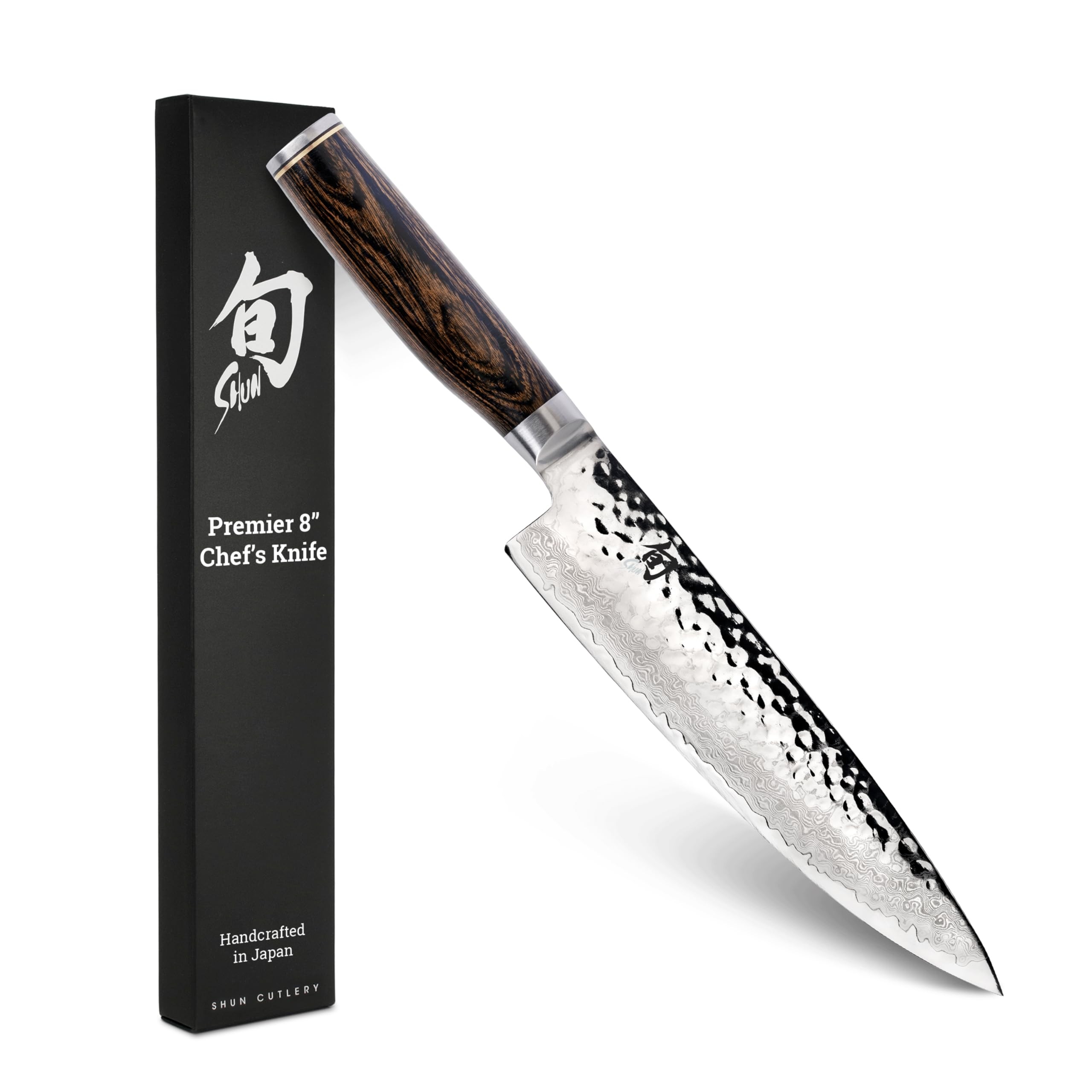
Shun Kaji 8-Inch Chef's Knife
SG2 core steel encased in 32 layers of Damascus , extreme sharpness and beauty
Buy on Amazon
Shun Classic 8-Inch Chef's Knife
VG-MAX steel with 68-layer Damascus cladding , razor-sharp out of the box
Buy on Amazon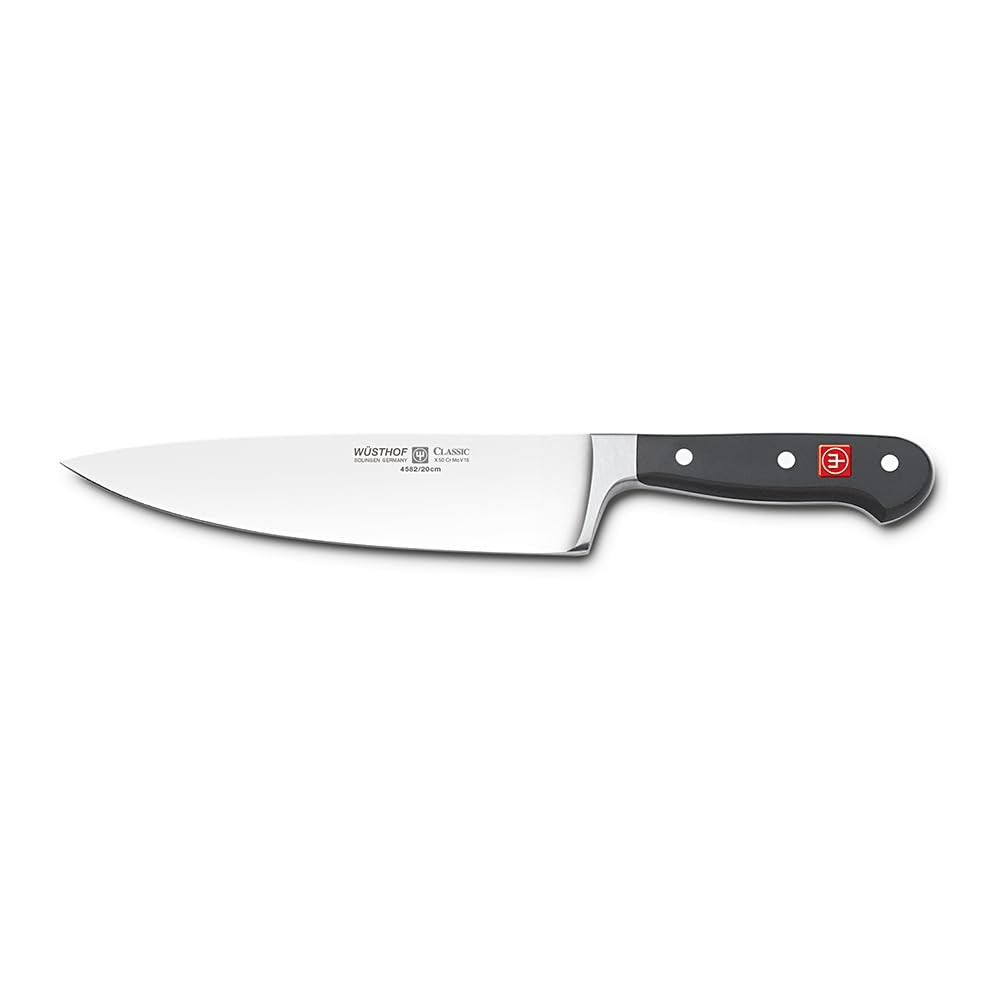
Wüsthof Classic 8-Inch Chef's Knife
Full tang, forged German steel , built to last decades with proper care
Buy on Amazon| Product | Price Range | Top Strength | Key Weakness | Buy |
|---|---|---|---|---|
| Shun Kaji 8-Inch Chef's Knife best overall | $$$ | SG2 core steel encased in 32 layers of Damascus , extreme sharpness and beauty | Very expensive; SG2 core is harder to sharpen at home | Buy on Amazon |
| Shun Classic 8-Inch Chef's Knife also consider | $$$ | VG-MAX steel with 68-layer Damascus cladding , razor-sharp out of the box | Hard steel (61 HRC) is more brittle , chip risk on bones or frozen food | Buy on Amazon |
| Wüsthof Classic 8-Inch Chef's Knife also consider | $$$ | Full tang, forged German steel , built to last decades with proper care | Heavy at 8.5 oz , some cooks prefer the lighter feel of Japanese knives | Buy on Amazon |
| MAC Professional 8-Inch Chef's Knife also consider | $$ | Thin Japanese blade profile with a Western-style handle , best of both | Less name recognition than Shun or Wüsthof , harder to buy as a gift | Buy on Amazon |
| Victorinox Fibrox Pro 8-Inch Chef's Knife also consider | $ | Best-performing knife under $50 , used in professional kitchens worldwide | Stamped steel loses its edge faster than forged alternatives | Buy on Amazon |
Shun Kaji knives sit at the top of Shun’s lineup, and the question worth asking before you spend premium money on one is whether you actually need what they’re offering. The answer, for most home cooks, is probably not. But that’s not a dismissal. Understanding where the Kaji fits, and where it doesn’t, will help you spend your money correctly, whether that lands you on the Kaji or on something half the price that outperforms it for your specific use.
If you’re still orienting yourself in the chef’s knife category broadly, the full Knives & Sharpeners section covers the wider landscape before you commit to a Japanese blade at this price point.
What to Look For in a Premium Chef’s Knife
Steel hardness and what it actually means at the cutting board
Japanese knives like the Shun line run harder steel than German knives. The Shun Classic 8-Inch Chef’s Knife uses VG-MAX steel at 61 HRC. The Kaji runs SG2 powder steel at 63-64 HRC. The Wüsthof Classic 8-Inch Chef’s Knife runs softer German steel around 58 HRC.
Harder steel holds an edge longer and can be ground thinner. It also chips more readily. If you’ve ever tried to split a butternut squash with a thin Japanese blade and felt that small sickening give at the edge, you know what I mean. Harder steel requires a whetstone for sharpening, not a honing rod, and that matters when you’re deciding what kind of maintenance you’re willing to do.
Blade geometry: thin versus thick
Japanese blades are typically ground at a 16-degree edge per side or finer. German blades run around 20-22 degrees. That difference is noticeable in precise vegetable work. Paper-thin fennel, julienned herbs, any prep where you want the knife to move without resistance. A thicker German edge pushes food aside rather than gliding through it.
The tradeoff is that the thinner the blade, the less it wants to be used as a general-purpose tool.
Handle fit and daily use
The D-shaped Pakkawood handle on the Shun Classic is well-documented as comfortable for right-handed cooks and fine for many left-handed cooks depending on grip style. The Kaji uses a similar Pakkawood construction with a slightly different aesthetic profile. Neither is a Western bolster-and-handle design, so if you’ve cooked exclusively with German knives and found the forward-weight balance helpful during long prep sessions, the adjustment period with either Shun is real.
Top Picks
Shun Kaji 8-Inch Chef’s Knife
The Shun Kaji 8-Inch Chef’s Knife uses an SG2 powder steel core encased in 32 layers of Damascus cladding. SG2 is a micro-carbide steel that achieves its hardness through a powder metallurgy process rather than conventional forging. The result is a blade that holds an extremely fine edge, cuts with less resistance than the Classic, and looks genuinely striking on a magnetic strip.
What it doesn’t do is make you a more capable cook than the Classic would. SG2 over VG-MAX buys you marginal additional sharpness retention and a slightly thinner grind. In a professional kitchen running 200 covers, that adds up. In a home kitchen where a knife gets used hard for 30-45 minutes of prep three or four times a week, the practical difference is small. The Kaji is in the pricier tier even compared to the Classic, and that gap is substantial.
The harder steel also sharpens less forgivingly at home. If you already own a quality whetstone and know how to use it at a consistent angle, the Kaji is maintainable. If your current sharpening routine is a pull-through device on the counter, this is not the knife to start with. (I say this without judgment. Not everyone wants to spend 20 minutes on a stone.)
Buy the Kaji if: you already own and use the Classic, you know the Japanese sharpening process, and you want the best Shun makes. It’s a real knife. It’s just not a necessary upgrade for most people.
Shun Classic 8-Inch Chef’s Knife
The Shun Classic 8-Inch Chef’s Knife is the more practical premium Japanese option, and the one I’d point most serious home cooks toward if they’ve decided on a Japanese blade. VG-MAX steel at 61 HRC, 68 layers of Damascus cladding, a blade geometry that handles fine prep work with less effort than anything in the German lineup at the same price tier.
It’s lighter than a Wüsthof. Thinner. More agile on an onion or a pile of herbs. The edge comes sharp from the factory and stays sharp if you store it correctly (magnetic strip, not a drawer), use a wooden or plastic cutting board, and keep it away from bones and frozen food.
Shun’s VG-MAX steel vs. Wüsthof’s German steel is the central comparison in this category. They’re solving for different users. The Classic is the right call if your prep work skews toward vegetables, fish, and boneless proteins. If you’re regularly breaking down whole chickens, working with harder root vegetables, or cooking in a household where the knife might get used by someone who doesn’t treat it carefully, the Wüsthof Classic handles that work without complaint.
Sharpening the Classic requires a whetstone. Budget around 20 minutes every few months, and keep a light touch, because the thinner edge is unforgiving if you angle it wrong. If you also own Shun steak knives or other pieces from the brand, you already know the maintenance routine.
Wüsthof Classic 8-Inch Chef’s Knife
The Wüsthof Classic 8-Inch Chef’s Knife is the correct answer for a cook who wants premium performance with lower maintenance requirements and a knife that can handle tasks the Japanese blades shouldn’t.
Forged from a single piece of high-carbon stainless steel, full tang, with Wüsthof’s PEtec edge. The blade runs heavier than either Shun at 8.5 oz, and that weight is useful for pushing through dense vegetables or working through a whole bird. The bolster forward-weights the knife in a way that long prep sessions reward. I cooked with the Wüsthof Classic for eight years before switching to a Japanese blade, and I never found it lacking. I just wanted the thinner geometry for specific work.
A steel honing rod maintains the edge between sharpenings. Actual sharpening on a whetstone or by a professional every year or so. The softer steel makes both processes more forgiving than the Shun line.
If you’re buying for a household where more than one person uses the knife and not everyone treats knives carefully, this is the more practical premium choice.
MAC Professional 8-Inch Chef’s Knife
The MAC Professional 8-Inch Chef’s Knife is what I’d recommend to someone who asks me which knife professional chefs actually use. It’s mid-range pricing, and it outperforms its price band. (I realize that sounds like marketing copy, but it’s just accurate.)
Thin Japanese blade profile. Western-style handle. Hard enough steel to stay sharp longer than German knives, but not so hard that home sharpening becomes a project. At 5.8 oz it’s the lightest of the forged options here, which matters if you do long prep sessions. The full Mac Professional Series Chef’s Knife writeup covers the steel specs and edge geometry in more depth.
The MAC doesn’t carry the brand recognition of Shun or Wüsthof, which makes it a less satisfying gift purchase. For your own kitchen, that’s irrelevant. It’s the informed buyer’s pick for a reason.
Victorinox Fibrox Pro 8-Inch Chef’s Knife
The Victorinox Fibrox Pro 8-Inch Chef’s Knife is in the budget category and is the honest answer to the question of whether you need to spend premium money at all.
Professional kitchens use these. The stamped blade loses its edge faster than any forged knife on this list, but it comes sharp, it’s light, and it’s easy to sharpen when it dulls. The handle is not beautiful. It doesn’t matter. If you’re buying a second knife for a beach house, a knife for someone who won’t maintain a premium blade, or you’re testing whether a sharp knife changes your cooking before you commit to a significant purchase, start here.
How to Choose
If you’re drawn to Shun Kaji knives specifically, be honest about where you are in the Japanese blade maintenance process. The Kaji is Shun’s best knife, but it rewards cooks who already know what they’re doing with a whetstone and who’ve already worked through the lighter Japanese balance and thinner edge geometry.
For first-time Japanese knife buyers, the Shun Classic is the better entry point. Same aesthetic, same brand, more forgiving steel, still requires proper maintenance.
For cooks who want a premium knife without adjusting their maintenance routine, the Wüsthof Classic is the right call.
For cooks who want the best performance per dollar and don’t need the brand name, the MAC Professional.
It’s also worth factoring in whether you’re building out a full set. If you’re interested in smaller Japanese blades for detail work, the 5-inch santoku knife writeup covers a format that pairs well with any of the chef’s knives here. And if you’re comparing German knife options across brands, the Zwilling J.A. Henckels Chef Knife is a direct alternative to the Wüsthof worth reading before you buy.
Current pricing on all five knives shifts more than you’d expect. Check current price on Amazon before making a decision, particularly on the Shun Kaji, where the premium over the Classic can vary enough to affect the calculus.
More guidance on pairing knives with sharpeners is available in the Knives & Sharpeners section, including which whetstones work at the angles the Shun line requires.
Frequently Asked Questions
Is the Shun Kaji actually better than the Shun Classic?
By measurable standards, yes. The SG2 powder steel in the Kaji holds a finer edge and achieves a slightly thinner grind than the VG-MAX in the Classic. For a professional cook or someone who has already maxed out what the Classic can do, that’s a real difference. For most home cooks, the Classic performs at a level that the Kaji doesn’t meaningfully improve on in daily use.
Can I sharpen Shun Kaji knives at home?
Yes, but the process requires a quality whetstone and consistent technique. SG2 steel at 63-64 HRC is harder than most home sharpening tools are designed for. A pull-through sharpener will damage the edge. If you’re not already comfortable with a whetstone at a 16-degree angle, either build that skill first or budget for professional sharpening once or twice a year. Shun also offers a mail-in sharpening service.
How do Shun knives compare to Wüsthof for everyday use?
They’re solving for different cooking styles. Shun knives are thinner, harder, and more precise on fine prep work. Wüsthof knives are heavier, more durable for rough tasks, and easier to maintain with a steel honing rod. Neither is universally superior. A cook who does heavy vegetable prep will likely prefer the Shun. A cook who regularly breaks down whole birds or works with root vegetables will find the Wüsthof more practical.
Do Shun Kaji knives chip easily?
Harder steel is always more chip-prone than softer steel. At 63-64 HRC, the Kaji will chip if used on bones, frozen food, or hard-rind squash. Storing it properly (magnetic strip, edge guard, or knife block) and keeping it away from the dishwasher and abrasive surfaces matters more than it does with a German knife. If your kitchen habits involve occasional rough use, the Wüsthof Classic is the more forgiving choice.
Is the Shun Kaji worth the premium over mid-range knives like the MAC Professional?
For most home cooks, no. The MAC Professional sits in the mid-range pricing tier and performs closer to the Shun Classic than most people expect, with easier home sharpening and a handle some cooks find more comfortable. The Kaji’s premium over the MAC is significant, and what it buys you is marginal in a home kitchen context. If the Kaji is on your list because you want the best tool available and price is secondary, it earns that. If you’re trying to find the optimal performance-per-dollar, the MAC is the answer.
Frequently Asked Questions
What is the steel construction of the Shun Kaji and how does it differ from the Classic?
The Shun Kaji uses an SG2 powder steel core encased in 32 layers of Damascus stainless cladding. The SG2 core is harder than the VG-MAX used in the Classic line, typically reaching 63–64 HRC, which provides a finer and more durable edge at the cost of being more demanding to sharpen at home.
Is the Shun Kaji a good knife for someone new to Japanese knives?
The Shun Kaji is not the best starting point for someone new to Japanese knives. Its harder SG2 steel requires whetstone sharpening and careful use to avoid chipping, and its premium price leaves little margin for error. The Shun Classic is a more forgiving and cost-effective introduction to the Japanese knife experience.
Can the Shun Kaji handle tasks like breaking down chicken or cutting hard vegetables?
The Kaji is designed for precision slicing and fine prep work. Its hard SG2 core makes it more brittle than German steel, so it should not be used on bones, frozen food, or very hard root vegetables like butternut squash without care. Tasks requiring lateral pressure or twisting motion risk chipping the edge.
How does the Shun Kaji compare to the Wüsthof Classic in everyday performance?
The Kaji will feel sharper out of the box and hold that edge longer than the Wüsthof Classic, but requires more careful maintenance and is more brittle. The Wüsthof is the more durable and forgiving everyday knife. Which is better depends on whether you prioritize edge performance or ease of care.
What sharpening tools do I need for a Shun Kaji knife?
A whetstone is required for maintaining the Shun Kaji's SG2 edge. A 1000-grit stone handles re-sharpening and a 3000–6000 grit stone refines the edge. Shun also offers its own ceramic honing rod as a light maintenance tool between full sharpenings, though it cannot replace the whetstone.
Where to Buy
Shun Kaji 8-Inch Chef's KnifeSee Shun Kaji 8-Inch Chef's Knife on Amazon