Shun Fuji Knives Buyer Guide: Worth the Investment?

Affiliate disclosure: Some links on this page are affiliate links. If you buy through them we earn a small commission at no extra cost to you. Recommendations are research-driven; we don't claim personal use of every product reviewed. Product prices and availability are accurate as of the date published and are subject to change. Always check Amazon for current pricing before purchasing. Learn more.
Quick Picks
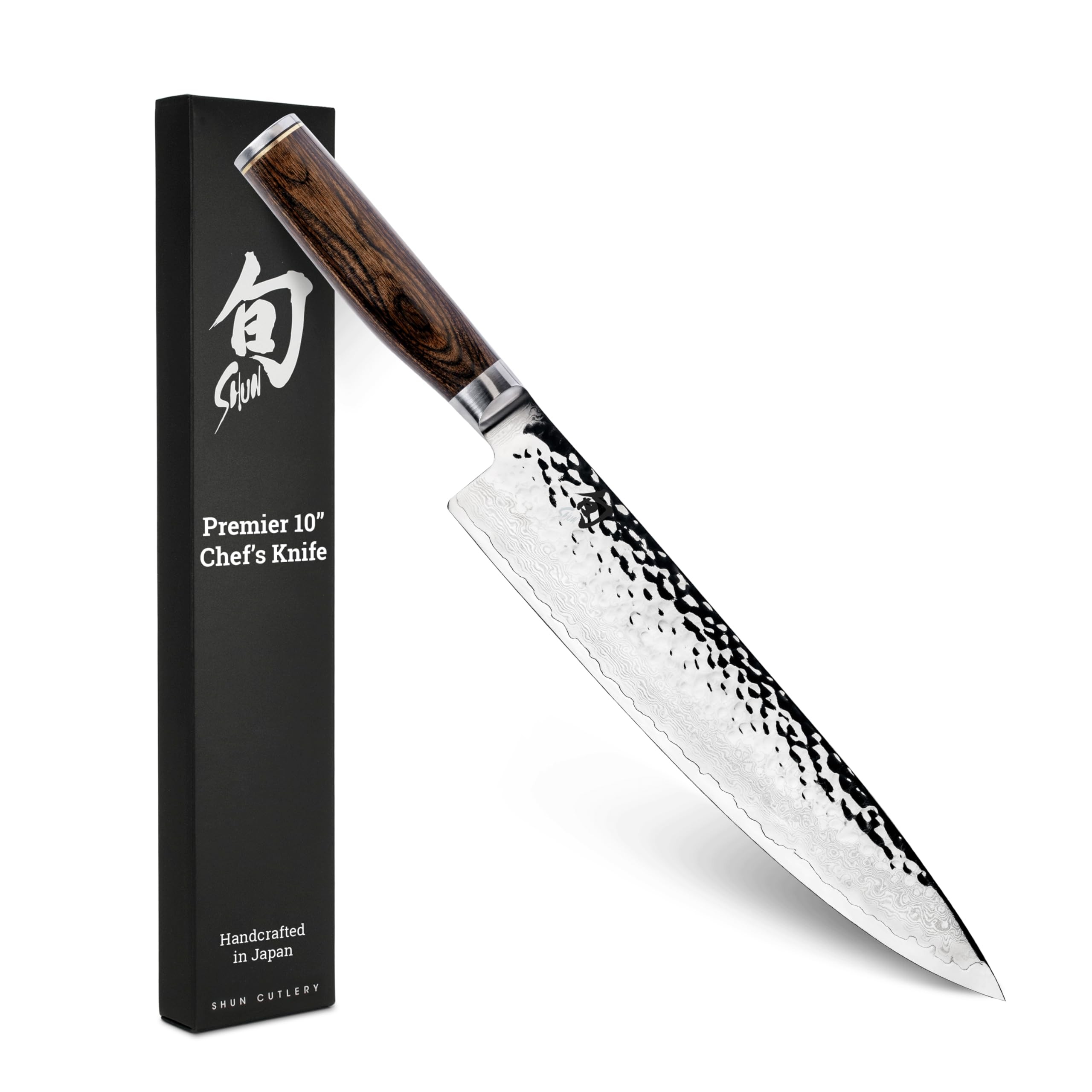
Shun Fuji 10-Inch Chef's Knife
SG2 powder steel , harder and sharper than VG-MAX in the Classic line
Buy on Amazon
Shun Classic 8-Inch Chef's Knife
VG-MAX steel with 68-layer Damascus cladding , razor-sharp out of the box
Buy on Amazon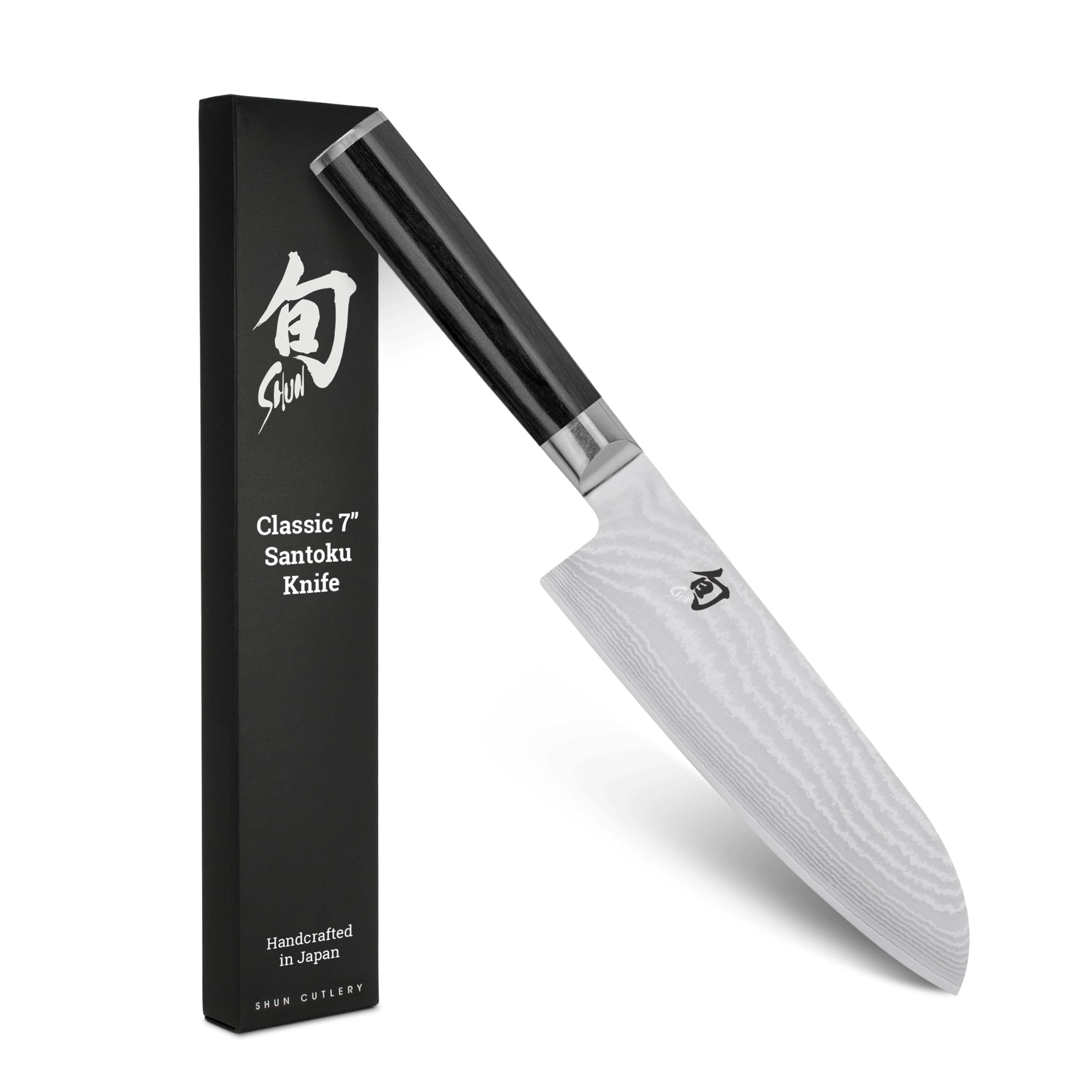
Shun Classic 7-Inch Santoku
VG-MAX Damascus steel , same exceptional sharpness as the chef's knife
Buy on Amazon| Product | Price Range | Top Strength | Key Weakness | Buy |
|---|---|---|---|---|
| Shun Fuji 10-Inch Chef's Knife best overall | $$$ | SG2 powder steel , harder and sharper than VG-MAX in the Classic line | Extremely expensive , over $500 for a single knife | Buy on Amazon |
| Shun Classic 8-Inch Chef's Knife also consider | $$$ | VG-MAX steel with 68-layer Damascus cladding , razor-sharp out of the box | Hard steel (61 HRC) is more brittle , chip risk on bones or frozen food | Buy on Amazon |
| Shun Classic 7-Inch Santoku also consider | $$$ | VG-MAX Damascus steel , same exceptional sharpness as the chef's knife | Hollow-ground edge requires whetstone maintenance , not for casual sharpeners | Buy on Amazon |
| Wüsthof Classic 8-Inch Chef's Knife also consider | $$$ | Full tang, forged German steel , built to last decades with proper care | Heavy at 8.5 oz , some cooks prefer the lighter feel of Japanese knives | Buy on Amazon |
| Victorinox Fibrox Pro 8-Inch Chef's Knife also consider | $ | Best-performing knife under $50 , used in professional kitchens worldwide | Stamped steel loses its edge faster than forged alternatives | Buy on Amazon |
Shun makes some of the most talked-about Japanese knives in American home kitchens, and the Fuji line sits at the top of that conversation. Before you spend what amounts to a car payment on a single knife, it helps to understand what you’re actually buying, what you’re committing to in terms of maintenance, and whether the Fuji is the right answer or whether a different Shun (or something else entirely) does what you need.
I’ve been cooking seriously for longer than I care to specify. The knives in this kitchen have earned their spots through actual use, not aesthetic appeal, and I replace things when they stop performing. If you’re browsing the broader category, the Knives & Sharpeners section covers a wider range of options across price bands and blade styles. For Shun specifically, here’s what I’d actually tell a friend.
What to Look For in a Premium Japanese Knife
Steel hardness and what it costs you
Japanese knives like Shun are typically harder than their German counterparts. The Classic line runs at 61 HRC. The Fuji’s SG2 powder steel pushes harder than that. Higher hardness means a finer, sharper edge that holds longer. It also means the blade is more brittle. If you’ve ever grabbed a knife to hack through a butternut squash or scrape frozen meat apart, a hard Japanese blade is not what you want in your hand at that moment.
This isn’t a subtle distinction. German steel like Wüsthof’s X50CrMoV15 runs softer (around 58 HRC), flexes more before it chips, and tolerates the kind of incidental abuse that happens in a busy kitchen. Shun’s blades demand more deliberate handling.
Sharpening requirements
The harder the steel, the more specialized the sharpening equipment you need. The Shun Classic line requires a whetstone. The Fuji’s SG2 steel requires diamond stones. A pull-through sharpener or a standard honing rod will either do nothing or actively damage these blades. If you don’t already own a whetstone and know how to use it (or are willing to learn), factor that into the purchase.
Blade geometry
Japanese knives are generally thinner and lighter than German forged knives. That’s an advantage for precision vegetable work and extended prep sessions. It’s a disadvantage for anything requiring lateral force or impact. The D-shaped handle on the Shun Classic is designed for right-handed use. If you’re left-handed, Shun does make left-handed versions, but you need to check before ordering.
The Knives
Shun Fuji 10-Inch Chef’s Knife
The Shun Fuji 10-Inch Chef’s Knife is Shun’s flagship, and the price reflects that without apology. It’s one of the pricier options not just in the Shun lineup but in the entire category of premium Japanese chef’s knives available to home cooks.
The SG2 powder steel takes an edge that genuinely outperforms the VG-MAX in Shun’s Classic line. The hand-hammered finish (called tsuchime) reduces the surface area in contact with food, which helps with release when slicing through dense vegetables or proteins. The ebony PakkaWood handle is the most refined piece of kitchen hardware I’ve held.
Here’s where I’ll be direct. This knife is for aspirational buyers or collectors. Not because it doesn’t perform, but because the performance gap over the Classic line is real but narrow for everyday cooking, and the sharpening requirement is genuinely specialized. SG2 at that hardness level needs diamond stones and a light touch. If you strip the edge through improper sharpening, you’ve damaged something expensive. Professional knife sharpening services can handle it, but that’s an ongoing cost you should factor in.
If you’re buying this as a primary working knife and you don’t already have a proper sharpening setup, buy the Classic first.
Shun Classic 8-Inch Chef’s Knife
The Shun Classic 8-Inch Chef’s Knife is my actual recommendation for most buyers who’ve decided they want a premium Japanese knife. VG-MAX steel with 68-layer Damascus cladding, razor-sharp out of the box, and light enough that extended prep work doesn’t fatigue your hand the way a heavier German knife sometimes does.
The comparison people always make is Shun versus the Wüsthof Classic 8-Inch Chef’s Knife. I cooked with a Wüsthof Classic for years before switching, and I’d frame it this way: if you do a lot of fine vegetable work, herbs, fish, thin slicing, the Shun wins on feel and precision. If your kitchen involves a lot of bone-adjacent work, breaking down whole chickens repeatedly, or you tend toward aggressive technique, the Wüsthof’s forged German steel and heavier build are more forgiving. The Wüsthof also runs heavier at 8.5 oz. and can be maintained with a honing rod, which is a meaningful practical difference.
The Shun Classic is premium pricing. The Wüsthof Classic is also premium pricing. They are comparable in cost. The decision is really about blade geometry, weight preference, and your willingness to maintain a whetstone.
The brittle caveat applies here too. Do not use this knife on frozen food or bones. I’ve seen people chip the blade on a chicken carcass. (The look on their face when they realize what happened to a knife at that price point is a specific kind of grief.)
Shun Classic 7-Inch Santoku
The Shun Classic 7-Inch Santoku uses the same VG-MAX Damascus steel as the chef’s knife, but the blade profile is shorter and flatter, which suits a push-cut chopping style better than the rocking motion most people use with a Western chef’s knife.
The hollow-ground blade adds another layer of food release beyond what the steel geometry alone provides. For vegetable prep in particular, it’s a noticeably pleasant knife to work with. If you spend a lot of time breaking down produce rather than protein, this is worth considering over the chef’s knife.
The comparison to the Zwilling Henckels Santoku Knife is worth making here. Zwilling’s santoku uses softer German steel, which means it’s more chip-resistant and easier to sharpen but won’t hold as fine an edge as the Shun. If you’re already comfortable with whetstone maintenance, the Shun wins on sharpness. If you’re not, the Zwilling is the more practical choice. For those interested in a smaller format, my 5-inch santoku knife review covers the case for the compact version.
The hollow-ground edge on the Shun does require careful sharpening. The grind geometry is less forgiving of errors than a standard bevel. Not a reason to avoid it, but a reason to learn the tool before you sharpen it.
The Value Benchmark: Victorinox Fibrox Pro 8-Inch
I include the Victorinox Fibrox Pro 8-Inch Chef’s Knife because it needs to be in this conversation. It’s budget pricing. It’s used in professional kitchens worldwide. A cook who uses it correctly will produce better food than someone wrestling with a dull premium knife.
The stamped steel loses its edge faster than any of the forged options here, and the handle is utilitarian in a way that nobody would call inspiring. But if you’re on the fence about whether you’re the kind of person who will maintain a whetstone and treat a premium knife appropriately, start here. Use it for six months. If you find yourself sharpening it regularly and wishing for more, that’s your signal to move up. If it’s been sitting in a drawer for three months, you’ve saved yourself a significant amount of money.
The Fuji is not the right knife for someone who hasn’t figured out their relationship with sharpening yet.
How to Choose
Buy the Classic first, not the Fuji
If you’re new to Japanese knives, start with the Shun Classic 8-Inch Chef’s Knife. The VG-MAX steel is exceptional. The price is already premium. You’ll learn what it means to own a hard-steel Japanese knife, whether you’re willing to maintain it, and whether the lighter geometry suits your cooking style. The Fuji will still be there when you’re ready for it, though I appreciate that not everyone needs to make that progression.
Match the knife to your actual cooking
If you cook a lot of vegetables and herbs, the Santoku profile may suit you better than a chef’s knife. If you work with proteins more often, the longer chef’s knife gives you more versatility. If you break down whole birds regularly, a Shun of any kind is the wrong primary knife for that task.
Invest in sharpening before you invest in the knife
A whetstone and the time to learn to use it are prerequisites, not accessories. The MAC Professional Series Chef’s Knife review goes into sharpening angle differences between Japanese brands if you want a more detailed comparison across lines.
Understand the Shun ecosystem
If you like the Shun Classic and want to expand, the line is coherent and well-executed across blade types. Their steak knives and Premier steak knives use the same Damascus steel approach and are worth looking at if you’re building out a set.
For current pricing across all of these, check Amazon directly. Pricing in this category moves, and our knife and sharpener reviews include more detailed individual breakdowns.
Frequently Asked Questions
Is the Shun Fuji worth the premium over the Shun Classic?
For most home cooks, no. The SG2 powder steel takes a slightly finer edge and the hand-hammered finish is genuinely beautiful, but the practical performance difference during everyday cooking is narrow. The Fuji is also harder to sharpen, requiring diamond stones rather than a standard whetstone. If you’re buying a primary working knife, the Classic performs at a level that will satisfy serious home cooks. The Fuji makes sense if you already own a Classic, already know how to use diamond stones, and want the best Shun produces.
Can I use a honing rod on Shun knives?
No. The hard steel in Shun’s knives (61 HRC in the Classic line, harder in the Fuji) will not respond to a standard honing rod the way German steel does. A ceramic honing rod can help with minor maintenance between sharpenings, but the primary sharpening method needs to be a whetstone for the Classic line and diamond stones for the Fuji’s SG2 steel. Using a standard steel rod on these blades can damage the edge.
How does the Shun Classic compare to the Wüsthof Classic?
The blades solve different problems. The Shun is thinner, lighter, and takes a finer edge, which makes it better for precision work: vegetables, herbs, fish, thin slicing. The Wüsthof is heavier, more chip-resistant, and tolerates more aggressive technique. The Wüsthof can be maintained with a honing rod before each use. The Shun requires a whetstone. Both are premium pricing and both are well-made. Your cooking style and your willingness to learn whetstone technique are the actual deciding factors.
Are Shun knives good for left-handed cooks?
The standard Shun Classic uses a D-shaped handle designed for right-handed grip. Shun manufactures left-handed versions of several models in the Classic line, but they need to be purchased specifically. Check the product listing carefully before ordering. The Fuji’s handle design also has handedness built into it. If you’re left-handed and ordering online, confirm the variant before you buy.
What is the best way to store Shun knives?
A magnetic knife strip or a wooden knife block. Never a utensil drawer where the edges contact other metal, and never the dishwasher. The hard steel is vulnerable to chipping from incidental contact, and dishwasher detergent is harsh enough to affect both the blade and the PakkaWood handle over time. Hand wash, dry immediately, and store where the edge isn’t contacting anything. A blade guard works if you need to transport them.
Frequently Asked Questions
What steel does the Shun Fuji use and how does it compare to other Shun lines?
The Shun Fuji uses SG2 powder steel, which is harder and holds a finer edge than the VG-MAX steel in the Classic line. SG2 rates around 63–64 HRC versus 61 HRC for VG-MAX, resulting in a sharper edge out of the box and longer edge retention, at the cost of being harder to sharpen at home.
Is the Shun Fuji worth the price for a home cook?
For most home cooks, the Shun Fuji's performance advantage over the Shun Classic does not justify the price difference of several hundred dollars per knife. It is an exceptional tool and a valid choice for serious home cooks who prioritize peak edge quality, but the Classic line delivers excellent performance at a significantly lower price.
What is the hand-hammered finish on the Shun Fuji for?
The tsuchime (hand-hammered) finish creates small air pockets along the blade face that reduce surface contact between the blade and food, minimizing drag and preventing slices from sticking to the knife. It has a functional purpose in addition to its distinctive appearance.
How difficult is the Shun Fuji to sharpen?
SG2 powder steel is harder than typical Japanese steel and requires a whetstone for proper sharpening. The hardness means the edge holds longer between sharpenings, but when it does need work, it takes more time on the stone than softer steels. Pull-through sharpeners and honing rods are not appropriate for the Fuji.
How does the Shun Fuji compare to the Shun Classic for everyday kitchen use?
The Shun Classic 8-inch chef's knife covers almost every everyday kitchen task at a fraction of the Fuji's price and with steel that is easier to maintain. The Fuji's advantages become meaningful at the margins — very fine vegetable work, sashimi preparation, or extended prep sessions where edge longevity matters. For the majority of home cooks, the Classic is the more practical purchase.
Where to Buy
Shun Fuji 10-Inch Chef's KnifeSee Shun Fuji 10-Inch Chef's Knife on Amazon