Staub Enameled Cast Iron Dutch Oven: 4 Options Compared

Affiliate disclosure: Some links on this page are affiliate links. If you buy through them we earn a small commission at no extra cost to you. Recommendations are research-driven; we don't claim personal use of every product reviewed. Product prices and availability are accurate as of the date published and are subject to change. Always check Amazon for current pricing before purchasing. Learn more.

Quick Picks
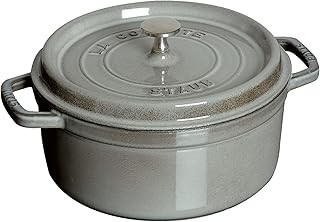
Staub 5.5-Quart Round Cocotte
Self-basting spikes on the lid return moisture back to the food
Buy on Amazon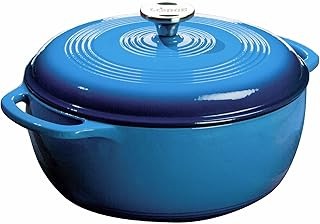
Lodge Enameled Cast Iron Dutch Oven 6-Quart
Enameled interior , no seasoning required, dishwasher safe
Buy on Amazon
Le Creuset 5.5-Quart Round Dutch Oven
Even heat distribution eliminates hot spots for slow braises
Buy on Amazon| Product | Price Range | Top Strength | Key Weakness | Buy |
|---|---|---|---|---|
| Staub 5.5-Quart Round Cocotte best overall | $$$ | Self-basting spikes on the lid return moisture back to the food | Dark interior makes it harder to monitor fond development | Buy on Amazon |
| Lodge Enameled Cast Iron Dutch Oven 6-Quart also consider | $$ | Enameled interior , no seasoning required, dishwasher safe | Enamel quality not as refined as Le Creuset , more prone to chipping over time | Buy on Amazon |
| Le Creuset 5.5-Quart Round Dutch Oven also consider | $$$ | Even heat distribution eliminates hot spots for slow braises | Over $300 at full retail , a significant investment | Buy on Amazon |
| Cuisinart Chef's Classic Enameled Cast Iron 5-Quart Dutch Oven also consider | $$ | Enameled interior at under $100 , significantly cheaper than Le Creuset | Enamel quality noticeably thinner than Le Creuset or Staub | Buy on Amazon |
A round enameled cast iron Dutch oven is one of those purchases that either lasts a decade or becomes a cautionary tale about buying the cheap version twice. The Staub enameled cast iron round Dutch oven sits at the center of a genuinely competitive category, with Le Creuset on one side and a range of mid-range alternatives below it. This guide covers four options across two price bands, explains what actually separates them in daily use, and gives you a clear recommendation without the usual hedging.
If you want the broader context on cast iron before committing, the Cast Iron hub covers the full category, including bare cast iron, enameled pieces, and how to think about which surface makes sense for what you’re cooking.
What to Look For in an Enameled Cast Iron Dutch Oven
Lid Fit and Moisture Management
The lid is doing more work than it looks like. In a braise or a long stew, the difference between a well-sealed lid and a mediocre one is measurable in moisture loss over two or three hours. Tight-fitting lids trap steam and return it to the pot. Loose ones let it escape, which means you’re adjusting liquid levels mid-cook.
The Staub takes a different approach entirely: its lid interior has small spikes that collect condensation and direct it back over the food as a fine mist. That’s not marketing language. If you’ve ever pulled the lid on a braise and watched water run back in a single stream from one corner, you’ve experienced what the Staub lid is solving.
Interior Surface
Black matte enamel versus light-colored enamel is the decision most buyers underestimate. Light interiors (Le Creuset, Lodge, Cuisinart) let you watch fond develop, which matters for searing and deglazing. Dark interiors (Staub) develop a natural patina over time that becomes increasingly non-stick, but you’re working somewhat blind when it comes to browning.
Neither is objectively correct. It depends on how you cook and what you trust your instincts on. (I’ve cooked in Staub long enough that I work by smell and timing rather than color, which I realize is not useful advice for someone who hasn’t.)
Enamel Quality and Chip Resistance
All four options in this guide are enameled cast iron. The enamel quality varies considerably. Premium brands use thicker, more durable porcelain that resists chipping under normal use. Budget options use thinner enamel that performs acceptably when new but degrades faster with frequent use or temperature shock. If you’re putting this on a high flame cold out of storage, that’s how chips start.
Heat Retention Versus Heat Distribution
Cast iron retains heat better than most other materials. Heavier pots retain more heat than lighter ones. Among enameled Dutch ovens, the Staub runs slightly heavier than the Le Creuset at similar capacities, which translates to marginally better heat retention for applications like bread baking or long braises where you want stable, steady temperature. The difference is real but not dramatic.
Top Picks
Staub 5.5-Quart Round Cocotte
The Staub 5.5-Quart Round Cocotte is the recommendation in this category, and the reason is the lid. The self-basting spike system returns moisture back to the food in a way that flat lids simply don’t replicate. For braised short ribs, lamb shoulder, chicken thighs with liquid, the practical difference is a more consistently moist result without babysitting the pot.
The black matte enamel interior is the legitimate trade-off. Fond monitoring is harder. If your cooking relies heavily on reading the color of what’s sticking to the bottom, the learning curve is real. Over time, the black interior develops a seasoning-like patina that makes searing easier and cleanup faster, but “over time” means months of regular use.
The Staub runs heavier than the Le Creuset at comparable sizes, which is a feature or a drawback depending on your situation. Better heat retention for slow cooking. More strain on your wrists when the pot is full.
Pricing is premium, comparable to Le Creuset at full retail. Check current price on Amazon.
Le Creuset 5.5-Quart Round Dutch Oven
The Le Creuset 5.5-Quart Round Dutch Oven is the most reviewed Dutch oven on the market, and that reputation is earned over decades, not marketing. The heat distribution is excellent: searing a large piece of meat across the entire base of this pot produces even browning without the hot spots you get from thinner materials.
The light interior is what gives Le Creuset the cooking visibility edge over Staub. Fond development is easy to read, deglazing is more intuitive, and the cream or white interior shows you exactly what’s happening at the bottom of the pot. If you bake no-knead bread, the tight-fitting lid and consistent heat retention produce a reliable crust.
The price objection is real. This is one of the pricier options in the Dutch oven category, full stop. The counterargument is the lifetime warranty plus longevity math: a pot you replace every five years at mid-range pricing likely costs more over twenty years than one premium purchase that outlasts your kitchen renovation. That math works if you cook regularly. If you braise twice a year, it doesn’t.
If you’re specifically cross-shopping Le Creuset colorways or retail sources, the Le Creuset Dutch Oven Sur La Table piece covers the purchasing angle in more detail, including where pricing tends to be more favorable.
Lodge Enameled Cast Iron Dutch Oven 6-Quart
The Lodge Enameled Cast Iron Dutch Oven 6-Quart occupies a sensible position: the same thermal mass as bare Lodge cast iron, enameled for easy care, at roughly half the price of the premium French brands. No seasoning required, dishwasher safe (though I’d hand-wash it), available in multiple colors.
The enamel quality is the honest limitation. It performs well when new and holds up adequately under moderate use, but the porcelain finish is thinner than Le Creuset or Staub and more prone to chipping over the years. The lighter interior also shows staining more easily than you’d expect, which is mostly cosmetic but worth knowing.
For someone buying their first enameled Dutch oven, or someone who uses this category occasionally rather than weekly, Lodge at mid-range pricing is a rational choice. For someone who braises regularly and expects the pot to be in daily rotation for fifteen years, the premium brands are worth the gap.
Cuisinart Chef’s Classic Enameled Cast Iron 5-Quart Dutch Oven
The Cuisinart Chef’s Classic Enameled Cast Iron 5-Quart Dutch Oven is a budget-category option with budget-category trade-offs stated plainly. The enameled interior is non-reactive, the wide flat base distributes heat reasonably well across the bottom, and it’s oven-safe to 500°F. For the price, those are real merits.
The lid fit is imprecise enough that steam escapes during longer cooks, which undermines the main reason to use a Dutch oven for braising. The enamel is noticeably thinner than either premium option, which affects both durability and cooking performance over time.
If your use case is genuinely occasional, this covers it. If you’re planning to use this weekly, the enamel limitations will surface within a couple of years and you’ll be back to the same purchase decision at a point when you already know what you want.
How to Choose
If Braising Is Your Primary Use
The Staub is the recommendation. The lid design makes a measurable difference in moisture-retained braises. The dark interior is a real adjustment, but the cooking results justify it for anyone doing this kind of cooking regularly.
If Bread Baking Drives the Purchase
Le Creuset is the better fit. The light interior lets you read the bottom crust development, the lid fit is precise, and the heat distribution produces consistent results. If you’re already baking regularly and want a single pot that handles both bread and braises, Le Creuset is the more flexible choice.
If Budget Is the Primary Constraint
Lodge at mid-range pricing is the call. Not the Cuisinart, which cuts corners in ways that affect actual performance. Lodge has the thermal mass and the enamel quality to perform adequately for years of regular use, and the price difference versus the premium options is significant. The enameled cast iron baking dish covers a category where the Lodge approach makes even more sense as an entry point.
If You Want to Expand from Here
A Dutch oven is a logical anchor piece in an enameled cast iron collection. From here, an enameled cast iron griddle covers the stovetop surface work that a round pot can’t, and if you cook dishes that benefit from slow, shallow braising with an active lid, something like the Emile Henry Tagine handles that differently than any of these round pots.
For more on how enameled Dutch ovens fit within the broader world of cast iron cookware, the cast iron cookware hub is a useful reference before or after this purchase.
Frequently Asked Questions
Is Staub or Le Creuset better for a Dutch oven?
Both are premium cast iron and both will outlast most kitchens if cared for properly. Staub wins on moisture retention during braises because of the self-basting lid spikes. Le Creuset wins on interior visibility because of the light enamel, which makes it easier to monitor fond and browning. If braising is your primary use, Staub. If you want cooking visibility and a lighter pot, Le Creuset.
What size Dutch oven should I buy?
A 5.5-quart round Dutch oven handles most household cooking for two to four people: whole chickens, short ribs, large loaves of no-knead bread. If you regularly cook for six or more, or you want to do larger batch cooking, a 7-quart is worth considering. Below 5 quarts starts to limit what you can fit.
Can I use an enameled Dutch oven on an induction cooktop?
Yes, cast iron works on induction regardless of whether it’s bare or enameled, provided the base is flat. All four options in this guide are induction-compatible. Verify the specific model before purchasing if induction is your primary cooking surface, but enameled cast iron is one of the better materials for induction because of how it holds heat once it’s up to temperature.
Is enameled cast iron worth the price over bare cast iron?
The enamel eliminates the seasoning maintenance, makes the surface non-reactive for acidic ingredients like tomatoes and wine, and generally simplifies cleanup. For a Dutch oven specifically, enameled is the right call because Dutch oven cooking often involves acidic braising liquids that would strip a bare iron seasoning over time. For flat cooking surfaces like skillets and griddles, bare cast iron is harder to argue against on pure cooking performance.
How do I prevent chipping the enamel on a Dutch oven?
Avoid temperature shock. Don’t move a cold pot directly onto high heat and don’t place a hot pot into cold water. Use wooden or silicone utensils rather than metal. Don’t stack other pots inside it during storage without a cloth or liner between surfaces. Premium enamel from Staub or Le Creuset is more forgiving than the thinner coatings on budget options, but the same basic care applies across the board.
Frequently Asked Questions
What makes Staub enameled cast iron Dutch ovens different from other brands?
Staub's two most distinctive features are the self-basting lid with interior spikes that redirect condensation back over the food, and the matte black enamel interior that develops a natural patina over time. Both are intentional design choices that affect cooking performance in long braises, not just aesthetics.
Is Staub enameled cast iron better than Le Creuset?
Neither is objectively better — they make different tradeoffs. Staub's self-basting lid performs differently in long braises, and the black interior handles high heat and staining better. Le Creuset's lighter interior makes fond monitoring easier, and the brand offers more color variety. Price is comparable at the 5-quart size.
How long does Staub enameled cast iron last?
With reasonable care — avoiding extreme thermal shocks, using wooden or silicone utensils inside, and hand-washing — Staub enameled cast iron routinely lasts decades. The brand offers a lifetime warranty against manufacturing defects.
Can I use the Staub Dutch oven on an electric or induction cooktop?
Yes — Staub enameled cast iron is compatible with all cooktop types including gas, electric, ceramic, and induction. The cast iron base is magnetic, so induction compatibility requires no adapter.
How does the Cuisinart enameled Dutch oven compare to Staub for everyday use?
The Cuisinart enameled Dutch oven delivers comparable heat retention at a significantly lower price point. The practical difference is enamel durability: Cuisinart's coating is thinner and more prone to chipping with daily use over several years. For a casual cook who uses a Dutch oven a few times a month, Cuisinart is a strong value. For daily or near-daily use, Staub's enamel holds up better over time.
Where to Buy
Staub 5.5-Quart Round CocotteSee Staub 5.5-Quart Round Cocotte on Amazon